When people talk about longevity, they usually mention things like cold plunges, mushroom powders, or the latest supplement that “everyone in Silicon Valley is taking.” But if you ask most doctors, the kind who deal with real patients, not just podcasts, the top of the list is something far less glamorous, blood pressure.
Blood Pressure: The Silent Killer That’s Surprisingly Common
High blood pressure, or hypertension, is often called the silent killer. And for good reason. It doesn’t usually cause symptoms. There’s no rash, no pain, no warning light. But over time, it quietly raises your risk of heart attacks, strokes, kidney disease and dementia.
When it comes to blood pressure, there’s a simple rule worth remembering. It’s known as the “Rule of Halves”:
About half of all adults have high blood pressure.
Half of those are undiagnosed.
Half of those who are diagnosed aren’t treated.
And half of those treated aren’t treated properly.
That’s a lot of people wandering around thinking they’re in good shape because they “feel fine.”
But I Had My Blood Pressure Checked at My GP Surgery…
Let’s talk about how blood pressure is usually measured. You sit in a clinic. You’ve walked fast to get there or worried about parking wardens, probably had a coffee beforehand. Someone wraps a cuff around your arm and tells you to relax.
That one-off reading might be useful, but it’s also a bit like checking the weather by glancing out the window for five seconds. You’re not getting the full picture.
Enter the Hilo Band
The Hilo Band is a wearable device that takes a different approach. It uses photoplethysmography (PPG), a light-based sensor on your wrist, to monitor the shape and flow of your pulse wave. It’s not just counting your pulse. It’s analysing how your blood pressure behaves throughout the day and night using Pulse Wave Analysis (PWA).
Hilo gives you multiple readings over 24 hours, including while you sleep. And the band only records when you’re still, which improves accuracy. It’s like having a calm, unobtrusive nurse quietly checking your pressure in the background. And yes, it looks good too. Like a minimalist fitness tracker had a child with a hipster bracelet.
Real Life Data, Not Waiting Room Guesswork
This continuous monitoring means you get a clearer, more accurate view of your blood pressure patterns. As opposed to a single, possibly elevated reading in a GP’s office. It can help catch masked hypertension (normal readings in clinic but high at home) or white coat syndrome (high in clinic, normal elsewhere).
That matters because earlier detection means earlier action, which can include everything from lifestyle tweaks to proper medication, guided by real-world data rather than guesswork.
Blood Pressure and Longevity: The Real Biohack
If you’re serious about healthspan (although I hate that word as it sounds like management consultant jargon!), not just how long you live, but how well, then keeping your blood pressure in check is arguably more effective than most so-called biohacks.
You don’t need exotic pills or 18-step routines. You need good sleep, a Mediterranean-ish diet, regular movement… and control of your blood pressure.
If you’re going to invest in a wearable, make it one that actually improves your health, not just a random, clinically meaningless “health score.”
If you’re ready to try it, check them out here: Hilo Band
Blood pressure control isn’t new or flashy. But it works. And with a tool like the Hilo Band, it’s easier than ever to track, understand and act on. Because knowing your numbers, in your real life, not just under fluorescent clinic lights, is one of the smartest longevity moves you can make.
Dr Hugh Coyne is a GP and co-founder of Coyne Medical, a private preventive health clinic at 660 Fulham Road, London. He trained at Imperial College London and has been in practice for over twenty years, with a particular focus on cardiovascular risk, metabolic health, and exercise medicine. After qualifying as a GP he went on to train in sport and exercise medicine, bringing a distinctly practical approach to prevention and long-term health.
British Association of Sports and Exercise Medicine · European Atherosclerosis Society · Independent Doctors Federation
As seen in The Independent, The Daily Mail and Tatler
For educational purposes. This article is written by a practising GP and is intended to inform, not replace a consultation with your own doctor. It does not constitute medical advice. A note on clinical guidelines: Coyne Medical is an independent private clinic. Our approach is guided by the best available evidence, tailored to each individual. This may go beyond standard NHS or NICE guidance, which is designed for population-level care and weighted by resource constraints.
We often talk about food as fuel for the body. But what if it’s also medicine for the brain? This may particularly be the base if you have some metabolic dysfunction.
A new study from the UK Biobank, published in 2024, suggests that what you eat could make a meaningful difference to your dementia risk, especially if you have type 2 diabetes, heart disease, or a history of stroke. The researchers tracked over 84,000 people aged 60 and up for more than a decade. They examined their diet, health conditions, and in some cases, their brain scans.
The Inflammation Connection
The link between inflammation and disease certainly isn’t new. We know that chronic low-grade inflammation plays a role in heart disease, type 2 diabetes, and even dementia. The term “inflammaging” has been coined to describe this slow-burning, systemic irritation that seems to drive many age-related conditions.
The Dietary Inflammatory Index (DII) ranks your diet based on how likely your diet is to promote inflammation. Pro-inflammatory diets are heavy in processed meat, refined carbs, processed foods and added sugars. Anti-inflammatory diets tend to be rich in vegetables, fruit, whole grains, fish, legumes and olive oil. Essentially, a Mediterranean-ish pattern wins again.
The Main Question
The researchers wanted to know whether an anti-inflammatory diet reduces dementia risk. This was especially pertinent for people already at higher risk due to cardiometabolic disease (CMD). CMD in this study included type 2 diabetes, heart disease, or stroke. This is because people with CMD are at higher risk of dementia.
In answer, the anti-inflammatory diet does reduce dementia risk, and it’s not a trivial difference.
Compared to people without CMD who ate an anti-inflammatory diet (the “healthiest” group), those with CMD and a proinflammatory diet were more than twice as likely to develop dementia. But those with CMD who ate an anti-inflammatory diet had a 31% lower risk of dementia than their proinflammatory peers.
They also developed dementia two years later, on average.
Brains on Scan
Around 9,000 people in the study had brain MRI scans. This allowed researchers to look for changes associated with cognitive decline.
People with CMD and a proinflammatory diet had smaller grey matter volume (the brain cells you want to keep) and more white matter hyperintensities (a marker of small vessel disease and vascular injury). Those with CMD and an anti-inflammatory diet had significantly better brain structure. This was reflected by more grey matter and less white matter damage. Not perfect, but certainly better.
A Few Caveats
Like any good study, this one has its limitations. Diet was assessed using 24-hour food recall, which isn’t perfect. People might forget what they ate, or fudge it slightly to sound healthier. Also, the DII is based on nutrients rather than food types. So, it can’t distinguish between plant-based and animal-based proteins, or account for cooking methods that might influence the inflammatory load of a meal.
Still, participants with higher DII scores had higher levels of inflammatory markers in their blood. This lends credence to the idea that the DII is capturing something meaningful.
The Takeaway – avoid the takeaway
If you’ve already got diabetes, heart disease or a history of stroke, your brain may be more vulnerable. But your diet might offer a way to fight back.
Choosing anti-inflammatory foods won’t reverse existing brain damage, but it might slow the progression of cognitive decline. At the very least, it’s a low-risk strategy. It also benefits your cardiovascular health, blood pressure, gut, and energy levels.
If your goal is to keep your brain sharp, go for plenty of colour on the plate. A good example might be salmon and lentils over sausage rolls and white bread. It’s not about perfection. It’s more about shifting the odds in your favour.
Dr Hugh Coyne is a GP and co-founder of Coyne Medical, a private preventive health clinic at 660 Fulham Road, London. He trained at Imperial College London and has been in practice for over twenty years, with a particular focus on cardiovascular risk, metabolic health, and exercise medicine. After qualifying as a GP he went on to train in sport and exercise medicine, bringing a distinctly practical approach to prevention and long-term health.
British Association of Sports and Exercise Medicine · European Atherosclerosis Society · Independent Doctors Federation
As seen in The Independent, The Daily Mail and Tatler
For educational purposes. This article is written by a practising GP and is intended to inform, not replace a consultation with your own doctor. It does not constitute medical advice. A note on clinical guidelines: Coyne Medical is an independent private clinic. Our approach is guided by the best available evidence, tailored to each individual. This may go beyond standard NHS or NICE guidance, which is designed for population-level care and weighted by resource constraints.
Want to Live Longer and Better?Here’s What Actually Works for Longevity
There’s no shortage of online chatter about longevity and how to live longer. Cold plunges, supplements, wearables, red light therapy. The longevity list is almost endless. It continues to grow exponentially. But the most powerful things you can do to extend your life and stay sharp into old age are the same things we’ve known about for decades. And the evidence for them continues to grow.
A 2017 study from the US followed nearly 15,000 people over 12 years to answer one simple question. What’s the impact of your everyday behaviour, such as smoking, weight, and alcohol intake, on how long you live and how many of those years you’ll spend free of disability? The results are clear. Your habits in midlife don’t merely shape how long you live. They shape how well you live.
The Longevity Lowdown
The people who lived the longest and had the healthiest later years shared three traits. They had never smoked. They weren’t obese. And they drank alcohol in moderation. In fact, men and women with all three low-risk behaviours lived, on average, seven years longer than the rest of the population. Yet it’s not just about adding years. It’s about adding good years. Most of that extra time was spent without disability, walking, dressing, eating and living independently.
On the flip side, people who had smoked, were obese, and drank heavily lived shorter lives. They also spent more of those years with disability. Perhaps, no surprises there, but it’s a stark reminder. Your body keeps the score.
Obesity: The Heavy Hitter
Obesity was the strongest predictor of early disability. Obese men lost three good years. Obese women lost six. That’s six more years struggling with everyday tasks such as getting out of bed, walking down the street, or dressing. While smoking shortened life more overall, obesity hit quality of life harder.
The reality is that more than a quarter of the people in this longevity study were obese. And while smoking rates have dropped, obesity is rising. That trend could wipe out a lot of the gains we’ve made in public health. This is why anti-obesity medications are such an exciting overall health development.
It is also worth noting that lean beef tends to be higher in cholesterol-lowering fats (monounsaturated and polyunsaturated) than cholesterol-raising saturated fats. Many of the included trials also tried to match saturated fat across diets. This makes it unlikely that saturated fat was a major driver.
Alcohol: Less is More
Moderate drinkers, fewer than 14 drinks per week for men, fewer than 7 for women, did better than both teetotallers and heavy drinkers. This is possibly because moderate drinkers tend to have other positive lifestyle traits. Or perhaps some benefit comes from social connection. But the takeaway is simple. Drinking a little is fine. Drinking too much, or hardly at all, can carry risks.
Never Smoked? Great. Quit Early? Still Worth It
One of the most encouraging findings was about ex-smokers. People who had quit more than a decade ago and ticked the other healthy boxes (not obese, moderate drinkers) still gained nearly as much life as those who had never smoked at all. So if you’ve smoked in the past, all is not lost. You can still turn things around.
So What Does This Mean for the UK?
While this was a US longevity study, the implications are just as relevant here. The NHS is under strain. We have an ageing population. And too many people are spending their final years in poor health. But here’s the good news. These aren’t mysterious or unattainable changes. These are behaviours within our control.
The best-case scenario is that you live longer than average. You stay mobile, independent, and sharp into your 80s and beyond. And you spend fewer years dealing with the burden of disease. That’s good for you. It’s good for your family. And it’s good for the healthcare system.
Forget the biohacking gimmicks. The single best investment you can make for your longevity is to build a life where you eat well, move often, don’t smoke, and keep alcohol in check. These behaviours don’t just prevent illness. They preserve function. They keep you active, independent, and engaged with life for longer.
The best time to make a change is in your 30s or 40s. The second-best time is today.
Dr Hugh Coyne is a GP and co-founder of Coyne Medical, a private preventive health clinic at 660 Fulham Road, London. He trained at Imperial College London and has been in practice for over twenty years, with a particular focus on cardiovascular risk, metabolic health, and exercise medicine. After qualifying as a GP he went on to train in sport and exercise medicine, bringing a distinctly practical approach to prevention and long-term health.
British Association of Sports and Exercise Medicine · European Atherosclerosis Society · Independent Doctors Federation
As seen in The Independent, The Daily Mail and Tatler
For educational purposes. This article is written by a practising GP and is intended to inform, not replace a consultation with your own doctor. It does not constitute medical advice. A note on clinical guidelines: Coyne Medical is an independent private clinic. Our approach is guided by the best available evidence, tailored to each individual. This may go beyond standard NHS or NICE guidance, which is designed for population-level care and weighted by resource constraints.
Endometriosis is a painful, often life-disrupting condition affecting millions of women worldwide. Despite its prevalence, diagnosis can take years — with the average delay currently over 8 years and 10 months.
Traditionally, the only definitive way to diagnose endometriosis was through laparoscopy, a surgical procedure under general anaesthetic. But today, a groundbreaking innovation is transforming that reality.
At Coyne Medical, we are proud to offer the Ziwig Endotest — a non-invasive, saliva-based test developed in France that enables the early detection of endometriosis without the need for surgery. Validated in large-scale clinical trials, with results published in the New England Journal of Medicine in 2023, this test is helping women access faster, safer diagnosis and timely treatment.
🤍 Understanding Endometriosis: Symptoms, Challenges & the Need for Early Diagnosis
Endometriosis occurs when tissue similar to the uterine lining grows outside the uterus (womb), often causing:
Chronic pelvic pain
Heavy or painful periods (dysmenorrhoea)
Pain during intercourse (dyspareunia)
Digestive symptoms
Infertility
Around 1 in 10 women of reproductive age in the UK are affected, but symptoms often overlap with conditions like IBS (irritable bowel syndrome) or pelvic inflammatory disease, making diagnosis difficult.
Nearly half of women report 10 or more GP visits before receiving a diagnosis.
Standard tests such as blood tests, hormone levels, ultrasound, or MRI can often appear normal — leaving patients feeling unheard or doubting their symptoms. The current reliance on laparoscopy delays care and can impact fertility, quality of life, and mental wellbeing.
🔬 How the Ziwig Endotest® Is Transforming Diagnosis with Non-Invasive Technology
The Ziwig Endotest® offers a powerful alternative to traditional diagnostic tools:
Saliva-based, non-invasive
No anaesthetic, no surgery
Minimal preparation
Results within 3–4 weeks
In studies across France, the test achieved:
97% sensitivity (correctly identifies 97 out of 100 people with endometriosis)
93% specificity (accurately rules out endometriosis when it’s not present)
This means women can now receive a reliable diagnosis without undergoing surgery or hospital referral — enabling earlier access to care and treatment.
🧬 The Science Behind the Ziwig Endotest®
The test works by detecting over 100 specific microRNA molecules present in saliva — tiny regulators that influence how genes behave in the body. These biomarkers are extracted through Next Generation Sequencing (NGS) and interpreted with advanced artificial intelligence (AI).
This cutting-edge combination of molecular biology and AI allows the Endotest® to identify even early or subtle signs of endometriosis — even when imaging and blood tests are normal.
Ziwig is also exploring this technology to diagnose ovarian cancer, fibroids, and other gynaecological conditions.
👩⚕️ What to Expect: Patient Guide to the Ziwig Endotest®
Step 1: Saliva Collection A simple, in-clinic collection of a small saliva sample at your GP consultation.
Step 2: Laboratory Analysis The sample is sent for processing, where RNA biomarkers are analysed using NGS and AI algorithms.
Step 3: Results You’ll receive a report within 3–4 weeks, showing whether the biomarkers linked to endometriosis are present.
Step 4: Next Steps Our GPs will review the results with you and develop a personalised care or referral plan as needed.
✅ Who Is the Ziwig Endotest® Suitable For?
Age range: Women aged 18 to 43 years Symptoms:
Chronic pelvic pain
Painful or heavy periods
Pain during sex, urination, or bowel movements
Rectal bleeding or shoulder-tip pain during menstruation
Difficulty conceiving
The test can be done at any time during the menstrual cycle, including while taking hormonal treatment.
❌ Who Should Not Take the Test?
Under 18 or over 43 years of age
Current infections (including oral or systemic)
History of HIV or cancer
📊 Comparing Traditional vs. Ziwig Endotest®
Diagnostic Method
Type
Invasiveness
Preparation / Recovery
Limitations
Ultrasound
Imaging
Non-invasive
Minimal preparation
May miss subtle or deep endometriosis
MRI
Imaging
Non-invasive
Minimal preparation
May not detect small or early lesions
Laparoscopy
Surgical procedure
Invasive
Requires anaesthetic and recovery
Gold standard, but involves surgical risks
Ziwig Endotest®
Saliva-based test
Non-invasive
No downtime; minimal preparation
New technology; not yet standard NHS practice
⏳ How the Ziwig Endotest® Helps Reduce Diagnostic Delays
The current delay in endometriosis diagnosis causes avoidable distress, prolonged symptoms, and fertility complications.
By offering an accurate, in-clinic diagnostic test, we can:
Shorten time to diagnosis
Reduce reliance on surgical procedures
Improve early access to treatment
Support fertility planning
❓ Frequently Asked Questions
Is the Ziwig Endotest® accurate? Yes — it detects 97% of confirmed endometriosis cases and is supported by peer-reviewed research.
Is it covered by insurance? Coverage varies by provider and policy. Please check with your insurer directly.
Is it painful? No — the test is completely non-invasive and pain-free.
How much does it cost? The laboratory test costs £1020, plus a GP consultation (£160) at Coyne Medical.
How do I access the test? Book an appointment with one of our experienced GPs to confirm suitability and begin testing.
📅 Book Your Ziwig Endotest® Consultation
If you’re experiencing symptoms such as chronic pelvic pain, painful periods, or difficulty conceiving, early diagnosis is essential.
Our expert team at Coyne Medical offers personalised support and fast access to the Ziwig Endotest®. Book now to explore if this test is right for you.
Lucy is a GP and co-founder of Coyne Medical. She graduated with honours from Imperial College London, trained at St Mary’s Hospital, and holds a Master’s in Medical Ethics and Law. Her clinical interests span women’s health, preventive medicine, and genomics, with a particular focus on using advanced biomarkers to build a more complete picture of long-term health.
British Society for Genetic Medicine · European Atherosclerosis Society · Independent Doctors Federation
As seen in BBC, The Guardian, Women’s Health, The Times and Tatler
For educational purposes. This article is written by a practising GP and is intended to inform, not replace a consultation with your own doctor. It does not constitute medical advice. A note on clinical guidelines: Coyne Medical is an independent private clinic. Our approach is guided by the best available evidence, tailored to each individual. This may go beyond standard NHS or NICE guidance, which is designed for population-level care and weighted by resource constraints.
Introduction: A Smarter Approach to Prostate Cancer Screening
Prostate cancer screening has long relied on the prostate-specific antigen (PSA) test. This is a simple blood test used by doctors worldwide, including at our private GP surgery in Fulham. However, while PSA testing is widely available, it has its flaws. It can often lead to unnecessary biopsies and anxiety.
Thankfully, advanced screening methods such as the Stockholm3 test (STHLM3) are revolutionising prostate cancer detection. the Stockholm3 might sound like a 90s Indie band. However, it offers higher accuracy and fewer unnecessary procedures in patients with elevated PSA.
If you’re considering prostate cancer screening in London, here’s what you need to know about the latest innovations.
The PSA Test: A Good but Imperfect Tool
The PSA test measures prostate-specific antigen levels in the blood, helping detect potential prostate issues. However, elevated PSA levels don’t necessarily indicate cancer. Benign prostate enlargement, infections, or inflammation can also cause an increase.
This low specificity often leads to unnecessary MRI scans and biopsies, causing undue stress for patients. At our Fulham GP clinic, we focus on providing cutting-edge screening options that minimise unnecessary interventions.
Stockholm3 Test: A Game-Changer in Prostate Cancer Screening
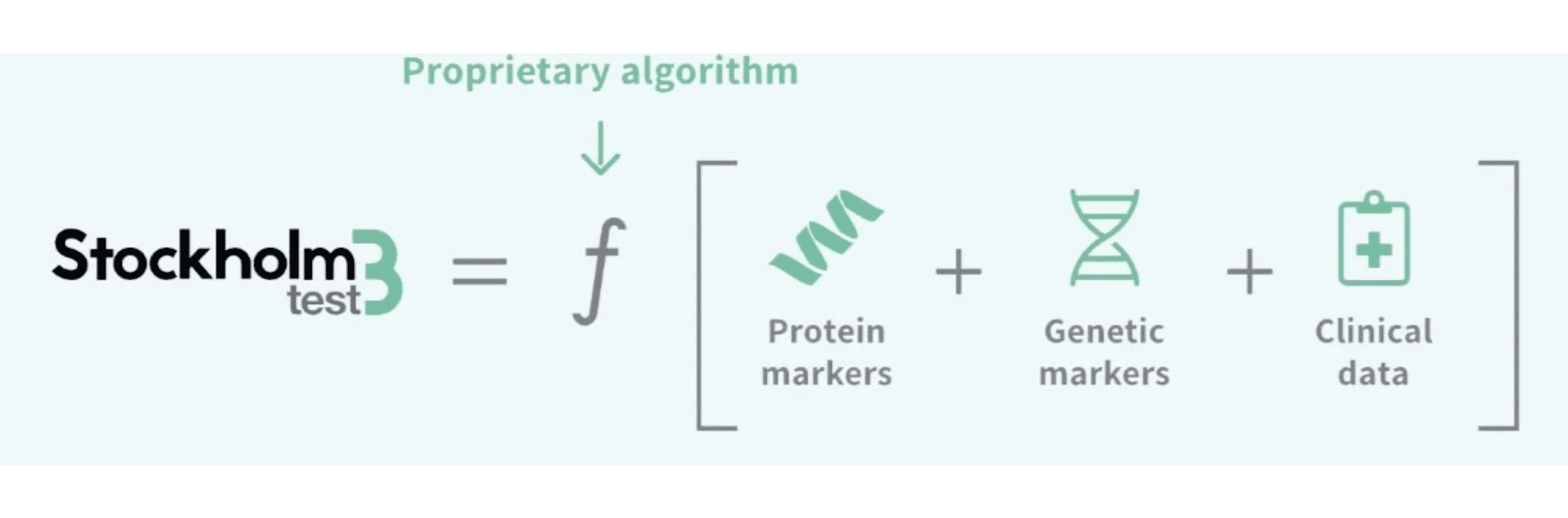
The Stockholm3 test (STHLM3) is an innovative approach that combines: ✅ Biomarkers (blood-based indicators of prostate health) ✅ Genetic testing (to assess hereditary cancer risks) ✅ Clinical data (age, family history, and other risk factors)
How Does Stockholm3 Improve Prostate Cancer Diagnosis?
A major study found that Stockholm3 reduced the need for prostate biopsies by 32% while maintaining high accuracy in detecting aggressive cancers.
Reflex Testing: Enhancing PSA Results with Greater Accuracy
At our Fulham private GP clinic, we understand the importance of precision in diagnostics. The Stockholm3 test acts as a reflex test, meaning:
If PSA levels are elevated, Stockholm3 analyzes additional risk factors to determine whether a biopsy is truly needed.
This prevents unnecessary biopsies while still identifying high-risk patients.
By integrating Stockholm3 testing into our private GP services in London, we offer a more tailored, patient-friendly approach to prostate cancer screening.
Stockholm3’s Global Success: A Reliable Test for All Ethnicities
One concern with many prostate cancer screening tests is their effectiveness across different ethnic groups. The SEPTA trial, conducted in North America, confirmed that Stockholm3 is highly accurate across diverse populations, showing:
Better specificity (fewer false positives)
Non-inferior sensitivity (still detects all significant cancers)
This is a crucial breakthrough, as ethnicity is a known risk factor for prostate cancer. At our private GP clinic in London, we strive to provide the best screening options for all patients.
The Future of Prostate Cancer Screening in London
Advancements like Stockholm3 represent a major step forward in prostate cancer detection. As we move toward a more personalised, risk-based approach, our clinic is committed to offering the most advanced screening technologies available.
If you’re considering prostate cancer screening in Fulham, our expert private GPs provide: ✅ Comprehensive prostate health assessments ✅ Advanced genetic testing ✅ Cutting-edge screening methods
Book a Prostate Cancer Screening with a Private GP in Fulham
Early detection saves lives, but screening should be accurate and stress-free. At our London private GP surgery, we offer advanced prostate cancer screening that helps you avoid unnecessary biopsies while ensuring your health remains a top priority.
🔹 Contact us today to book a prostate health consultation at our Fulham GP clinic.
DR LUCY HOOPER MB BS BSc MRCGP MA DRCOG DCH
Lucy is a GP and co-founder of Coyne Medical. She graduated with honours from Imperial College London, trained at St Mary’s Hospital, and holds a Master’s in Medical Ethics and Law. Her clinical interests span women’s health, preventive medicine, and genomics, with a particular focus on using advanced biomarkers to build a more complete picture of long-term health.
British Society for Genetic Medicine · European Atherosclerosis Society · Independent Doctors Federation
As seen in BBC, The Guardian, Women’s Health, The Times and Tatler
For educational purposes. This article is written by a practising GP and is intended to inform, not replace a consultation with your own doctor. It does not constitute medical advice. A note on clinical guidelines: Coyne Medical is an independent private clinic. Our approach is guided by the best available evidence, tailored to each individual. This may go beyond standard NHS or NICE guidance, which is designed for population-level care and weighted by resource constraints.
The Subtle Art of Dodging a Biopsy Needle: Insights into Prostate Cancer Screening
Imagine for a moment, a routine test that’s as easy as a light morning jog but as nerve-wracking as a Six Nations Grand Slam decider. That’s the prostate-specific antigen (PSA) test. For many, it’s a simple, non-invasive blood test. Yet, it’s shadowed by the anxiety of what might follow. It’s cheap, it’s easy, but with its low specificity, the real cost might be unnecessary worry and invasive follow-ups.
The Science Behind PSA and its Limitations
PSA testing is a frontline defender in the battle against prostate cancer. Yet, its role has sparked as much debate as it has admiration. Why? Because elevated PSA levels don’t exclusively point to cancer. From benign prostate enlargement to prostate inflammation, several non-cancerous conditions can set that needle twitching. This leads to a cascade of often unnecessary biopsies. The result is overdiagnosed patients living with the label of a cancer that would have remained harmless.
Innovations in Prostate Cancer Screening: The Stockholm3 Study
Enter the Stockholm3 (STHLM3) test, a sophisticated algorithm developed by Grönberg et al. The Stockhol3 sounds like the name of an Indie band. However, it could be likened to a finely tuned diagnostic orchestra. The exact opposite of the chaos you might encounter at your child’s assembly. This orchestra, however, is playing a symphony of biomarkers, genetic markers, and clinical data. It is designed to harmonise the detection of significant cancers while reducing the cacophony of unnecessary biopsies. The STHLM3 study showed a reduction in prostate biopsies by 32% compared to PSA testing alone, without missing a beat on detecting high-grade cancers.
Diving Deeper: The Reflex Test and its Importance
The refinement doesn’t stop there. The STHLM3 serves as a reflex test in prostate cancer screening. As such it steps in when PSA levels rise to discern whether that rise truly suggests cancer. This selective approach ensures that only men at higher risk face the biopsy needle. This is a smarter, strategy that not only spares unnecessary pain but also cuts through the cloud of anxiety that hovers over many after a PSA test. The National Institute of Clinical Excellence carried out an innovation briefing on the Stockholm3. The briefing noted “that the technology has the potential to improve diagnostic accuracy leading to a reduction in unnecessary MRI and biopsies.” Prostate Cancer Research has asked that such tests become more widespread.
Global Validation and Ethnic Diversity
The STHLM3’s performed well in Sweden. However, the question remained: How well does it perform on the world stage? The SEPTA trial aimed to answer just that, testing Stockholm3 across a variety of ethnic groups in North America. Sensitivity in medical testing refers to the ability of a test to correctly identify those with the disease (the true positive rate). In contrast, specificity measures a test’s ability to correctly identify those without the disease ( the true negative rate). The trial demonstrated non-inferior sensitivity and a significant boost in specificity. This suggests that Stockholm3 could reduce unnecessary biopsies across ethnically diverse populations without missing those cancers that truly threaten well-being. This is, of course, incredibly useful for us given that we are based in London with it’s immense ethnic diversity.
Looking Forward: The Impact of Stockholm3 on Prostate Cancer Screening
New technologies in medicine are being rapidly developed. We are on the cusp of a new era in medical diagnostics. The Stockholm3 model presents a beacon of hope. It promises a future where the fear of overdiagnosis is significantly diminished. It also offers a journey from prostate cancer screening to diagnosis that respects both the mental and physical sanctity of patients. It’s also a testament to how far we’ve come in understanding and managing prostate cancer.
Conclusion
In an era where medical technology leaps forward by bounds, the evolution of prostate cancer screening from PSA to Stockholm3 is not just about scientific achievement. It’s about managing the delicate balance between vigilance and quality of life. In medicine, we don’t always get that right. For those facing the spectre of prostate cancer, it offers a new narrative, one where the screening process is as thoughtful and refined as the care they deserve.
Contact us at contact@coynemedical.com to book your Stockholm3 test.
Dr Hugh Coyne is a GP and co-founder of Coyne Medical, a private preventive health clinic at 660 Fulham Road, London. He trained at Imperial College London and has been in practice for over twenty years, with a particular focus on cardiovascular risk, metabolic health, and exercise medicine. After qualifying as a GP he went on to train in sport and exercise medicine, bringing a distinctly practical approach to prevention and long-term health.
British Association of Sports and Exercise Medicine · European Atherosclerosis Society · Independent Doctors Federation
As seen in The Independent, The Daily Mail and Tatler
For educational purposes. This article is written by a practising GP and is intended to inform, not replace a consultation with your own doctor. It does not constitute medical advice. A note on clinical guidelines: Coyne Medical is an independent private clinic. Our approach is guided by the best available evidence, tailored to each individual. This may go beyond standard NHS or NICE guidance, which is designed for population-level care and weighted by resource constraints.
In London, as parents and children gear up for the 11-plus exams, the academic pressure can be palpable. The pursuit of academic excellence, while commendable, brings with it a level of stress that can profoundly impact our children. Amidst this academic hustle, the importance of mental health cannot be overstated. This is particularly the case when research shows that maintaining physical fitness could be a key component in supporting mental well-being.
Understanding the Connection Between Fitness and Mental Health
A comprehensive study from Taiwan observed over 1.9 million young participants. It highlights a compelling link between physical fitness and reduced risks of mental disorders like anxiety, depression, and ADHD. This decade-long research meticulously monitored children from the age of 10 through their formative years. It focuses on various aspects of physical fitness including cardiorespiratory fitness, muscular endurance, and muscular power.
Fitness as a Counterbalance to Academic Stress
The findings revealed that children who engaged in regular physical activity and scored higher in fitness tests were less likely to develop mental health issues. Specifically, enhanced cardiorespiratory fitness, demonstrated by quicker 800-m run times, significantly lowered the incidence of anxiety and depression. This was especially noted among female students. Improved muscular strength also correlated with decreased mental health risks across all participants.
These results suggest that while academic achievements are important, incorporating physical fitness into a child’s routine can provide a critical balance. The mental resilience built through regular physical activity not only helps in managing academic pressures but also fosters overall well-being.
Practical Tips for Parents
For parents navigating the stresses of the 11-plus exams, here are some actionable tips to integrate fitness into your child’s routine:
Encourage Daily Physical Activity: Simple activities like walking, cycling, or playing in the park can be effective. Aim for at least an hour of physical activity a day, which can be broken down into manageable segments.
Incorporate Exercise into Family Time: Whether it’s a weekend hike, a family game of football, or a dance-off in the living room, making exercise a family affair increases enjoyment and commitment.
Balance Routine: While study schedules are important, ensure that your child has enough time for physical activities. This not only breaks the monotony but also increases blood flow to the brain, potentially boosting cognitive functions.
Monitor Stress Levels: Stay attuned to your child’s emotional state. High stress can reduce academic performance and affect mental health. Encouraging regular physical activity can be a natural stress reliever.
The Bigger Picture
Schools and sports clubs play a pivotal role by providing adequate facilities and opportunities for sports and other physical activities. These institutions can be instrumental in emphasising the importance of a balanced approach to education and health.
Conclusion: Holistic Development
As London’s parents and children navigate the challenges of academic preparations, it’s crucial to remember that success is not just about passing exams but also about developing a well-rounded, healthy individual. Physical fitness should be as much a priority as academic preparation, not only for mental health benefits but also for instilling a lifelong habit of wellbeing.
While the academic rigours of the 11-plus exams are important, integrating physical fitness into your child’s daily routine could be the key to a happier, healthier, and more successful student. Let’s ensure that our children’s journey towards academic excellence includes a healthy dose of play and physical activity.
Dr Hugh Coyne is a GP and co-founder of Coyne Medical, a private preventive health clinic at 660 Fulham Road, London. He trained at Imperial College London and has been in practice for over twenty years, with a particular focus on cardiovascular risk, metabolic health, and exercise medicine. After qualifying as a GP he went on to train in sport and exercise medicine, bringing a distinctly practical approach to prevention and long-term health.
British Association of Sports and Exercise Medicine · European Atherosclerosis Society · Independent Doctors Federation
As seen in The Independent, The Daily Mail and Tatler
For educational purposes. This article is written by a practising GP and is intended to inform, not replace a consultation with your own doctor. It does not constitute medical advice. A note on clinical guidelines: Coyne Medical is an independent private clinic. Our approach is guided by the best available evidence, tailored to each individual. This may go beyond standard NHS or NICE guidance, which is designed for population-level care and weighted by resource constraints.
It’s a well-accepted tenet in fitness circles that protein reigns supreme when it comes to building muscle. Protein remains the cornerstone of muscle hypertrophy. However, a recent study from the University of Padova has shed light on an assortment of other nutrients that play critical roles in enhancing muscle response to resistance training. In this blog, I’ll delve deeper into how these nutrients support muscle growth and repair.
Protein: The Foundation of Muscle Synthesis
Protein is the most potent nutritional stimulus for building muscle. In scientific terms building muscle is described as muscle protein synthesis (MPS). The body uses the amino acids from dietary protein to repair and build muscle fibres. Current guidelines suggest varying levels of protein intake. A minimum of 0.8 g/kg of body weight has been suggested as being generally sufficient for non-active individuals. While as much as 2.4 g/kg is proposed for those engaged in rigorous strength training. However, the lower end of this spectrum is often considered inadequate for optimising muscle hypertrophy. This is particularly the case in those actively training. These levels of protein intake might not fully support the enhanced demands for muscle repair and growth in people who are training. And everyone who does not have an illness should be training. Studies suggest that people building muscle mass and strength need at least 1.7 g/kg of protein on non-training days to optimise muscle hypertrophic response. Even the need of protein to support muscle repair for an endurance athlete may be higher than it was previously thought. It should be (1.6–1.83 g/kg) and even higher the day following a training session.
Dietary protein supplementation stimulates MPS and is essential for hypertrophy. Key studies like those by Moore et al. (2009) highlight that protein intake after resistance training significantly enhances MPS. Optimal protein intake per meal is suggested around 20-25 grams to maximise muscle growth. Just this year a study by Trommelen and colleagues (2023) investigated consuming even higher doses of protein. They showed that the ingestion of 100 g of protein resulted in a greater and more prolonged (>12 h) anabolic response when compared to the ingestion of 25 g of protein. These findings suggest that the anabolic response to protein ingestion likely has no upper limit.
Carbohydrates: More Than Just Fuel
While their primary role is to replenish muscle glycogen, carbohydrates also enhance muscle recovery and growth. They do this by spiking insulin level. Yes, spikes in insulin are not all bad! Insulin is a potent anabolic hormone that improves glucose and amino acid uptake by muscles. Thus, facilitating muscle repair and growth after training.
Carbohydrates do not directly contribute to MPS but play a supportive role. Studies such as those by Glynn et al. (2013) indicate that consuming carbohydrates and protein post-exercise can enhance the insulin response. This likely increases MPS indirectly through improved nutrient delivery and anabolism.
Creatine: Enhancing Energy and Growth
Creatine supplementation increases phosphocreatine stores within the muscle. These are essential for ATP regeneration during short, intense bursts of activity such as lifting weights or sprinting. This increase in available energy can significantly enhance muscle strength, power, and size. Creatine also helps increase muscle cell volume. This plays a role in muscle growth signalling pathways.
Creatine supplementation has been very widely researched. Numerous studies have supported its efficacy in improving strength and muscle mass. For instance, research by Branch (2003) demonstrates that creatine enhances phosphocreatine recovery between sets. Therefore, creatine allows greater work output and training volume. These are both critical for stimulating MPS.
The International Society of Sport Nutrition (ISSN) and the IOC consensus statement have released updated position statements on creatine monohydrate (CM). These suggest that the most effective strategy for increasing creatine stores is splitting supplementing into different phases. The first phase is the so called “loading phase.” During this phase 20.9 ± 4.5 g/day should be divided into four equal daily doses (5 g/dose or ~0.3 g/kg body weight). The loading phase lasts for 5–7 consecutive days. The subsequent phase of the protocol requires a “maintenance phase.” In this phase, 3–5 g of CM is taken daily for the entire duration of the supplementation period. Consuming carbohydrates and proteins (~50 g of proteins and CHO) increases the retention of creating muscle. An effect that is mediated via insulin.
A second protocol involves the ingestion of 3 g/day of CM for 28 days. This is the approach that I take as it has fewer gastrointestinal side effects. But, until muscle creatine levels are completely saturated, it has lesser effects on exercise performance.
Omega-3 fatty acids, particularly EPA and DHA, are known for their anti-inflammatory properties. They help modulate the inflammation induced by rigorous training. This attenuation of inflammation supports muscle recovery and growth. Omega-3s also enhance the insulin sensitivity of muscles. This can further support muscle health by improving muscle nutrient delivery and reducing muscle breakdown.
Omega-3s have been shown to not only reduce inflammation. It has been suggested that they increase MPS. Smith et al. (2011) found that omega-3 fatty acid supplementation effectively increased the mTOR pathway’s sensitivity to amino acids in humans. mTOR plays a vital role in muscle protein synthesis. Hence Omega-3 fatty acids stimulate muscle protein synthesis and may be useful for this purpose as a supplement.
Vitamin D: A Direct Role in Muscle Function
Vitamin D is crucial for more than just bone health. It directly influences muscle function and strength. It enhances the transcription of genes involved in muscle contraction and protein synthesis. Furthermore, vitamin D is involved in calcium regulation. Calcium is a key mineral in muscle contraction and signalling pathways related to muscle growth.
The evidence for protein, carbohydrates, creatine, omega-3s, and vitamin D is robust. Yet, several other nutrients have been studied for their potential supportive roles in muscle health and hypertrophy:
Emerging and Supportive Roles in Muscle Health
Magnesium and Zinc: Both are essential for muscle function and protein synthesis. Magnesium plays a pivotal role in energy production and electrolyte balance. These are crucial during intense training sessions. Zinc is critical for hormone regulation, including testosterone. Of course testosterone significantly impacts muscle growth and repair. However, the evidence linking direct supplementation with enhanced muscle hypertrophy is less conclusive than for the primary nutrients.
Chromium: This mineral is known for enhancing insulin action. This potentially affects muscle protein synthesis by improving nutrient delivery to muscles. Still, direct impacts on muscle mass or strength are not well-supported by current research.
Polyphenols: Found in fruits, vegetables, and teas, polyphenols like resveratrol and quercetin have anti-inflammatory and antioxidant properties. They may help reduce oxidative stress and support muscle recovery post-exercise. However, their direct impact on muscle growth is less understood.
Prebiotics and Probiotics: These influence gut health. Our gut health can indirectly affect nutrient absorption and inflammation. Both of these factors are important for muscle health. While promising, the direct evidence linking these supplements with improved muscle hypertrophy is still emerging.
Conclusion
To truly optimise muscle growth and recovery, it’s crucial to consider a broad spectrum of nutrients beyond just protein. Protein, carbohydrates, creatine, omega-3s, and vitamin D form the backbone of a muscle-friendly diet. Yet, emerging evidence suggests that other nutrients like magnesium, zinc, chromium, polyphenols, and gut health supplements can also play supportive roles. Tailoring your diet to include a wide range of these nutrients can help maximise your training results. This will ensure that every workout brings you closer to your strength and muscle growth goals.
Dr Hugh Coyne is a GP and co-founder of Coyne Medical, a private preventive health clinic at 660 Fulham Road, London. He trained at Imperial College London and has been in practice for over twenty years, with a particular focus on cardiovascular risk, metabolic health, and exercise medicine. After qualifying as a GP he went on to train in sport and exercise medicine, bringing a distinctly practical approach to prevention and long-term health.
British Association of Sports and Exercise Medicine · European Atherosclerosis Society · Independent Doctors Federation
As seen in The Independent, The Daily Mail and Tatler
For educational purposes. This article is written by a practising GP and is intended to inform, not replace a consultation with your own doctor. It does not constitute medical advice. A note on clinical guidelines: Coyne Medical is an independent private clinic. Our approach is guided by the best available evidence, tailored to each individual. This may go beyond standard NHS or NICE guidance, which is designed for population-level care and weighted by resource constraints.
Every day, 11 women in the UK lose their lives to ovarian cancer. This disease claims more lives than all other gynaecological cancers combined. Tragically, most cases are diagnosed at an advanced stage—stage 3 or 4—where the survival rate for stage 4 is a mere 15%. However, if detected early, at stage 1, the five-year survival rate soars to 95%.
Ovarian cancer is shrouded in myths and misconceptions, leading to a lack of awareness among both women and healthcare professionals about effective prevention and early detection methods. With advancements in science, we now have the tools to detect this disease early and, in some cases, prevent it altogether, significantly improving survival rates.
This video is essential viewing for anyone with a family history of ovarian cancer, anyone with ovaries, or anyone who cares about someone with ovaries. Join us as we dispel myths, spread awareness, and empower you with life-saving knowledge about ovarian cancer.
Genetics of Ovarian Cancer
Let’s first talk about the genetics of ovarian cancer.
About 20% of ovarian cancers are caused by a genetic variant inherited from a parent. You might have heard people describing this as having inherited a “gene mutation” or “faulty gene”.
The most common genes involved in this are BRCA1 Or B-R-C-A-1 and BRCA2.
If you have inherited a harmful copy of one of these genes, we medically call this having a “pathological” variant. For patients, this might mean your risk of ovarian cancer might be up to 60% in your lifetime. BRCA1 and 2 are not the only genes which are linked to ovarian cancer, there are other genes which are less common and carry different risks.
Angelina Jolie famously shared her story of finding out about her BRCA 1 mutation in 2013 in the New York Times. I think she really helped to open the conversation around genetic screening for lots of women. She had sadly already lost her mother to cancer, who was diagnosed with breast and ovarian cancer. Angelina Jolie chose to have risk-reducing surgery. Since then many other women have followed in her footsteps, talking about their genetic mutations and surgical decisions such as Christina Applegate, Sharon Osborne and many not so close to Hollywood like me.
So who should have genetic screening?
I want to share the words of Dr Mary-Claire King, she is the scientist who first identified the BRCA1 gene in 1990.
She says “To identify a woman as a carrier only after she develops cancer is a failure of cancer prevention,”.
I whole heartedly agree with her. Despite the passing of decades since the discovery of the BRCA1 gene far too many people only find out they carry a gene after a cancer diagnosis in themselves or someone they love.
Over 95% of women who have inherited a harmful variant in BRCA1 or BRCA2 are undiagnosed in the UK. That’s hundreds of thousands of people who don’t know they are at high risk of cancer, ovarian cancer, plus breast cancer and more.
I am extremely fortunate to have been able to access private genetic screening. And I am passionate about bringing this option to more patients and am proud we are able to offer this at Coyne Medical. We can take a sample in clinic after talking through the options, we usually test for multiple cancer genes linked to several cancers including ovarian, breast, colon and more. We only test for genetic changes which are linked to proactive steps you can take to reduce your risk. Such as recommendations for extra screening or checks.
But I know that is not an option for all patients, so I was also delighted that in March this year, the guidelines on NHS funded testing were updated by NICE. They now recommend that anyone who has a family history of ovarian cancer in a first or second degree relative be considered for genetic testing.
A first-degree relative is for instance parent or sister. A second-degree relative is much broader and includes grandparents, aunts, nieces or half-sisters. This includes relatives on either your mum or dad’s side of the family. So if private testing is not an option for you do speak to your GP about the new guidelines. In the past it may be that you were denied testing on the NHS but could now be eligible.
What if you don’t have any family history of ovarian cancer?
Yes, you can still have genetic screening. Traditionally we have only screened patients with a family history. We know from large studies on breast and ovarian cancer that if we only use the family history criteria we will miss over 50% of people with a pathological mutation in BRCA1 or BRCA2. So if you really want toif you want to get serious about optimising your cancer screening and prevention we think genetic screening is crucial. You don’t want to be one of the patients that only find out after they get cancer, knowing you might have been able to prevent it earlier.
Personally, I know the truth behind the statistics. I tested positive for a pathological variant in a gene called PALB2 in 2021. It puts me at increased risk of ovarian cancer and breast cancer. I did not meet the traditional criteria for genetic testing and would not have known without choosing to have private genetic screening. I feel incredibly lucky I found my gene mutation while I was completely healthy, instead of after having a cancer. I have been able to join Angelina Jolie in choosing preventative risk-reducing surgery. To know my risk and then take action to reduce my risk of cancer feels like a very special gift. I would love to see more women share this.
Could a family history of other cancers be linked to ovarian cancer?
Yes, many of the genes that increase the risk of ovarian cancer are linked to other cancers.
If your family history includes breast cancer, pancreatic cancer or prostate cancer. Those are all flags that you have a higher chance of having inherited a gene mutation. We would certainly encourage you to consider genetic screening.
And it’s not just women. We would also encourage men with a family history of these cancers to consider genetic screening. Finding a gene mutation will help us manage their health risks and cancer screening. But it will also potentially help their daughters, granddaughters, nieces, sisters…
MYTH is that: “It doesn’t matter as there is no family history on my Mum’s side.”
Wrong. You can inherit these gene mutations from either your mother or father.
Women who inherit from their Dad are more often missed. Men are less likely to get breast cancer and can’t get ovarian cancer. So for their daughter their family history often appears less worrying. The same is true for people from small families. A history of cancer in a grandmother or aunt on Dad’s side of the family, is often not talked about or not seen as a big risk factor. I would encourage everyone to find out the most they can about their family history. During the dark days of the first lockdown I started researching my family tree which has been fascinating. After I discovered that I had a gene mutation I searched in more detail and got a copy of my great grandmother’s death certificate, this showed she had died from breast cancer in her 40’s. I almost certainly inherited my mutation from her. So get talking to relatives if you can or use the wonders of the internet to do a bit more research. Of course, we focussed on ovarian cancer today but family history of all cancers as well as other diseases such as heart attacks are also really important information.
Do you have any Jewish ancestry?
Having a parent or grandparent of Jewish ancestry is a big risk factor for inheriting a BRCA1 or BRCA2 genetic variant, up to a 1 in 40 chance. We would recommend all people with this risk factor use genetic screening to find out if they carry a high-risk mutation. The NHS has recently started a project offering testing for gene variants in only the BRCA1 and BRCA2 genes, as these are the genes which are more commonly mutated in those with Jewish ancestry, if you’re interested you can find out more about the project online and I’ll put the link to that in our notes.
How does finding a high-risk ovarian cancer gene help you prevent cancer?
Some women will opt to have their ovaries and fallopian tubes removed. Especially if they have already entered menopause, you could say they are no longer serving any purpose so why keep them and add to your cancer risk?
The decision can be more difficult for younger women, for whom surgery will bring on an early menopause and impact on their choices for fertility. It is important that women in this scenario get the best advice on which option is best for them. And their options for pregnancy in the future.
There is a brilliant UK study called “Protector”, it is led by Professor Ranjit Manchanda, who is a great advocate for increasing access to genetic screening for women. The study offers women who want to keep their ovaries the option of removing their fallopian tubes only initially, followed by removal of the ovaries at a later date. We know many ovarian cancers start at the end of the fallopian tubes where they meet the ovaries. The study wants to show this option can help women who wish to delay their surgery, so this option could help reduce risk without the negative impact of menopause in younger women. Both surgical options are big decisions, and need careful thinking through the pros and cons so each woman can find the right decision for her health. Thankfully the actual surgeries are usually laparoscopic or keyhole operations, and can usually be done as a daycase procedure.
Can I do anything else to prevent ovarian cancer?
Yes, there are lots of factors we can focus on to reduce the risk of ovarian cancer. And they will also reduce your risk of lots of other cancers such as breast and colon cancer. Keeping a healthy weight and not smoking are the two biggest risk factors which you can control. The combined oral contraceptive pill also reduces risk, even if only taken for a short period of time. The protection from taking the pill also persists, so the positive benefit continues for several years after stopping the pill. For high-risk women though such as having a BRCA1 or 2 mutation the combined oral contraceptive increases the risk of breast cancer so it may not be suitable as an option. Breastfeeding is protective for ovarian cancer risk, with a 24% risk reduction. I know personally breastfeeding can be really challenging, certainly the hardest part of life as a new mum with my first baby. So I am really conscious of not adding to the mummy guilt with this but if you have a family history it is good to know that this choice could have a positive impact on your own health. Having children reduces the chance of having ovarian cancer. Of course not alone a reason to have a baby! There has been a lot of concern about using talcum powder on the genital area and ovarian cancer, the evidence is mixed but it is sensible to avoid this.
Early Detection
But now let’s think about early detection. For those cancers we can’t prevent, we need to diagnose them as early as possible. Early diagnosis is vital. Sadly two-thirds of women are diagnosed at a late stage.
If we can diagnose women early at stage 1 the survival rate is over 94% at 5 years, versus only 16% for women diagnosed at stage 4. So how can we screen you for ovarian cancer and detect it early?
For women who do not have a high-risk gene mutation we don’t routinely recommend all women using ultrasound or the CA125 blood test for ovarian cancer screening because the biggest UK trial didn’t show this could improve survival in women. They studied over 200,000 women over about 16 years, split into 3 groups, no screening, screening with an ultrasound scan and screening with an ultrasound scan and a blood test for CA125. The results showed women screened with an ultrasound and the CA125 blood test did seem to be diagnosed with cancer at an earlier stage, but they couldn’t show this saved a significant number of lives. We know the CA125 blood test is not perfect, it can give “false alarms”, as other conditions like endometriosis or fibroids can cause high CA125 levels too.
But the results were different in women who have are at “high risk” such as with a BRCA gene mutation, they are now recommended to consider regular screening with CA125 blood test and a special algorithm for monitoring their results called ROCA. The test has been available privately for some time but this is a new recommendation in 2024 for the NHS and not yet easily available nationally but hopefully this will change soon. The ROCA test has been show to detect ovarian cancer earlier, before symptoms appear. For high-risk women they can have this done 3 times a year, the results will be tracked and if a significant increase is noted this will prompt more tests. This might be a good option for high-risk gene carriers to consider, especially if you have decided against surgery or are waiting to have done at an older age.
Are there are any other ways of screening for ovarian cancer?
Yes we now have a new blood test that can be used to screen for ovarian cancer. It uses a normal blood sample taken in the clinic and the laboratory to look for ‘circulating tumour cells’, (CTCs). When a cancer or ‘tumour’ starts to grow in the body some of the cells will get into the bloodstream called CTCs. The really exciting part of this is that these CTCs can be found in early-stage 1 cancers.
The blood test is called a Multi Cancer Early Detection test, we offer tests by Trucheck that can either focus on female cancers, including breast and ovarian cancer, or we can screen for up to 70 solid organ tumours. We offer this test at Coyne Medical, always after a full consultation with the doctor to understand if it’s the right test for you. We always want to make sure that patients are up to date with their standard cancer screening as these newer tests should be seen as a great optional add-on.
Likewise we also use whole-body MRI scans as an add-on cancer screening tool. These scans from from head through the neck, chest and abdomen to the pelvis. In the pelvic area they can detect cysts or fluid which can indicate an ovarian cancer. In large studies of whole-body MRI the rate of detecting a cancer is 1 to 2% in healthy adults over 40, but this has to be balanced against finding small ‘abnormalities’ which can cause stress and need further checks. That’s why it’s important you go through the possibilities with your doctor before testing. As well as making sure your doctor is there to support you through the results and any follow-up.
MYTH: “A smear test checks for ovarian cancer.”
This is sadly common, about 1 in 4 women think this is true but sadly not. Cervical screening will not detect ovarian cancer. Though it is a really important cancer screening to make sure you are up to date with.
Knowing the symptoms is key for every woman
Symptoms to watch for include:
Persistent increase in abdominal size or bloating (not bloating that comes and goes)
Persistent pelvic and abdominal pain
Unexplained change in bowel habits
Difficulty eating and feeling full quickly, or feeling nauseous
Needing to urinate (wee) more regularly
Other symptoms can include tiredness, losing weight, pain during sex, and back pain. These can be symptoms of many other conditions too so don’t panic but see your doctor. Your doctor might check a blood test called CA125 and you may also need an ultrasound scan.
Knowledge is Power
Knowledge is power, yet many women and doctors are not well-informed about ovarian cancer. A study by Target Ovarian Cancer found that less than 5% of women felt confident recognizing its signs. Surprisingly, many doctors also mistakenly believe that symptoms only appear in the late stages of the disease.
We’re committed to empowering women with the knowledge they need to make informed health decisions. If you know other women who could benefit from this information, please share it with them. Together, we can spread awareness and equip more women with the knowledge they need.
Follow us if you’d like to learn more about disease prevention and early detection.
Evans, D.G., Shenton, A., Woodward, E. et al. Penetrance estimates for BRCA1 and BRCA2based on genetic testing in a Clinical Cancer Genetics service setting: Risks of breast/ovarian cancer quoted should reflect the cancer burden in the family. BMC Cancer 8, 155 (2008). https://doi.org/10.1186/1471-2407-8-155
National Institute of Clinical Excellence. Ovarian cancer: identifying and managing familial and genetic risk, NICE Published 21/3/2024, [https://www.nice.org.uk/guidance/ng241] Accessed 8 May 2024.
Beitsch PD, Whitworth PW, Hughes K, Patel R, Rosen B, Compagnoni G, Baron P, Simmons R, Smith LA, Grady I, Kinney M, Coomer C, Barbosa K, Holmes DR, Brown E, Gold L, Clark P, Riley L, Lyons S, Ruiz A, Kahn S, MacDonald H, Curcio L, Hardwick MK, Yang S, Esplin ED, Nussbaum RL. Underdiagnosis of Hereditary Breast Cancer: Are Genetic Testing Guidelines a Tool or an Obstacle? J Clin Oncol. 2019 Feb 20;37(6):453-460. doi: 10.1200/JCO.18.01631. Epub 2018 Dec 7. PMID: 30526229; PMCID: PMC6380523. https://www.ncbi.nlm.nih.gov/pmc/articles/PMC6380523/
Petrucelli N, Daly MB, Pal T. BRCA1- and BRCA2-Associated Hereditary Breast and Ovarian Cancer. 1998 Sep 4 [Updated 2023 Sep 21]. In: Adam MP, Feldman J, Mirzaa GM, et al., editors. GeneReviews® [Internet]. Seattle (WA): University of Washington, Seattle; 1993-2024. Available from: https://www.ncbi.nlm.nih.gov/books/NBK1247/
Ozanne EM, O’Connell A, Bouzan C, Bosinoff P, Rourke T, Dowd D, Drohan B, Millham F, Griffin P, Halpern EF, Semine A, Hughes KS. Bias in the reporting of family history: implications for clinical care. J Genet Couns. 2012 Aug;21(4):547-56. doi: 10.1007/s10897-011-9470-x. Epub 2012 Jan 12. PMID: 22237666.
Metcalfe KA, Eisen A, Lerner-Ellis J, Narod SA. Is it time to offer BRCA1 and BRCA2 testing to all Jewish women? Curr Oncol. 2015 Aug;22(4):e233-6. doi: 10.3747/co.22.2527. PMID: 26300672; PMCID: PMC4530819.
Collaborative Group on Epidemiological Studies of Ovarian Cancer; Beral V, Doll R, Hermon C, Peto R, Reeves G. Ovarian cancer and oral contraceptives: collaborative reanalysis of data from 45 epidemiological studies including 23,257 women with ovarian cancer and 87,303 controls. Lancet. 2008 Jan 26;371(9609):303-14. doi: 10.1016/S0140-6736(08)60167-1. PMID: 18294997.
Babic A, Sasamoto N, Rosner BA, et al. Association Between Breastfeeding and Ovarian Cancer Risk. JAMA Oncol. 2020;6(6):e200421. doi:10.1001/jamaoncol.2020.0421
Merritt MA, Green AC, Nagle CM, Webb PM; Australian Cancer Study (Ovarian Cancer); Australian Ovarian Cancer Study Group. Talcum powder, chronic pelvic inflammation and NSAIDs in relation to risk of epithelial ovarian cancer. Int J Cancer. 2008 Jan 1;122(1):170-6. doi: 10.1002/ijc.23017. PMID: 17721999.
Cramer DW, Liberman RF, Titus-Ernstoff L, Welch WR, Greenberg ER, Baron JA, Harlow BL. Genital talc exposure and risk of ovarian cancer. Int J Cancer. 1999 May 5;81(3):351-6. doi: 10.1002/(sici)1097-0215(19990505)81:3<351::aid-ijc7>3.0.co;2-m. PMID: 10209948.
Menon U, Gentry-Maharaj A, Burnell M, Singh N, Ryan A, Karpinskyj C, Carlino G, Taylor J, Massingham SK, Raikou M, Kalsi JK, Woolas R, Manchanda R, Arora R, Casey L, Dawnay A, Dobbs S, Leeson S, Mould T, Seif MW, Sharma A, Williamson K, Liu Y, Fallowfield L, McGuire AJ, Campbell S, Skates SJ, Jacobs IJ, Parmar M. Ovarian cancer population screening and mortality after long-term follow-up in the UK Collaborative Trial of Ovarian Cancer Screening (UKCTOCS): a randomised controlled trial. Lancet. 2021 Jun 5;397(10290):2182-2193. doi: 10.1016/S0140-6736(21)00731-5. Epub 2021 May 12. PMID: 33991479; PMCID: PMC8192829.
Zugni F, Padhani AR, Koh DM, Summers PE, Bellomi M, Petralia G. Whole-body magnetic resonance imaging (WB-MRI) for cancer screening in asymptomatic subjects of the general population: review and recommendations. Cancer Imaging. 2020 May 11;20(1):34. doi: 10.1186/s40644-020-00315-0. PMID: 32393345; PMCID: PMC7216394.
DR LUCY HOOPER MB BS BSc MRCGP MA DRCOG DCH
Lucy is a GP and co-founder of Coyne Medical. She graduated with honours from Imperial College London, trained at St Mary’s Hospital, and holds a Master’s in Medical Ethics and Law. Her clinical interests span women’s health, preventive medicine, and genomics, with a particular focus on using advanced biomarkers to build a more complete picture of long-term health.
British Society for Genetic Medicine · European Atherosclerosis Society · Independent Doctors Federation
As seen in BBC, The Guardian, Women’s Health, The Times and Tatler
For educational purposes. This article is written by a practising GP and is intended to inform, not replace a consultation with your own doctor. It does not constitute medical advice. A note on clinical guidelines: Coyne Medical is an independent private clinic. Our approach is guided by the best available evidence, tailored to each individual. This may go beyond standard NHS or NICE guidance, which is designed for population-level care and weighted by resource constraints.
As a parent, your child’s health and well-being are always your top priority. Although severe illnesses like community-acquired pneumonia (CAP) are not that common, finding the most effective and safe treatment is still crucial. A recent systematic review, based on 16 randomised clinical trials, has shed light on the optimal duration of antibiotic treatment for children with CAP.
Insights from a Recent Review
The study’s primary objective was to compare the efficacy and safety of shorter-duration (≤5 days) versus longer-duration antibiotic treatments in children with CAP. The researchers conducted a thorough search across various databases to gather data from 16 randomised clinical trials involving 12,774 paediatric patients. All the participants were treated as outpatients with oral antibiotics.
The analysis revealed that there were no substantial differences between shorter-duration and longer-duration antibiotics in terms of clinical cure, treatment failure, and relapse rates. This suggests that the duration of antibiotic therapy may not significantly impact your child’s overall recovery from CAP.
Clinical Equivalence
Shorter-duration antibiotics did not appreciably increase the risk of mortality or severe adverse events when compared to longer-duration antibiotics. This finding provides reassurance that opting for shorter courses of antibiotics is unlikely to compromise your child’s safety.
The study indicated that shorter-duration antibiotics probably have little or no impact on the need for hospitalisation or the necessity to change antibiotics. This implies that choosing a shorter course of treatment is unlikely to result in a more severe illness requiring hospital care.
Safety Considerations
One of the key advantages of choosing shorter-duration antibiotics is a reduced risk of side effects. Prolonged antibiotic exposure can lead to adverse reactions, and by limiting the duration, we can minimise this risk.
Overuse of antibiotics can contribute to the development of antibiotic-resistant bacteria, making infections harder to treat in the future. By opting for shorter courses of antibiotics when appropriate, we can help combat the growing concern of antibiotic resistance.
Reducing Risks and Burden
Shorter-duration antibiotic therapy also brings relief to parents by reducing the overall administration burden. Fewer days of medication mean less hassle for both you and your child.
Positive Conclusions
Based on the findings of this comprehensive systematic review, shorter-duration antibiotic therapy appears to be just as effective and safe as longer-duration treatment for children with community-acquired pneumonia. Not only does this approach lead to similar patient outcomes, but it also reduces the risk of side effects, combats antibiotic resistance, and eases the burden on parents.
Collaboration with Healthcare Providers
As always, it is essential to follow your healthcare provider’s recommendations regarding your child’s treatment. If your child is diagnosed with pneumonia, have an open and informed discussion with their healthcare provider about the best course of action based on the severity of the illness and individual medical history. With the right care and attention, your child can recover from pneumonia and get back to being their happy and healthy selves.
Dr Hugh Coyne is a GP and co-founder of Coyne Medical, a private preventive health clinic at 660 Fulham Road, London. He trained at Imperial College London and has been in practice for over twenty years, with a particular focus on cardiovascular risk, metabolic health, and exercise medicine. After qualifying as a GP he went on to train in sport and exercise medicine, bringing a distinctly practical approach to prevention and long-term health.
British Association of Sports and Exercise Medicine · European Atherosclerosis Society · Independent Doctors Federation
As seen in The Independent, The Daily Mail and Tatler
For educational purposes. This article is written by a practising GP and is intended to inform, not replace a consultation with your own doctor. It does not constitute medical advice. A note on clinical guidelines: Coyne Medical is an independent private clinic. Our approach is guided by the best available evidence, tailored to each individual. This may go beyond standard NHS or NICE guidance, which is designed for population-level care and weighted by resource constraints.
Cardiovascular disease (CVD) remains the leading cause of death and disease for women worldwide. In Western countries, approximately 45% of women aged over 20 years are affected by CVD, and it accounts for one-third of all female deaths. Recognising the unique sex-specific aspects in preventing CVD is crucial as historically, studies in cardiovascular disease have frequently focused on men. Recently, there has been growing interest in studying menstrual cycle characteristics and their potential impact on cardiovascular health.
Regular menstrual cycles are a vital sign of women’s overall health, signalling normal functioning of the hypothalamic-pituitary-ovarian axis. However, about 20% of women of reproductive age experience irregular and long menstrual cycles due to endocrine disorders that disrupt this axis. These menstrual irregularities have been linked to several health conditions, including insulin resistance, metabolic disturbances, hyperandrogenism, and chronic inflammation. Consequently, they have been associated with an increased risk of coronary heart disease and related mortality, obesity, and type 2 diabetes.
To gain further insights into the connection between menstrual cycles and CVD, researchers conducted a large population-based cohort study using data from the UK Biobank. This study included over 58,000 women aged 40 to 69 years who had no pre-existing cardiovascular disease at the study’s outset. Participants were asked to report their current menstrual cycle length and regularity. The researchers followed these women for a median duration of 11.8 years, tracking the development of incident CVD cases through national health records and follow-up visits.
The study revealed some compelling associations between menstrual cycle characteristics and cardiovascular health. Here are the key findings:
Women with irregular menstrual cycles were found to have a 19% higher risk of CVD events, including heart disease and atrial fibrillation, compared to those with regular menstrual cycles.
Short (≤21 days) menstrual cycles were associated with a 29% higher risk of CVD events, while long (≥35 days) menstrual cycles showed an 11% increased risk. Specifically, short cycles were linked to a greater risk of coronary heart disease and myocardial infarction.
Both short and long menstrual cycles were associated with a higher risk of atrial fibrillation.
Interestingly, there was a significant interaction between irregular menstrual cycles and lower high-density lipoprotein cholesterol levels and smoking status, suggesting that these factors might influence CVD risk.
This study adds to the growing body of evidence suggesting that menstrual cycle characteristics throughout a woman’s reproductive lifespan could be associated with cardiovascular disease. Although the findings are significant, more research is needed to fully understand the underlying mechanisms and establish causality. Future studies are crucial to fill the remaining knowledge gaps and determine on how menstrual cycles might be prospectively linked to cardiovascular disease and subsequent events.
As we strive to ensure that women’s heart health is finally given the prominent status it deserves, understanding the potential impact of menstrual cycle characteristics on cardiovascular health becomes increasingly vital. The findings from the UK Biobank study provide valuable insights into the associations between irregular, short, and long menstrual cycles and CVD risk in women. Armed with this knowledge, women can take proactive steps towards better cardiovascular health. Regular check-ups, maintaining a healthy lifestyle, and discussing any menstrual irregularities with healthcare professionals can go a long way in safeguarding against CVD.
Dr Hugh Coyne is a GP and co-founder of Coyne Medical, a private preventive health clinic at 660 Fulham Road, London. He trained at Imperial College London and has been in practice for over twenty years, with a particular focus on cardiovascular risk, metabolic health, and exercise medicine. After qualifying as a GP he went on to train in sport and exercise medicine, bringing a distinctly practical approach to prevention and long-term health.
British Association of Sports and Exercise Medicine · European Atherosclerosis Society · Independent Doctors Federation
As seen in The Independent, The Daily Mail and Tatler
For educational purposes. This article is written by a practising GP and is intended to inform, not replace a consultation with your own doctor. It does not constitute medical advice. A note on clinical guidelines: Coyne Medical is an independent private clinic. Our approach is guided by the best available evidence, tailored to each individual. This may go beyond standard NHS or NICE guidance, which is designed for population-level care and weighted by resource constraints.
Introduction – The Future of Cancer Screening with Advanced Blood Tests
Cancer screening has taken a significant leap forward with the introduction of advanced blood tests like Trucheck™ and Galleri®. These innovative screening methods aim to detect cancer at its earliest stages, providing vital information for timely interventions and improved outcomes. In this blog, we will compare Trucheck™ and Galleri®, exploring their scientific principles, advantages, and considerations, to help you make informed decisions about cancer screening.
Trucheck™, developed by Datar Cancer Genetics, focuses on detecting circulating tumour cells (CTCs) and circulating ensembles of tumour-associated cells (C-ETACs) in peripheral blood samples. By employing primary negative enrichment, Trucheck™ enables the survival of malignant cells while allowing non-malignant cells to undergo apoptosis (programmed cell death). The subsequent analysis of tissue-specific markers on these cells helps identify cancer types and their likely organ of origin. Trucheck™ offers high sensitivity, specificity, and an overall advantage in detecting over 70 solid organ cancers.
Galleri® – Analyzing Cell-Free DNA (cfDNA) for Cancer Detection
Galleri®, another groundbreaking blood test, detects over 50 types of cancer and predicts the origin of cancer signals with high accuracy. This test examines the methylation patterns of cell-free DNA (cfDNA) found in the bloodstream. Methylation patterns, which regulate gene expression, can be altered in cancer, contributing to tumour growth. By leveraging next-generation sequencing (NGS) and machine-learning algorithms, Galleri® analyses the methylation patterns of cfDNA to identify cancer-specific abnormalities. These patterns provide valuable information about the presence and origin of potential cancers.
Accuracy & Sensitivity of Each Test
Trucheck™ demonstrates an overall sensitivity ranging from 82.5% to 88.2% for different cancer types. It boasts a specificity of 99%, correctly identifying 99 out of 100 individuals without cancer. False positives occur at an estimated rate of 1% to 3% according to the studies available so far. Trucheck™ has been designed as a complement to, not replacement for, standard cancer screening, offering peace of mind to individuals with negative results while prompting further tests or referrals for those with positive results.
Galleri®, as demonstrated in the SYMPLIFY study, achieved a sensitivity of 66.3% overall, ranging from 24.2% for stage I cancers to 95.3% for stage IV cancers. This demonstrates Galleri’s ability to detect cancer signals across various stages but that it is most reliable with later-stage tumours. With a positive predictive value (PPV) of 75.5% and a negative predictive value (NPV) of 97.6%, Galleri®shows promise in accurately identifying individuals with cancer. The test’s specificity stands at 98.4%, further enhancing its precision in distinguishing cancer from non-cancer cases.
Availability & Cost – Which Test is More Accessible?
Trucheck™ is available as a standalone test or add-on service for patients undergoing health screening at Coyne Medical and several other private clinics in London and beyond. It may not be covered by healthcare insurance or the NHS prior to a formal cancer diagnosis. Further diagnostic procedures and referrals prompted by positive results may require self-payment.
On the other hand, Galleri® is currently being evaluated in clinical trials and is not widely available outside of these trials. The SYMPLIFY study demonstrated its potential in a cohort of patients referred for diagnostic investigations related to suspected gynaecological, lung, and gastrointestinal cancers. It is not currently available in the UK in private care. It is only available through NHS research trials.
Considerations and Future Implications:
Both Trucheck™ and Galleri® have the potential to revolutionise cancer screening, but it’s important to consider certain factors. Trucheck™ offers a broader range of tests for different cancer types, while Galleri’s focus lies in detecting over 50 cancer types. Trucheck™ uses CTCs and their clusters as biomarkers, primarily for solid organ malignancies, whereas Galleri® examines cfDNA methylation patterns.
While Trucheck™ and Galleri® boast impressive sensitivity, it’s crucial to understand that false negatives can still occur. Neither test can replace standard screening methods such as mammograms, colon cancer screening, or cervical screening. Additionally, the emotional impact and potential for anxiety associated with both tests’ results should be taken into consideration.
Looking ahead, the development of advanced blood tests like Trucheck™ and Galleri® brings us closer to a future where early cancer detection becomes a reality. These tests have the potential to complement existing screening methods, offering individuals a comprehensive and personalised approach to cancer prevention and treatment.
Trucheck™ and Galleri® blood tests represent groundbreaking advancements in cancer screening, utilising cutting-edge technologies and scientific understanding to improve early detection rates. Trucheck™ focuses on CTCs, while Galleri® examines cfDNA methylation patterns. Both tests demonstrate considerable accuracy and hold promise for transforming cancer diagnosis and treatment.
It is essential to consult with healthcare professionals to determine the most suitable screening approach based on individual risk factors, age, and personal medical history. By considering these innovative blood tests alongside standard screening methods, we move closer to a future where early cancer detection becomes the norm, leading to better outcomes and improved quality of life. Trucheck™ cancer screening blood test is available at Coyne Medical. Learn more on our website here.
Book a Cancer Blood Test in London at Coyne Medical
It is essential to consult with healthcare professionals to determine the most suitable screening approach based on individual risk factors, age, and personal medical history. By considering these innovative blood tests alongside standard screening methods, we move closer to a future where early cancer detection becomes the norm, leading to better outcomes and improved quality of life. Trucheck™ cancer screening blood test is available at Coyne Medical.
Dr Hugh Coyne is a GP and co-founder of Coyne Medical, a private preventive health clinic at 660 Fulham Road, London. He trained at Imperial College London and has been in practice for over twenty years, with a particular focus on cardiovascular risk, metabolic health, and exercise medicine. After qualifying as a GP he went on to train in sport and exercise medicine, bringing a distinctly practical approach to prevention and long-term health.
British Association of Sports and Exercise Medicine · European Atherosclerosis Society · Independent Doctors Federation
As seen in The Independent, The Daily Mail and Tatler
For educational purposes. This article is written by a practising GP and is intended to inform, not replace a consultation with your own doctor. It does not constitute medical advice. A note on clinical guidelines: Coyne Medical is an independent private clinic. Our approach is guided by the best available evidence, tailored to each individual. This may go beyond standard NHS or NICE guidance, which is designed for population-level care and weighted by resource constraints.
25% of people continue to die from cardiovascular and heart disease.
Despite better modern management of risks like high blood pressure and cholesterol. Researchers suspected that there must be other things causing cardiovascular disease. Studies led to the discovery of a substance in the blood called lipoprotein (a). The level of lipoprotein (a) in the blood is different for everyone. Recent genetic studies proved that you inherit most of your high lipoprotein (a) levels. Your liver manufactures lipoproteins. They are a combination of fat and protein. Their job is to transport fats around the body in the blood. Lipoprotein (a) is a special combination, it includes a lipoprotein like LDL cholesterol, plus two more proteins, apolipoproteins A and B. The combination is very sticky and easily passes into the wall of the artery. This inevitably causes blockages of your blood vessels. So high lipoprotein (a) levels equal a high risk of cardiovascular disease.
Even people with amazing lifestyles and diets can have high levels. If you are reading this then there is at least a 10 to 20% chance you have a high lipoprotein (a) level. The only way to know your level is through a blood test. Most people only need to check once in their lifetime. High levels mean you are at high risk for heart attacks and stroke. This is true even if your blood pressure and cholesterol levels are “ok”.
Knowing you are at high risk we can then help you reduce that risk. We will look at all your cardiovascular risk factors and make a plan to optimise these. Knowing about a high lipoprotein (a) level can completely change treatment plans. We need to track your cholesterol measurements. The goals for your cholesterol need to be much lower to reduce your risk. This might mean using medicines to reduce targets like non-HDL cholesterol.
Ongoing drug trials show great promise. In the future, drugs might directly reduce lipoprotein (a) levels.
The European Society of Cardiology recommends measuring every adult’s lipoprotein (a) level. Unfortunately in 2022 the British Journal of Cardiology said “most clinicians are unaware of it”. We are passionate about the power of health screening to prevent disease. We recommend testing lipoprotein (a) levels for all adults. Because levels are mostly genetically determined, it only needs to be checked once. This helps our patients prevent cardiovascular disease. Because prevention is better than cure.
If you’re interested in learning more about lipoprotein (a) then check out Dr Hugh’s deep dive on lipids here.
DR LUCY HOOPER MB BS BSc MRCGP MA DRCOG DCH
Lucy is a GP and co-founder of Coyne Medical. She graduated with honours from Imperial College London, trained at St Mary’s Hospital, and holds a Master’s in Medical Ethics and Law. Her clinical interests span women’s health, preventive medicine, and genomics, with a particular focus on using advanced biomarkers to build a more complete picture of long-term health.
British Society for Genetic Medicine · European Atherosclerosis Society · Independent Doctors Federation
As seen in BBC, The Guardian, Women’s Health, The Times and Tatler
For educational purposes. This article is written by a practising GP and is intended to inform, not replace a consultation with your own doctor. It does not constitute medical advice. A note on clinical guidelines: Coyne Medical is an independent private clinic. Our approach is guided by the best available evidence, tailored to each individual. This may go beyond standard NHS or NICE guidance, which is designed for population-level care and weighted by resource constraints.
1 in 7 women in the Uk will have breast cancer in their lifetime.
Those rates are every decade. Knowing your breast density gives you more power to reduce your risk and catch cancers earlier.
The more ‘dense’ your breasts are the more likely you are to get breast cancer. About twice as likely as the ‘average’ woman. But it doesn’t end there, increased breast density also makes it much harder to find cancer on a mammogram (x-ray pictures of the breast tissue).
Breasts are a mixture of fat cells, glands and fibrous tissue. Fat shows up black on a mammogram (x-ray pictures of the breast tissue). Women with ‘extremely dense’ breasts have very little fat tissue in the breasts, their mammogram pictures look very white. Breast cancer also appears white on mammograms. So looking for cancers in dense breasts has been likened to looking for a white cotton ball in a snowstorm. It is very hard, the detection rate of mammograms can drop to as low as 24%.
We offer women over 40 years of age a breast density assessment with their annual mammogram screening. Mammograms are the only way to know your breast density. It is not the same as having large breasts or “lumpy” breasts.
We offer mammogram screening including breast density assessment to all women over 40. Breast density is categorised from A to D, groups C ‘heterogeneously dense’ and D ‘extremely dense’ are dense breasts. Offering women in groups C and D follow-up MRI or ultrasound scans can detect cancers missed by their mammogram.
We know detecting breast cancer early makes them easier to treat and improves long-term survival. 98% will survive over 5 years after a stage 1 breast cancer diagnosis versus only 1 in 4 (26%) diagnosed at stage 4. MRI scanning for women with ‘extremely dense’ breasts has been shown to reduce their risk of dying from breast cancer.
Breast density is so important, so if you have a friend or family member so talking about it and raising awareness is vital. In the USA two doctors, JoAnn Pushkin and Wendi Berg both had breast cancer missed on a mammogram, this has driven their campaign to increase awareness and change policy. Now over 40 US states are required by law to inform women of their breast density after their mammogram. In Europe, Cheryl Cruwys also had breast cancer that her mammogram didn’t pick up and is leading the charge to inform women. If you want to read more check their website here.
DR LUCY HOOPER MB BS BSc MRCGP MA DRCOG DCH
Lucy is a GP and co-founder of Coyne Medical. She graduated with honours from Imperial College London, trained at St Mary’s Hospital, and holds a Master’s in Medical Ethics and Law. Her clinical interests span women’s health, preventive medicine, and genomics, with a particular focus on using advanced biomarkers to build a more complete picture of long-term health.
British Society for Genetic Medicine · European Atherosclerosis Society · Independent Doctors Federation
As seen in BBC, The Guardian, Women’s Health, The Times and Tatler
For educational purposes. This article is written by a practising GP and is intended to inform, not replace a consultation with your own doctor. It does not constitute medical advice. A note on clinical guidelines: Coyne Medical is an independent private clinic. Our approach is guided by the best available evidence, tailored to each individual. This may go beyond standard NHS or NICE guidance, which is designed for population-level care and weighted by resource constraints.
Atherosclerosis is the disease process that causes coronary artery disease. It is not a new condition. It has been found in 4000-year-old Egyptian mummies. In modern medicine, cholesterol is often described as being either good or bad. However, cholesterol is only ‘bad’ when it is in the wall of the artery. But how does it get there? And what makes it stay in the wall of an artery and cause a problem? Many things carry cholesterol around the body including HDL (often referred to as the good cholesterol) and red blood cells. Indeed, red blood cells carry a similar amount of cholesterol around the body as LDL particles (often referred to as the bad cholesterol).
So what is it that makes LDL bad? Or to put it another way, how does good cholesterol turn bad? The answer is Apolipoprotein B. If you look at the picture of an LDL particle such as the one above, you can see what it is made of. Fat is not soluble in water, so in the bloodstream, it must be transported in a packaged group. Each LDL particle consists of one Apolipoprotein B (ApoB), which organises other proteins, lots of cholesterol molecules and a core of polyunsaturated fatty acids. Think of each LDL as being like a group of tourists in a strange city being guided by a tour guide, the ApoB.
It is not only LDL that ApoB is present on. There is also one ApoB molecule on each intermediate-density lipoprotein (IDL), very low-density lipoprotein (VLDL) and chylomicrons. Indeed all of these particles also have the ability to cause cardiovascular disease (CVD). This is why a measure of all of these atherogenic particles, referred to as non-HDL cholesterol, is thought to be a better marker of cardiovascular disease risk than alone.
The role of ApoB in atherogenesis, that is, the formation of atherosclerosis, is described by the “response to retention” hypothesis. Think of the artery as a road. The parts of the arteries that tend to have the most atherosclerosis are busy junctions. In cities the world over, busy junctions are often the sites of groups of bars and restaurants. Imagine now our group of tourists, the group of cholesterols with their ApoB guide wandering around the city. Imagine further that our group of tourists isn’t just any group of tourists but that they are a stag-do. Now a stag-do, our group of cholesterols, wants to find the busiest bar to go into. So it’s ApoB tour guide takes them to a bar at one of the busiest junctions and gets them in past the bouncer at the door.
Once inside the bar, the owner wants to keep this group in so that they continue to spend their cash in there. The artery lining acts in a similar way. But ultimately, acting in this way is going to be unhelpful for both the bar and the artery lining. How does the bar owner keep the group in the bar? Of course, by putting on the football, giving the tour guide a free drink and starting a happy hour. The artery lining acts, in the same way, to keep the LDL in the bar. Lipoprotein lipase and secretory sphingomyelinase are enzymes in the arterial wall that aid the retention of the ApoB and its cholesterol particles there. In the bar, as it’s getting busier and the punters are getting drunker our stag-do is swallowed up in the melee and drinks are being spilt everywhere. In the arterial lining, the ApoB and its cholesterols get swallowed up by macrophages (white cells) creating foam cells. Everyone in the bar is getting very merry, the atmosphere is really getting going, drinks are flying, people are up on the bar and more punters want to join the action. In the arterial lining, enzyme activation causes more retention of atherogenic particles. And it’s just then that the trouble really starts. As drinks and elbows start to fly and things get heated and people start to push past each other. First, a bottle smashes the window and then someone falls through the fire escape and everyone spills onto the street. The police are called. The area is blocked off. In the artery, the macrophages make enzymes that weaken the overlying cap and also release tissue factor. This agent is prothrombotic, it causes clots to form. It is the equivalent of calling the cops. Patry’s over. The artery is blocked.
So which is better at determining the risk of cardiovascular disease, non-HDL (which reflects the mass of cholesterol) or ApoB (which reflects the number of atherogenic particles)? To determine this requires studies of discordance. These studies show that when non-HDL was high but ApoB was normal, CVD risk was not high. But when non-HDL was normal and ApoB was high, CVD risk was high. Thus ApoB is a superior measure of CVD risk.
So, we know that ApoB causes heart disease. New studies using a technique called Mendelian Randomisation have demonstrated that ApoB is implicated not only in heart disease but in stroke and diabetes. This type of study has also demonstrated that ApoB is associated with a significant reduction in lifespan. MR is a type of statistical analysis that uses variations in our genes to determine whether a certain exposure leads to a certain outcome. The fantastic thing about these studies is that confounding variables are removed. So, Mandellion Randomisation is excellent at establishing causality. In contrast, in an observational study causality can be difficult to determine because of confounding factors. A confounding factor is a variable that a study does not account for. An example of this would be a study looking at the link between heart disease and obesity that failed to take into account other important confounders such as age and smoking. Mendelian randomisation also eliminates reverse causality. This is a feature of observational studies when it can be difficult to ascertain what is the cause and what is the effect. An example of this would be does smoking cause lung cancer or does lung cancer cause smoking?
So when should we be measuring ApoB? The American Heart Association 2018 guideline on cholesterol management suggests that for people at intermediate risk of heart disease (risk between 7.5% and 20% on conventional risk scores) ApoB measurement can refine the selection of people at the highest risk. The 2019 European Society of Cardiology and the European Atherosclerosis Guidelines suggest that ApoB is the most accurate measure of CVD risk and a more accurate measure of lipid-lowering treatments. I mentioned previously the potential discordance between non-HDL and Apo-B. This is most common in people who are overweight, diabetic or have high blood values of triglycerides. These people should certainly have ApoB measured. However, atherosclerosis plaques grow over time. With the passage of time, more ApoB-containing particles are retained in the artery wall. So it is not just the number of ApoB-containing particles but the duration of exposure to them that is important. Therefore, it’s important to maintain low ApoB levels throughout life and start screening with ApoB early.
Dr Hugh Coyne is a GP and co-founder of Coyne Medical, a private preventive health clinic at 660 Fulham Road, London. He trained at Imperial College London and has been in practice for over twenty years, with a particular focus on cardiovascular risk, metabolic health, and exercise medicine. After qualifying as a GP he went on to train in sport and exercise medicine, bringing a distinctly practical approach to prevention and long-term health.
British Association of Sports and Exercise Medicine · European Atherosclerosis Society · Independent Doctors Federation
As seen in The Independent, The Daily Mail and Tatler
For educational purposes. This article is written by a practising GP and is intended to inform, not replace a consultation with your own doctor. It does not constitute medical advice. A note on clinical guidelines: Coyne Medical is an independent private clinic. Our approach is guided by the best available evidence, tailored to each individual. This may go beyond standard NHS or NICE guidance, which is designed for population-level care and weighted by resource constraints.
Low testosterone has been found to occur in almost 40% of men aged over 45. However, it is often overlooked. Often the symptoms that occur due to low testosterone are ascribed to other causes such as depression, anxiety or lack of exercise.
Where is Testosterone Produced?
In men, testosterone is mainly produced by the Leydig cells in the testicles. A smaller amount is produced by the adrenal glands. Usually, testosterone levels are tightly controlled by a feedback system. This feedback loop is regulated by the hypothalamus and the anterior pituitary gland which are located in the brain.
Not all men become deficient in testosterone with age. However, as men age testosterone levels do gradually decline. There are a wide range of causes of low testosterone. Therefore, if low testosterone is identified it is important to identify if there is an underlying cause. Yet, in many men, no cause for low testosterone is found.
What are the symptoms of low testosterone?
In adult men, having low testosterone results in a number of potential symptoms and signs including:
Mood disorders such as low mood, anxiety, anger and irritability.
Decreased sense of wellbeing.
Reduced concentration and memory.
Changes in body composition such as increased abdominal and visceral fat, increased BMI.
Reduced body hair.
Muscle wasting and impaired muscle strength.
Fatigue and loss of energy.
Poor sleep.
Thinning and weakening of bones.
Increased risk of type 2 diabetes.
Hot flushes.
Reduced libido.
Problems getting or maintaining erections.
The most common symptoms of low testosterone are low sexual desire, difficulty getting and maintaining erections and reduced morning erections.
If you are concerned that you have symptoms of low testosterone, speak to your GP about getting tested.
DR LUCY HOOPER MB BS BSc MRCGP MA DRCOG DCH
Lucy is a GP and co-founder of Coyne Medical. She graduated with honours from Imperial College London, trained at St Mary’s Hospital, and holds a Master’s in Medical Ethics and Law. Her clinical interests span women’s health, preventive medicine, and genomics, with a particular focus on using advanced biomarkers to build a more complete picture of long-term health.
British Society for Genetic Medicine · European Atherosclerosis Society · Independent Doctors Federation
As seen in BBC, The Guardian, Women’s Health, The Times and Tatler
For educational purposes. This article is written by a practising GP and is intended to inform, not replace a consultation with your own doctor. It does not constitute medical advice. A note on clinical guidelines: Coyne Medical is an independent private clinic. Our approach is guided by the best available evidence, tailored to each individual. This may go beyond standard NHS or NICE guidance, which is designed for population-level care and weighted by resource constraints.
Do you want to know how to trach your body? Using wearables and apps on your phone can be helpful to monitor the body’s response to stress or training throughout the day. Although blood and salivary tests are available and genuinely more accurate in measuring stress responses through cortisol levels, these are not practical on a daily basis. The information from apps and wearables can also provide an incredible source of data for your doctor during a GP Consultation or Health Screening.
Monitoring Blood Pressure
High blood pressure is the most important risk factor for deaths worldwide. It is the cause of more deaths than smoking. Over half of adults over 45 have high blood pressure. In the clinic blood pressure can be a little above the ideal. This is often the case when people come to the doctors’ surgery. We term this “white-coat hypertension.” A useful way around this is to monitor home blood pressure readings. This provides us with substantially more data to use.
When checking blood pressure ensure that you have been sitting quietly for 5-10 minutes.
Rest your arm on a table, desk or arm rest.
Ensure that the blood pressure cuff is applied snuggly to the upper arm at the approximate level of the heart.
Take the best of three readings.
Try to check the blood pressure every day at different times of day for 2 weeks.
Many, but not all people with high blood pressure benefit from reducing salt from their diet. It is particularly important to avoid processed foods and ready meals which often have a high salt content. Reducing the intake of refined sugar is also important in blood pressure reduction.
Many of our patients use the QardioArm device which syncs wirelessly with your smartphone and then you can email me the readings directly. Even better is the Aktiia device which can be worn continuously: https://aktiia.com/uk/
Monitoring Mood
A basic way to measure response to stress or training is to record self-perceived measures of mood sleep quality, stress and energy levels. The app iMood Journal (https://itunes.apple.com/us/app/imoodjournal/id517952128?mt=8) can be useful for this but in my opinion can be impractical at times.
Dr Lucy’s favourite wearable is the Fitbit Charge 3 which gives insight into daily activity, tracks heart rate and gives feedback on sleep quality all in one (https://www.fitbit.com/uk/charge3).
Monitoring Heart Rate
In addition to these parameters, we also know that heart rate variability, the beat to beat variation in heart-beat, can provide a direct indication of the body’s stress levels and activation of parasympathetic (rest and recovery) and sympathetic (flight and flight) nervous systems. Generally, the wider the variation in HRV the better and narrower HRV can be due to stress or under recovery. There are several ways to monitor this in which the optimum is on a continuous basis. A few of products that do this and give feedback on stress levels and sleep quality include:
Oura ring (this is probably the best): The Ōura ring senses body temperature pulse heartrate variability and activity. It can give insights into sleep quality and recovery. Remarkably, that this data is gathered with a reasonably stylish rain. https://ouraring.com/.
Whoop wristband: The Whoop wristband also get great feedback on resting heart rate body temperature pulse heartrate variability and activity. The manufacturers have also created an online community and podcast to help users optimize the experience. https://whoop.com/
Garmin vivosmart: the Garmin watch allows users to facilitate the GPS tracking that Garmin devices are famous for as well as giving estimates of VO2 max https://buy.garmin.com/en-GB/GB/p/571520
The idea of these devices is that they give you the requisite nudge to ensure that you take proactive measures to reduce stress and increase recovery on days when your heart rate variability is low and the feedback from the device suggests that stress levels are high.
Dr Hugh Coyne is a GP and co-founder of Coyne Medical, a private preventive health clinic at 660 Fulham Road, London. He trained at Imperial College London and has been in practice for over twenty years, with a particular focus on cardiovascular risk, metabolic health, and exercise medicine. After qualifying as a GP he went on to train in sport and exercise medicine, bringing a distinctly practical approach to prevention and long-term health.
British Association of Sports and Exercise Medicine · European Atherosclerosis Society · Independent Doctors Federation
As seen in The Independent, The Daily Mail and Tatler
For educational purposes. This article is written by a practising GP and is intended to inform, not replace a consultation with your own doctor. It does not constitute medical advice. A note on clinical guidelines: Coyne Medical is an independent private clinic. Our approach is guided by the best available evidence, tailored to each individual. This may go beyond standard NHS or NICE guidance, which is designed for population-level care and weighted by resource constraints.
The microbiome is big news in the health world. The study of those friendly bacteria in our gut has made enormous advancements and has changed the way we understand our immune system and our health.
What is the microbiome?
Our microbiome is the collective name for the bugs that live in our gut and all the genetic material that belongs to them. Our bodies contain 100 trillion of them, weighing over 4 pounds in our guts alone. The quantity, diversity and specific species of microbes is dependent on a number of factors. The first 2 to 3 years of life are very important in the establishment of your microbiome. Starting with birth, our gut starts to be cultivated with microbes from our mother’s birth canal, followed by those present in breast milk. Growing up on a farm, having a pet, and playing in nature as much as possible, are all positively associated with having an abundant and varied microbiome.
Conversely, your early childhood years can be responsible for negative changes to your gut flora. Caesarean sections, formula feeding and recurrent antibiotics are not gut-friendly. Repeated doses of antibiotics in childhood are associated with an increased risk of type 2 diabetes and obesity. There are clearly many situations where caesareans and antibiotics are life-saving or unavoidable and how we were born or how we give birth to our own children is often out of our control – we can only do our best. It certainly has changed my professional decision making with regards to prescribing antibiotics, adding to the existing concern about over-use and resistance. Some experts recommend (and I believe it is common medical advice in other countries) that if a young child does need antibiotics, then a course of probiotics at the same time, along with some fermented foods like yoghurt or kefir would be a good idea.
But why is all of this important? What does our microbiome do?
The full extent of the marvel of this newly discovered organ is probably beyond the scope of this article, but it is important to start thinking about looking after your gut and making decisions based on maintaining it’s health. We have learnt that it forms 70% of our immune system, that it produces many hormones and neurotransmitters that are important in managing our mood, that is has an important role in regulating the inflammation in our bodies and hence impacts our risk of chronic diseases and that changes in the numbers and type of microbes can have positive and negative effects on our weight.
How to better my microbiome?
Fortunately, there are a lot of simple and practical things that we can do to improve and support our microbiome and help to support our immune system, reduce our risk of chronic diseases and help to regulate our mood. You may immediately think of probiotics, those live bacteria in the form of drinks or capsules that you hope may set up a new life in your gut. Unfortunately, many never it make it as far as the large intestine and so are rendered useless. There is a lot of hype around probiotics and unfortunately little science behind most of them. They can be a good idea however when using antibiotics, you just need to choose wisely.
The food approach…
It is much better to have a ‘food first’ approach. Start with limiting the amount of processed and sugary foods, then aim to eat at least 5 different vegetables, ideally of 5 different colours every day. I heard the other day that we have increased our broccoli consumption by 940% in the past 25 years. Now we all know that we should eat our greens but are you aware of the amazing properties that broccoli has? Broccoli is one of a group of foods known as pre-biotics that provide the fibre that our gut bugs thrive on. Others include onions, garlic, bananas, leeks, cauliflower and Jerusalem artichokes. The gut bugs feed on this fibre in the large intestine and produce various by-products including short-chain fatty acids, or SCFAs. These SCFAs, of which butyrate is one of the most studied, are anti-inflammatory. This means they can help to reduce inflammation which can lead to heart disease, Alzheimers and arthritis. Cruciferous vegetables like broccoli also have an role in your immune system in the small intestine. So we are wise to have increased our broccoli intake so much!
It is encouraging to know that when you start to eat differently, your microbiome will start to change within 2 to 3 days. Incorporating 5 different vegetables into your diet every day will accelerate the process of optimising it. The different colours found in these foods contain different compounds known as phytonutrients. We are only just starting to understand the amazing benefits of these substances but do know that they help heart health, fight cancer cells and reduce inflammation and brain ageing. Polyphenols, a particular type of phytonutrient have powerful antioxidant effects, which means they help to mop up the damage caused by everyday natural body processes, keeping your body in harmony. These can be found in berries, green tea and flax seeds, but also in red wine, good quality chocolate and coffee – so feeding your microbiome can also feed your soul!
Whilst manufactured probiotic products may not be worth it, adding fermented products to your diet is a good natural option – especially if homemade! Foods such as yoghurt, kefir, kombucha, kimchi and sauerkraut come ready made with lots of ‘good bacteria’ already present and so are a healthy addition to any diet.
The exercise approach…
It isn’t just food that can affect our microbiome. There is evidence that exercise can increase microbial diversity. There is also evidence that our gut microbes have their own circadian rhythm and that allowing a good period of fasting every day between dinner and breakfast of at least 12 hours can increase the number of specific species associated with better weight control and insulin sensitivity. Prioritising sleep is hugely beneficial to lots of areas of health and gut health is no exception.
I anticipate that in the future, the research coming out in this area will be fascinating, with possible practical implementations to use microbes in the treatment and prevention of disease, maybe with personalised probiotic supplements. Faecal transplants are already used successfully in the treatment of resistant cases of a bowel infection called Clostridium difficile…who knows what use it may have in the future! I think for now, the message is to look after your gut through adopting healthy lifestyle habits. Eat the rainbow, limit processed and sugary foods, spend time in nature or doing the gardening, prioritise sleep and exercise, and allow a good period of time each night for your gut to rest. Now, pass the broccoli!
Dr Hugh Coyne is a GP and co-founder of Coyne Medical, a private preventive health clinic at 660 Fulham Road, London. He trained at Imperial College London and has been in practice for over twenty years, with a particular focus on cardiovascular risk, metabolic health, and exercise medicine. After qualifying as a GP he went on to train in sport and exercise medicine, bringing a distinctly practical approach to prevention and long-term health.
British Association of Sports and Exercise Medicine · European Atherosclerosis Society · Independent Doctors Federation
As seen in The Independent, The Daily Mail and Tatler
For educational purposes. This article is written by a practising GP and is intended to inform, not replace a consultation with your own doctor. It does not constitute medical advice. A note on clinical guidelines: Coyne Medical is an independent private clinic. Our approach is guided by the best available evidence, tailored to each individual. This may go beyond standard NHS or NICE guidance, which is designed for population-level care and weighted by resource constraints.
Bowel cancer is the third most common cancer in the UK, affecting men and women in roughly equal numbers. But many cases are preventable, and when it is caught early, survival rates are high. This guide covers what raises your risk, how inherited gene mutations are involved, and what screening is available.
No single thing causes bowel cancer. For most people it comes down to a combination of genetics, lifestyle, age, and chance. Cases are most common after 45, but we are seeing a significant rise in bowel cancer in younger adults. Cases under 50 are predicted to double in the next ten years, which is one reason why earlier screening and genetic testing matter more than they used to.
The good news is that bowel cancer is often slow to develop. The process from a normal bowel cell to a polyp to a cancer typically takes over ten years. That window is an opportunity. Identifying risk early, and screening at the right time, gives us a real chance to detect cancers before they cause symptoms, and in some cases to prevent them altogether.
Family history and genetic risk
Family history
Having a parent or sibling with bowel cancer more than doubles your risk. If a close relative had polyps removed, your risk may also be elevated by as much as 35%. Family history matters even when there is no known genetic mutation, and it should always be factored into decisions about when to start screening.
Inherited gene mutations
Around 5% to 10% of bowel cancers are caused by an inherited fault in a gene. These mutations account for around 35% of bowel cancers diagnosed under the age of 50. The main conditions to know about are:
Lynch syndrome is the most common inherited cause of bowel cancer. It is caused by mutations in one of five genes: MLH1, MSH2, MSH6, PMS2, and EPCAM. These genes normally produce proteins that repair errors in DNA. When they do not work properly, errors accumulate in bowel cells over time, making cancer more likely. Bowel cancer risk in Lynch syndrome ranges from around 12% to 75% by age 75, depending on which gene is affected. Lynch syndrome is also linked to cancers of the womb, ovaries, stomach, kidneys, and other organs, so a family history of any of these is relevant.
Familial adenomatous polyposis (FAP) is caused by a mutation in the APC gene. It causes large numbers of polyps to develop in the bowel from childhood. Without treatment, up to 90% of people with FAP will develop bowel cancer by age 45. Some APC mutations cause a milder form, with fewer polyps and cancer developing slightly later, on average around age 54.
MUTYH-associated polyposis (MAP) is caused by mutations in the MUTYH gene. People are usually only significantly affected if they inherit two faulty copies of the gene, one from each parent. The lifetime bowel cancer risk with two MUTYH mutations is estimated at between 43% and 100%. People with one faulty copy may also have a modestly increased risk.
Other rarer mutations linked to bowel cancer risk include POLE, POLD1, MSH3, and NTHL1.
Other health factors
People with type 2 diabetes have a 22% to 33% higher risk of bowel cancer than those without. Inflammatory bowel disease, particularly ulcerative colitis, also raises risk. Previous radiotherapy to the abdomen or pelvis is another factor worth flagging to your GP.
Lifestyle risk factors
Alcohol
Around two units of alcohol per day is associated with roughly a 4% increase in bowel cancer risk. As with most cancers, risk increases with the amount consumed.
Weight and body fat
Being overweight increases the risk of bowel polyps and bowel cancer. Weight carried around the abdomen is particularly significant. Visceral fat, the fat stored around the internal organs, is more metabolically active and more directly linked to cancer risk than fat stored under the skin. Waist measurement gives a rough guide, but an MRI body composition scan provides a more accurate picture.
Exercise
Regular physical activity has a meaningful protective effect. Brisk walking for 30 minutes five days a week can lower bowel cancer risk by up to 50%. This is one of the largest modifiable risk reductions available for any common cancer.
Smoking
Current smokers have around a 21% higher risk of bowel cancer compared to people who have never smoked.
Diet
Processed meat, including sausages, bacon, and ham, is associated with increased bowel cancer risk. High-quality unprocessed red meat eaten once or twice a week is likely to carry much lower risk as part of a balanced diet. A diet high in fibre supports a healthy gut microbiome and is recommended by the World Cancer Research Fund as a way to reduce bowel cancer risk. There is also some evidence that calcium-rich foods may be protective.
Symptoms to know about
Most bowel cancers found through screening are detected before any symptoms appear. But knowing the warning signs matters. See a GP promptly if you notice any of the following. None of these automatically means cancer, but all of them should be investigated.
Bleeding from the back passage. Blood in your stools. A change in how often you go to the toilet, or persistent diarrhoea or constipation. Unexplained weight loss. Persistent tiredness without an obvious cause. A pain or lump in your abdomen.
Screening options
At-home stool testing
Stool testing looks for tiny amounts of blood in a sample, invisible to the naked eye, that can indicate bleeding from the bowel. A small sample is collected at home, placed in a tube, and posted to a laboratory. A positive result doesn’t mean you definitely have cancer, but it means further investigation, usually a colonoscopy, is recommended.
The NHS in England currently offers at-home stool testing to people aged 54 to 74, every two years, sent automatically to your registered address. People aged 75 and over can request a kit. Those at higher risk due to a known inherited condition may be offered earlier or more frequent testing.
At Coyne Medical, we offer at-home stool testing from age 45, earlier than the NHS programme. We also use a lower detection threshold than the NHS standard, which means we identify more potential cases at an earlier stage. Testing is available every year rather than every two years. Annual testing in large studies has been shown to reduce the risk of dying from bowel cancer by around 33% over 30 years. The cost is £84, including the kit, results, and a free GP follow-up consultation for any abnormal result. You can add the test to any GP consultation and we include it with all our Health Screening Packages.
Colonoscopy
Colonoscopy is the most thorough bowel cancer screening test available, with a sensitivity of around 95% and the ability to both detect and remove polyps in the same procedure. Long-term data shows it can reduce bowel cancer incidence by 31% to 71% and mortality by 65% to 88%.
A thin flexible camera is passed through the bowel, allowing direct inspection of the entire bowel lining. If polyps are found they can be removed immediately, which reduces future cancer risk. The preparation involved, a special diet and bowel-clearing medication beforehand, puts some people off, but the procedure itself is usually well tolerated. There is a very small risk of complications, around 4 to 8 in 10,000 procedures. For people not eligible for NHS colonoscopy, private costs are typically around £1,900 to £2,200. Some international health insurance policies cover colonoscopy screening as standard.
Both FIT testing and colonoscopy are well-supported by evidence, and both UK and US guidelines agree these are the two options with the most benefit. The right choice depends on your circumstances. Colonoscopy is preferred for people with a higher-risk family history, a known gene mutation, or previous polyps. Annual FIT testing is a very reasonable starting point for people at average risk who want a non-invasive option. Your GP can help you decide.
People with a confirmed high-risk inherited mutation such as Lynch syndrome are typically recommended colonoscopy every two years from age 25 rather than stool testing alone.
Multi-Cancer Early Detection: TruCheck
TruCheck is a blood test that detects circulating tumour cells shed by cancers into the bloodstream before symptoms develop. It screens for over 70 cancer types from a single blood draw, including bowel cancer. It is not a replacement for FIT testing or colonoscopy but adds an additional layer of detection, particularly useful for people who want comprehensive early cancer surveillance. It is generally suitable for people aged 40 and over without a prior cancer diagnosis.
Genetic testing used to be reserved for people who clearly met high-risk criteria. But research shows this approach misses around half of people who carry a harmful mutation. Only about 5% of people in the UK with Lynch syndrome have been diagnosed. For each person identified, there is an opportunity not just to help them but to alert their relatives, who have a 50% chance of carrying the same mutation.
At Coyne Medical, we offer genetic testing to everyone, not just those who meet the NHS criteria.
Who should particularly consider it
A personal or family history of bowel cancer, especially under age 50. Multiple relatives on the same side of the family with bowel cancer or related cancers such as womb, ovarian, or stomach cancer. A family history of ten or more bowel polyps. A known mutation in the family. Even without a clear family history, genetic testing is worth considering as part of a comprehensive health assessment.
What a positive result means
A positive result does not mean cancer is inevitable. What it does is change what screening makes sense for you, and opens up options that can significantly reduce your risk. For someone with an MLH1 mutation, for example, daily aspirin taken for two years has been shown to reduce bowel cancer risk by 60%. Colonoscopy screening from age 25 allows polyps to be found and removed before they become cancers. Some women with Lynch syndrome choose to have their womb removed after completing their family, to reduce the risk of endometrial cancer. Knowing your result puts these options within reach.
What a negative result means
No harmful mutations were found in the tested genes. This is genuinely reassuring, though it does not eliminate all bowel cancer risk if you have a strong family history. Appropriate screening based on your other risk factors should continue.
Protecting your family
When one person discovers a gene mutation, they can share that information with relatives who can then be tested themselves. Many people find real comfort in knowing they have given their children or siblings the chance to get ahead of something that might otherwise go undetected.
Vaccinations on the horizon
The University of Oxford is currently developing a cancer prevention vaccine for people with Lynch syndrome. This is one example of how rapidly the science is moving. Knowing your genetic risk now may open the door to treatments and prevention strategies that do not yet exist.
At Coyne Medical we offer an inherited cancer risk panel covering 35 genes including all of the Lynch syndrome genes, APC, and MUTYH, available as an at-home saliva test from £650 or an in-clinic blood test from £900. Our Advanced Genetic Screen covers 55 genes and also includes a pharmacogenomics report, it is included as standard in our Ultimate health screening package.
Lynch Syndrome UK is a patient-led organisation providing information, support, and advocacy for people affected by Lynch syndrome. Lynch Choices offers support from testing through to diagnosis and information on screening and preventive therapies. The Royal Marsden Hospital provides a detailed Beginner’s Guide to Lynch Syndrome online. PolyposisPatient offers peer support for all polyposis conditions. Bowel Cancer UK provides information and helpline support for anyone affected by bowel cancer.
Breast cancer affects 1 in 7 women over their lifetime. But risk is not uniform, and early detection changes outcomes dramatically. This guide covers what raises your risk, what the latest screening tools can offer, and when genetic testing should be part of the picture
No single thing causes breast cancer. For most women, it comes down to a mix of genetics, hormones, lifestyle, and chance. The good news is that many risk factors can be identified, and some can be changed.
Breast cancer is the most common cancer in UK women. Around 150 new cases are diagnosed every day. 1 in 7 women will be diagnosed with breast cancer during their lifetime. Survival has improved a lot in recent years, mainly because of better treatments and earlier diagnosis. Stage 1 breast cancer now has a five-year survival rate above 98%. That figure drops significantly when cancer is found later, which is why screening matters so much.
Family history and genetic risk
Family history
If your mother, sister, or daughter has had breast cancer, your own risk is roughly double the average. The risk is higher if they were diagnosed under 50, or if several relatives on the same side of the family have been affected. It is also worth knowing that breast cancer genes can be passed down through male relatives, who may carry a mutation without ever developing the disease themselves.
Inherited gene mutations
About 5% to 10% of breast cancers are caused by an inherited fault in a gene. The most well known are BRCA1 and BRCA2. Women with a BRCA1 mutation can have a lifetime breast cancer risk of up to 90%. Other genes, including PALB2, CHEK2, and ATM, also raise risk, though usually by a smaller amount. These gene faults do not cause cancer directly. What they do is make it harder for the body to repair DNA damage over time, which means errors in cells are more likely to build up into cancer.
Hormonal factors
Starting periods early or reaching menopause late both mean more years of oestrogen exposure, which is linked to a modest increase in breast cancer risk.
The relationship between HRT and breast cancer has caused a lot of confusion, but the evidence is now much clearer. Combined HRT, which includes both oestrogen and a synthetic progesterone, does carry a small real increase in risk. The estimate is around ten extra cases per 1,000 women taking it for up to 14 years from age 50. Body-identical progesterone (sometimes called Utrogestan or micronised progesterone) appears to carry much less risk, and current evidence suggests the increase may be close to zero in the first five years of use. Women who take oestrogen alone, because they have had a hysterectomy, are not thought to have any meaningful added breast cancer risk from HRT. If you are weighing up HRT and are worried about breast cancer, your GP should look at your full risk picture rather than giving a blanket answer.
Lifestyle risk factors
Alcohol
Even moderate drinking raises breast cancer risk. Around two units a day, roughly a single glass of wine, is linked to about a 9% increase in risk. That is a bigger rise than most people expect, and larger than the risk from combined HRT.
Weight and body fat
Being overweight after the menopause increases risk. Fat tissue produces oestrogen, and higher oestrogen levels after the menopause are linked to breast cancer. Weight carried around the middle is particularly important. Visceral fat, the fat stored around your internal organs, is more hormonally active than fat under the skin, and more directly linked to cancer risk. This is why knowing your body composition, not just your weight, matters.
Exercise
Regular exercise reduces risk. Brisk walking for 30 minutes, five days a week, can lower breast cancer risk by up to 12%.
Smoking
Current smokers have around a 10% higher risk compared to people who have never smoked.
Having children and breastfeeding
Women who have had children have a lower overall risk than those who have not. Breastfeeding adds further protection, probably because it delays the return of periods.
Previous radiotherapy
If you have had radiotherapy to your chest, for example for lymphoma, this raises your breast cancer risk. Let your GP know so they can factor it into your screening plan.
Breast density
Breast density is one of the less talked about risk factors, even though it affects up to half of women over 40.
Dense breast tissue means your breasts contain more fibrous and glandular tissue relative to fat. This matters for two reasons. First, women with the highest density category have roughly double the breast cancer risk of women with mostly fatty breast tissue. Second, dense tissue and potential cancers both appear white on a mammogram, which means dense breasts can hide problems that mammography might otherwise catch.
Breast density can only be seen on a mammogram. It has nothing to do with how your breasts feel. We have written a dedicated guide that covers what dense breasts mean for your screening choices and what options are available at Coyne Medical.
Most breast cancers are found through screening before any symptoms appear. But it is still important to know what to look out for. See a GP promptly if you notice any of the following. None of these automatically means cancer, but all of them should be checked.
A lump or swelling in the breast, upper chest, or armpit. A change to the skin, such as puckering or dimpling. Redness or a change in colour of the breast. A nipple that has become newly inverted or changed shape. A rash or crusting around the nipple. Unusual discharge from either nipple. A change in the size or shape of the breast that you cannot explain.
Screening options
NHS mammography
The NHS invites women aged 50 to 71 for a mammogram every three years. Mammography uses low-dose X-rays and can detect cancers before they are large enough to feel. If you think you may have missed an invitation, you can find your nearest NHS breast screening centre online and self-refer. Women identified as higher risk through family history may be offered NHS screening from age 40 instead.
Why starting earlier makes sense
The UK starts breast screening later than most comparable countries. There is strong evidence that annual mammography from age 40 can reduce the risk of dying from breast cancer by around 25% over ten years. At Coyne Medical, annual mammography from 40 is included as standard in our Complete and Ultimate health screening packages. Mammograms are mildly uncomfortable but only take a few minutes. Modern machines use a very low radiation dose, similar to about seven weeks of natural background radiation.
Breast ultrasound
Ultrasound uses sound waves rather than radiation and is particularly useful for women with dense breasts. It can find cancers that mammography misses, and it can tell the difference between solid lumps and fluid-filled cysts. At Coyne Medical, breast ultrasounds are carried out by Dr Neil Upadhyay, a Consultant Radiologist at Imperial College Healthcare NHS Trust with specialist expertise in breast imaging.
MRI is the most sensitive test available for breast cancer detection. It is recommended for women at high risk, such as those with a confirmed BRCA1 or BRCA2 mutation, or women who have had radiotherapy to the chest. The European Society of Breast Imaging also recommends MRI for women with dense breasts who have additional risk factors, such as a significant family history. It is not used for general population screening because of cost and a higher rate of false alarms, but for the right patient it offers much greater sensitivity than mammography alone. If you have dense breasts and other risk factors, speak to your GP about whether MRI is appropriate for you.
Multi-Cancer Early Detection: TruCheck
TruCheck is a blood test that looks for tumour cells that have broken off from a cancer and entered the bloodstream, before any symptoms have appeared. It screens for over 70 types of cancer from a single blood draw.
The evidence for breast cancer detection is particularly strong. In a 2022 study by Crook et al., published in the journal Cancers, the test correctly identified breast cancer with a sensitivity of over 92% across a population of more than 9,000 participants. A follow-up clinical study found similar results.
TruCheck Multicancer Early Detection Blood test is generally suitable for people aged 40 and over who have not previously been diagnosed with cancer. People aged 35 to 39 with a strong family history or a known gene mutation can also be considered. It is not a replacement for imaging but adds an extra layer of detection.
Genetic testing used to be offered only to people with a clear family history of cancer. But research now shows this approach misses nearly half of people who carry a high-risk mutation. Mutations can run through male relatives who never develop breast cancer. Relatives may have died young before any cancer appeared. Families may simply be small, with no obvious pattern to notice.
At Coyne Medical, we offer genetic testing to everyone, not just those who meet a high-risk threshold. We know fewer than 5% of people in the UK with a high-risk mutation have been identified. We want to help you find any inherited risk early.
Who should particularly consider it
A personal or family history of breast or ovarian cancer, especially under age 50. Several affected relatives on the same side of the family. Male relatives with breast, prostate, or pancreatic cancer. Ashkenazi Jewish heritage, which carries a higher rate of BRCA1 and BRCA2 mutations in the population. A known mutation in the family. If any of these factors apply to you, it is worth finding out.
What a positive result means
A positive result does not mean you will get cancer. What it does is change what screening makes sense for you, and opens the door to options that could significantly reduce your risk. Women with a BRCA1 mutation, for example, are offered annual mammography and MRI by the NHS from age 30, and may be candidates for medication or surgery that can cut breast cancer risk by over 95%.
What a negative result means
No harmful mutations were found in the tested genes. This is genuinely reassuring. It does not eliminate all breast cancer risk, particularly if you have a strong family history, but it is meaningful information. You should still continue appropriate screening based on your other risk factors.
What about male relatives?
Half of people who carry a BRCA1 or BRCA2 mutation are male. Men with these mutations have a raised risk of prostate cancer, male breast cancer, and pancreatic cancer. A man with a BRCA2 mutation has up to a 60% lifetime risk of prostate cancer, more than eight times the population average. Male relatives in families affected by breast or ovarian cancer should consider testing too.
At Coyne Medical we offer an inherited cancer risk panel covering 35 genes, available as an at-home saliva test from £650 or an in-clinic blood test from £900. Our Advanced Genetic Screen covers 55 genes and also includes a pharmacogenomics report. Genetic testing is included as standard in our Ultimate health screening package.
If you have concerns about your breast cancer risk or about inherited breast cancer in your family, the following organisations can help. The National Hereditary Breast Cancer Helpline offers support for people at risk of hereditary breast cancer. Breast Cancer Now is a leading UK charity with information and a clinical nurse helpline. Jnetics focuses specifically on prevention and diagnosis in the Jewish community. Peer support groups for people with BRCA and other gene mutations are also available online and can be a valuable source of connection alongside clinical advice.
If you’ve been told you have dense breasts after a mammogram, you may have questions about what it means and whether you need to do anything differently. This guide explains what breast density is, why it matters for cancer detection, and what your options are.
What are dense breasts?
Breast tissue is made up of a mixture of fat, fibrous tissue, and glandular tissue. Breast density refers to the proportion of fibrous and glandular tissue relative to fat, as seen on a mammogram. The more fibrous and glandular tissue you have, the denser your breasts are considered to be. On a mammogram test your breast tissue will appear more white.
Density is graded on a four-point scale, from A (almost entirely fatty) through to D (extremely dense). Categories C and D are generally referred to as dense. Up to half of women over 40 years of age have dense breast tissue, so if you have been told your breasts are dense, you are far from alone. Density is a normal biological characteristic, not a disease or abnormality in itself.
Why breast density matters
There are two distinct reasons why breast density is clinically relevant, and it is worth understanding both.
The first is cancer risk. Dense breast tissue is independently associated with a higher risk of developing breast cancer. Women with category D density have roughly double the risk of breast cancer compared to women with category B tissue. The reasons are not fully understood, but this association is well established in the research literature and informs screening guidance worldwide.
The second is mammogram sensitivity. Dense tissue and potential cancers both appear white on a mammogram, which means that dense tissue can obscure abnormalities that might otherwise be detectable. Studies suggest that between 30% and 50% of cancers may not be visible on mammogram in women with dense breasts. This is sometimes called the masking effect.
These two factors together mean that if you have dense breasts, your standard mammogram may be both less reassuring and less complete than it would be for someone with fatty tissue.
What the guidance says
The European Society of Breast Imaging published updated guidance in 2022 recommending that women with dense breasts be informed about the limitations of mammography and offered additional imaging, either ultrasound or MRI, depending on their overall risk profile. In the United States, mammogram facilities are now legally required to report breast density to patients so they can make informed decisions about supplemental screening. Extra screening is also routine in other European countries including France.
UK guidance has been slower to formalise this, but the clinical case for supplemental imaging in women with dense breasts is well supported by the evidence, and an increasing number of women are seeking private assessment outside the NHS screening programme as a result.
Your options for supplemental screening
For most women with dense breasts who are at average or slightly elevated risk, breast ultrasound is the recommended first step beyond mammography. It uses sound waves rather than radiation, is non-invasive, and is particularly good at distinguishing between solid masses and fluid-filled cysts in dense tissue. It can detect cancers that are not visible on mammogram.
For women at higher than average risk, for example, those with a strong family history of breast cancer, a breast MRI is the most sensitive available test. Your GP can help you discuss whether MRI screening is appropriate for your situation.
If you are unsure which option is right for you, a GP consultation is a good starting point. Understanding your full risk picture, including family history and any relevant genetic factors, will help you and your doctor decide on the most appropriate next step.
How Coyne Medical can help
We offer breast ultrasound at our Fulham clinic with Dr Neil Upadhyay, a Consultant Radiologist with specialist expertise in breast imaging. Appointments are available on a private self-pay basis without a GP referral, though we would always recommend discussing your results with a GP who knows your full history.
If you would like to understand your broader cancer risk before or alongside breast imaging, our genetic cancer testing service covers 35 inherited cancer risk genes including BRCA1 and BRCA2, with results reviewed by a Coyne Medical GP.
You may be told in your mammogram report. In England, NHS mammogram letters do not routinely tell you about breast density. At Coyne Medical we always request this extra information in your mammogram report, if you are using a different private provider do ask them about this. If you are unsure what your report says or what it means for you, bring it to a GP consultation and they can help you interpret it in the context of your overall health history.
Yes. Breast density typically decreases with age and tends to reduce after the menopause, partly because falling oestrogen levels lead to a reduction in glandular tissue. Hormone replacement therapy can maintain or increase density in some women. It is worth being aware that your density category at one screening may not reflect your density at the next.
Yes. Breast ultrasound uses sound waves and does not involve ionising radiation, making it safe to repeat as often as clinically indicated. It is the same technology used in pregnancy ultrasound scans and has an extensive safety record.
No. The majority of women with dense breasts do not develop breast cancer. Density is one risk factor among several, and having it does not make cancer inevitable. What it does mean is that your standard mammogram may not give you the full picture, and supplemental imaging is worth considering.
There is no reliable way to significantly reduce breast density through lifestyle changes, though maintaining a healthy weight and limiting alcohol may have a modest effect for some women. The most important thing is not to try to change your density, but to make sure your screening approach accounts for it.
Genetic testing is a separate consideration from breast density, though for some women the two are relevant at the same time. If you have dense breasts and a family history of breast or ovarian cancer, or if you are of Ashkenazi Jewish heritage, genetic testing for BRCA1, BRCA2, and other inherited cancer risk genes is definitely worth discussing with your GP. At Coyne Medical, we offer inherited cancer risk panels as a standalone service or as part of our health screening packages. We offer this to all women regardless of family history, as studies show about half those that test positive for a gene like BRCA1 do not have a worrying family history.
Book a 30-minute Discovery Call with one of our GPs. We will talk through your health history, your concerns and your goals, and recommend the right programme for you. The £250 fee is fully credited against any health screening package you go on to book.
Most people think of oral health as something their dentist handles. Bleeding gums, cavities, the occasional check-up. What most people do not know is that the health of your mouth has a direct and well-evidenced connection to your heart, your immune system, and your metabolic health. What happens in your mouth does not stay there.
The bacteria that cause gum disease do not simply sit in your gums. They enter your bloodstream. They have been found inside the walls of arteries. They trigger inflammatory signals that affect your heart, your blood sugar, and your immune response. Research shows that treating gum disease reduces a key marker of systemic inflammation by an amount comparable to some dedicated lifestyle interventions. This is not a fringe idea. It is increasingly recognised as one of the most overlooked connections in medicine.
At Coyne Medical, we include an oral health screen as part of the Ultimate Health Screening for exactly this reason. This guide explains what the test looks at, what the results mean, and why your mouth is worth including in any serious health assessment.
What the oral health screen measures
The test is simple. During your GP assessment, we use a small cotton swab to collect a saliva sample. That sample is then applied to a test card and analysed on the spot. No laboratory, no waiting weeks for results. The findings feed directly into your overall results consultation.
The sample is measured across six markers.
P. gingivalis is the main bacterium responsible for gum disease. It is also the organism most directly linked to cardiovascular and gut consequences of oral inflammation. Researchers have found it not just near arterial plaques but inside them. The test shows whether levels are within the good range, poor, or very poor.
MMP-8 is an enzyme your immune system releases when gum tissue is under attack. Raised levels indicate active inflammation in the gums, often before you have noticed any symptoms yourself.
Salivary pH measures how acidic your mouth is. A pH between 6.5 and 8.5 supports a healthy balance of bacteria. A more acidic environment lets harmful bacteria thrive and protective ones retreat.
Buffering capacity is your mouth’s ability to neutralise the acids that bacteria produce. When this is low, the risk of enamel erosion increases and the conditions for an imbalanced bacterial environment are in place.
Nitric oxide is a molecule that plays a role in keeping blood vessels healthy and blood pressure regulated. Part of it is produced through activity in the mouth, which makes salivary nitric oxide a useful window into cardiovascular and metabolic health.
Salivary proteins are part of your mouth’s first line of defence against infection and inflammation. Low levels suggest that defence is reduced.
All six results are reviewed by your Coyne Medical GP alongside your cardiovascular markers, metabolic blood results, and full clinical picture. That is what makes the findings meaningful rather than just numbers on a page.
Why oral health affects the rest of your body
Your heart
Gum disease increases the risk of coronary heart disease by roughly 25 to 35 percent. The bacteria responsible for gum disease can enter the bloodstream through inflamed gum tissue and travel to the arteries, where they contribute to the build-up of plaques. They also trigger the production of inflammatory molecules that drive that process further. These are the same inflammatory signals that cardiologists spend significant effort trying to reduce.
Studies have shown that treating gum disease lowers a widely used marker of inflammation in the body by a meaningful amount after six months of treatment. That is a real clinical effect from addressing something that needed treating anyway.
Your blood sugar
The relationship between gum disease and type 2 diabetes runs in both directions. High blood sugar creates an environment in which harmful oral bacteria thrive. And in turn, chronic inflammation from gum disease makes it harder for the body to regulate blood sugar effectively. Treating gum disease has been shown to improve blood sugar control in people with type 2 diabetes. The mouth is part of the metabolic picture.
Your immune system
Your mouth is home to over 700 species of bacteria, making it the second most diverse microbial environment in the body after the gut. When that balance tips toward a harmful mix, the effects do not stay local. You swallow around 1.5 litres of saliva every day, and whatever bacteria are living in your mouth travel with it. Harmful oral bacteria have been found in inflamed gut tissue. Chronic oral inflammation also primes immune cells in ways that can amplify inflammatory responses throughout the body.
Understanding your results
Each of the six markers is rated across a range from good to very poor, with reference values in the report. A result outside the optimal range is not a diagnosis. It is a signal worth understanding in the context of everything else your health screen has found.
Some patterns that commonly come up and what they tend to suggest:
Elevated P. gingivalis alongside raised inflammatory markers elsewhere in the blood results points toward gum disease as an active contributor to systemic inflammation. The starting point is almost always a dental review and professional periodontal assessment.
Low buffering capacity combined with a poor salivary pH often reflects frequent consumption of acidic foods or drinks, and can also indicate dehydration or mouth breathing, both of which carry broader health implications worth discussing.
Low nitric oxide, particularly alongside elevated blood pressure or cardiovascular risk markers, adds a useful piece to the cardiovascular picture. Increasing dietary nitrate through vegetables has good evidence in this context and is something your GP can discuss with you at the results consultation.
Low salivary proteins can reflect immune suppression, chronic stress, or nutritional factors. It is most useful when considered alongside the full screening picture rather than in isolation.
What happens next
Where all six markers are within normal ranges, no specific action is needed beyond maintaining good oral hygiene and seeing your dentist regularly.
Where results fall outside optimal ranges, your Coyne Medical GP will discuss the findings at your results consultation. Depending on what is found, this may include a referral to a dentist or periodontist for professional assessment, dietary changes targeting specific markers, further investigation of relevant blood markers, or a follow-up review at three to six months.
The oral health screen does not replace dental care. Its role is to make sure that meaningful signals in your mouth are not missed in the gap that tends to exist between medical and dental medicine
Frequently asked questions
Is the oral health screen a dental test? No. It is a health screen that uses saliva to look at markers connected to cardiovascular risk, inflammation, and metabolic health. It complements your dental care but does not replace it. All results are reviewed by a Coyne Medical GP, not a dentist.
Do I need to have gum disease for this to be relevant to me? No. Many people with elevated oral inflammatory markers have no symptoms at all. The test is most valuable as part of a comprehensive health screen precisely because it can identify signals before they become visible problems.
Why is this test included in the Ultimate Health Screening? Oral health is one of the most well-evidenced and most overlooked contributors to cardiovascular risk and systemic inflammation. Including it within a comprehensive screen allows the findings to be interpreted alongside cardiovascular, inflammatory, and metabolic data, which is where the clinical value lies.
What is P. gingivalis and why does it matter? It is the main bacterium responsible for gum disease, and the one most directly linked to effects beyond the mouth. It has been found inside arterial plaques and in inflamed gut tissue. Most people have never heard of it, but it is one of the more significant organisms in the body from a systemic health perspective.
Will my results be shared with my dentist? Not automatically. The report belongs to you, and many patients choose to share it with their dentist as a starting point for a conversation about their gum health. Your Coyne Medical GP can help you understand what to share and how.
Is a saliva test accurate enough to be clinically useful? The test measures specific biochemical markers directly from saliva and is designed for use in clinical settings. It does not replace a full laboratory periodontal analysis, but as a systemic risk indicator within a comprehensive health screen and interpreted by a GP alongside other clinical findings, it provides genuinely useful information.
A note from Dr Lucy Hooper
Medicine and dentistry are treated as separate disciplines, but the biology does not respect that division. Your gut begins in your mouth. Inflammatory signals from your gums enter your bloodstream. Bacteria from your oral environment travel to your arteries and your gut. Yet in most medical settings, the mouth is simply not examined.
We added the oral health screen to the Ultimate screening because we want to close that gap. Not to become dentists, but to make sure that when we are reviewing someone’s cardiovascular risk or their inflammatory markers, we are not ignoring something significant and treatable happening upstream. For some patients, what we find in their saliva will be the most actionable result in the whole screen.
Discover the Ultimate Health Screening
The oral health screen is one part of the Coyne Medical Ultimate Health Screening. It sits alongside whole body MRI, VO2 max testing, pharmacogenomics, a 55 gene inherited cancer risk panel, and a full advanced blood panel. Find out what is included and how to book.
Lucy is a GP and co-founder of Coyne Medical. She graduated with honours from Imperial College London, trained at St Mary’s Hospital, and holds a Master’s in Medical Ethics and Law. Her clinical interests span women’s health, preventive medicine, and genomics, with a particular focus on using advanced biomarkers to build a more complete picture of long-term health.
British Society for Genetic Medicine · European Atherosclerosis Society · Independent Doctors Federation
As seen in BBC, The Guardian, Women’s Health, The Times and Tatler
For educational purposes. This article is written by a practising GP and is intended to inform, not replace a consultation with your own doctor. It does not constitute medical advice. A note on clinical guidelines: Coyne Medical is an independent private clinic. Our approach is guided by the best available evidence, tailored to each individual. This may go beyond standard NHS or NICE guidance, which is designed for population-level care and weighted by resource constraints.
Is Your Gut Controlling Your Health? Why Gut Microbiome Testing is a Game-Changer
Just 1% of the DNA in our body is human, the rest belongs to the large community of microbes that live within our body. The richest area is in the gut. The gut microbiome is about much more than digestion, it has impacts on your metabolism, cancer risk, mood and much more. Read on to learn what your gut microbiome does and how gut microbiome testing could improve your health.
What is Your Gut Microbiome (And Why Does It Matter)?
The bacteria in your gut are not just passengers along for the ride, they have their own metabolism and complex connections. When you consume fibre, these bacteria digest it and produce short-chain fatty acids (SCFAs), like butyrate, propionate, and acetate. These SCFAs
These SCFAs are critical for your health. They:
Act as the main energy source for your gut lining.
Help maintain your “intestinal barrier,” keeping unwanted substances out of your bloodstream.
Regulate inflammation throughout your body.
Influence your lipid and glucose metabolism.
Understanding ‘Dysbiosis’: When Good Guts Go Bad
A healthy gut microbiome is balanced, it contains a wide variety of different species. This is important because the bacteria help to support each other, and make the microbiome more resilient. There are some key bacteria that we know are usually beneficial and associated with good health. Dysbiosis is the term used to indicate loss of healthy microbiome balance. This has impacts well beyond the gut and is associated with a wide range of chronic diseases, including obesity, type 2 diabetes, inflammatory bowel disease, cardiovascular disease, and even neurodegenerative disorders.
The Surprising Link: How Gut Health Affects Your Weight and Diabetes Risk
If you struggle with your weight, your microbiome might be a factor. Dysbiosis is linked to obesity and T2DM in several ways:
Increased Energy Harvest: Some bacteria are too good at their job. They possess enzymes that break down indigestible fibres, extracting more calories from your food, which promotes weight gain.
“Leaky Gut” and Inflammation: The microbiome has vital roles in keeping the gut barrier intact. The gut wall stops unwanted bacteria and other substances getting inside the body. A damaged gut barrier allows bacterial components, like lipopolysaccharide (LPS), to “leak” into your bloodstream. This triggers chronic, low-grade inflammation, chemical messengers trigger insulin resistance and metabolic syndrome. These changes to the metabolism mean it is easier to gain weight and harder to lose it.
Hormone Disruption: Your gut microbes can even alter the secretion of satiety signals like GLP-1. Made famous by weight loss medicines, like Mounjaro and Ozempic, GLP-1 is a key chemical signal to tell us we have had enough to eat.
Beyond Weight: Is Your Gut Linked to Inflammatory Bowel Disease?
Gut microbiome changes can affect our body in many ways.
Inflammatory Bowel Disease (IBD): We can actual spot specific patterns of gut organisms, microbiome signatures, which are linked to the future onset of inflammatory bowel disease such as Crohn’s disease. These changes can be seen up to 5 years before symptoms appear. This includes a decrease in anti-inflammatory bacteria. Bacteria like Roseburia intestinalis for example can increase the number of regulatory T cells, these cells are part of the immune system and help to control inflammation throughout the body. If you are lacking these ‘good’ bacteria it increases inflammation levels. ‘Bad’ bacteria like Ruminococcus torques, cause their impact by degrades the protective layer of mucus which lines the gut and helps protect it’s surface cells.
The Gut-Brain Axis:Depression & Mental Illness
We all know that familiar feeling of butterflies in the stomach before an exam. The links between our brain and gut are strong and multiple. We are now learning more about how these links go beyond nerves to include changes to chemical messengers in the bloodstream and brain. We know probiotics and a Mediterranean diet can be an important component of depression treatment, the microbiome is a key part of why those treatments work.
Studies show major differences in the gut bacteria of people with depression. This includes a reduction in anti-inflammatory, butyrate-producing bacteria like Faecalibacterium and Coprococcus. Increased numbers of bacteria such as Eggerthella have been linked to causing mood disorders like depression, they may work by changing the amounts of brain chemicals such as tryptophan and serotonin.
Cancer: from inflammation to DNA damage
We know that gut dysbiosis can impact your risk of cancer in multiple ways.
Chronic inflammation
Many of the changes we see in dysbiosis cause changes to the level of inflammation both in the gut and through immune system and chemical signals throughout the body.
These systems go well beyond the gut to the brain, oral microbiome and the whole body.
Genotoxins
Bacteria such as Fusobacterium nucleatum are one change seen in dysbiosis. These are termed harmful bacteria because they produce toxins (e.g. colibactin). These ‘genotoxins’ can cause direct damage to the DNA in the cells of the gut lining. DNA damage is a critical step in allowing the cells to become cancerous.
This process has been especially flagged as perhaps being key to early-onset colorectal cancers, those occurring under 50 years of age.
Slowing the immune response
Cytotoxic T cells, are a specific type of immune system cell that play a key role in killing harmful things such as bacteria, but also tumour (cancer) cells. In dysbiosis the changes can mean that the T cells are fewer and less effective at killing cancer cells.
Beyond the gut
Dysbiosis does not just affect your colorectal (bowel) cancer risk. It has also been linked to cancers of the breast, lung, liver, pancreas, prostate, cervix, urinary tract, skin, lymphoid tissues, and acute myeloid leukaemia.
The Gut-Autoimmune Connection: Is Your Immune System Being Confused?
Your gut and immune system are closely intertwined, they are constantly communicating with each other. Your gut is the largest part of the body in contact with the outside world, so it makes sense that up to 80% of your immune cells are found in the gut to protect your body from invaders like unhealthy bacteria. When you have a healthy microbiome balance the gut helps regulate the immune system, so it can differentiate between friend (your own body and good bacteria) and foe (pathogens).
When dysbiosis occurs, two key things can happen:
Systemic Inflammation: An unbalanced microbiome drives chronic, body-wide inflammation.
“Leaky Gut”: The intestinal barrier can be disrupted, allowing bacteria and metabolites to “leak” into the circulation.
This combination can confuse the immune system, leading it to mistakenly attack your body’s own tissues. This is the hallmark of autoimmune diseases like:
Type 1 Diabetes: The loss of the gut barrier is well-documented as a trigger for the T-cell response, these are your own immune cells. In Type 1 Diabetes they attack beta cells in your pancreas that produce insulin. Destruction of your beta cells mean you can no longer produce your own insulin and need lifelong therapy.
Rheumatoid Arthritis: Dysbiosis (like an increase in Prevotella copri bacteria) triggers the body to produce antibodies against it. But unfortunately the antibodies that are made to fight Prevotella can then make your immune system start to attack the joints, in a process called ‘molecular mimicry’.
Multiple Sclerosis (MS): Strong links exist between dysbiosis and MS onset. The dysbiosis means there are less healthy bacteria, which digest fibre to produce butyrate. Lower butyrate levels means the gut barrier and the blood-brain barrier are disrupted, this lets more inflammatory cells reach the bloodstream and brain.
How Do You Test Your Gut Microbiome? The Answer is ‘Shotgun Metagenomics’
We can not take the guesswork out of your gut health. We now have the technology to let you test your gut microbiome. This is analysed by a fully UKAS-accredited laboratory.
The test is simple:
You collect a stool sample conveniently at home using the provided kit.
The lab uses a powerful technology called “shotgun metagenomics”.
Unlike older methods, this technique sequences all the DNA present. This allows us to identify not just the bacteria, but also fungi and viruses. It doesn’t rely on growing or culturing them in a lab.
Your comprehensive report will then give you personalised, actionable insights and recommendations based on your unique results. If you are interested in discussing your gut health then make an appointment to see one of our doctors today for a consultation. The Gut Microbiome Test can be added to your GP consultation or health screening, the Test fee is £311, which includes the collection kit, sample delivery, laboratory analysis and personalised report.
5 Actionable Ways to Improve Your Gut Microbiome Health Today
While your test results will give you personalised targets, you can start supporting your microbiome right now with these evidence-based steps:
Eat More Fibre: Aim for diverse, plant-based foods. The recommendation is for 30g per day, the average UK intake is about 18g so most of us have room for improvement.
Try Prebiotics: These are foods that feed your good bacteria, not to be confused with probiotic supplements. Think garlic, onions, chicory root (Inulin), and Jerusalem artichokes. These contain special fibres which can’t be digested by us but instead are digested by our gut bacteria.
Eat Fermented Foods: Add yogurt, kefir, and other fermented products to your diet. Find your favourite and make it a regular part of your nutrition routine. Kimchi is another firm favourite, check out this Dr Rupy recipe for inspiration.
Exercise Regularly: Both aerobic and resistance training have been shown to improve gut biodiversity.
Avoid Smoking and Limit Alcohol: both are well known to be harmful to gut microbiome health and it’s important to limit alcohol and avoid smoking altogether.
DR LUCY HOOPER MB BS BSc MRCGP MA DRCOG DCH
Lucy is a GP and co-founder of Coyne Medical. She graduated with honours from Imperial College London, trained at St Mary’s Hospital, and holds a Master’s in Medical Ethics and Law. Her clinical interests span women’s health, preventive medicine, and genomics, with a particular focus on using advanced biomarkers to build a more complete picture of long-term health.
British Society for Genetic Medicine · European Atherosclerosis Society · Independent Doctors Federation
As seen in BBC, The Guardian, Women’s Health, The Times and Tatler
For educational purposes. This article is written by a practising GP and is intended to inform, not replace a consultation with your own doctor. It does not constitute medical advice. A note on clinical guidelines: Coyne Medical is an independent private clinic. Our approach is guided by the best available evidence, tailored to each individual. This may go beyond standard NHS or NICE guidance, which is designed for population-level care and weighted by resource constraints.
Have you been prescribed a medication, like a statin, and worried about side effects? Did you stop your medication? Or maybe you never even started it.
Traditionally doctors have relied on a ‘trial and error’ approach to medication.
The “Trial-and-Error” Gamble with Statin Prescriptions
Over 5 million people in the UK are prescribed statin medication every year. But we know that approaching 50% of patients stop them in the first year, or never even get their tablets.
Either experiencing side effects or worry about them are two of the biggest reasons for this. This is a big problem for your health. Cardiovascular disease is the leading cause of death, but a massive 80% of cardiovascular disease is preventable. Controlling lipids with medications like statins is a key weapon to prevent deaths from cardiovascular disease.
What is Pharmacogenomics (PGx)? The End of “One-Size-Fits-All” Medicine
Pharmacogenomics analyses your DNA, looking at specific genes which dictate how your body responds to medicines. We have excellent detailed data that can predict how your body will metabolise drugs. This impacts not just whether the drug is effective, but also the risk of nasty side effects.
In the clinic we take a simple blood sample which is analysed in a specialist genetic laboratory in Germany. The result gives us a detailed profile of your pharmacogenomics.
How a Simple Genetic Test Can Predict Your Body’s Response to Statins
The SLCO1B1 gene in your DNA codes for making a protein that is vital in controlling the metabolism of statins by your liver. We all have slightly different copies of this gene, called polymorphisms.
Up to 36% of people tested have a copy of SLCO1B1 with decreased function. This means that the body has trouble clearing statins from the bloodstream to be metabolised by the liver. This means levels of the statin drug can build up in the blood stream, and cause side effects such as muscle pain and inflammation.
A Patient Story: Replacing Statin Fear with Confidence
In the clinic we can check your pharmacogenomic profile before starting medication. This means we can then choose a statin or other cholesterol lowering medicine which is much safer for you. You will be less likely to experience side effects and the drug is also more likely to be effective.
We had a patient recently who wanted to start a statin to reduce their long-term risk of heart disease, they had read a lot about people experiencing muscle pain. As a really fit and active person they didn’t want anything which would impact their busy lifestyle. Their pharmacogenomic profile showed they have decreased SLCO1B1 function and were at high risk of side effects with the most commonly prescribed statins, atorvastatin and simvastatin. We were able to choose a low dose of rosuvastatin for them, this is the most effective and safest choice for them.
Take the Guesswork Out of Your Heart Health
We are incredibly lucky to be alive in a time where medical advances give us the chance for preventative healthcare. This chance was denied to many generations before us.
We know though that many patients worry about taking medications, especially about unwanted side effects. Pharmacogenomics is a key tool we can use make sure you get the right medication. We can go from ‘trial and error’ to a truly personalised cardiovascular disease prevention plan.
Interested in finding out your pharmacogenomic profile and what real-life personalised medicine means? We’d love to help you, so book today or get in touch.
DR LUCY HOOPER MB BS BSc MRCGP MA DRCOG DCH
Lucy is a GP and co-founder of Coyne Medical. She graduated with honours from Imperial College London, trained at St Mary’s Hospital, and holds a Master’s in Medical Ethics and Law. Her clinical interests span women’s health, preventive medicine, and genomics, with a particular focus on using advanced biomarkers to build a more complete picture of long-term health.
British Society for Genetic Medicine · European Atherosclerosis Society · Independent Doctors Federation
As seen in BBC, The Guardian, Women’s Health, The Times and Tatler
For educational purposes. This article is written by a practising GP and is intended to inform, not replace a consultation with your own doctor. It does not constitute medical advice. A note on clinical guidelines: Coyne Medical is an independent private clinic. Our approach is guided by the best available evidence, tailored to each individual. This may go beyond standard NHS or NICE guidance, which is designed for population-level care and weighted by resource constraints.
Welcome to the start of your treatment journey. Embarking on a new path to manage your weight is a significant step, and we are here to support you. We are fortunate to be in a time when we have these powerful medicines to help weight loss. We have seen the most success in our patients when combined with positive and sustainable lifestyle changes. We want you to succeed, we’ve created this guide for getting the most out of your treatment safely and effectively.
Your First Steps: Dosing, Titration, and What to Expect
Understanding Your Dosing Schedule (Titration)
Your dose will start low and be gradually increased over several weeks or months. This process, called titration, is essential. It allows your body to adapt to the medication, which significantly reduces the intensity of potential side effects. Please follow the prescribed schedule and do not increase your dose faster than recommended. Some patients may even benefit from a slower titration, especially if you have troublesome side effects, talk to your doctor to see if this might work for you.
How to Manage Common Side Effects on Wegovy and Mounjaro
Most side effects are mild and tend to improve as your body adjusts. We’ve gathered a few tips that can make those first few weeks easier. If you are concerned about your side effects at any time please talk to your doctor for personalised advice.
Tips for Dealing with Nausea and Indigestion
Nausea is the most common side effect, it affects up to 70% of people. Eating smaller, blander meals (e.g., toast, rice, bananas) can help. To avoid indigestion and reflux, try to avoid very fatty, greasy foods and an excess of fizzy drinks. Over-the-counter indigestion remedies like Gaviscon can be used if needed.
Managing Constipation and Fatigue in the First Few Weeks
The medication can slows down your gut, and cause constipation. Ensure you are drinking plenty of water and eating high-fibre foods. If this isn’t enough, speak to your doctor about gentle remedies. Some patients also feel more tired initially; prioritising good sleep and gentle movement can help boost energy levels. Fruit is a great choice for people on these medicines, the natural sugars can give a good energy boost, plus fibre will help regulate your gut. Some people worry about the “sugar” in fruits, but it is not the same as sugars in processed foods. To get the most benefit eating fruit whole though is much better for you than juices or smoothies.
The Best Diet Plan for Weight Loss Injections
Your nutrition is vital for not just your long term success but also your overall health. These medicines will reduce your appetite, if you are eating much less than usual then it becomes even more important to choose the best foods for your body.
The Importance of Protein, Fibre, and Hydration
Aim to drink plenty of water throughout the day to stay hydrated. This can also help with fatigue or feeling light-headed. Include fruit, vegetables, and whole grains to boost fibre, which supports gut health and energy. If you want to check your fibre intake, we’ve got a quick online score here, which is a good place to start. Prioritise protein-rich foods (e.g., chicken, fish, eggs, Greek yoghurt) in your meals and snacks, as protein helps you feel fuller for longer. We all know how important protein is for keeping a healthy muscle mass. When people lose a significant amount of weight they often lose muscle. Trying to minimise muscle loss is important, this is because in the long term a healthy muscle mass will help to ensure you have good metabolic health and stay a healthy weight. If you feel your appetite increasing then make sure you start with a high-protein food.
Foods and Drinks to Avoid to Minimise Side Effects
As mentioned, very fatty, greasy foods and sugary, fizzy drinks are common triggers for bloating, nausea, and indigestion. Listen to your body and take note of any foods that cause you discomfort.
A Note on Alcohol Consumption and Cravings
Be mindful of your alcohol consumption. Alcohol contains a significant number of calories which can hinder your progress. Furthermore, some people find their tolerance to alcohol changes, or that it can worsen side effects like acid reflux. Interestingly many patients report they don’t desire alcohol as much on these medicines. This is likely from how they affect our ‘reward’ pathways in the brain. We’ve seen similar positive effects on other addictions like gambling. Many people also notice their cravings or “food noise” are much less.
Lifestyle, Exercise, and Your Mental Wellbeing
We want our patients to be succesful for the long term. We have seen this is more likely to happen when these injections are used as part of a complete plan including your lifestyle, exercise and psychological wellbeing.
Finding an Exercise Routine That Works for You
Increasing your activity is crucial and can help you remain on the lowest effective dose. This isn’t just about going to the gym. Daily movement is very important, think about how you can make your life active, rather than just a few sessions per week. Take the stairs, go for a walk on your lunch break, or enjoy active hobbies. Every step counts!
What to Do When You Hit a Weight Loss Plateau
Weight loss is not always a straight line. It is normal to have weeks where your weight loss stalls. We recommend using other measurements alongside regular weigh-ins, simple at-home tests include measuring your waist and hips with a tape measure. There are also lots of great options for ‘smart’ scales that estimate body fat and muscle mass. Focus on “non-scale victories” like your clothes fitting better, having more energy, or improved health markers, and discuss any concerns with your doctor.
Navigating Social Events and Eating Out
Social events centred around food can feel challenging. Plan ahead: look at menus online to choose a lighter option, consider ordering a starter as your main course, eat slowly, and focus on the social connection rather than just the food.
Looking After Your Mental Health During Your Journey
Adjusting to changes in your body can be an emotional process. Be mindful of your mental health. Simple things like daily walks, talking to supportive friends, or seeking professional support can be incredibly beneficial. Some people find support from sharing their journey with friends, others prefer to keep it private. Either option is absolutely fine.
A Practical Guide to Your Medication
Here are the essential practicalities for handling your medication safely and confidently.
How to Inject Wegovy, Saxenda, and Mounjaro Safely
It is vital that your injections come from a regulated UK pharmacy to ensure they are genuine and safe. Using the correct injection site is also important for absorption and comfort. Please refer to the manufacturer’s official guidance for your specific medication.
Forgot Your Injection? What to Do for a Missed Dose
The advice for a missed dose varies between medications. Always refer to the patient information leaflet that comes with your medication for precise instructions, or contact us at the clinic if you are unsure.
Managing Your Prescriptions and Travelling with Your Medication
Always ensure you order your repeat prescriptions in good time, especially before holidays or if you are planning to travel. Our patients may contact us by email to reception@coynemedical.com with prescription requests. It is helpful to share an up-to-date weight at the same time so we can monitor your progress. We usually recommend a doctor’s review at least every 3 months to ensure you get the most from your medicines.
Safe Disposal: Using Your Sharps Bin Correctly
You must use a dedicated sharps bin to safely dispose of your used needles and pens. You can buy these easily through online retailers or from your pharmacy. When full sharps bins must be safely disposed of, your pharmacy or local council should be able to advise on how to do this.
Long-Term Success: Maintenance, Stopping, and Overall Health
Thinking about the future is an important part of your journey. Here’s how to plan for sustainable, long-term health.
Important Drug Interactions to Be Aware Of (Thyroid, HRT, etc.)
Ensure your doctor is aware of all medicines you take. These injections can affect the absorption of some oral medications, so it’s particularly important to discuss if you are taking medication for your thyroid, on HRT, or use the oral contraceptive pill.
Planning to Stop or Reduce Your Dose? Read This First.
As you approach your target weight, work with your doctor to create a plan. Some patients benefit from a slow dose reduction, while others may stay on a lower maintenance dose long-term to prevent weight regain. Having a robust plan for your nutrition and exercise is essential during this phase.
The Role of Vitamins and Long-Term Health Monitoring
If you are on the medication long-term, we may recommend occasional blood tests to check your nutritional status. A good quality multivitamin and a Vitamin D supplement are sensible for most, but please discuss this with your doctor first.
This is a collaborative journey. Please never hesitate to contact us with any questions or concerns. We are here to help you achieve your health goals.
DR LUCY HOOPER MB BS BSc MRCGP MA DRCOG DCH
Lucy is a GP and co-founder of Coyne Medical. She graduated with honours from Imperial College London, trained at St Mary’s Hospital, and holds a Master’s in Medical Ethics and Law. Her clinical interests span women’s health, preventive medicine, and genomics, with a particular focus on using advanced biomarkers to build a more complete picture of long-term health.
British Society for Genetic Medicine · European Atherosclerosis Society · Independent Doctors Federation
As seen in BBC, The Guardian, Women’s Health, The Times and Tatler
For educational purposes. This article is written by a practising GP and is intended to inform, not replace a consultation with your own doctor. It does not constitute medical advice. A note on clinical guidelines: Coyne Medical is an independent private clinic. Our approach is guided by the best available evidence, tailored to each individual. This may go beyond standard NHS or NICE guidance, which is designed for population-level care and weighted by resource constraints.
If you care about your heart, then you’ve probably been told to keep an eye on your cholesterol. For decades, low-density lipoprotein cholesterol (LDL-C) has been the poster child for cardiovascular risk. The higher your LDL-C, the higher your risk of heart attack and stroke. So we measure it, we target it, and we try to lower it.
However, it is little known that LDL-C is just a proxy. What actually damages arteries is not the cholesterol floating around your blood, but the particles that carry it. Each of those particles has, on it’s surface, a protein called apolipoprotein B (apoB). The more apoB particles you have, the more chances they have to burrow into your artery walls and trigger atherosclerosis.
ApoB is, in effect, a headcount of all the atherogenic particles in your blood. For years, evidence has been mounting that it is a better marker of risk than LDL-C. In 2019, European guidelines even stated that apoB was more accurate, easier to measure, and more precise. And yet LDL-C still reigns supreme in clinical practice.
Why isn’t ApoB used more in clinical practice?
The reason Apob is not used more frequently in current clinical practice is partly inertia. It is also partly habit. And it is partly the argument that LDL-C and apoB are so highly correlated, it makes no practical difference. If you lower one, you lower the other. So many cardiologists and primary care doctors would argue, why bother changing the guidelines?
A new UK Biobank study has put that argument to bed.
Yes, LDL-C and apoB were highly correlated. But the correlation was not perfect. At any given LDL-C level, individual apoB levels varied widely. Two people could have the same LDL-C, but one might have far more apoB particles quietly driving up their cardiovascular risk.
Across every LDL-C or non-HDL-C level, people with higher apoB levels had significantly more cardiovascular events. ApoB gave extra risk information that LDL-C or non-HDL-C simply missed.
When the researchers ran adjusted statistical models, apoB consistently came out on top as the stronger predictor of risk. LDL-C added no meaningful information once apoB was taken into account.
Triglycerides too? Same story. ApoB still won.
Some guidelines only recommend testing apoB if your triglycerides are high. The idea is that apoB might only be useful in those cases, when cholesterol particles are small and harder to measure accurately using standard tests. But this study found no support for that.
In fact, apoB was consistently useful regardless of triglyceride levels. Even when triglycerides were taken into account, apoB still gave meaningful extra information about risk. The reverse wasn’t true. Once you knew someone’s apoB, their triglyceride level didn’t add much.
This suggests apoB is giving us more useful insight, across the board, not just in people with high triglycerides.
Because in clinical practice, we are treating individual patients, not population averages. Knowing your apoB level helps tailor your treatment far more accurately. Without it, there is too much guesswork. Two patients with the same LDL-C could have very different numbers of atherogenic particles, and very different risk.
We now have safe and powerful therapies, from statins to PCSK9 inhibitors. But they are costly and need to be used wisely. ApoB is the best tool we have to target those therapies to the right people.
Why has ApoB not been widely adopted yet?
One argument that is frequently given is cost. But measuring apoB is inexpensive. In the US, it would raise lipid testing costs by about 1 percent. And in reality, once apoB is used, there is little need to keep measuring LDL-C or non-HDL-C, so the total cost of care need not rise.
Another barrier is familiarity. Doctors and labs are used to ordering LDL-C. Changing habits takes time. But with evidence like this, the argument for change is becoming hard to ignore.
ApoB is the best available measure of atherosclerotic risk. LDL-C and non-HDL-C are imperfect stand-ins. If you want the most accurate picture of your cardiovascular risk, you should know your apoB.
If you are already on treatment, it is the best way to know if your therapy is working. If you are not yet on treatment but considering it, it can help you and your doctor make a better-informed decision.
If guidelines and clinical practice catch up to the evidence, we will prevent more heart attacks and strokes. And that, surely, is the whole point.
Dr Hugh Coyne is a GP and co-founder of Coyne Medical, a private preventive health clinic at 660 Fulham Road, London. He trained at Imperial College London and has been in practice for over twenty years, with a particular focus on cardiovascular risk, metabolic health, and exercise medicine. After qualifying as a GP he went on to train in sport and exercise medicine, bringing a distinctly practical approach to prevention and long-term health.
British Association of Sports and Exercise Medicine · European Atherosclerosis Society · Independent Doctors Federation
As seen in The Independent, The Daily Mail and Tatler
For educational purposes. This article is written by a practising GP and is intended to inform, not replace a consultation with your own doctor. It does not constitute medical advice. A note on clinical guidelines: Coyne Medical is an independent private clinic. Our approach is guided by the best available evidence, tailored to each individual. This may go beyond standard NHS or NICE guidance, which is designed for population-level care and weighted by resource constraints.