
Cancer Guides from our GPs
Most cancers are more treatable when caught early. Many people are unsure which screening tests they should be having, or whether their family history puts them at higher risk.
Cancer is the topic patients find hardest to raise, and often the one they most need to discuss. In our clinic we see people who are worried about a family history of breast, ovarian, or bowel cancer; women wanting to understand what their mammogram result actually means; and patients who have read about multi-cancer blood tests and want an honest assessment of the evidence. These guides cover the full range of cancer screening and prevention we offer, from breast density and mammography to inherited cancer risk and genetic testing for BRCA, PALB2 and other variants, to the newer multi-cancer early detection blood tests now available outside the NHS.
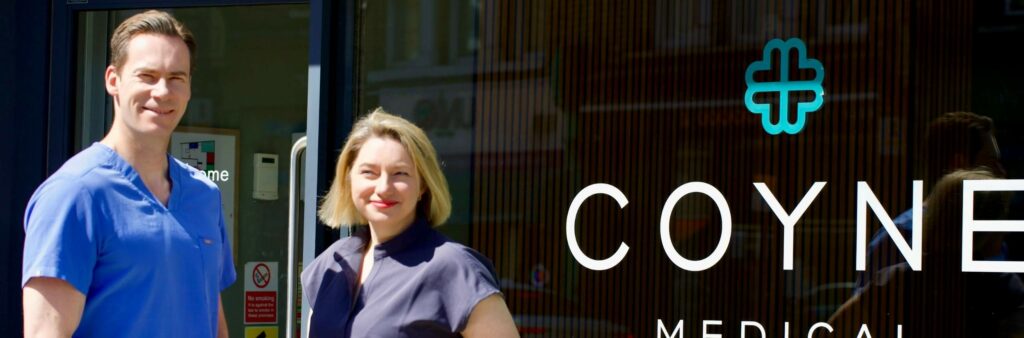
Dr Lucy Hooper and Dr Hugh Coyne, GPs, Coyne Medical, Fulham, London
Our Approach
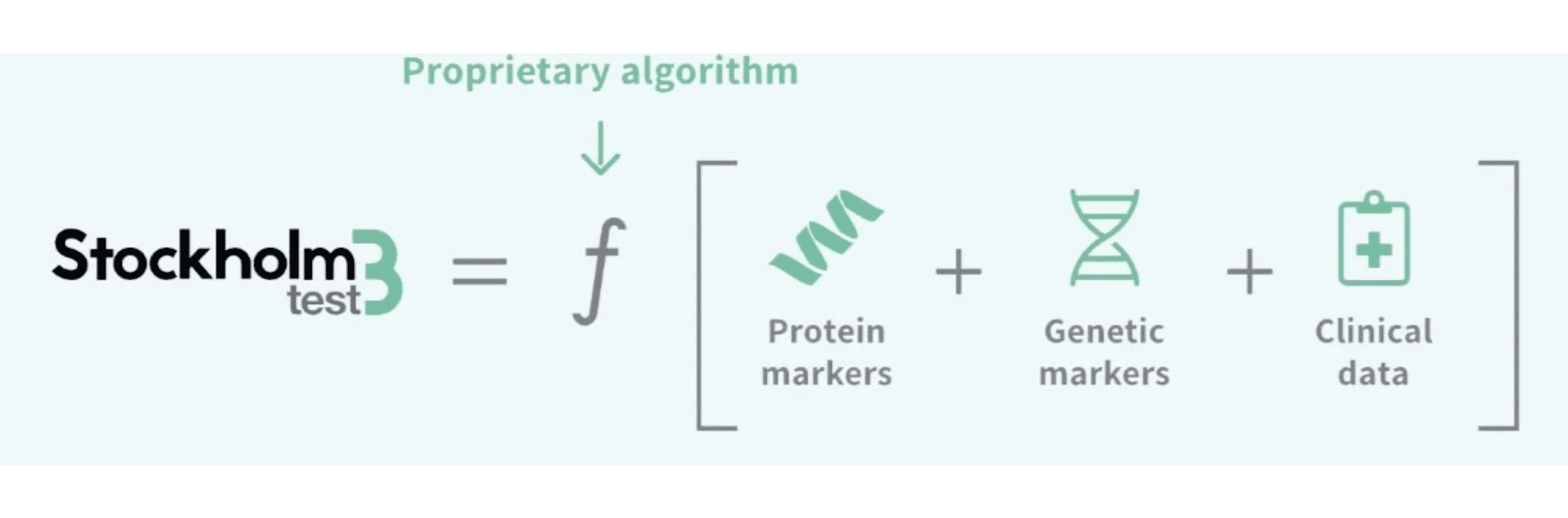
We think cancer screening works best when it is personal, matched to your age, sex, family history, and individual risk, rather than a one-size-fits-all checklist. Standard NHS screening programmes are valuable, but they are designed around population averages and will not always capture risk that is specific to you. About 20% of ovarian cancers, for instance, are linked to inherited genetic variants, something a standard gynaecology appointment will not routinely test for. Knowing your genetic risk changes the conversation, and in many cases, changes the outcome. We offer extended screening that goes beyond the standard programme, with GP-led follow-up to help you understand what the results actually mean. Our cancer screening options, including genetic testing and multi-cancer early detection, are available as part of our Health Screening packages, or can be discussed in a GP consultation.










Explore our other Health Guides
Cardiovascular Health · Cancer · Longevity and Healthspan · Child Health · Men’s Health · Women’s Health · Nutrition and Lifestyle · Lab Tests and Results