

Tag: exercise

  • Balancing Academic Stress and Mental Health

    Balancing Academic Stress and Mental Health

    In London, as parents and children gear up for the 11-plus exams, the academic pressure can be palpable. The pursuit of academic excellence, while commendable, brings with it a level of stress that can profoundly impact our children. Amidst this academic hustle, the importance of mental health cannot be overstated. This is particularly the case when research shows that maintaining physical fitness could be a key component in supporting mental well-being.

    Understanding the Connection Between Fitness and Mental Health

    comprehensive study from Taiwan observed over 1.9 million young participants. It highlights a compelling link between physical fitness and reduced risks of mental disorders like anxiety, depression, and ADHD. This decade-long research meticulously monitored children from the age of 10 through their formative years. It focuses on various aspects of physical fitness including cardiorespiratory fitness, muscular endurance, and muscular power.

    Fitness as a Counterbalance to Academic Stress

    The findings revealed that children who engaged in regular physical activity and scored higher in fitness tests were less likely to develop mental health issues. Specifically, enhanced cardiorespiratory fitness, demonstrated by quicker 800-m run times, significantly lowered the incidence of anxiety and depression. This was especially noted among female students. Improved muscular strength also correlated with decreased mental health risks across all participants.

    These results suggest that while academic achievements are important, incorporating physical fitness into a child’s routine can provide a critical balance. The mental resilience built through regular physical activity not only helps in managing academic pressures but also fosters overall well-being.

    Practical Tips for Parents

    For parents navigating the stresses of the 11-plus exams, here are some actionable tips to integrate fitness into your child’s routine:

    1. Encourage Daily Physical Activity: Simple activities like walking, cycling, or playing in the park can be effective. Aim for at least an hour of physical activity a day, which can be broken down into manageable segments. 
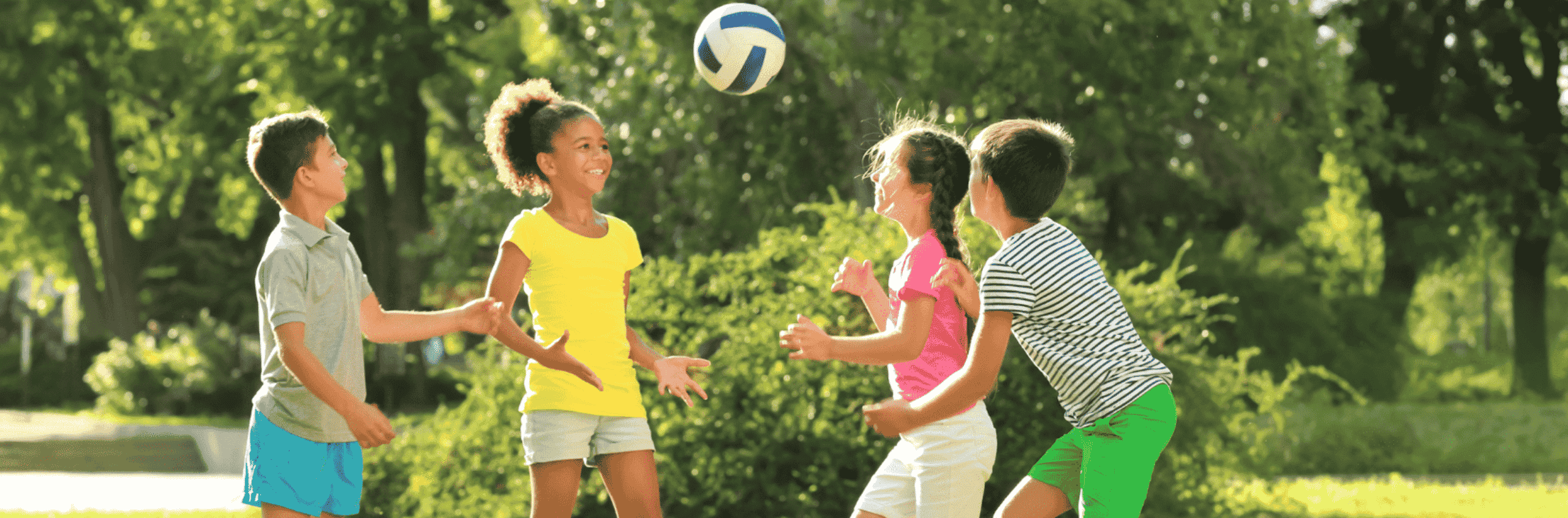
    2. Incorporate Exercise into Family Time: Whether it’s a weekend hike, a family game of football, or a dance-off in the living room, making exercise a family affair increases enjoyment and commitment.
    3. Balance Routine: While study schedules are important, ensure that your child has enough time for physical activities. This not only breaks the monotony but also increases blood flow to the brain, potentially boosting cognitive functions.
    4. Monitor Stress Levels: Stay attuned to your child’s emotional state. High stress can reduce academic performance and affect mental health. Encouraging regular physical activity can be a natural stress reliever.
    The Bigger Picture

    Schools and sports clubs play a pivotal role by providing adequate facilities and opportunities for sports and other physical activities. These institutions can be instrumental in emphasising the importance of a balanced approach to education and health.

    Conclusion: Holistic Development

    As London’s parents and children navigate the challenges of academic preparations, it’s crucial to remember that success is not just about passing exams but also about developing a well-rounded, healthy individual. Physical fitness should be as much a priority as academic preparation, not only for mental health benefits but also for instilling a lifelong habit of wellbeing.

    While the academic rigours of the 11-plus exams are important, integrating physical fitness into your child’s daily routine could be the key to a happier, healthier, and more successful student. Let’s ensure that our children’s journey towards academic excellence includes a healthy dose of play and physical activity.
    British Association of Sports and Exercise Medicine  ·  European Atherosclerosis Society  · 
    Independent Doctors Federation

    As seen in The Independent, The Daily Mail and Tatler

    For educational purposes. This article is written by a practising GP and is intended to inform, not replace a consultation with your own doctor. It does not constitute medical advice. A note on clinical guidelines: Coyne Medical is an independent private clinic. Our approach is guided by the best available evidence, tailored to each individual. This may go beyond standard NHS or NICE guidance, which is designed for population-level care and weighted by resource constraints.
  • Physical Fitness and Mental Health in Young People

    Physical Fitness and Mental Health in Young People

    Mental health issues among children and adolescents are climbing at an alarming rate. Understanding and leveraging lifestyle factors could be key to stemming this tide. It has been argued that a decline in unstructured, independent play has contributed. The rise in mental health problems in young people also corresponds with increasing mobile phone usage. As summer rolls into autumn, the focus turns to younger children and their 11 plus. Then, it is all about getting into the right school. Play, exercise, fun and fitness take a back seat. Academic excellence is the driver. 

    comprehensive nationwide cohort study sheds new light on how physical fitness might play a pivotal role in preventing mental disorders in young people. The study was based in Taiwan and spanned a decade.

    Study Overview

    This extensive study observed over 1.9 million participants. Each participant was aged between 10 and 11 years at the outset. There was an even distribution across genders. These young participants were monitored for at least three years and the average follow-up period was six years. Their physical fitness was assessed through various exercises. These measured cardiorespiratory fitness (CF), muscular endurance (ME), muscular power (MP), and flexibility.

    Findings on Fitness and Mental Health

    The findings were striking. There was a clear, dose-dependent correlation between higher levels of physical fitness and fewer mental health issues. The mental health issues included anxiety, depression, and attention-deficit/hyperactivity disorder (ADHD). For instance, improvements in fitness, marked by faster 800-m run times, significantly reduced the risk of anxiety and depression. This was particularly the case in females. Similar beneficial effects were noted for ADHD in both genders.

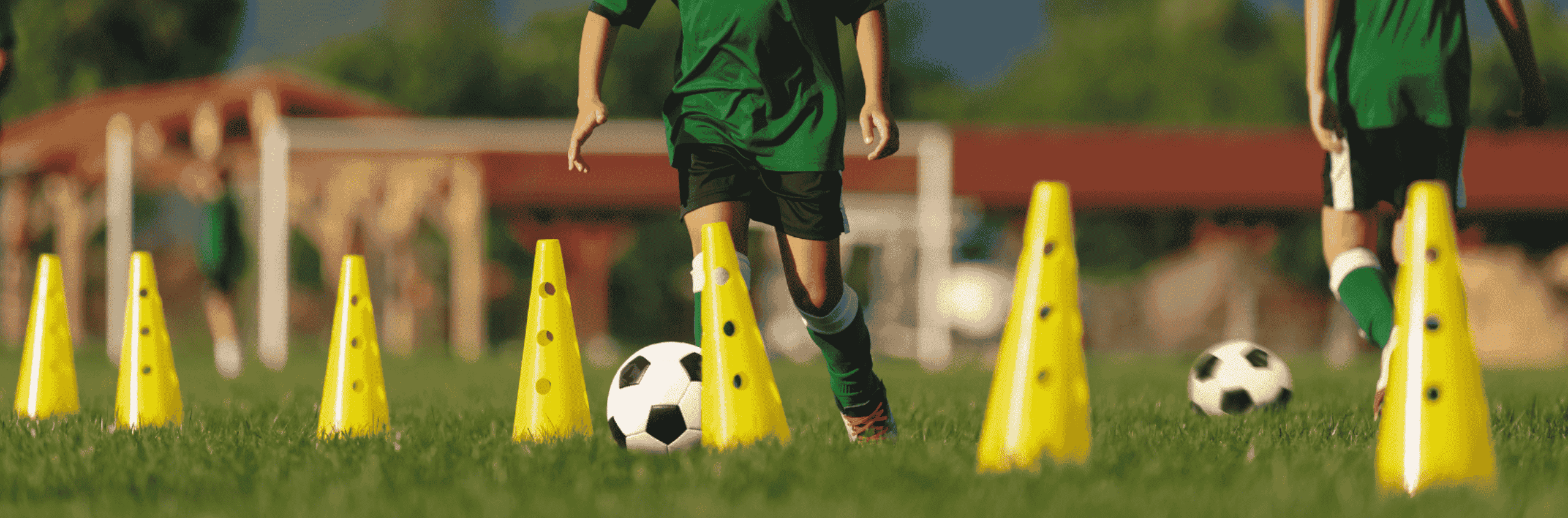
    Muscular endurance also showed a robust association with mental health. An increase in performance on the bent-leg curl-up test correlated with a decreased incidence of depression and ADHD. Again this was particularly prominent in female participants. Similarly, enhanced muscular power, evidenced by better performance in the standing broad jump, was linked to reduced risks of anxiety and ADHD across the board. It also correlated with notably lower depression rates in males.

    Implications for Prevention

    These results underscore a potentially transformative insight. Physical fitness could be a powerful, natural, and accessible tool in improving mental health in children. Given the ease of integrating fitness into daily routines compared to the complexity of treating mental disorders once they’ve developed, the implications are profound.

    What Does This Mean for Parents and Educators?

    For parents and us healthcare providers, the message is clear. Promoting and maintaining physical fitness in children isn’t just about physical health. It extends to mental well-being, offering a double benefit.

    A Note on Implementation

    It’s tempting to rush headlong into new fitness programs for kids. However, this study serves as a stepping stone, not a conclusion. It invites further exploration. We now need to delve into how tailored fitness regimes can be most effective for different age groups and individual needs. That way we can find a balance that keeps our young ones both physically agile and mentally resilient.

    Conclusion: A Call to Action

    This research is a persuasive call to embed physical fitness into the fabric of daily routines for the younger generation. As we fret over 11 plus exams, and school places, let’s carve out a significant place for exercise. It’s not merely a school subject. It’s a lifeline to a healthier, happier future for our children.

    In essence, the hustle and bustle of modern education demands excellence in academic study. But let’s not sideline the profound benefits of a sprint, a jump, or a curl-up. After all, a healthy mind thrives in a healthy body. As this study shows, the path to mental well-being might just begin with a pair of trainers and a bit of time in the playground.

    British Association of Sports and Exercise Medicine  ·  European Atherosclerosis Society  · 
    Independent Doctors Federation

    As seen in The Independent, The Daily Mail and Tatler

    For educational purposes. This article is written by a practising GP and is intended to inform, not replace a consultation with your own doctor. It does not constitute medical advice. A note on clinical guidelines: Coyne Medical is an independent private clinic. Our approach is guided by the best available evidence, tailored to each individual. This may go beyond standard NHS or NICE guidance, which is designed for population-level care and weighted by resource constraints.

  • Harnessing the Power of Youth: A Long-term Look at Physical Activity and Heart Health

    Harnessing the Power of Youth: A Long-term Look at Physical Activity and Heart Health

    Legend has it that Finn McCool is not dead at all. Or it may be that Fionn MacCumhaill, often anglicised to Finn McCool, died in old age in battle, or having hit his head on a rock. What isn’t in doubt is that he must have lived to an old age. What was his secret? Well, perhaps it was that he did so much exercise in his youth.

    Today, if you spend any time on social media, advice on exercise seems to be extraordinarily complex. Yet one golden seam in the tapestry of health advice seems to stretch further and stronger with each passing study. That is the undeniable link between physical activity and heart health. The American Heart Association has long championed the mantra of achieving at least 150 minutes of moderate-to-vigorous physical activity (PA) per week as a beacon for cardiovascular disease prevention. But let’s face it, tracking our weekly quota of physical exertion can sometimes feel like taking a toddler to a Sunday pub lunch —unpredictable and overly optimistic.

    The Coronary Artery Risk Development in Young Adults study, decided to investigate how young adults’ dedication to physical activity (PA) could shape their cardiovascular destiny. This study sought to unearth the relationship between sustained physical activity in youth and the risk of heart-related events later in life. To do this it used a metric known as time in target range (TTR).

    The study corralled 2,902 participants into four groups based on their PA TTR. The underachievers (<25%), the middling masses (25% to <50%), the diligent doers (50% to <75%), and the overachievers (75% to 100%). TTR was calculated across a span of 15 years. This period was presumably filled with vigorous padel games and possibly ill-advised attempts at parkour.

    As the participants gracefully aged into their 40s, with a median follow-up period stretching nearly 19 years into the future, the fruits of their youthful exertions began to show. The overachievers, those with a TTR of at least 75%, flaunted a 40% lower risk of cardiovascular events compared to their less active counterparts. It seems that maintaining a high level of physical activity during those formative years could significantly shield one’s heart from future woes.

    But there’s a kicker. For every 1-SD increase in TTR, there was a 21% decreased risk of heart-related events. This suggests that even incremental improvements in sticking to exercise guidelines can pay dividends for future heart health.

    So, what’s the takeaway? Maintaining recommended levels of physical activity throughout young adulthood isn’t just a good idea. It’s a potentially life-altering strategy for warding off cardiovascular diseases later in life.

    Imagine if we treated our physical activity habits like a high-yield savings account for our health. The more we deposit in our youth, the richer we become in terms of vitality and longevity. This study underscores the importance of a life course approach to managing our heart health. It suggests that the seeds of cardiovascular well-being are sown early. These seeds need to be nurtured with the same zeal we apply to our careers, relationships, and Netflix binges.

    But what about those of us who may have missed the memo in our youth? It’s never too late to start. After all, in the journey of heart health, every step counts, no matter when you begin. Here’s to a heartier, healthier future, fueled by the enduring power of endurance exercise.

    British Association of Sports and Exercise Medicine  ·  European Atherosclerosis Society  · 
    Independent Doctors Federation

    As seen in The Independent, The Daily Mail and Tatler

    For educational purposes. This article is written by a practising GP and is intended to inform, not replace a consultation with your own doctor. It does not constitute medical advice. A note on clinical guidelines: Coyne Medical is an independent private clinic. Our approach is guided by the best available evidence, tailored to each individual. This may go beyond standard NHS or NICE guidance, which is designed for population-level care and weighted by resource constraints.
  • Sitting and Longevity

    Sitting and Longevity

    Bernadino Ramazzini became interested in occupational diseases while still a medical student in Parma. He carefully observed the diseases experienced by different workers. He noted that although some were caused by occupational exposure to chemical or physical agents many occupational illnesses were due to prolonged postures, sudden movements or lack of motion. He observed that sedentary tailors were more likely to succumb to disease than flighty messengers. 

    Ramazzini made his shrewd observations in the early Enlightenment period. Now, a sedentary lifestyle has become the norm, especially in the workplace. A recent groundbreaking study, following in Ramazzini’s footsteps, has shed light on the health risks associated with prolonged occupational sitting. This research was conducted over two decades in Taiwan. It explores the silent but substantial impact of sitting for extended periods at work. The study also examines how modest increments in physical activity can counteract the detrimental effects of prolonged sitting.

    The Silent Threat of the Modern Workplace

    In recent years, the mantra “sitting is the new smoking” has echoed through the both corridors of public health and the echochambers of social media. In keeping with this, public health offcials and social media influencers urge us to reevaluate our sedentary habits via our mobile deives. The 2020 World Health Organization guidelines took a definitive stance (no pun) against prolonged sedentary behaviour. The guidelines highlighted its adverse health consequences. Yet, the specific dangers of occupational sitting, especially when combies with low levels of physical activity, remained relatively underexplored until now.

    The Sitting Study Cohort

    The study analysed the health outcomes of 481,688 participants. It revealed a stark contrast between the health of those who sit extensively at work and their more active counterparts. Individuals entrenched in sedentary occupations faced a 16% increase in all-cause mortality risk. In addition, they had a staggering 34% rise in cardiovascular disease mortality when compared to those whose jobs involve more standing or movement.

    However, there’s a potential silver lining. Alternating between sitting and standing at work, or incorporating just 15 to 30 minutes of additional leisure-time physical activity (LTPA) daily, can significantly mitigate against these risks. This finding introduces a new narrative. The idea that small, consistent changes in our daily routines can combat the health risks posed by a sedentary job.

    Get Up, Stand Up. Stand Up for Your…. Health

    The conversation around occupational health is slowly evolving. Standing desks and walking meetings are becoming more commonplace. This study does provide some validation for these trends which have often, reasonably, been thought of as faddish. It also highlights the necessity for a broader cultural shift in our workplaces and working practices. To some extent, it’s a call to action for employers and employees to embrace more dynamic work environments where movement is integrated into the fabric of our workdays.

    The Role of Personal Activity Intelligence (PAI)

    One of the most compelling aspects of the study is the introduction of the PAI metric. This is a personalised measure of physical activity. PAI considers the intensity and duration of exercise. Every time your heart rate increases you earn PAI points. The higher your heart rate goes up, the faster you accumulate PAI points. According to the study, achieving a PAI score greater than 100 was a robust strategy for counteracting the health risks associated with prolonged sitting. Indeed, Norwegian University of Science and Technology research suggests that people who achieve a PAI score of over 100 every week live an average of 8 years longer than those who don’t. PAI, therefore, offers a more tailored approach to health that goes beyond bland and generic recommendations. How do you achieve a PAI of over 100? Well, slightly annoyingly, there’s an app involved. However, it doesn’t take much to get a score of over 100. 2 hours of exercise at 80% of your maximum heart rate per week will get a PAI score of over 100. The beauty of PAI is that is adjusts to your fitness levels. The fitter you are, the harder, or longer you have to workto achieve your PAI. 

    Moving More, Sitting Less

    The implications of this research are clear. In combating the hazards of that come as the collateral damage of our sedentary modern life, every step counts. Whether it’s taking a brief walking break, choosing a stand-up desk, or dedicating a proportion of our free time to physical activity, these actions can collectively mitigate some the health risks posed by prolonged sitting.

    In essence, this study serves as a reminder that our health is in our hands (and feet). We have choice, agency, in how we move our bodies at work. It challenges us to rethink our daily routines, to find balance in movement, and to prioritise movement in the workplace and beyond. Ramazzini exhorted people in sedentary professions to take physical exercise…. and so to counteract the harm done by many days of sedentary life.” Today, as we continue to tackle the demands of modern work and living, be mindful that movement is not merely a part of life, it’s essential to living well.

    British Association of Sports and Exercise Medicine  ·  European Atherosclerosis Society  · 
    Independent Doctors Federation

    As seen in The Independent, The Daily Mail and Tatler

    For educational purposes. This article is written by a practising GP and is intended to inform, not replace a consultation with your own doctor. It does not constitute medical advice. A note on clinical guidelines: Coyne Medical is an independent private clinic. Our approach is guided by the best available evidence, tailored to each individual. This may go beyond standard NHS or NICE guidance, which is designed for population-level care and weighted by resource constraints.

  • What is the least amount of exercise you can do?

    What is the least amount of exercise you can do?

    A Step in the Right Direction

    In our journey towards better heart health, the common advice has often been to aim for 10,000 steps a day. But what if I told you that recent research suggests a more achievable daily goal can still offer significant health benefits?

    A comprehensive meta-analysis, studying data from 111,309 individuals across 12 studies, sought to unravel the true impact of our daily steps on cardiovascular health and overall mortality. The question at hand was simple, yet profound: what is the least number of steps one needs to take daily for cardiovascular benefits?

    Less May Be More

    The study revealed some eye-opening insights:

    • Modest Steps, Major Impact: As few as 2,517 to 2,735 steps per day marked a significant decrease in all-cause mortality and cardiovascular events. This is just a slight increase from the baseline of 2,000 steps.
    • Incremental Benefits: The relationship between steps and health benefits was dose-responsive. At approximately 8,763 steps, there’s a dramatic 60% reduction in mortality, while about 7,126 steps can cut down cardiovascular events by half.
    • Diminishing Returns Beyond a Point: Interestingly, beyond these optimal step counts, the incremental health benefits start to plateau.

    Cadence and Wearable Insights

    • Pace Matters: The study also highlighted that a higher step cadence (steps per minute) amplifies the health benefits.
    • Accuracy in Tracking: Interestingly, hip-worn sensors were more closely associated with health benefits compared to wrist-worn devices, likely due to more precise step counting.

    The Timing Question: What’s The Next Step?

    One intriguing aspect not addressed in the study is whether the timing of these steps (spread throughout the day vs. in one go) affects their health benefits. In an era where sedentary lifestyles are prevalent, understanding the impact of step distribution could be immensely valuable.

    Walking Towards Healthier Hearts

    So, what’s the takeaway for us? The once daunting 10,000-step goal seems less critical now. Starting with as little as 2,700 steps daily can offer substantial heart health benefits. And, if you can gradually increase your step count, the rewards for your heart health and longevity only get better.

    British Association of Sports and Exercise Medicine  ·  European Atherosclerosis Society  · 
    Independent Doctors Federation

    As seen in The Independent, The Daily Mail and Tatler

    For educational purposes. This article is written by a practising GP and is intended to inform, not replace a consultation with your own doctor. It does not constitute medical advice. A note on clinical guidelines: Coyne Medical is an independent private clinic. Our approach is guided by the best available evidence, tailored to each individual. This may go beyond standard NHS or NICE guidance, which is designed for population-level care and weighted by resource constraints.

  • Exercise: A Balanced Recipe for Longevity

    Exercise: A Balanced Recipe for Longevity

    What is the perfect blend of exercise for a healthier, longer life? Now, this isn’t about preparing for ultra-marathons or entering Mr Olympia; it’s about understanding the right mix of physical activities to keep ourselves as fit as possible for as long as possible.

    comprehensive study with over half a million participants has shed light on the best exercise regimen for longevity. The secret lies in a balanced trio: Moderate Physical Activity (MPA), Vigorous Physical Activity (VPA), and muscle strengthening.

    The Ideal Exercise Combo: It’s More Than a Walk in the Park

    The study, published in JAMA Internal Medicine, found that those with the lowest risk of early death clocked in more than 75 minutes of MPA, over 150 minutes of VPA, and a minimum of two muscle-strengthening sessions per week. 

    Tailoring for Cancer and Cardiovascular Health

    For those focusing on reducing the risks of cancer and heart disease, the formula adjusts slightly. More MPA ( 300 minutes weekly), a moderate dose of VPA, and consistent muscle-strengthening work best. It might sound daunting, but consider it an investment in your future well-being. Do you care for yourself enough to make the investment in your future health?

    More: Not Just Better, But Perhaps Essential

    This study suggests that when it comes to exercise, sometimes more is indeed better. Interestingly, this study’s recommendations surpass the conventional exercise guidelines by some distance, However, it’s crucial to remember that any amount of exercise is a positive step. Not everyone can or wants to commit to an intensive exercise regimen, and that’s perfectly okay. Consistency trumps intensity every time. You should not feel like you have been flogged after every exercise session. 

    A Thoughtful Approach to Exercise

    Our goal is not just to add years to life but also life to years. While that might mean increasing our exercise regimen, it’s about doing so mindfully and in a way that brings joy and vitality, not injury, dread or monotony.

    Your journey to optimal health is just (several thousand) steps away!

    British Association of Sports and Exercise Medicine  ·  European Atherosclerosis Society  · 
    Independent Doctors Federation

    As seen in The Independent, The Daily Mail and Tatler

    For educational purposes. This article is written by a practising GP and is intended to inform, not replace a consultation with your own doctor. It does not constitute medical advice. A note on clinical guidelines: Coyne Medical is an independent private clinic. Our approach is guided by the best available evidence, tailored to each individual. This may go beyond standard NHS or NICE guidance, which is designed for population-level care and weighted by resource constraints.

  • Knee Osteoarthritis Treatment: The Role of Hyaluronic Acid Injections and Ultrasound Guidance

    Knee Osteoarthritis Treatment: The Role of Hyaluronic Acid Injections and Ultrasound Guidance

    Knee osteoarthritis (OA) is a degenerative joint disease that affects millions. The search for effective treatments has been ongoing, with intra-articular hyaluronic acid (IAHA) injections, such as Ostenil Plus and Durolane, emerging as promising options. However, there’s a discrepancy between the medical evidence backing IAHA and the varied recommendations from international guidelines. So, how effective really is this treatment, and does the method of injection play a role in its success?

    The Promising Potential of IAHA Injections for Knee OA

    Recent studies have focused on analysing the benefits and safety of IAHA injections. A comprehensive literature review, including randomized controlled trials and meta-analyses, highlighted the following:

    • Symptomatic Relief: IAHA, including Ostenil Plus, offers moderate relief to those with knee OA without significant safety concerns.
    • Impressive Benefit/Risk Ratio: When looking at improvements in knee OA outcomes, IAHA might have one of the best benefit-to-risk ratios among pharmacologic options. Notably, patients experience an overall increase in quality-adjusted life years and significant delays in needing total knee replacement.

    In light of these findings, it’s worth considering IAHA injections as a viable treatment option. However, the real game-changer might be in tailoring treatments by the stage of disease and specific patient characteristics. The future of IAHA treatment may involve identifying OA patient subgroups that show a more pronounced response to the treatment. Combining IAHA with other treatments might also offer optimised care for knee OA patients.

    Optimising Treatment with Ultrasound Guidance

    Viscosupplementation involves injecting hyaluronic acid into the knee. It has faced criticism due to inconsistent pain relief benefits. One major concern has been the accuracy of needle placement, especially in obese patients. Enter ultrasound (US) guidance.

    A study analysed community-dwelling patients receiving HA knee injections, comparing outcomes between those getting injections with traditional landmark guidance and those with US guidance. The results were compelling:

    • Similar Patient Cohorts: Both the US-guided and landmark-guided patient groups had similar demographics and arthritis severity.
    • Surgery-Free Outcomes: A significant number of patients in the landmark-guided group (45.8%) required knee arthroplasty (surgery), compared to only 33.2% in the US-guided group. The difference was even more pronounced among obese patients, with 51.8% in the landmark-guided group requiring surgery compared to 34.8% in the US-guided group.

    These findings suggest a clear conclusion: To optimise the benefits of viscosupplementation, ensuring accurate intra-articular needle placement via US guidance is crucial. When done right, patients receiving US-guided HA injections are less likely to require subsequent knee surgeries.

    In Conclusion

    Knee osteoarthritis is a challenging condition, but modern treatments like IAHA injections offer hope. When combined with advanced techniques like ultrasound guidance, these treatments can provide significant relief and improve the quality of life for many patients.

  • The Best Exercise For Managing High Blood Pressure

    The Best Exercise For Managing High Blood Pressure

    High blood pressure, or hypertension, remains a global health challenge, with a soaring prevalence (thanks in part to changing definitions of hypertension) and control often proving elusive. It remains one of the leading modifiable risk factors for disease and death worldwide. While lifestyle interventions have long been a mainstay in hypertension management, a growing body of research underscores the particularly pivotal role of exercise training as an effective non-pharmacological antihypertensive strategy. Recent findings, including a large-scale systematic review and meta-analysis of 270 randomised controlled trials, shed new light on the optimal exercise practices for managing blood pressure. 

    Exercise as a Cornerstone of Hypertension Management:

    The link between exercise and cardiovascular health is certainly not a novel concept. Regular physical activity has long been associated with reduced risks of heart disease and hypertension. However, contemporary research is refining our understanding of how different exercise modalities impact blood pressure.

    The Landmark Study:

    Led by Dr. Jamie J. Edwards and a team of researchers from Canterbury Christ Church University in the United Kingdom, this comprehensive study published in the BJSM examined the effects of various exercise training modes on resting blood pressure. The study analysed 270 randomised controlled trials published between 1990 and February 2023, involving a total of 15,827 participants.

    Key Findings:

    The study’s results paint a clear picture of the effectiveness of different exercise modalities in reducing both systolic and diastolic blood pressure:

    • Aerobic Exercise Training: This traditional form of exercise demonstrated significant reductions in resting systolic blood pressure (SBP) by an average of 4.49 mm Hg and diastolic blood pressure (DBP) by 2.53 mm Hg.
    • Dynamic Resistance Training: Participants engaging in dynamic resistance training experienced reductions in SBP and DBP by an average of 4.55 mm Hg and 3.04 mm Hg, respectively.
    • Combined Training: Combining aerobic and resistance training led to even more pronounced reductions, with SBP decreasing by 6.04 mm Hg and DBP by 2.54 mm Hg.
    • High-Intensity Interval Training (HIIT): HIIT, known for its time-efficient, intense bursts of activity, lowered SBP by 4.08 mm Hg and DBP by 2.50 mm Hg.
    • Isometric Exercise Training (IET): This novel form of exercise emerged as the most effective, resulting in a substantial reduction of SBP by 8.24 mm Hg and DBP by 4.00 mm Hg.

    Optimal Exercise Modes:

    The study ranked the exercise modalities based on their effectiveness, with isometric exercise training (IET) topping the list, boasting a Surface Under the Cumulative Ranking Curve (SUCRA) value of 98.3 percent. Surface Under the Cumulative Ranking Curve, or SUCRA, is a statistical tool used in network meta-analysis to evaluate the relative effectiveness of several different interventions or treatments. In the context of this study, SUCRA values were used to assess and rank the various exercise modalities in terms of their impact on resting blood pressure.

    A higher SUCRA value indicates a greater likelihood that a particular intervention (in this case, an exercise modality) is the most effective among the options being compared. In other words, a higher SUCRA value suggests that an exercise mode is more consistently and confidently ranked as the best choice for reducing blood pressure. Combined training followed closely at 75.7 percent, dynamic resistance training at 46.1 percent, aerobic exercise training at 40.5 percent, and high-intensity interval training (HIIT) at 39.4 percent.

    The Isometric Advantage:

    Isometric exercise training, particularly through activities like isometric wall squats, emerged as the most potent submodes for reducing SBP (SUCRA: 90.4 percent) and DBP (SUCRA: 91.3 percent), respectively.

    Implementing Isometric Training:

    Isometric exercise places the muscle under tension without moving the surrounding joints. To harness the benefits of isometric exercise, use the following protocol:  

    4×2-minute contractions, separated by 1–4-minute rest intervals, performed three times a week. 

    Isometric handgrip (IHG) is usually executed at 30% maximum voluntary contraction, while isometric wall squats (IWS), also known as ski squats can be performed to elicit a rate of perceived exertion (RPE) between 3.5–4.5/10 for the first bout, RPE 5–6/10 for the second bout, RPE 6.5–7.5/10 for the third bout, and RPE 8–9/10 for the fourth bout. Isometric leg extension (ILE) is performed at 20% of the maximum voluntary contraction (this is the maximum amount of force that can be generated by contracting a muscle group). So in practice, this means holding still with the legs fully straightened approximately 20% of the heaviest hold that you could shift on the leg extension machine. 

    As the prevalence of hypertension continues to rise, understanding the role of exercise in its management becomes increasingly critical. The latest research emphasises the varied and substantial benefits of lots of different exercise modalities, with isometric exercise training shining as a particularly potent antihypertensive intervention. Of the isometric exercises, wall squats, to me at least, are the most convenient to perform.

    British Association of Sports and Exercise Medicine  ·  European Atherosclerosis Society  · 
    Independent Doctors Federation

    As seen in The Independent, The Daily Mail and Tatler

    For educational purposes. This article is written by a practising GP and is intended to inform, not replace a consultation with your own doctor. It does not constitute medical advice. A note on clinical guidelines: Coyne Medical is an independent private clinic. Our approach is guided by the best available evidence, tailored to each individual. This may go beyond standard NHS or NICE guidance, which is designed for population-level care and weighted by resource constraints.
  • Unleashing the Power of High-Intensity Exercise: Insights from the CENIT Trial

    Unleashing the Power of High-Intensity Exercise: Insights from the CENIT Trial

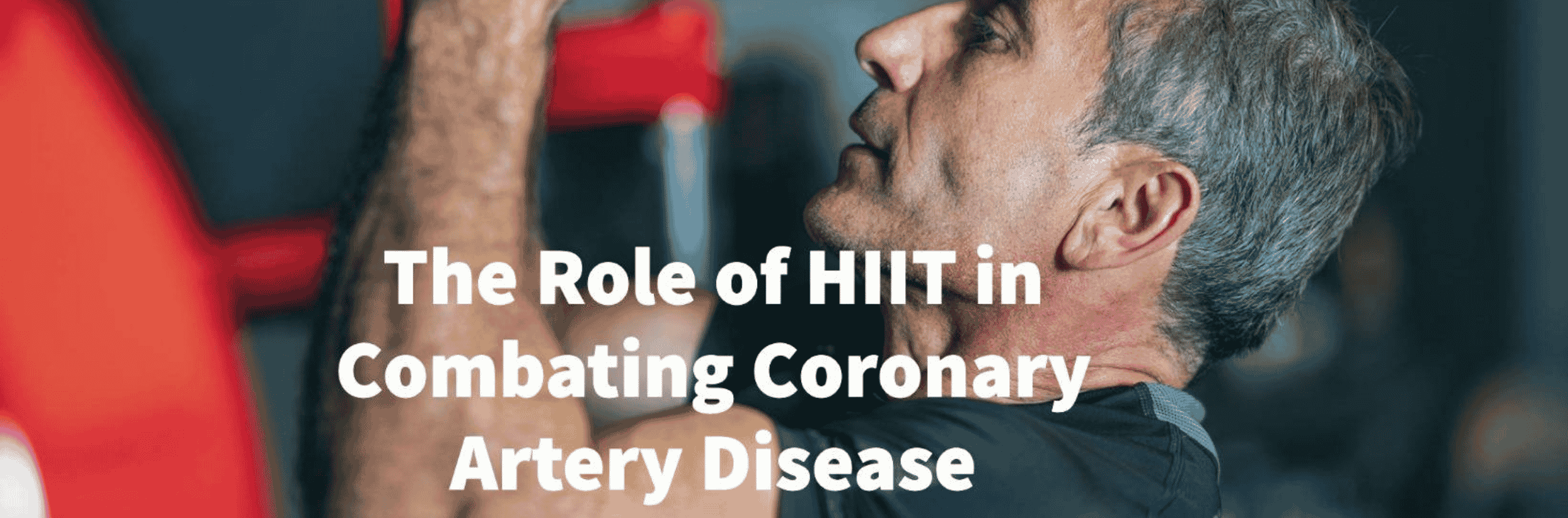
    Exercise has long been recognised as a key factor in maintaining a healthy heart and reducing the risk of coronary artery disease (CAD). A recent study called the CENIT trial has provided some valuable insights into the benefits of high-intensity interval training (HIIT) for patients with established CAD. Published in the European Journal of Preventive Cardiology, this research reveals how HIIT can counteract disease progression and promote cardiovascular health. 

    Coronary artery disease occurs when atherosclerosis, or plaque, builds up in the arteries that supply blood to the heart. Over time, plaques can increase in volume and become unstable and rupture leading to a stroke or a heart attack. Atheroma volume, which measures the amount of plaque present in the arteries, is a crucial indicator of CAD severity and has been shown to increase the likelihood of future cardiac events.

    To better understand the impact of exercise on CAD, let’s examine the exercise interventions in the CENIT trial. The study consisted of two groups: the high-intensity interval training (HIIT) group and the control group. Each group had a specific exercise program.

    1. High-Intensity Interval Training (HIIT) Group: Participants in the HIIT group engaged in two supervised exercise sessions per week for a duration of 6 months. Each session began with a 10-minute warm-up at a moderate intensity (around 60% to 70% of peak heart rate). This was followed by four intervals of intense exercise, lasting for four minutes each, at an intensity of 85% to 95% of peak heart rate. Active recovery periods, lasting for three minutes at a moderate intensity, were included between intervals. The sessions concluded with a 5-minute cooldown period. The HIIT sessions involved activities such as walking or running on a treadmill, bicycling, or other exercises that engaged large muscle groups. Participants were encouraged to use a wearable device to track their heart rate and activity levels during the HIIT sessions. This allowed them to maintain the desired intensity and monitor their progress. In addition to the supervised sessions, participants were advised to engage in home-based endurance training. This included performing intervals and any other physical activities that involved dynamic work with large muscle groups.
    2. Control Group: The control group followed contemporary preventive guidelines for physical activity without receiving further supervision. They were encouraged to engage in regular physical activity of moderate intensity for 30-60 minutes on more than 5 days per week. Not only was this exercise not supervised but it was not monitored unlike in the intervention group.

    The CENIT trial focused on the effects of supervised HIIT on coronary plaque geometry in patients with stable CAD who had undergone percutaneous coronary intervention (PCI). Here’s what they found:

    1. Regression of Atheroma Volume: Patients who participated in 6 months of supervised HIIT experienced significant regression in atheroma volume compared to those following standard preventive guidelines. This means that the plaque buildup in their arteries was reduced, potentially lowering their risk of future coronary events.
    2. Improved Cardiorespiratory Fitness: The HIIT group exhibited a significant improvement in peak oxygen consumption (VO2peak), which measures cardiorespiratory fitness. By increasing VO2peak, HIIT enhances the overall health of the cardiovascular system.
    3. Positive Body Composition Changes: Patients in the HIIT group also experienced reductions in body mass index (BMI) and waist circumference. These improvements in body composition are important markers of metabolic health and can contribute to a reduced risk of CAD and related complications.

    The findings from the CENIT trial provide reasonable evidence for the effectiveness of HIIT in managing CAD and improving cardiovascular health. It is, however, difficult to tease out from the study whether it was the supervision of exercise, or wearing a monitor that someone else was tracking or the HIIT that had the greatest benefits. Based on these results, here are some key takeaways to consider:

    1. Consult An Experienced Personal Trainer: If you have established CAD or are at risk for heart disease, consult a very experienced personal trainer who is confident in managing patients who have stable heart disease. They can provide personalised recommendations based on your health status and previous exercise experience.
    2. Embrace High-Intensity Interval Training (HIIT): Consider incorporating supervised HIIT sessions into your exercise routine under professional supervision. HIIT involves short bursts of intense exercise alternated with active recovery periods, making it an efficient and time-effective workout option. But note, the intervention group did not just do HIIT, they also did low-intensity exercise. 
    3. Prioritise Exercise: HIIT’s positive impact on atheroma volume regression, improved cardiorespiratory fitness, and positive body composition changes highlight the importance of exercise as a core component of cardiac rehabilitation programs. When compared to another study looking at the effects of high-intensity statin on plaque lipid volume, high-intensity exercise combined with low-intensity exercise had an effect comparable effect to that of a high-intensity statin.
    4. Monitor Your Exercise: The intervention group wore a wearable and knew they were being monitored. Use a wearable and get an accountability partner to keep you on track. 

    The CENIT trial provides evidence that high-intensity interval training, supervised by a personal trainer and the wearing of a fitness tracker can effectively counteract disease progression and improve cardiovascular health in patients with established coronary artery disease. Participating in supervised HIIT sessions can lead to a reduction in atheroma volume, improved cardiorespiratory fitness, and positive body composition changes.

    British Association of Sports and Exercise Medicine  ·  European Atherosclerosis Society  · 
    Independent Doctors Federation

    As seen in The Independent, The Daily Mail and Tatler

    For educational purposes. This article is written by a practising GP and is intended to inform, not replace a consultation with your own doctor. It does not constitute medical advice. A note on clinical guidelines: Coyne Medical is an independent private clinic. Our approach is guided by the best available evidence, tailored to each individual. This may go beyond standard NHS or NICE guidance, which is designed for population-level care and weighted by resource constraints.
  • Squatting For Beginners

    Squatting For Beginners

    Squatting is Good For You!

    Fundamental movements are movements that are essential for maintaining independent living and enjoying exercise. They include movements such as squatting, lunging, running and hanging. Learning the correct technique to perform fundamental movements is known to reduce the risk of injury in children. It is not only children who benefit from proficiency in these movements. To maintain balance, and thus independence, and to avoid injury, older adults must maintain their ability to perform fundamental movements. 

    Squatting is a particularly important exercise. It is not only foundational to sporting activity but it is also crucial to everyday tasks such as sitting and lifting. Getting up from a sitting is a fundamental task for living independently into old age. The longer we can perform a squat, the longer we will remain independent in old age. 

    Squatting activates the largest muscles in our bodies. The quads, glutes, hamstrings, and calf muscles are all activated during a squat. These large muscles are important not only for movement and balance but also for our metabolism. Muscles act as a store of glucose. They are therefore crucial to how our bodies handle sugar. 

    A squat, when performed correctly, does not compromise the structural integrity of the knees. In fact, it can enhance our stability. This is crucial, as maintaining balance and stability becomes increasingly important as we age. Falling in old age can have disastrous consequences. In addition, squatting, when performed correctly, can improve the stability of the knee and reduce the risk of sports injuries. Being able to squat correctly is a prerequisite to being able to perform more ballistic, explosive movements such as box jumps and plyometrics. The squat mimics the explosive movements required in many sports. Thus, improved squatting enhances sporting performance. 

    Due to its importance in everyday life and because it activates the largest muscles in the body, squatting is fundamental to any resistance training program. Squatting also acts as a useful tool in the doctor’s, physiotherapist’s, or osteopath’s office to screen for any issues with movement mechanics. This is because the squat is what is known as a “compound manoeuvre.” Compound exercises are loved by physical trainers because they require the use of several muscle groups working in collaboration. These exercises are incredibly useful for building muscle mass, strength, and power. As it is a compound movement, squatting is incredibly useful for picking out biomechanical problems. These issues can be due to a lack of muscle strength, an imbalance of strength on each side of the body, unstable joints (also due to a lack of strength), and a lack of joint and muscle flexibility. 

    How to perform a squat

    It is highly recommended that you get an experienced personal trainer or physical therapist to observe your squat technique. This can give you the appropriate cues and feedback to ensure rock-solid technique. It can be really helpful to record your squat movements from the front and the side so that you can see any errors that you are making. 

    If you are new to squatting, you can just use your body weight. Ideally, use a dowel or a light (2.5 kg) strength bar. This allows you to begin in the same position that you will progress to when increasing the weight that you are squatting. Using a cylindrical dowel or light weight bar also engages the muscles around the scapula, helping to stabilise the upper body. 

    Bar – Squatting with weights

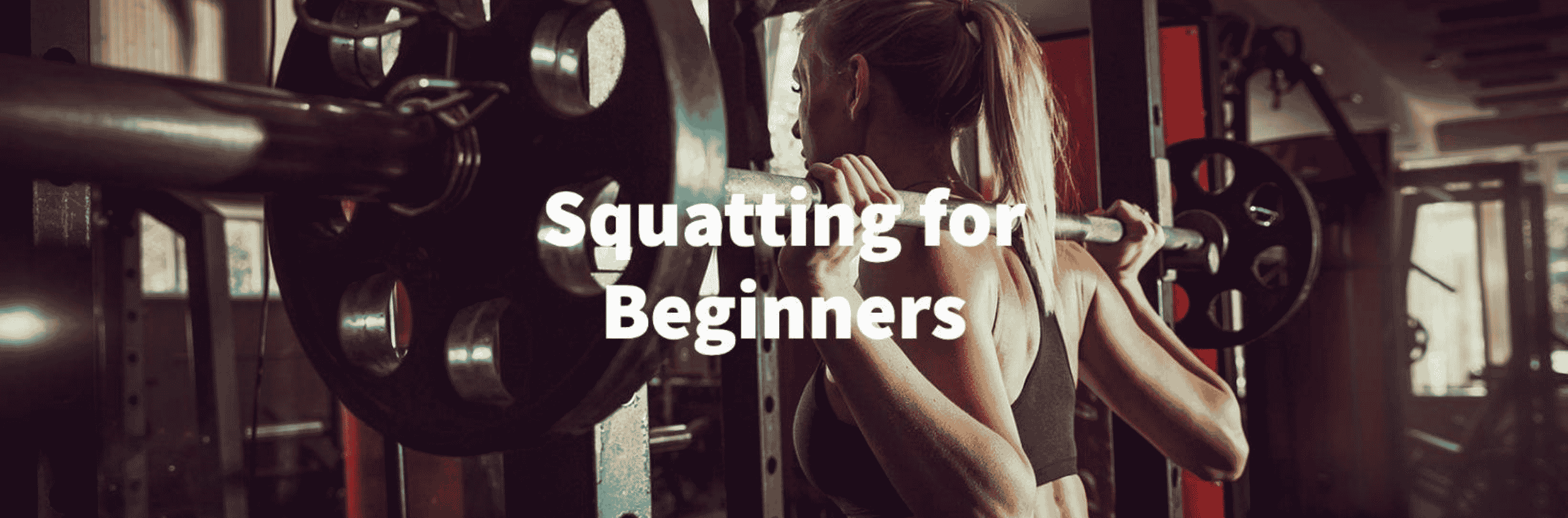
    Begin in a standing position with your feet flat on the floor. Your knees and hips should be in a neutral position, and your spine should be upright with its natural curves preserved. Grip the bar or dowel with the palms facing forward and slightly wider than shoulder width. The bar should rest just below the neck on the upper back. A good tip when using a bar is to “bend the bar.” This action helps brace the torse and improves squat performance. Keep your wrists straight and your forearms parallel to your torso. 

    Stance 

    Stand with your heels shoulder-width apart and your toes pointing forward or slightly outward by no more than ten degrees.

    Breathing 

    Prior to beginning the downward squat motion, breathe in through your nose and down into your belly to about 80% of a full breath. This increases the pressure in the abdomen and helps prepare and brace the spine for the load. Breathe out through the mouth when you are coming back up. This helps to negate the need for a belt.

    Squat Motion

    The descent phase of the squat begins with “breaking the hips.” The motion is that of sitting down while sticking your bum out. It is almost as though you are trying to sit on a chair that is just too far away. The goal should be to keep your bum as far back from your ankles as you can while maintaining an upright torso. The distance between the hips and shoulders should remain constant. The heels should bear the majority of your body weight. The ideal finishing position is with the thighs just below parallel to the ground. The thighs going past the line parallel to the ground are not more likely to result in injury. The speed of the ascent should be 2-4 times the speed of the descent. 

    The upward motion follows the same path as the downward motion. The glutes, or bum muscles, should be the primary driver of the motion. Again, the low back should be kept stiff, and the shoulder and hips should be at the same distance throughout. The weight should be in the heels (I wear shoes with a very minimalist sole to facilitate this although some people squat without shoes). 

    The main, albeit weird, mental cue I think of when performing a squat is that my buns are cracking a walnut. To cue getting my bum out far enough, I imagine that someone could place a walnut between my bum cheeks when I am at the lowest point of the squat (what a job that would be!). I then imagine that I am crushing that walnut with my bum cheeks in the ascent phase. 

    Avoiding Pitfalls

    The squat is a complex movement. There are several ways it can go wrong and result in injury. Here are a few pointers to help maintain the correct technique. 

    Head Position: The gaze should be aimed forwards, and the neck should be perpendicular to the ground. 

    Chest: The chest should be up and the shoulders should be back. So if you have a logo on your t-shirt, you should be able to see it in the mirror. 

    Trunk/Middle: Your trunk should be in line with your shins at all times. 

    Hips: If you are squatting in the mirror, you should see that your hips should be level and parallel to the ground. 

    Knees: Your knees should travel in line with your second toe and should not tilt inward past the inside of your ankle. 

    Feet: The entire sole of the foot should remain in contact with the ground throughout. 

    Squatting is, I think, the most important resistance exercise. If done correctly, it can improve athletic performance, reduce the risk of injury, maintain independence, and improve metabolism. But it is really important to do it correctly. Start with no weight or a very light weight. Ideally, have an experienced personal trainer or physiotherapist observe your squat motion. 

    British Association of Sports and Exercise Medicine  ·  European Atherosclerosis Society  · 
    Independent Doctors Federation

    As seen in The Independent, The Daily Mail and Tatler

    For educational purposes. This article is written by a practising GP and is intended to inform, not replace a consultation with your own doctor. It does not constitute medical advice. A note on clinical guidelines: Coyne Medical is an independent private clinic. Our approach is guided by the best available evidence, tailored to each individual. This may go beyond standard NHS or NICE guidance, which is designed for population-level care and weighted by resource constraints.