

Tag: exercise

  • The Ins and Outs of Self Care

    The Ins and Outs of Self Care

    You may have heard the concept of ‘self-care’ being bandied about but what does that really mean? Yes, we understand the basic principle of self-care however how can it be put into practice, do we need it and honestly, how can it help?

    Life can be hectic, taking a toll on our physical and mental health. We all suffer from stress, pressure and the need to meet expectation yet constant stress uses up our adrenaline and cortisol leaving our energy and resilience levels low. Lack of time for ourselves and quiet can make us irritable, impact out interactions with friends and family and make us less productive.

    Even though I am a doctor and therefore ought to be aware of how to ‘look after myself’ it can be incredibly difficult to implement changes that may be ‘good for us’. Everyone experiences stress differently meaning forms of management can be different for everyone.

    When it comes to self-care, it is undoubtedly a very personal issue, only you can know when you are running low or struggling. Therefore to begin with, in the first noticeable instance, make a note of what keeps coming up so the ability to tackle this stressor is maximised.

    However, until these stressors can be identified and acted upon, here I will give you a few tips that I have found useful for me and my family. These are tiny baby steps that each member of my family has used to make a little more space and positivity in our lives and that enhance our overall well-being.

    I am a firm believer in taking responsibility for your health and wellbeing, being your own advocate and taking control when things feel like they are running riot.

    Tip 1 – Reframe things in your mind

    I have been known to grumble at getting up in the morning to prepare my daughter’s breakfast. Sometimes working a late shift provides even less incentive to do so, making a lie in way more attractive. Historically, I felt duty bound to make breakfast as the guilt would slowly creep in if I didn’t. This then manifested in me being grumpy and snippy with my daughter.

    After attending some training on improving happiness and cognitive behavioural therapy, I decided to try the concept of ‘reframing the situation’. This simply made me change my way of thinking to, the decision to get up and make breakfast for my child is mine. I could do it with grace or grumpiness. I thought about how much I would miss her when she leaves home and how I will miss seeing her in the morning. Just thinking about the situation in this way has made me positively jolly about getting her breakfast in the morning. It is small isn’t it, nothing medically ground breaking, but it makes my life (and by default the rest of my family’s lives) better.

    Tip 2 – Take ownership of your health

    I have recently lost some very dear friends to cancer and see people daily who struggle with illness. We don’t have control over many aspects of our health, but we are fortunate enough to have some tools in our armoury.

    I was spurred into action by the loss of my friends, I had my cervical smear, colonoscopy (as I was aware of my strong family history of colon cancer), general blood tests and a mammogram. You do have a responsibility to yourself and your loved ones to look after yourself and to me, this was my way of doing so. Don’t put it off if you know there is a susceptibility towards an illness in your family, see your doctor and modify your risk.

    If you are smoking, maybe consider for a moment if this is something you might try to stop this year. If your diet and weight are putting you at increased risk of cardiac events or diabetes, what might motivate you to change your lifestyle? Figuring out your motivation, sticking to it and taking responsibility for yourself is important for you and you alone. Be it wanting to get into an item of clothing, or so you can be around for your kids, find your motivation and stick with it.

    Tip 3 – Technology

    I despair at the time my daughter wastes on her phone. If she just studied half as much she would be a genius. I am being facetious – there is increasing evidence that social media and being exposed to the constant stream of Instagram, Snapchat, trolling, comparing and selfying puts our children’s mental health at risk.

    I have seen the highs and lows of it in my own child. When it comes to studying and phones, my daughter recently showed me an app called Forest, where she can decide the length of time the app is active so that her phone is inaccessible to her friends and herself. She sets herself targets, gets rewarded by the app, she has taken control of time spent off the phone and in doing so does something constructive. However, I can’t help but think, is this where we are now when it comes to technology? Are we that immersed? I think this realisation is one of the hardest, as once we can get there, break away and give our minds a break, we really are helping our own mental health. Try it, I dare you!

    Tip 4 – Exercise

    It is old news but it’s true. There is no arguing the evidence in favour of exercise in terms of improving health outcomes in so many parameters. Exercise is used to improve outcomes after a heart attack or breast cancer, to improve mood disorders or stave off immobility and pain brought on by osteoarthritis. The science is there, this is proven, however somehow we all know that come what may there is just not enough time in a day to get everything done.

    I don’t have much spare time in my life, however I choose to stick on my headphones, listen to podcasts and jog everywhere. I put on my rucksack, pack light and change for work or dinner when I arrive. My friends think I’m a bit odd (and probably sweaty) but it makes me feel relaxed. I solve problems in my mind as I go and love running past stationary buses and traffic jams. My husband is a walker, if he is stressed he gets out of the house and walks, day or night.

    The thing with finding the time is that you need to find your niche. When you find exercise that you enjoy, you are more likely to want to do it and therefore more likely to find time for it. Find your thing and go for it!

    These are the small self-care efforts we make in our house. It is about taking charge of your wellbeing and actively finding a bit of peace and positivity, the act of taking control and participating in your own sense of wellness is very empowering.

    British Association of Sports and Exercise Medicine  ·  European Atherosclerosis Society  · 
    Independent Doctors Federation

    As seen in The Independent, The Daily Mail and Tatler

    For educational purposes. This article is written by a practising GP and is intended to inform, not replace a consultation with your own doctor. It does not constitute medical advice. A note on clinical guidelines: Coyne Medical is an independent private clinic. Our approach is guided by the best available evidence, tailored to each individual. This may go beyond standard NHS or NICE guidance, which is designed for population-level care and weighted by resource constraints.


  • How Stress Can Contribute to Injury

    How Stress Can Contribute to Injury

    How Stress Can Contribute to Injury

    A wide variety of stress related problems can increase your risk of injury. We give you the tools to combat them. 

    Our psychology is not only crucial to how we perform but also plays a vital role in predisposition to injury. While previously the mind and body would be regarded separately, modern medicine now understands that our thoughts, beliefs and emotions are intrinsically linked to our physiology. The mind and body closely interact. To try and heal the body without paying attention to the mind and vice versa is, well, mindless.

    Who is at risk?

    Generally, in medicine, we split stress into intrinsic and extrinsic. Intrinsic stress is the type of stress we place on ourselves while extrinsic stress is caused by external factors. An increased susceptibility to injury has be found to occur with both of these types of stress. People who tend to be generally anxious or of a nervous, jittery disposition and those who become very nervous or anxious in certain situations, such as before a big competition are more likely to suffer injury. It is not only those who inherently tend to be more anxious that have a higher injury risk. People with a “Type A” personality, those who are irritable or untrusting of others and people with have poor coping strategies to deal with stress also have a higher risk of injury. 

    External stress also plays a role in injury risk. Negative life events, daily hassles and strains and stress related to training itself such as feeling stiff or tense, feeling vulnerable to injury and feeling insufficient rested all contribute to an increased likelihood of injury. 

    How Does Stress Increase Risk of Injury?

    Stress impacts the body in a number of ways. The mind and body interact through a continuous flow of hormones, neurotransmitters and immune cells from one to the other. One such hormone, cortisol, is under the control of the hypothalamic-pituitary-adrenal (HPA) axis. This elegant axis uses a biofeedback loop whereby a gland in the brain senses what is going on in the body and then releases chemicals that stimulate the adrenal glands in our stomach to produce cortisol, the “stress hormone”. 

    Our brain also controls the release of a calming hormone. Oxytocin promotes growth and repair as well as creating feelings of well-being and reducing sensations of pain and anxiety. 

    Stress also impacts our injury risk in other ways. Athletes who are under stress have reduced peripheral vision compared to athletes who are not stressed. Pressure also makes athletes more distractible and increases muscle tension. These factors lead to increased fatigue and crucially impair both timing and coordination predisposing to injury. 

    Using the Mind To Prevent Injury

    It is vitally important to be proactive in using a psychological approach to prevent injury. There are several techniques that can help you become more mentally resilient. This not only can help reduce the risk of injury but also promote recovery and prevent and minor injury from becoming a major one. There are 5 key steps to managing stress and reducing risk of injury. 

    Check-In: It’s vital to understand what are the triggers are for you to feel good and what makes feel down. Knowing these triggers means that you can invest time in the tasks that will make you feel good and minimise the tasks that make you feel bad. A great tool for this is the Hassles and Uplifts Scale. This is completed before bed to establish what annoyed you that day and what gave you a lift. Another great tool you could use for this is the app Inflow. 

    Manage Load: By tracking your mood you can see when you are under the most stress. At these times you can mitigate injury risk by dialling down your training a little. A good tool to assist with this is measuring heart rate variability (HRV). The app HRV4Training is great for this. HRV gives us a clue as to how we have recovered from the previous day’s training and stress and can act as a guide to how much training load you should take on each day. 

    Build Resilience: Developing resilience to adverse life events is hugely important in both injury prevention and rehabilitation. When faced with a difficult or stressful situation use of the ABCDE Method can help you understand the relationship between negative life events and the thoughts and feelings that arise from them. This method helps challenge any negative beliefs you may have leaving you energised. 

    Chill-Out Like a Pro: Learning to relax properly is a real skill that takes time to develop. Different relaxation techniques suit different people and you can find what works best for you using by “checking-in” on your mood regularly. Meditation, mindfulness, reading, Centering, Progressive muscular relaxation, spending time with friends or family may all work. Experiment to find which works best for you. 

    Go with the Flow: Having an approach that is geared towards mastering a task or process is much more likely to lead to success and satisfaction than a task that is focused on a bettering someone else. A task mastery approach is also more likely to help you get in the “flow state” or “zone” where you become fully immersed in what you are doing and stresses and strains fall away. 

    Be Positive: There are a number of tools that can help your psychology become more “positive’ even if that is not your natural disposition. A gratitude journal filled out first thing in the morning listing three or four things that you are grateful for that day is a fantastic way to start the day. Throughout the day, performing small acts of kindness and generosity and engaging with other people by smiling and chatting is fantastic for maintaining positive feelings.

    British Association of Sports and Exercise Medicine  ·  European Atherosclerosis Society  · 
    Independent Doctors Federation

    As seen in The Independent, The Daily Mail and Tatler

    For educational purposes. This article is written by a practising GP and is intended to inform, not replace a consultation with your own doctor. It does not constitute medical advice. A note on clinical guidelines: Coyne Medical is an independent private clinic. Our approach is guided by the best available evidence, tailored to each individual. This may go beyond standard NHS or NICE guidance, which is designed for population-level care and weighted by resource constraints.

  • Exercise in Pregnancy Can Increase the Chances of Vaginal Birth

    Exercise in Pregnancy Can Increase the Chances of Vaginal Birth

    A frequent question that we are asked by pregnant mum’s attending the clinic is whether they can continue to exercise during pregnancy. Many of the mums-to-be are worried that exercise may harm the baby or increase the risk of preterm birth. 

    Doctors previously assumed that pregnancy would increase the risk of preterm birth by reducing the blood flow to the placenta which provides vital nutrients to the baby. A recent study set out to check whether exercise in pregnancy really did increase the risk of preterm birth. They carried out a meta-analysis, a study that collects together all the results of previous good quality studies and pools them together. The study only included women who had an uncomplicated, single (i.e. not twin) pregnancy. In total 2059 women were included in the study and, interestingly, all of them were sedentary prior to the studies starting. A wide variety of exercises were tested in the studies including personal training, static cycling, resistance training, swimming, mobilization, and core workouts. 

    The results showed that women who exercised throughout pregnancy doing 35 minutes of exercise 3-4 times per week had no difference in the rate of preterm delivery than those who did no exercise. There was also no difference in birth weight of babies born to mothers who did exercise compared to those who did not. 

    However, women who exercised regularly were more likely to have a vaginal birth and less likely to have a Caesarean Section. In addition, exercise reduces the likelihood of women developing Diabetes in pregnancy or experiencing problems with high blood pressure. 

    So exercise in an uncomplicated pregnancy is not only safe but can also improve chances of vaginal birth and reduce the risk of diabetes and high blood pressure. If you would like to know more about what exercise would suit you in your pregnancy, then contact our team.

    British Society for Genetic Medicine  ·  European Atherosclerosis Society  · 
    Independent Doctors Federation

    As seen in BBC, The Guardian, Women’s Health, The Times and Tatler

    For educational purposes. This article is written by a practising GP and is intended to inform, not replace a consultation with your own doctor. It does not constitute medical advice. A note on clinical guidelines: Coyne Medical is an independent private clinic. Our approach is guided by the best available evidence, tailored to each individual. This may go beyond standard NHS or NICE guidance, which is designed for population-level care and weighted by resource constraints.

  • Compression Garments for Exercise Recovery

    Compression Garments for Exercise Recovery

    “Shall daddy put on his tights?” my daughter asked earnestly whilst holding a pair of elasticated fluorescent green hosiery. Fortuitously there was no one else around to witness my unusual taste in undergarments. I had been given these to try when I was helping out as a doctor at a triathlon. As they were free and offered the potential chance both to reduce the post-cycling pain in my muscles, as well as satisfying a previously unknown fetish for snot coloured underclothing, I gleefully accepted them. 

    I was a little dubious as to whether they were of any actual benefit. The studies I had previously looked into about compression garments had come up with conflicting results. The idea behind these absurd looking garments is to reduce exercise-induced muscle damage (EIMD). This is the soreness and reduced function of muscles that anybody who exercises will be familiar with. This discomfort can persist for days. Hence, there is an understandable desire to reduce EIMD as much as possible. 

    How do they work?

    Nobody is quite sure how compression garments might reduce EIMD.  Presently, it is thought that the external pressure from the compression garment reduces the space available for swelling within the muscle. It is also thought that they may be of benefit by enhancing the clearance of waste products from muscles after exercise. 

    Many of the previous studies had each looked at the use of compression tights in different groups of people, performing different sports and applied at different times. In these situations where there have been lots of studies all showing slightly different results. A type of scientific study called meta-analysis can be used to pool the results of all the decent trials to give an overall picture of the effect of a particular treatment. Helpfully for us, the British Journal of Sports Medicine published a meta-analysis in 2013 looking at how I should be answering my daughter’s question. The researchers examined the results of 12 studies in total. The meta-analysis found that compression garments were useful for reducing the perception of delayed onset muscle soreness (DOMS). Perhaps even more valuable it that they found compression garments also resulted in more a more rapid return of muscle function. 

    So daddy should wear tights, during or after exercise! 

    British Association of Sports and Exercise Medicine  ·  European Atherosclerosis Society  · 
    Independent Doctors Federation

    As seen in The Independent, The Daily Mail and Tatler

    For educational purposes. This article is written by a practising GP and is intended to inform, not replace a consultation with your own doctor. It does not constitute medical advice. A note on clinical guidelines: Coyne Medical is an independent private clinic. Our approach is guided by the best available evidence, tailored to each individual. This may go beyond standard NHS or NICE guidance, which is designed for population-level care and weighted by resource constraints.

  • Preventing ACL injuries in Women and Girls

    Preventing ACL injuries in Women and Girls

    ACL injuries are common and can lead to a long time away from playing sport. Recovery can often take 9 months. Having had an ACL injury also increases the risk of having further knee problems down the line. 

    The ACL, or anterior cruciate ligament, is at the front of a pair of ligaments that form a cross. Its role is to prevent the thigh bone (Femur) from sliding too far forward over the shin bone (tibia).

    Why Women and Girls are More Likely to Suffer ACL Injuries

    Women are about 4 times more likely to rupture their ACL than men are. Most ACL tears in women are non-contact injuries that usually occur during an awkward twisting motion. Certain sports have a higher risk of ACL tear. Typically, sports that have rapid stopping or changes in direction, landing from a jump or cutting motions are the highest risk. This includes netball, basketball, football and volleyball. 

    There are several reasons that women and girls are more prone to suffering from ACL injury. Many of these factors, such as female hormones, wider hips and more lax knees cannot be altered. Thus, focusing on preventing ACL injuries has to focus on what we can change.

    Landing Differences

    Two big factors can be changed to help reduce the likelihood of ACL injuries in women and girls. The first is how females tend to land from a jump. Two landing patterns that are particularly risky are landing with stiff, straight legs or landing in a knock-kneed position. These risky landing techniques are more common in women than in men and greatly increase the force through the knees as well as the risk of ACL injury. 

    Hamstrung by Hamstrings

    The second factor that can be altered to reduce ACL injury is what is known as neuromuscular adaptation. This refers to the strength, explosivity, timing and coordination of muscular contraction. Having sufficient strength, as well as being able to engage the right muscle at the right time during movement is crucial for knee stability. The hamstrings are particularly important in knee stability, as like the ACL, they stop the shin bone from sliding too far forward. Females take longer than males to produce force in their hamstrings and contract them more slowly. 

    How To Land Well To Prevent ACL Injuries in Women and Girls

    To land well and reduce the risk of injury observe yourself jumping from a plyometric box or workout step in front of a mirror. Or, ideally, you could also have a partner observe you or film it on your phone. Start and finish the jump with the knees and hips bent. Make sure you keep your knees over and in line with your second toes as you land and that the knees don’t collapse inwards.  Try to land as softly as possible on the front half of the soles of your feet. 

    Strengthening To Prevent ACL Injuries in Women and Girls

    Strengthening hamstrings is really important for ACL prevention. A great exercise for this is Steamboats. Having strong glutes (bum muscles) is also important. They help stop the knees from knocking together. Lateral steps using a theraband and single-leg bridges can be great for this. Stabilising the trunk through core stability exercises such as plank can also help reduce the risk of leg injuries. 

    Plyometric drills such as tuck jumps and squat jumps can help with muscle explosivity and timing or muscle contraction. The core component of these exercises is the squat. it is a foundational move for athletic endeavours. Agility drills such as fast feet can also help improve power and speed while reducing injury risk. 

    If you master these tips, you’ll greatly reduce your risk of ACL injury.

    British Association of Sports and Exercise Medicine  ·  European Atherosclerosis Society  · 
    Independent Doctors Federation

    As seen in The Independent, The Daily Mail and Tatler

    For educational purposes. This article is written by a practising GP and is intended to inform, not replace a consultation with your own doctor. It does not constitute medical advice. A note on clinical guidelines: Coyne Medical is an independent private clinic. Our approach is guided by the best available evidence, tailored to each individual. This may go beyond standard NHS or NICE guidance, which is designed for population-level care and weighted by resource constraints.
  • How To Improve Recovery From Exercise

    How To Improve Recovery From Exercise

    Many of our patients want to get the very best from their bodies. To be able to maximise your training you need to maximise your recovery from exercise. Active recovery optimises training gains. So what are the best ways to recover from exercise?

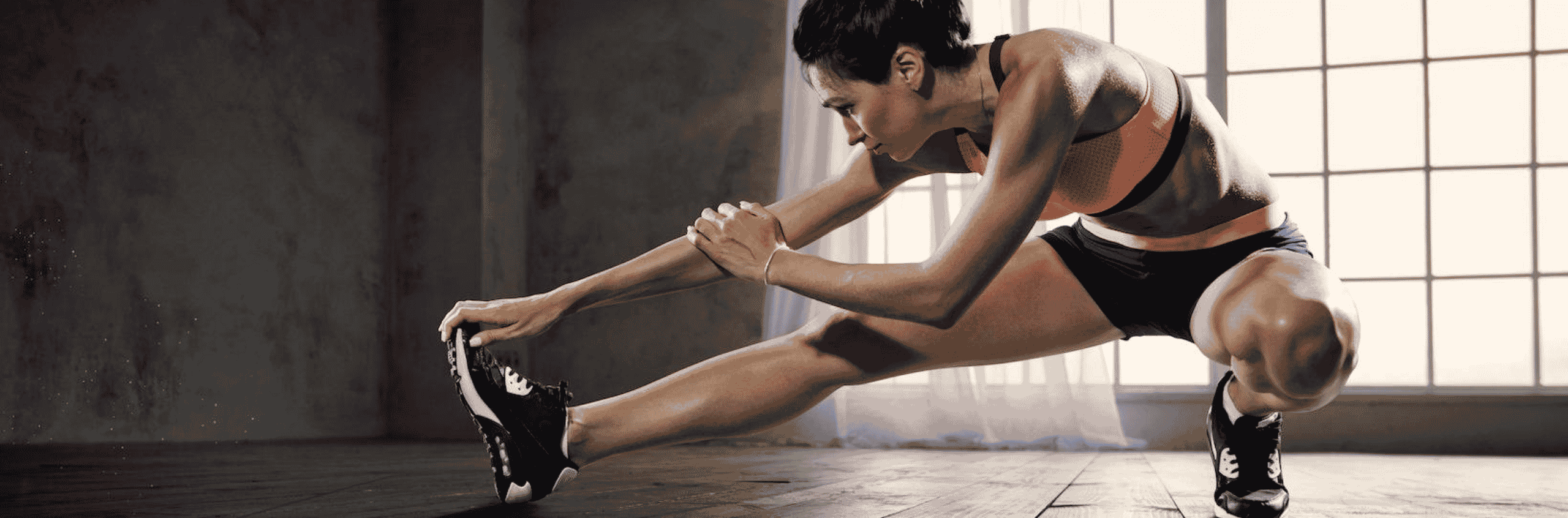
    Stretching

    Stretching has several benefits after exercise. It can help increase both muscle length and range of motion. It may align collagen fibres which results in pain-relieving benefits. It also can help improve our posture. Of course, it also reduces muscle tension and alleviates stress.

    All stretching modalities can improve range of motion. PNF (Proprioceptive Neuromuscular Facilitation) is the best form of stretching to increase range of motion. This type of stretching works by stretching and contracting the muscles. A few examples of this type of stretching includes:

    · The Hold-relax technique – Stretch the muscle without moving, hold and then relax.

    · The Contract-relax technique – Stretching the muscle whilst movement or resistance is added

    · Hold-relax-contract technique – Stretch the muscle without moving, hold and then pushing deeper into the stretch.

    Light Exercise

    Gentle exercise works (yes, more exercise!) best when combined with stretching. This might include walking or very gentle spinning the legs on the bike. Gentle exercise helps your body cool down and calms the nervous system. It has been found to improve sleep after exercise and reduce soreness. But remember, don’t overdo it. You do not want to deplete energy levels or to increase muscle damage. Simple games can be helpful to boost psychological recovery. For this, playing with your kids provides great recovery.

    Myofascial release

    Myofascial release is a soft tissue therapy. It is done using a foam roller. It works by something called autogenic inhibition. This reduces the excited state of the stretched muscle and activates the opposing muscle. It can help increase the range of motion of joints and reduce muscle pain. To perform myofascial release roll your muscles on your foam roller. When you hit a tender spot, maintain pressure on that area for 30-60 seconds. 

    Hot or Cold

    Cold and hot therapies work by decreasing the “thermal load” of the muscle and hence improve performance. The combination of hot and cold is often used at a ratio of 3 or 4:1. Both hot and cold and heat can be effective for reduces muscle damage after exercise. Cold is superior to heat in reducing muscle pain after exercise. Whole-body cryotherapy has been found to reduce muscle pain after exercise and improve recovery from exercise.

    Compression

    Compression tights may have some limited benefits on performance and physiology of muscles. They also seem to help with reducing muscle swelling and soreness. The main effect of compression tights appears to be psychological but this beneficial effect should not be underestimated.

    Nutrition

    Nutrition can have a profound impact on our recovery from exercise. In endurance exercise, optimal ingestion of macronutrients following a workout to boost recovery is 30-60 minutes post-exercise, 7-10g/kg of carbohydrate and 1.2-1.8g/kg of protein. The carbohydrate helps restore glycogen levels in the muscles. The protein helps with protein production in the fatigued muscles. Don’t forget re-hydration as part of your nutritional strategy after exercise. Checking your weight pre- and post-exercise can be helpful for calculating how much you need to drink to re-hydrate. 

    Psychology

    Relaxing the mind is as important as relaxing the body. Music, meditation and breathing exercises have all been found to benefit recovery. These techniques also have great benefit in reducing stress.

    There are multiple avenues by which we can optimise muscle recovery post-exercise. A strong balance between training and recovery will accelerate your athletic progression. All of these techniques also provide great stress relief which makes them a double win.

    British Association of Sports and Exercise Medicine  ·  European Atherosclerosis Society  · 
    Independent Doctors Federation

    As seen in The Independent, The Daily Mail and Tatler

    For educational purposes. This article is written by a practising GP and is intended to inform, not replace a consultation with your own doctor. It does not constitute medical advice. A note on clinical guidelines: Coyne Medical is an independent private clinic. Our approach is guided by the best available evidence, tailored to each individual. This may go beyond standard NHS or NICE guidance, which is designed for population-level care and weighted by resource constraints.

  • Optimising Recovery From Exercise – Capitalise on your rest days

    Optimising Recovery From Exercise – Capitalise on your rest days

    From when we are small children, we are told about the importance of exercise. Whether it be that we need to go outside and play during break time or that as we age, we need to do cardiovascular exercise to maintain heart health and that resistance training will help muscle tone.

    While this is all shown to us as influencing a healthy lifestyle, information about the importance of recovery is not as readily talked about. With recovery possibly being almost as important as physical exercise (https://www.ncbi.nlm.nih.gov/pmc/articles/PMC5916096/ , Dr Hugh has provided us with some ways to capitalise on our rest days, and that yes, most of these can be done sitting on the couch in front of the TV!

    Stretching

    PNF (Proprioceptive Neuromuscular Facilitation) has been found to be best for increasing range of motion. This type of stretching activates both muscle structure and reflex by stretching and contracting the muscles. A mix of both static stretching (a classic static stretch would be bending forwards to touch your toes and holding that position for 20 seconds) and dynamic stretches, including PNF, and partner assisted stretching can benefit. A few examples of this type of stretching includes:

    The Hold-Relax Technique – Stretching the muscle without moving, holding and then relaxing

    The Contract-Relax Technique – Stretching the muscle while moving or resistance is added

    Hold-Relax-Contract Technique – Stretching the muscle without moving, holding and then pushing into the stretch.

    Light Exercise

    Gentle exercise works (yes, more exercise!) best when combined with stretching. This might include walking or very gently spinning the legs on the bike. But be cautioned to not deplete energy levels or to increase muscle damage. Simple games can be helpful to boost psychological recovery and for this playing with your kids provides great recovery.

    Myofascial release

    Myofascial release works by something called autogenic inhibition which reduces the excited state of stretched muscle and activated opposing muscle. It can help increase range of motion of joints and reduce muscle pain. Therefore, even though that foam roller is horrendously painful, give it a shot and see the benefits!

    Hot or Cold

    Cold and hot therapies work by decreasing the “thermal load” of the muscle and hence improving performance. The combination of hot and cold is often used at a ratio of 3 or 4:1. More information on the benefits of both and whether one is better than the other can be found here, https://pubmed.ncbi.nlm.nih.gov/26502272/

    Compression

    Compression tights have some limited benefits on performance and physiology of muscles. However, the main effect to be seen is psychological from a strong placebo effect which can be extremely effective according to this study. (https://pubmed.ncbi.nlm.nih.gov/30310979/)

    Nutrition

    In endurance exercise, optimal ingestion of macronutrients following a workout to boost recovery is 30-60 minutes post-exercise, 7-10g/kg of carbohydrate and 1.2-1.8g/kg of protein. https://www.ncbi.nlm.nih.gov/pubmed/9127682/

    Psychology

    Relaxing the mind is just as important as relaxing the body. Music, biofeedback, meditation, and breathing exercises have all been found to benefit the mental aspect of recovery.

    With there being multiple avenues in which we can optimise muscle recovery post exercise, it is important to remember that a strong balance between the two will ultimately further progression. This is a great point to keep in mind rather than relying on constant exercise or alternatively constant TV watching ‘recovery’ to optimise our amazing bodies!

    British Association of Sports and Exercise Medicine  ·  European Atherosclerosis Society  · 
    Independent Doctors Federation

    As seen in The Independent, The Daily Mail and Tatler

    For educational purposes. This article is written by a practising GP and is intended to inform, not replace a consultation with your own doctor. It does not constitute medical advice. A note on clinical guidelines: Coyne Medical is an independent private clinic. Our approach is guided by the best available evidence, tailored to each individual. This may go beyond standard NHS or NICE guidance, which is designed for population-level care and weighted by resource constraints.