
Category: Longevity & Healthspan

  • Whole-Body MRI: “First Come, First Saved”

    Whole-Body MRI: “First Come, First Saved”

    For some time now, whole-body MRI (magnetic resonance imaging) has been used in the management of people with cancer to detect disease recurrence or progression. MRI is fantastic in this role because it is non-invasive and has no ionising radiation. Whole-body MRI has recently been used in people with genetic syndromes that predispose them to cancer. It is now being used to detect cancer in the general population before symptoms begin. 

    People diagnosed with cancer earlier are more likely to survive than those diagnosed later. Early diagnosis leads to better healthcare experiences. People diagnosed early have fewer treatment side effects and a higher quality of life than those diagnosed later. 

    What is a whole-body MRI? 

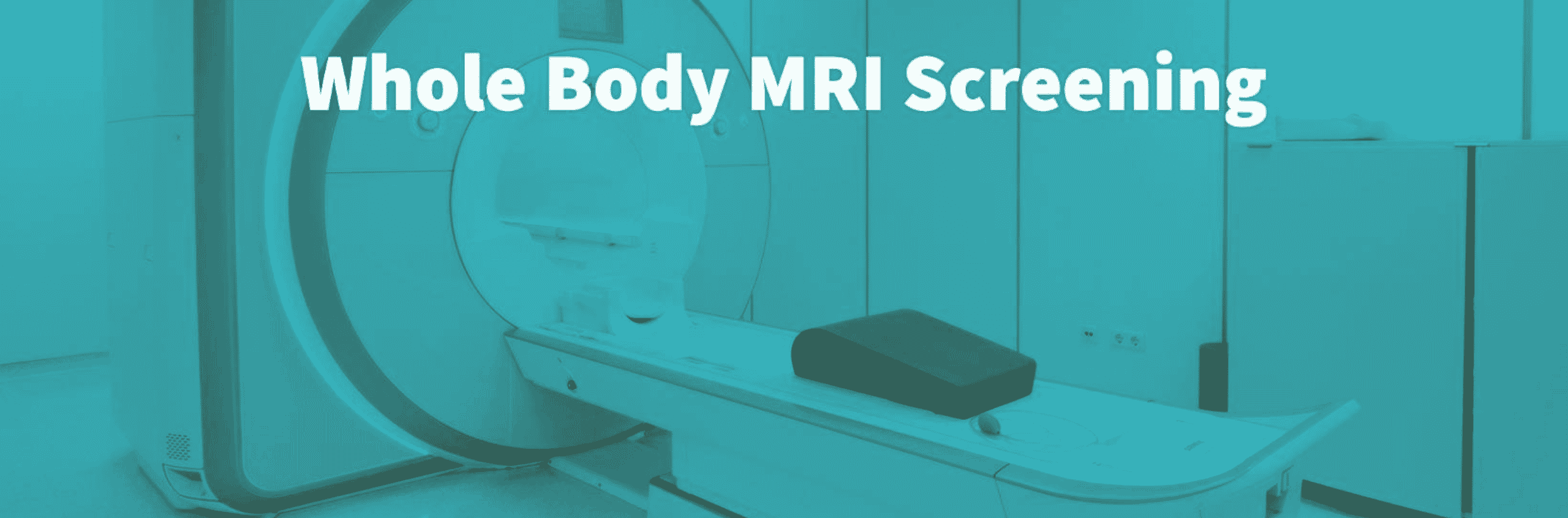
    Whole-body MRI uses very strong magnetic fields to create images of the body. A whole-body MRI does not actually check the whole body. Usually, the arms or legs are not included. This is because the chance of detection of a serious abnormality in the arms or legs is zero. The MRI scanner is a large, noisy, doughnut-shaped machine. The scanner that we use allows patients to watch Netflix while they are having their scan! 

    How long does a whole-body MRI take?

    Usually, a whole-body MRI takes around 90 minutes. Prior to the scan, safety questions are answered, and patients change out of their normal clothes into a comfortable gown and warm socks. As the scans use magnetic fields, certain people, for example, those who may have a pacemaker or metal fragments in their body, cannot have an MRI scan. For everyone else, a whole-body MRI is perfectly safe. 

    Why would you have a whole-body MRI? 

    Early detection of cancer is the main reason to have a whole-body MRI. In studies of whole-body MRI, the rate of cancer detection ranges from 0 to 10%. A review of studies into the whole body found that the pick-up of cancer was between 1 and 2%. By comparison, the detection rate of breast cancer using digital mammography is 0.8%. 

    What are the disadvantages of a whole-body MRI?

    Whole-body MRI is excellent at picking up cancer. It is also excellent at picking out lots of unnecessary detail. Indeed, very few whole-body MRI scans are entirely normal. However, only 30% of whole-body MRI scans detect findings that require further investigation to rule out a serious condition. Waiting for the results of additional investigations can be stressful in the short term. However, studies have found that these people did not have any increased stress in the long term. 

    A whole-body MRI is an extremely effective tool for detecting cancer. It is non-invasive and takes only 90 minutes. It can pick up a lot of unimportant abnormalities, which can increase short-term anxiety. However, in the long run, it is an incredibly valuable opportunity to detect cancer early. 
    British Association of Sports and Exercise Medicine  ·  European Atherosclerosis Society  · 
    Independent Doctors Federation

    As seen in The Independent, The Daily Mail and Tatler

    For educational purposes. This article is written by a practising GP and is intended to inform, not replace a consultation with your own doctor. It does not constitute medical advice. A note on clinical guidelines: Coyne Medical is an independent private clinic. Our approach is guided by the best available evidence, tailored to each individual. This may go beyond standard NHS or NICE guidance, which is designed for population-level care and weighted by resource constraints.

  • How You Can Avoid Shingles

    How You Can Avoid Shingles

    If you’ve had a friend or relative who has had shingles, then you will be familiar with just how uncomfortable it is. It can affect up to 1 in 4 people and is more likely in people aged over 50, although it can occur at any age. 

    The first thing people tend to notice when they have contracted shingles is not the rash but the pain. This can be burning, dull or electric shock-like. Shortly afterwards the characteristic rash develops. This affects only one side of the body and occurs in a band. The rash itself looks rather like the chickenpox rash except that is localised to one area. This is because shingles affects a nerve that supplies the skin and it usually only affects one nerve at a time. The pain and rash occur in the area of skin that is supplied by the affected nerve. 

    How Does It Occur?

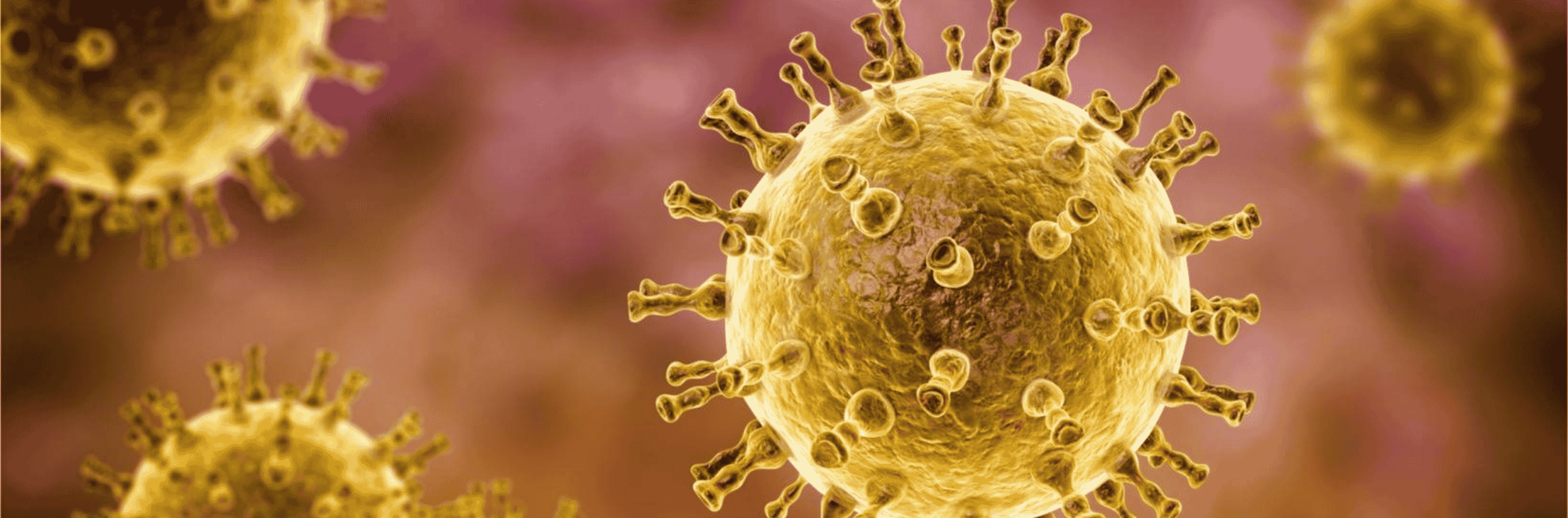
    Many people (doctors included) still struggle to get their heads around how shingles occurs. To have shingles you have to have had chickenpox. The chickenpox virus, also known as the varicella-zoster virus, then lies dormant in one of the nerve endings in our skin. Precisely what causes the reactivation of the virus resulting in shingles is not known. However, it is thought that the risk is increased as our immune system wanes with age. Stress, or another recent illness, may also cause this dip in our immunity allowing shingles to strike. 

    Thankfully, there’s now a simple way to prevent shingles

    There is now a vaccine that can prevent shingles. Zostavax can be given to adults over 50. It is a live vaccine but the virus has been altered so that it does not cause illness. Instead, it primes the immune system to prevent shingles. Because it is a live vaccine it can’t be given to people who have problems with their immune system. While the vaccine does not prevent all cases of shingles it is very effective and in those who do get shingles despite the vaccine, it is likely to reduce the severity and complications. 

    For adults who have never had chickenpox, it is sensible to have the chickenpox vaccine. The two doses given a month apart are about 90% effective in preventing chickenpox. 

    Can someone else catch shingles from me?

    People who have never had chickenpox can contract chickenpox from the shingles rash but you can’t pass shingles onto someone else. The shingles rash is contagious until the blisters start to scab over so it’s best to keep away from pregnant women, children or anyone with a weak immune system if you have it. 

    Brisk Treatment Means Faster Healing

    If you have any of the tell-tale symptoms of shingles such as burning or gnawing pain in a band or the classic rash you should arrange to quickly see your doctor. Antiviral medication such as Aciclovir can be used to help quicker healing and reduce the risk of complications. Antivirals work best if given within 72 hours of the onset of the rash which is why it is important to let your doctor know quickly if you suspect something is wrong. The medication is particularly important to give to people with shingles who are over 50, have the rash near the eye or on an arm or leg, have severe pain or have low immunity. 

    With regard to shingles, prevention is better than cure. So if you’re over 50, think about getting the vaccine. And if you do think you may have shingles see your doctor quickly, as the earlier you start treatment the better.

    British Society for Genetic Medicine  ·  European Atherosclerosis Society  · 
    Independent Doctors Federation

    As seen in BBC, The Guardian, Women’s Health, The Times and Tatler

    For educational purposes. This article is written by a practising GP and is intended to inform, not replace a consultation with your own doctor. It does not constitute medical advice. A note on clinical guidelines: Coyne Medical is an independent private clinic. Our approach is guided by the best available evidence, tailored to each individual. This may go beyond standard NHS or NICE guidance, which is designed for population-level care and weighted by resource constraints.
  • A personal message from our Co-Founder Dr Lucy

    A personal message from our Co-Founder Dr Lucy

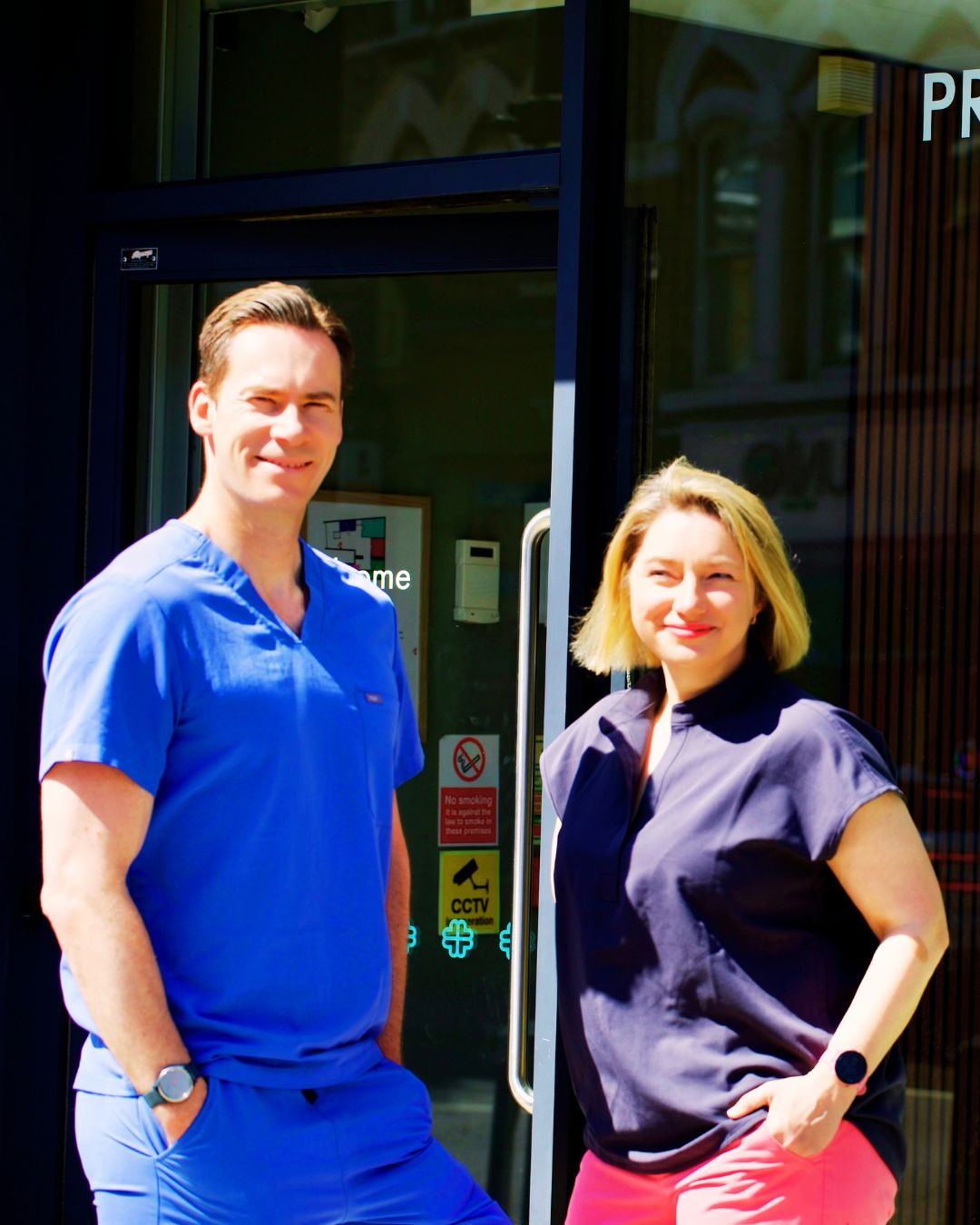
    When Hugh and I founded Coyne Medical over 5 years ago a key part of our dream was to create a family medical practice that embraced preventative healthcare using the latest tools and technology.

    This year we have been excited to be working on bringing genetic screening for cancer and cardiac disease into the practice. We see your genetics as another key piece of information that forms part of 21st-century health screening, in the same way as knowing your blood pressure and cholesterol.

    1 in 6 healthy adults will receive a genetic screening result that shows that they are at high risk of disease. I was not expecting to be one of those people. I recently received a result that puts me at high risk of certain illnesses, especially breast cancer.  Having seen so many women face breast cancer I feel incredibly fortunate to have received this result whilst I am still healthy. I have made the decision to go ahead with a risk-reducing mastectomy this week.

    I will be taking a short break from work whilst I recover from surgery. I know we have a truly excellent team and that everyone will be very well cared for but I will miss my patients and colleagues enormously. I love my job and can’t wait to be back with even more passion for bringing the best medical care to our patients. I look forward to seeing you all soon.

    My very best,

    Lucy

    British Society for Genetic Medicine  ·  European Atherosclerosis Society  · 
    Independent Doctors Federation

    As seen in BBC, The Guardian, Women’s Health, The Times and Tatler

    For educational purposes. This article is written by a practising GP and is intended to inform, not replace a consultation with your own doctor. It does not constitute medical advice. A note on clinical guidelines: Coyne Medical is an independent private clinic. Our approach is guided by the best available evidence, tailored to each individual. This may go beyond standard NHS or NICE guidance, which is designed for population-level care and weighted by resource constraints.
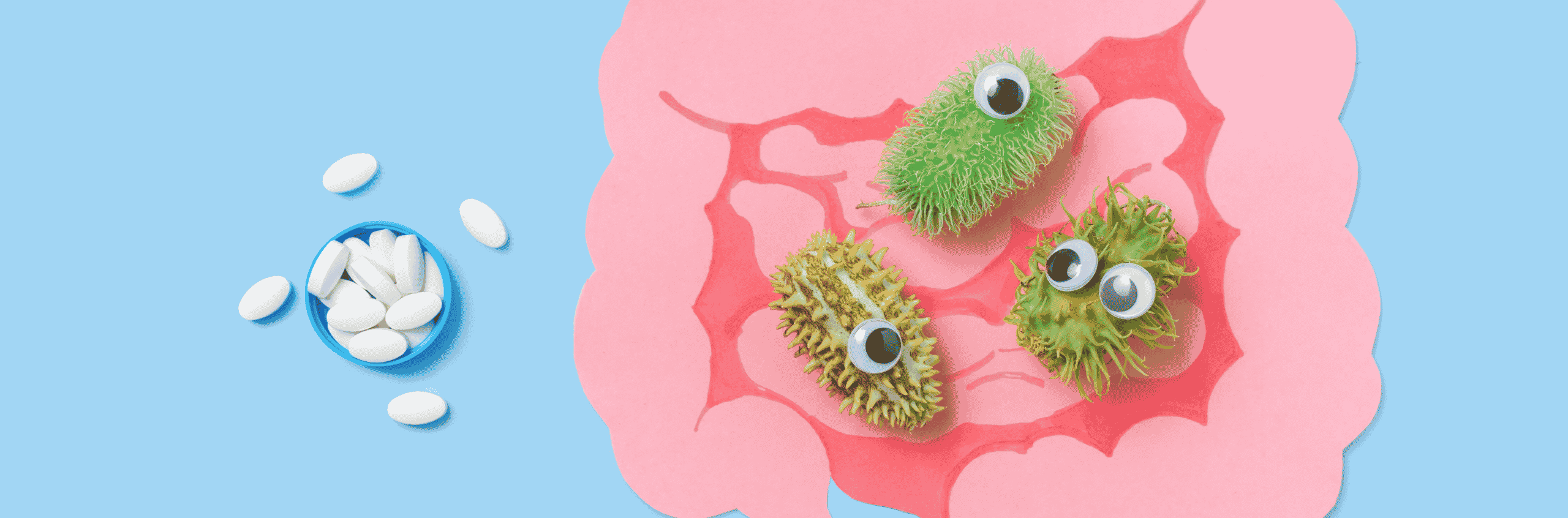
  • Your Microbiome…much more than just some friendly bacteria

    Your Microbiome…much more than just some friendly bacteria

    The microbiome is big news in the health world. The study of those friendly bacteria in our gut has made enormous advancements and has changed the way we understand our immune system and our health.

    What is the microbiome?

    Our microbiome is the collective name for the bugs that live in our gut and all the genetic material that belongs to them. Our bodies contain 100 trillion of them, weighing over 4 pounds in our guts alone. The quantity, diversity and specific species of microbes is dependent on a number of factors. The first 2 to 3 years of life are very important in the establishment of your microbiome. Starting with birth, our gut starts to be cultivated with microbes from our mother’s birth canal, followed by those present in breast milk.  Growing up on a farm, having a pet, and playing in nature as much as possible, are all positively associated with having an abundant and varied microbiome.

    Conversely, your early childhood years can be responsible for negative changes to your gut flora. Caesarean sections, formula feeding and recurrent antibiotics are not gut-friendly. Repeated doses of antibiotics in childhood are associated with an increased risk of type 2 diabetes and obesity. There are clearly many situations where caesareans and antibiotics are life-saving or unavoidable and how we were born or how we give birth to our own children is often out of our control – we can only do our best. It certainly has changed my professional decision making with regards to prescribing antibiotics, adding to the existing concern about over-use and resistance.  Some experts recommend (and I believe it is common medical advice in other countries) that if a young child does need antibiotics, then a course of probiotics at the same time, along with some fermented foods like yoghurt or kefir would be a good idea.

    But why is all of this important?  What does our microbiome do?

    The full extent of the marvel of this newly discovered organ is probably beyond the scope of this article, but it is important to start thinking about looking after your gut and making decisions based on maintaining it’s health.  We have learnt that it forms 70% of our immune system, that it produces many hormones and neurotransmitters that are important in managing our mood, that is has an important role in regulating the inflammation in our bodies and hence impacts our risk of chronic diseases and that changes in the numbers and type of microbes can have positive and negative effects on our weight.

    How to better my microbiome?

    Fortunately, there are a lot of simple and practical things that we can do to improve and support our microbiome and help to support our immune system, reduce our risk of chronic diseases and help to regulate our mood.  You may immediately think of probiotics, those live bacteria in the form of drinks or capsules that you hope may set up a new life in your gut.  Unfortunately, many never it make it as far as the large intestine and so are rendered useless.  There is a lot of hype around probiotics and unfortunately little science behind most of them.  They can be a good idea however when using antibiotics, you just need to choose wisely.

    The food approach…

    It is much better to have a ‘food first’ approach. Start with limiting the amount of processed and sugary foods, then aim to eat at least 5 different vegetables, ideally of 5 different colours every day. I heard the other day that we have increased our broccoli consumption by 940% in the past 25 years. Now we all know that we should eat our greens but are you aware of the amazing properties that broccoli has? Broccoli is one of a group of foods known as pre-biotics that provide the fibre that our gut bugs thrive on. Others include onions, garlic, bananas, leeks, cauliflower and Jerusalem artichokes. The gut bugs feed on this fibre in the large intestine and produce various by-products including short-chain fatty acids, or SCFAs. These SCFAs, of which butyrate is one of the most studied, are anti-inflammatory. This means they can help to reduce inflammation which can lead to heart disease, Alzheimers and arthritis. Cruciferous vegetables like broccoli also have an role in your immune system in the small intestine. So we are wise to have increased our broccoli intake so much!

    It is encouraging to know that when you start to eat differently, your microbiome will start to change within 2 to 3 days. Incorporating 5 different vegetables into your diet every day will accelerate the process of optimising it. The different colours found in these foods contain different compounds known as phytonutrients. We are only just starting to understand the amazing benefits of these substances but do know that they help heart health, fight cancer cells and reduce inflammation and brain ageing. Polyphenols, a particular type of phytonutrient have powerful antioxidant effects, which means they help to mop up the damage caused by everyday natural body processes, keeping your body in harmony. These can be found in berries, green tea and flax seeds, but also in red wine, good quality chocolate and coffee – so feeding your microbiome can also feed your soul!

    Whilst manufactured probiotic products may not be worth it, adding fermented products to your diet is a good natural option – especially if homemade!  Foods such as yoghurt, kefir, kombucha, kimchi and sauerkraut come ready made with lots of ‘good bacteria’ already present and so are a healthy addition to any diet.

    The exercise approach…

    It isn’t just food that can affect our microbiome. There is evidence that exercise can increase microbial diversity. There is also evidence that our gut microbes have their own circadian rhythm and that allowing a good period of fasting every day between dinner and breakfast of at least 12 hours can increase the number of specific species associated with better weight control and insulin sensitivity. Prioritising sleep is hugely beneficial to lots of areas of health and gut health is no exception.

    I anticipate that in the future, the research coming out in this area will be fascinating, with possible practical implementations to use microbes in the treatment and prevention of disease, maybe with personalised probiotic supplements. Faecal transplants are already used successfully in the treatment of resistant cases of a bowel infection called Clostridium difficile…who knows what use it may have in the future! I think for now, the message is to look after your gut through adopting healthy lifestyle habits. Eat the rainbow, limit processed and sugary foods, spend time in nature or doing the gardening, prioritise sleep and exercise, and allow a good period of time each night for your gut to rest. Now, pass the broccoli!

    British Association of Sports and Exercise Medicine  ·  European Atherosclerosis Society  · 
    Independent Doctors Federation

    As seen in The Independent, The Daily Mail and Tatler

    For educational purposes. This article is written by a practising GP and is intended to inform, not replace a consultation with your own doctor. It does not constitute medical advice. A note on clinical guidelines: Coyne Medical is an independent private clinic. Our approach is guided by the best available evidence, tailored to each individual. This may go beyond standard NHS or NICE guidance, which is designed for population-level care and weighted by resource constraints.