
Category: Longevity & Healthspan

  • What your mouth can tell you about your health

    What your mouth can tell you about your health

    Most people think of oral health as something their dentist handles. Bleeding gums, cavities, the occasional check-up. What most people do not know is that the health of your mouth has a direct and well-evidenced connection to your heart, your immune system, and your metabolic health. What happens in your mouth does not stay there.

    The bacteria that cause gum disease do not simply sit in your gums. They enter your bloodstream. They have been found inside the walls of arteries. They trigger inflammatory signals that affect your heart, your blood sugar, and your immune response. Research shows that treating gum disease reduces a key marker of systemic inflammation by an amount comparable to some dedicated lifestyle interventions. This is not a fringe idea. It is increasingly recognised as one of the most overlooked connections in medicine.

    At Coyne Medical, we include an oral health screen as part of the Ultimate Health Screening for exactly this reason. This guide explains what the test looks at, what the results mean, and why your mouth is worth including in any serious health assessment.

    What the oral health screen measures

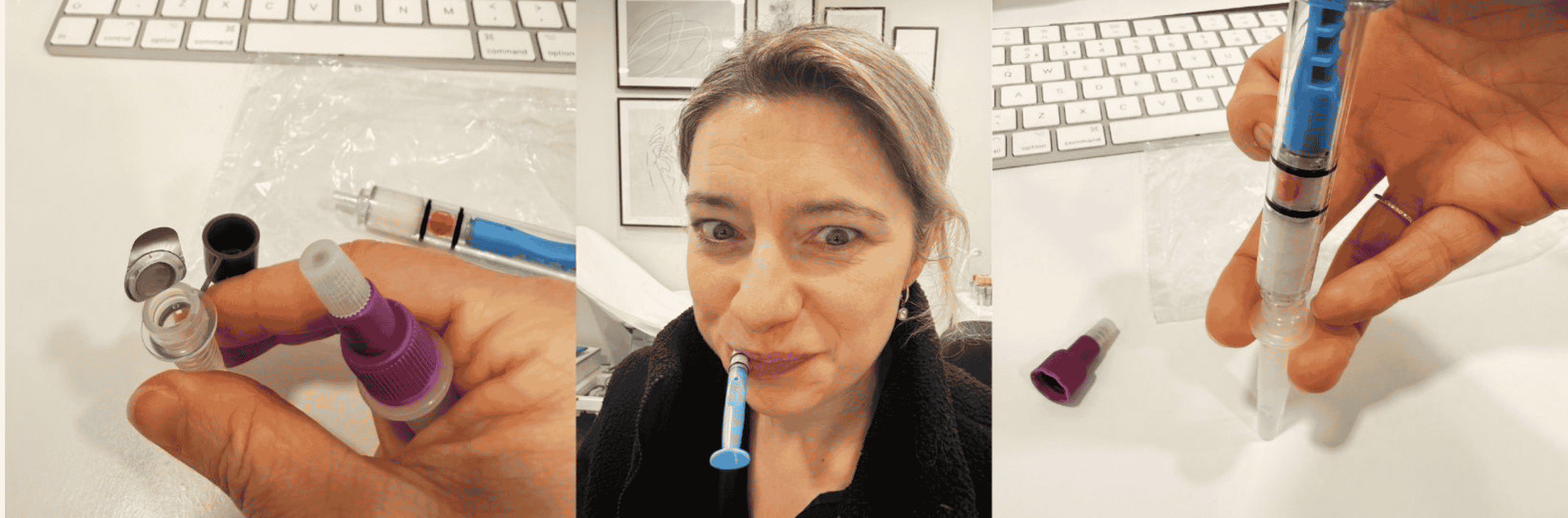
    The test is simple. During your GP assessment, we use a small cotton swab to collect a saliva sample. That sample is then applied to a test card and analysed on the spot. No laboratory, no waiting weeks for results. The findings feed directly into your overall results consultation.

    The sample is measured across six markers.

    P. gingivalis is the main bacterium responsible for gum disease. It is also the organism most directly linked to cardiovascular and gut consequences of oral inflammation. Researchers have found it not just near arterial plaques but inside them. The test shows whether levels are within the good range, poor, or very poor.

    MMP-8 is an enzyme your immune system releases when gum tissue is under attack. Raised levels indicate active inflammation in the gums, often before you have noticed any symptoms yourself.

    Salivary pH measures how acidic your mouth is. A pH between 6.5 and 8.5 supports a healthy balance of bacteria. A more acidic environment lets harmful bacteria thrive and protective ones retreat.

    Buffering capacity is your mouth’s ability to neutralise the acids that bacteria produce. When this is low, the risk of enamel erosion increases and the conditions for an imbalanced bacterial environment are in place.

    Nitric oxide is a molecule that plays a role in keeping blood vessels healthy and blood pressure regulated. Part of it is produced through activity in the mouth, which makes salivary nitric oxide a useful window into cardiovascular and metabolic health.

    Salivary proteins are part of your mouth’s first line of defence against infection and inflammation. Low levels suggest that defence is reduced.

    All six results are reviewed by your Coyne Medical GP alongside your cardiovascular markers, metabolic blood results, and full clinical picture. That is what makes the findings meaningful rather than just numbers on a page.

    Why oral health affects the rest of your body

    Your heart

    Gum disease increases the risk of coronary heart disease by roughly 25 to 35 percent. The bacteria responsible for gum disease can enter the bloodstream through inflamed gum tissue and travel to the arteries, where they contribute to the build-up of plaques. They also trigger the production of inflammatory molecules that drive that process further. These are the same inflammatory signals that cardiologists spend significant effort trying to reduce.

    Studies have shown that treating gum disease lowers a widely used marker of inflammation in the body by a meaningful amount after six months of treatment. That is a real clinical effect from addressing something that needed treating anyway.

    Your blood sugar

    The relationship between gum disease and type 2 diabetes runs in both directions. High blood sugar creates an environment in which harmful oral bacteria thrive. And in turn, chronic inflammation from gum disease makes it harder for the body to regulate blood sugar effectively. Treating gum disease has been shown to improve blood sugar control in people with type 2 diabetes. The mouth is part of the metabolic picture.

    Your immune system

    Your mouth is home to over 700 species of bacteria, making it the second most diverse microbial environment in the body after the gut. When that balance tips toward a harmful mix, the effects do not stay local. You swallow around 1.5 litres of saliva every day, and whatever bacteria are living in your mouth travel with it. Harmful oral bacteria have been found in inflamed gut tissue. Chronic oral inflammation also primes immune cells in ways that can amplify inflammatory responses throughout the body.

    Understanding your results

    Each of the six markers is rated across a range from good to very poor, with reference values in the report. A result outside the optimal range is not a diagnosis. It is a signal worth understanding in the context of everything else your health screen has found.

    Some patterns that commonly come up and what they tend to suggest:

    Elevated P. gingivalis alongside raised inflammatory markers elsewhere in the blood results points toward gum disease as an active contributor to systemic inflammation. The starting point is almost always a dental review and professional periodontal assessment.

    Low buffering capacity combined with a poor salivary pH often reflects frequent consumption of acidic foods or drinks, and can also indicate dehydration or mouth breathing, both of which carry broader health implications worth discussing.

    Low nitric oxide, particularly alongside elevated blood pressure or cardiovascular risk markers, adds a useful piece to the cardiovascular picture. Increasing dietary nitrate through vegetables has good evidence in this context and is something your GP can discuss with you at the results consultation.

    Low salivary proteins can reflect immune suppression, chronic stress, or nutritional factors. It is most useful when considered alongside the full screening picture rather than in isolation.

    What happens next

    Where all six markers are within normal ranges, no specific action is needed beyond maintaining good oral hygiene and seeing your dentist regularly.

    Where results fall outside optimal ranges, your Coyne Medical GP will discuss the findings at your results consultation. Depending on what is found, this may include a referral to a dentist or periodontist for professional assessment, dietary changes targeting specific markers, further investigation of relevant blood markers, or a follow-up review at three to six months.

    The oral health screen does not replace dental care. Its role is to make sure that meaningful signals in your mouth are not missed in the gap that tends to exist between medical and dental medicine

    Frequently asked questions

    Is the oral health screen a dental test? No. It is a health screen that uses saliva to look at markers connected to cardiovascular risk, inflammation, and metabolic health. It complements your dental care but does not replace it. All results are reviewed by a Coyne Medical GP, not a dentist.

    Do I need to have gum disease for this to be relevant to me? No. Many people with elevated oral inflammatory markers have no symptoms at all. The test is most valuable as part of a comprehensive health screen precisely because it can identify signals before they become visible problems.

    Why is this test included in the Ultimate Health Screening? Oral health is one of the most well-evidenced and most overlooked contributors to cardiovascular risk and systemic inflammation. Including it within a comprehensive screen allows the findings to be interpreted alongside cardiovascular, inflammatory, and metabolic data, which is where the clinical value lies.

    What is P. gingivalis and why does it matter? It is the main bacterium responsible for gum disease, and the one most directly linked to effects beyond the mouth. It has been found inside arterial plaques and in inflamed gut tissue. Most people have never heard of it, but it is one of the more significant organisms in the body from a systemic health perspective.

    Will my results be shared with my dentist? Not automatically. The report belongs to you, and many patients choose to share it with their dentist as a starting point for a conversation about their gum health. Your Coyne Medical GP can help you understand what to share and how.

    Is a saliva test accurate enough to be clinically useful? The test measures specific biochemical markers directly from saliva and is designed for use in clinical settings. It does not replace a full laboratory periodontal analysis, but as a systemic risk indicator within a comprehensive health screen and interpreted by a GP alongside other clinical findings, it provides genuinely useful information.

    A note from Dr Lucy Hooper

    Medicine and dentistry are treated as separate disciplines, but the biology does not respect that division. Your gut begins in your mouth. Inflammatory signals from your gums enter your bloodstream. Bacteria from your oral environment travel to your arteries and your gut. Yet in most medical settings, the mouth is simply not examined.

    We added the oral health screen to the Ultimate screening because we want to close that gap. Not to become dentists, but to make sure that when we are reviewing someone’s cardiovascular risk or their inflammatory markers, we are not ignoring something significant and treatable happening upstream. For some patients, what we find in their saliva will be the most actionable result in the whole screen.

    Discover the Ultimate Health Screening

    The oral health screen is one part of the Coyne Medical Ultimate Health Screening. It sits alongside whole body MRI, VO2 max testing, pharmacogenomics, a 55 gene inherited cancer risk panel, and a full advanced blood panel. Find out what is included and how to book.

    British Society for Genetic Medicine  ·  European Atherosclerosis Society  · 
    Independent Doctors Federation

    As seen in BBC, The Guardian, Women’s Health, The Times and Tatler

    For educational purposes. This article is written by a practising GP and is intended to inform, not replace a consultation with your own doctor. It does not constitute medical advice. A note on clinical guidelines: Coyne Medical is an independent private clinic. Our approach is guided by the best available evidence, tailored to each individual. This may go beyond standard NHS or NICE guidance, which is designed for population-level care and weighted by resource constraints.


  • Gut Microbiome Testing: How Your Gut Health Affects Weight, Mood & IBD

    Gut Microbiome Testing: How Your Gut Health Affects Weight, Mood & IBD

    Is Your Gut Controlling Your Health? Why Gut Microbiome Testing is a Game-Changer

    Just 1% of the DNA in our body is human, the rest belongs to the large community of microbes that live within our body. The richest area is in the gut. The gut microbiome is about much more than digestion, it has impacts on your metabolism, cancer risk, mood and much more. Read on to learn what your gut microbiome does and how gut microbiome testing could improve your health.

    What is Your Gut Microbiome (And Why Does It Matter)?

    The bacteria in your gut are not just passengers along for the ride, they have their own metabolism and complex connections. When you consume fibre, these bacteria digest it and produce short-chain fatty acids (SCFAs), like butyrate, propionate, and acetate. These SCFAs

    These SCFAs are critical for your health. They:

    • Act as the main energy source for your gut lining.
    • Help maintain your “intestinal barrier,” keeping unwanted substances out of your bloodstream.
    • Regulate inflammation throughout your body.
    • Influence your lipid and glucose metabolism.

    Understanding ‘Dysbiosis’: When Good Guts Go Bad

    A healthy gut microbiome is balanced, it contains a wide variety of different species. This is important because the bacteria help to support each other, and make the microbiome more resilient. There are some key bacteria that we know are usually beneficial and associated with good health. Dysbiosis is the term used to indicate loss of healthy microbiome balance. This has impacts well beyond the gut and is associated with a wide range of chronic diseases, including obesity, type 2 diabetes, inflammatory bowel disease, cardiovascular disease, and even neurodegenerative disorders.

    The Surprising Link: How Gut Health Affects Your Weight and Diabetes Risk

    If you struggle with your weight, your microbiome might be a factor. Dysbiosis is linked to obesity and T2DM in several ways:

    1. Increased Energy Harvest: Some bacteria are too good at their job. They possess enzymes that break down indigestible fibres, extracting more calories from your food, which promotes weight gain.
    2. “Leaky Gut” and Inflammation: The microbiome has vital roles in keeping the gut barrier intact. The gut wall stops unwanted bacteria and other substances getting inside the body. A damaged gut barrier allows bacterial components, like lipopolysaccharide (LPS), to “leak” into your bloodstream. This triggers chronic, low-grade inflammation, chemical messengers trigger insulin resistance and metabolic syndrome. These changes to the metabolism mean it is easier to gain weight and harder to lose it. 

    Hormone Disruption: Your gut microbes can even alter the secretion of satiety signals like GLP-1. Made famous by weight loss medicines, like Mounjaro and Ozempic, GLP-1 is a key chemical signal to tell us we have had enough to eat.

    Beyond Weight: Is Your Gut Linked to Inflammatory Bowel Disease?

    Gut microbiome changes can affect our body in many ways. 

    Inflammatory Bowel Disease (IBD): We can actual spot specific patterns of gut organisms, microbiome signatures, which are linked to the future onset of inflammatory bowel disease such as Crohn’s disease. These changes can be seen up to 5 years before symptoms appear. This includes a decrease in anti-inflammatory bacteria. Bacteria like Roseburia intestinalis for example can increase the number of regulatory T cells, these cells are part of the immune system and help to control inflammation throughout the body. If you are lacking these ‘good’ bacteria it increases inflammation levels. ‘Bad’ bacteria like Ruminococcus torques, cause their impact by degrades the protective layer of mucus which lines the gut and helps protect it’s surface cells.

    The Gut-Brain Axis:Depression & Mental Illness

    We all know that familiar feeling of butterflies in the stomach before an exam. The links between our brain and gut are strong and multiple. We are now learning more about how these links go beyond nerves to include changes to chemical messengers in the bloodstream and brain. We know probiotics and a Mediterranean diet can be an important component of depression treatment, the microbiome is a key part of why those treatments work. 

    Studies show major differences in the gut bacteria of people with depression. This includes a reduction in anti-inflammatory, butyrate-producing bacteria like Faecalibacterium and Coprococcus. Increased numbers of bacteria such as Eggerthella have been linked to causing mood disorders like depression, they may work by changing the amounts of brain chemicals such as tryptophan and serotonin.

    Cancer: from inflammation to DNA damage

    We know that gut dysbiosis can impact your risk of cancer in multiple ways. 

    • Chronic inflammation
      • Many of the changes we see in dysbiosis cause changes to the level of inflammation both in the gut and through immune system and chemical signals throughout the body.
      • These systems go well beyond the gut to the brain, oral microbiome and the whole body.
    • Genotoxins
      • Bacteria such as Fusobacterium nucleatum are one change seen in dysbiosis. These are termed harmful bacteria because they produce toxins (e.g. colibactin). These ‘genotoxins’ can cause direct damage to the DNA in the cells of the gut lining. DNA damage is a critical step in allowing the cells to become cancerous.
        • This process has been especially flagged as perhaps being key to early-onset colorectal cancers, those occurring under 50 years of age.  
    • Slowing the immune response
      • Cytotoxic T cells, are a specific type of immune system cell that play a key role in killing harmful things such as bacteria, but also tumour (cancer) cells. In dysbiosis the changes can mean that the T cells are fewer and less effective at killing cancer cells. 
    • Beyond the gut
      • Dysbiosis does not just affect your colorectal (bowel) cancer risk. It has also been linked to cancers of the breast, lung, liver, pancreas, prostate, cervix, urinary tract, skin, lymphoid tissues, and acute myeloid leukaemia.

    The Gut-Autoimmune Connection: Is Your Immune System Being Confused?

    Your gut and immune system are closely intertwined, they are constantly communicating with each other. Your gut is the largest part of the body in contact with the outside world, so it makes sense that up to 80% of your immune cells are found in the gut to protect your body from invaders like unhealthy bacteria. When you have a healthy microbiome balance the gut helps regulate the immune system, so it can differentiate between friend (your own body and good bacteria) and foe (pathogens). 

    When dysbiosis occurs, two key things can happen:

    1. Systemic Inflammation: An unbalanced microbiome drives chronic, body-wide inflammation.
    2. “Leaky Gut”: The intestinal barrier can be disrupted, allowing bacteria and metabolites to “leak” into the circulation.

    This combination can confuse the immune system, leading it to mistakenly attack your body’s own tissues. This is the hallmark of autoimmune diseases like:

    • Type 1 Diabetes: The loss of the gut barrier is well-documented as a trigger for the T-cell response, these are your own immune cells. In Type 1 Diabetes they attack beta cells in your pancreas that produce insulin. Destruction of your beta cells mean you can no longer produce your own insulin and need lifelong therapy.
    • Rheumatoid Arthritis: Dysbiosis (like an increase in Prevotella copri bacteria) triggers the body to produce antibodies against it. But unfortunately the antibodies that are made to fight Prevotella can then make your immune system start to attack the joints, in a process called ‘molecular mimicry’. 
    • Multiple Sclerosis (MS): Strong links exist between dysbiosis and MS onset. The dysbiosis means there are less healthy bacteria, which digest fibre to produce butyrate. Lower butyrate levels means the gut barrier and the blood-brain barrier are disrupted, this lets more inflammatory cells reach the bloodstream and brain.

    How Do You Test Your Gut Microbiome? The Answer is ‘Shotgun Metagenomics’

    We can not take the guesswork out of your gut health. We now have the technology to let you test your gut microbiome. This is analysed by a fully UKAS-accredited laboratory.

    The test is simple:

    1. You collect a stool sample conveniently at home using the provided kit.
    2. The lab uses a powerful technology called “shotgun metagenomics”.
    3. Unlike older methods, this technique sequences all the DNA present. This allows us to identify not just the bacteria, but also fungi and viruses. It doesn’t rely on growing or culturing them in a lab.

    Your comprehensive report will then give you personalised, actionable insights and recommendations based on your unique results. If you are interested in discussing your gut health then make an appointment to see one of our doctors today for a consultation. The Gut Microbiome Test can be added to your GP consultation or health screening, the Test fee is £311, which includes the collection kit, sample delivery, laboratory analysis and personalised report.

    5 Actionable Ways to Improve Your Gut Microbiome Health Today

    While your test results will give you personalised targets, you can start supporting your microbiome right now with these evidence-based steps:

    1. Eat More Fibre: Aim for diverse, plant-based foods. The recommendation is for 30g per day, the average UK intake is about 18g so most of us have room for improvement.
    2. Try Prebiotics: These are foods that feed your good bacteria, not to be confused with probiotic supplements. Think garlic, onions, chicory root (Inulin), and Jerusalem artichokes. These contain special fibres which can’t be digested by us but instead are digested by our gut bacteria.
    3. Eat Fermented Foods: Add yogurt, kefir, and other fermented products to your diet. Find your favourite and make it a regular part of your nutrition routine. Kimchi is another firm favourite, check out this Dr Rupy recipe for inspiration.
    4. Exercise Regularly: Both aerobic and resistance training have been shown to improve gut biodiversity.
    5. Avoid Smoking and Limit Alcohol: both are well known to be harmful to gut microbiome health and it’s important to limit alcohol and avoid smoking altogether.

    British Society for Genetic Medicine  ·  European Atherosclerosis Society  · 
    Independent Doctors Federation

    As seen in BBC, The Guardian, Women’s Health, The Times and Tatler

    For educational purposes. This article is written by a practising GP and is intended to inform, not replace a consultation with your own doctor. It does not constitute medical advice. A note on clinical guidelines: Coyne Medical is an independent private clinic. Our approach is guided by the best available evidence, tailored to each individual. This may go beyond standard NHS or NICE guidance, which is designed for population-level care and weighted by resource constraints.

  • The Complete Doctor’s Guide to Your Weight Loss Injection Journey

    The Complete Doctor’s Guide to Your Weight Loss Injection Journey

    Welcome to the start of your treatment journey. Embarking on a new path to manage your weight is a significant step, and we are here to support you. We are fortunate to be in a time when we have these powerful medicines to help weight loss. We have seen the most success in our patients when combined with positive and sustainable lifestyle changes. We want you to succeed, we’ve created this guide for getting the most out of your treatment safely and effectively.

    Your First Steps: Dosing, Titration, and What to Expect

    Understanding Your Dosing Schedule (Titration)

    Your dose will start low and be gradually increased over several weeks or months. This process, called titration, is essential. It allows your body to adapt to the medication, which significantly reduces the intensity of potential side effects. Please follow the prescribed schedule and do not increase your dose faster than recommended. Some patients may even benefit from a slower titration, especially if you have troublesome side effects, talk to your doctor to see if this might work for you.

    How to Manage Common Side Effects on Wegovy and Mounjaro

    Most side effects are mild and tend to improve as your body adjusts. We’ve gathered a few tips that can make those first few weeks easier. If you are concerned about your side effects at any time please talk to your doctor for personalised advice.

    Tips for Dealing with Nausea and Indigestion

    Nausea is the most common side effect, it affects up to 70% of people. Eating smaller, blander meals (e.g., toast, rice, bananas) can help. To avoid indigestion and reflux, try to avoid very fatty, greasy foods and an excess of fizzy drinks. Over-the-counter indigestion remedies like Gaviscon can be used if needed.

    Managing Constipation and Fatigue in the First Few Weeks

    The medication can slows down your gut, and cause constipation. Ensure you are drinking plenty of water and eating high-fibre foods. If this isn’t enough, speak to your doctor about gentle remedies. Some patients also feel more tired initially; prioritising good sleep and gentle movement can help boost energy levels. Fruit is a great choice for people on these medicines, the natural sugars can give a good energy boost, plus fibre will help regulate your gut. Some people worry about the “sugar” in fruits, but it is not the same as sugars in processed foods. To get the most benefit eating fruit whole though is much better for you than juices or smoothies.

    The Best Diet Plan for Weight Loss Injections

    Your nutrition is vital for not just your long term success but also your overall health. These medicines will reduce your appetite, if you are eating much less than usual then it becomes even more important to choose the best foods for your body.

    The Importance of Protein, Fibre, and Hydration

    Aim to drink plenty of water throughout the day to stay hydrated. This can also help with fatigue or feeling light-headed. Include fruit, vegetables, and whole grains to boost fibre, which supports gut health and energy. If you want to check your fibre intake, we’ve got a quick online score here, which is a good place to start. Prioritise protein-rich foods (e.g., chicken, fish, eggs, Greek yoghurt) in your meals and snacks, as protein helps you feel fuller for longer. We all know how important protein is for keeping a healthy muscle mass. When people lose a significant amount of weight they often lose muscle. Trying to minimise muscle loss is important, this is because in the long term a healthy muscle mass will help to ensure you have good metabolic health and stay a healthy weight. If you feel your appetite increasing then make sure you start with a high-protein food.

    Foods and Drinks to Avoid to Minimise Side Effects

    As mentioned, very fatty, greasy foods and sugary, fizzy drinks are common triggers for bloating, nausea, and indigestion. Listen to your body and take note of any foods that cause you discomfort.

    A Note on Alcohol Consumption and Cravings

    Be mindful of your alcohol consumption. Alcohol contains a significant number of calories which can hinder your progress. Furthermore, some people find their tolerance to alcohol changes, or that it can worsen side effects like acid reflux. Interestingly many patients report they don’t desire alcohol as much on these medicines. This is likely from how they affect our ‘reward’ pathways in the brain. We’ve seen similar positive effects on other addictions like gambling. Many people also notice their cravings or “food noise” are much less.

    Lifestyle, Exercise, and Your Mental Wellbeing

    We want our patients to be succesful for the long term. We have seen this is more likely to happen when these injections are used as part of a complete plan including your lifestyle, exercise and psychological wellbeing.

    Finding an Exercise Routine That Works for You

    Increasing your activity is crucial and can help you remain on the lowest effective dose. This isn’t just about going to the gym. Daily movement is very important, think about how you can make your life active, rather than just a few sessions per week. Take the stairs, go for a walk on your lunch break, or enjoy active hobbies. Every step counts!

    What to Do When You Hit a Weight Loss Plateau

    Weight loss is not always a straight line. It is normal to have weeks where your weight loss stalls. We recommend using other measurements alongside regular weigh-ins, simple at-home tests include measuring your waist and hips with a tape measure. There are also lots of great options for ‘smart’ scales that estimate body fat and muscle mass. Focus on “non-scale victories” like your clothes fitting better, having more energy, or improved health markers, and discuss any concerns with your doctor.

    Navigating Social Events and Eating Out

    Social events centred around food can feel challenging. Plan ahead: look at menus online to choose a lighter option, consider ordering a starter as your main course, eat slowly, and focus on the social connection rather than just the food.

    Looking After Your Mental Health During Your Journey

    Adjusting to changes in your body can be an emotional process. Be mindful of your mental health. Simple things like daily walks, talking to supportive friends, or seeking professional support can be incredibly beneficial. Some people find support from sharing their journey with friends, others prefer to keep it private. Either option is absolutely fine.

    A Practical Guide to Your Medication

    Here are the essential practicalities for handling your medication safely and confidently.

    How to Inject Wegovy, Saxenda, and Mounjaro Safely

    It is vital that your injections come from a regulated UK pharmacy to ensure they are genuine and safe. Using the correct injection site is also important for absorption and comfort. Please refer to the manufacturer’s official guidance for your specific medication.

    Forgot Your Injection? What to Do for a Missed Dose

    The advice for a missed dose varies between medications. Always refer to the patient information leaflet that comes with your medication for precise instructions, or contact us at the clinic if you are unsure.

    Managing Your Prescriptions and Travelling with Your Medication

    Always ensure you order your repeat prescriptions in good time, especially before holidays or if you are planning to travel. Our patients may contact us by email to reception@coynemedical.com with prescription requests. It is helpful to share an up-to-date weight at the same time so we can monitor your progress. We usually recommend a doctor’s review at least every 3 months to ensure you get the most from your medicines.

    Safe Disposal: Using Your Sharps Bin Correctly

    You must use a dedicated sharps bin to safely dispose of your used needles and pens. You can buy these easily through online retailers or from your pharmacy. When full sharps bins must be safely disposed of, your pharmacy or local council should be able to advise on how to do this.

    Long-Term Success: Maintenance, Stopping, and Overall Health

    Thinking about the future is an important part of your journey. Here’s how to plan for sustainable, long-term health.

    Important Drug Interactions to Be Aware Of (Thyroid, HRT, etc.)

    Ensure your doctor is aware of all medicines you take. These injections can affect the absorption of some oral medications, so it’s particularly important to discuss if you are taking medication for your thyroid, on HRT, or use the oral contraceptive pill.

    Planning to Stop or Reduce Your Dose? Read This First.

    As you approach your target weight, work with your doctor to create a plan. Some patients benefit from a slow dose reduction, while others may stay on a lower maintenance dose long-term to prevent weight regain. Having a robust plan for your nutrition and exercise is essential during this phase.

    The Role of Vitamins and Long-Term Health Monitoring

    If you are on the medication long-term, we may recommend occasional blood tests to check your nutritional status. A good quality multivitamin and a Vitamin D supplement are sensible for most, but please discuss this with your doctor first.

    This is a collaborative journey. Please never hesitate to contact us with any questions or concerns. We are here to help you achieve your health goals.

    British Society for Genetic Medicine  ·  European Atherosclerosis Society  · 
    Independent Doctors Federation

    As seen in BBC, The Guardian, Women’s Health, The Times and Tatler

    For educational purposes. This article is written by a practising GP and is intended to inform, not replace a consultation with your own doctor. It does not constitute medical advice. A note on clinical guidelines: Coyne Medical is an independent private clinic. Our approach is guided by the best available evidence, tailored to each individual. This may go beyond standard NHS or NICE guidance, which is designed for population-level care and weighted by resource constraints.

  • Can Your Diet Protect You From Dementia?

    Can Your Diet Protect You From Dementia?

    Can Diet Reduce Dementia Risk?

    We often talk about food as fuel for the body. But what if it’s also medicine for the brain? This may particularly be the base if you have some metabolic dysfunction.

    new study from the UK Biobank, published in 2024, suggests that what you eat could make a meaningful difference to your dementia risk, especially if you have type 2 diabetes, heart disease, or a history of stroke. The researchers tracked over 84,000 people aged 60 and up for more than a decade. They examined their diet, health conditions, and in some cases, their brain scans.

    The Inflammation Connection

    The link between inflammation and disease certainly isn’t new. We know that chronic low-grade inflammation plays a role in heart disease, type 2 diabetes, and even dementia. The term “inflammaging” has been coined to describe this slow-burning, systemic irritation that seems to drive many age-related conditions.

    The Dietary Inflammatory Index (DII) ranks your diet based on how likely your diet is to promote inflammation. Pro-inflammatory diets are heavy in processed meat, refined carbs, processed foods and added sugars. Anti-inflammatory diets tend to be rich in vegetables, fruit, whole grains, fish, legumes and olive oil. Essentially, a Mediterranean-ish pattern wins again.

    The Main Question

    The researchers wanted to know whether an anti-inflammatory diet reduces dementia risk. This was especially pertinent for people already at higher risk due to cardiometabolic disease (CMD). CMD in this study included type 2 diabetes, heart disease, or stroke. This is because people with CMD are at higher risk of dementia. 

    In answer, the anti-inflammatory diet does reduce dementia risk, and it’s not a trivial difference.

    Compared to people without CMD who ate an anti-inflammatory diet (the “healthiest” group), those with CMD and a proinflammatory diet were more than twice as likely to develop dementia. But those with CMD who ate an anti-inflammatory diet had a 31% lower risk of dementia than their proinflammatory peers.

    They also developed dementia two years later, on average.

    Brains on Scan

    Around 9,000 people in the study had brain MRI scans. This allowed researchers to look for changes associated with cognitive decline.

    People with CMD and a proinflammatory diet had smaller grey matter volume (the brain cells you want to keep) and more white matter hyperintensities (a marker of small vessel disease and vascular injury). Those with CMD and an anti-inflammatory diet had significantly better brain structure. This was reflected by more grey matter and less white matter damage. Not perfect, but certainly better.

    A Few Caveats

    Like any good study, this one has its limitations. Diet was assessed using 24-hour food recall, which isn’t perfect. People might forget what they ate, or fudge it slightly to sound healthier. Also, the DII is based on nutrients rather than food types. So, it can’t distinguish between plant-based and animal-based proteins, or account for cooking methods that might influence the inflammatory load of a meal.

    Still, participants with higher DII scores had higher levels of inflammatory markers in their blood. This lends credence to the idea that the DII is capturing something meaningful.

    The Takeaway – avoid the takeaway

    If you’ve already got diabetes, heart disease or a history of stroke, your brain may be more vulnerable. But your diet might offer a way to fight back.

    Choosing anti-inflammatory foods won’t reverse existing brain damage, but it might slow the progression of cognitive decline. At the very least, it’s a low-risk strategy. It also benefits your cardiovascular health, blood pressure, gut, and energy levels. 

    If your goal is to keep your brain sharp, go for plenty of colour on the plate. A good example might be salmon and lentils over sausage rolls and white bread. It’s not about perfection. It’s more about shifting the odds in your favour.

    And in this case, the odds are worth shifting.

    British Association of Sports and Exercise Medicine  ·  European Atherosclerosis Society  · 
    Independent Doctors Federation

    As seen in The Independent, The Daily Mail and Tatler

    For educational purposes. This article is written by a practising GP and is intended to inform, not replace a consultation with your own doctor. It does not constitute medical advice. A note on clinical guidelines: Coyne Medical is an independent private clinic. Our approach is guided by the best available evidence, tailored to each individual. This may go beyond standard NHS or NICE guidance, which is designed for population-level care and weighted by resource constraints.

  • Longevity Unlocked: 3 Proven Ways to Live Longer and Better

    Longevity Unlocked: 3 Proven Ways to Live Longer and Better

    Want to Live Longer and Better?Here’s What Actually Works for Longevity

    There’s no shortage of online chatter about longevity and how to live longer. Cold plungessupplementswearables, red light therapy. The longevity list is almost endless. It continues to grow exponentially. But the most powerful things you can do to extend your life and stay sharp into old age are the same things we’ve known about for decades. And the evidence for them continues to grow.

    2017 study from the US followed nearly 15,000 people over 12 years to answer one simple question. What’s the impact of your everyday behaviour, such as smoking, weight, and alcohol intake, on how long you live and how many of those years you’ll spend free of disability? The results are clear. Your habits in midlife don’t merely shape how long you live. They shape how well you live.

    The Longevity Lowdown

    The people who lived the longest and had the healthiest later years shared three traits. They had never smoked. They weren’t obese. And they drank alcohol in moderation. In fact, men and women with all three low-risk behaviours lived, on average, seven years longer than the rest of the population. Yet it’s not just about adding years. It’s about adding good years. Most of that extra time was spent without disability, walking, dressing, eating and living independently.

    On the flip side, people who had smoked, were obese, and drank heavily lived shorter lives. They also spent more of those years with disability. Perhaps, no surprises there, but it’s a stark reminder. Your body keeps the score.

    Obesity: The Heavy Hitter

    Obesity was the strongest predictor of early disability. Obese men lost three good years. Obese women lost six. That’s six more years struggling with everyday tasks such as getting out of bed, walking down the street, or dressing. While smoking shortened life more overall, obesity hit quality of life harder.

    The reality is that more than a quarter of the people in this longevity study were obese. And while smoking rates have dropped, obesity is rising. That trend could wipe out a lot of the gains we’ve made in public health. This is why anti-obesity medications are such an exciting overall health development. 

    It is also worth noting that lean beef tends to be higher in cholesterol-lowering fats (monounsaturated and polyunsaturated) than cholesterol-raising saturated fats. Many of the included trials also tried to match saturated fat across diets. This makes it unlikely that saturated fat was a major driver.

    Alcohol: Less is More

    Moderate drinkers, fewer than 14 drinks per week for men, fewer than 7 for women, did better than both teetotallers and heavy drinkers. This is possibly because moderate drinkers tend to have other positive lifestyle traits. Or perhaps some benefit comes from social connection. But the takeaway is simple. Drinking a little is fine. Drinking too much, or hardly at all, can carry risks.

    Never Smoked? Great. Quit Early? Still Worth It

    One of the most encouraging findings was about ex-smokers. People who had quit more than a decade ago and ticked the other healthy boxes (not obese, moderate drinkers) still gained nearly as much life as those who had never smoked at all. So if you’ve smoked in the past, all is not lost. You can still turn things around.

    So What Does This Mean for the UK?

    While this was a US longevity study, the implications are just as relevant here. The NHS is under strain. We have an ageing population. And too many people are spending their final years in poor health. But here’s the good news. These aren’t mysterious or unattainable changes. These are behaviours within our control.

    The best-case scenario is that you live longer than average. You stay mobile, independent, and sharp into your 80s and beyond. And you spend fewer years dealing with the burden of disease. That’s good for you. It’s good for your family. And it’s good for the healthcare system.

    Forget the biohacking gimmicks. The single best investment you can make for your longevity is to build a life where you eat well, move often, don’t smoke, and keep alcohol in check. These behaviours don’t just prevent illness. They preserve function. They keep you active, independent, and engaged with life for longer.

    The best time to make a change is in your 30s or 40s. The second-best time is today.

    British Association of Sports and Exercise Medicine  ·  European Atherosclerosis Society  · 
    Independent Doctors Federation

    As seen in The Independent, The Daily Mail and Tatler

    For educational purposes. This article is written by a practising GP and is intended to inform, not replace a consultation with your own doctor. It does not constitute medical advice. A note on clinical guidelines: Coyne Medical is an independent private clinic. Our approach is guided by the best available evidence, tailored to each individual. This may go beyond standard NHS or NICE guidance, which is designed for population-level care and weighted by resource constraints.

  • The New RSV Vaccine: What You Need to Know

    The New RSV Vaccine: What You Need to Know

    We can now offer vaccination against RSV (respiratory syncytial virus (RSV). This is great news so we can protect our patients from this nasty infection.

    💉 Great news! We can now offer vaccination against Respiratory Syncytial Virus (RSV). It causes serious respiratory infections in babies, older adults, and those with weakened immune systems.

    This new RSV vaccine can help protect vulnerable groups and reduce hospitalisations. Here’s everything you need to know.

    🔍 Understanding RSV

    What is RSV?

    RSV is a common respiratory virus that can cause:
    ✅ Runny nose 🤧
    ✅ Coughing & sneezing 😷
    ✅ Fever 🌡️
    ✅ Shortness of breath 🫁

    👶 In babies, RSV can lead to bronchiolitis—a severe lung infection.
    👂 In older children, it can cause middle ear infections & croup.

    💡 How does RSV spread?

    • Through coughing & sneezing 🤧
    • By touching contaminated surfaces (RSV can survive for hours!) 🦠
    • From close contact with infected people 👥
    ⚠️ Who is at Risk?

    RSV can affect anyone, but some groups are more vulnerable:

    👶 Babies under 6 months (especially those born August to November)
    🏥 Premature babies or those with lung or heart conditions
    🧓 Older adults (60+ years)—RSV can be fatal for some
    🤒 People with weakened immune systems

    Each year, thousands of babies, children, and adults in the UK are hospitalized due to RSV. Now, we finally have a vaccine to help prevent it! 🎉

    💉 The RSV Vaccine: How It Works

    The RSV vaccine (Abrysvo® by Pfizer) is NOT a live vaccine. It works by:
    1️⃣ Exposing your immune system to a small part of the virus (an antigen).
    2️⃣ Helping your body develop protective antibodies.
    3️⃣ Allowing your immune system to recognise & fight RSV quickly if exposed.

    💪 The result? A much lower risk of serious RSV infection!

    📊 How Effective is the RSV Vaccine?

    For Infants (via Maternal Vaccination)

    👩‍🍼 Pregnant women who receive the vaccine pass antibodies to their babies. This has been shown to:
    ✅ Reduce severe RSV infections in newborns by ~80%

    For Older Adults (60+ years)

    📊 Studies show that vaccinated adults have an 80% lower chance of severe RSV infection.
    ⏳ Protection has been shown to last at least 2 years.

    ⚠️ Is the RSV Vaccine Safe?

    Yes! The vaccine has been rigorously tested and used in real-world settings, such as the USA, since 2023.

    Possible Mild Side Effects (like other vaccines):

    💪 Soreness at the injection site
    🤕 Mild fever or headache
    🦵 Muscle aches

    🚨 If you have a history of allergic reactions to a vaccine, consult your doctor before getting vaccinated.

    👩‍⚕️ Who Should Get the Vaccine?

    Currently, the RSV vaccine is licensed in the UK for:

    🤰 Pregnant women (recommended at 28–36 weeks of pregnancy)

    • Antibodies pass to the baby through the placenta
    • If you miss the timing, you can still get vaccinated later in pregnancy, antibodies can also be passed through breast milk 🍼

    👵 Older adults (60+ years)

    • RSV can cause hospitalisations & deaths in older adults
    • The vaccine is especially important for those with lung or heart disease

    🏥 Where to Get Vaccinated?

    NHS Eligibility

    ✔️ Pregnant women—Available during routine antenatal care
    ✔️ Older adults—Currently offered to:

    • 📅 Ages 75–79
    • 📅 Ages 80+ (if you turned 80 after 1st September 2024 and before Aug 31, 2025)
      🩺 Check with your NHS GP to confirm availability.

    Private Vaccination at Coyne Medical

    🏥 We offer RSV vaccination for:
    ✅ Pregnant women (28–36 weeks)
    ✅ All adults aged 60+

    📅 Book an appointment online or contact us to schedule your RSV vaccination today!

    🔮 Looking Ahead

    Currently, there is no RSV vaccine licensed for babies & young children in the UK.
    🔬 However, monoclonal antibody treatments are available for high-risk infants under hospital care.

    📢 Take Action – Protect Yourself & Your Loved Ones!

    💡 With ongoing research, we hope to see more RSV protection options available soon!

    ✅ Pregnant? Over 60? Get vaccinated today!
    📅 Book your RSV vaccine now to stay protected.

    💬 Got questions? Contact us at Coyne Medical—we’re happy to help!

    British Society for Genetic Medicine  ·  European Atherosclerosis Society  · 
    Independent Doctors Federation

    As seen in BBC, The Guardian, Women’s Health, The Times and Tatler

    For educational purposes. This article is written by a practising GP and is intended to inform, not replace a consultation with your own doctor. It does not constitute medical advice. A note on clinical guidelines: Coyne Medical is an independent private clinic. Our approach is guided by the best available evidence, tailored to each individual. This may go beyond standard NHS or NICE guidance, which is designed for population-level care and weighted by resource constraints.

  • Tax-Free Health Screenings: Safeguard Key Employees

    Tax-Free Health Screenings: Safeguard Key Employees

    1. Tax Benefits of Health Screenings for UK Businesses

    Investing in tax-free health screenings brings large benefits to your team. A health screening can help them stay healthy and productive. Even better, these screenings are completely tax-free for employees, directors, and companies alike.

    In today’s high-tax environment, this is an important opportunity for UK businesses. It’s a “double win” that boosts both employee wellness and financial efficiency.

    2. Protect Your Most Valuable Assets: Key Employees

    Over 50% of UK businesses consider losing key individuals to be their greatest risk. The serious illness of a key team leader, board member, or director can significantly impact not only their productivity but also team morale, project timelines, and overall financial stability.

    Imagine if you, or another key team member, had to step away from work for months. What would happen to daily operations? Could it jeopardise important projects? Would it affect profits and the stability of your business?

    These questions underscore the substantial risks that ill health poses to any company. Small family businesses face this risk as much as—if not more than—larger companies. Whether you’re a close-knit team of two or a large company with 2,000 people, your team members are your most valuable assets.

    Regular health screenings can help safeguard your team’s well-being. Good health means key individuals stay healthy, focused, and ready to contribute to your company’s success.

    3. What Is Included in a Corporate Health Screening Package?

    We offer a range of health screening packages tailored to meet the needs of businesses and their teams. Below is an overview of what each package includes:

    – Advanced Health Screening

    A comprehensive 90-minute assessment with your doctor, including:

    • Full Clinical Examination
    • Advanced Blood Analysis: Over 100 biomarkers.
    • Cardiovascular Risk Assessment: Full lipid panel, lipoprotein (a), ECG, and blood pressure measurement.
    • Metabolic Health Assessment: Diabetes screening, body measurements, and body fat levels.
    • Cancer Screening: Bowel cancer screening, PSA test for males, and cervical screening for females.
    • Family History Review
    • Nutrition, Sleep, Stress, and Mood Assessment
    • Personalised Cancer and Cardiovascular Disease Plans
    • 30-Minute Follow-Up Consultation with your doctor

    – Complete Health Screening

    Includes everything in the Advanced package, plus:

    – Ultimate Health Screening

    • Whole-Body MRI Scan
    • MRI Body Composition: Including visceral fat measurement.
    • VO2 Max Testing: With exercise prescription.
    • Advanced Lipid Testing: Including Apolipoprotein B.
    • Sex Hormone Analysis

    Our most comprehensive package, including everything in both the Advanced and Complete packages, plus:

    • Inherited Cancer Genetic Screening: Screening over 50 genes.
    • Pharmacogenomic Testing: Includes a detailed report tailored to the individual.

    Add-Ons

    Multicancer Early Detection Blood Test:
    Available as an add-on to any health screening package, this test screens for over 70 types of tumours through a simple blood test.

    Bespoke Packages

    We understand that every business is unique. Our team can design custom packages to suit a wide range of team structures, from small family-run businesses to large executive boards. Contact us to discuss a tailored solution for your company.

    4. Why Corporate Health Screenings Are Tax-Free in the UK

    Companies can provide annual health screenings for employees—including directors—entirely tax-free. This means no tax or National Insurance liability for either the employer or the employee.

    With no additional reporting requirements to HMRC, corporate health screenings are a straightforward, hassle-free benefit for businesses. The HMRC full rules for reference are here.

    5. Additional Financial Advantages of Health Screenings for Businesses

    Corporate health screenings deliver measurable business benefits:

    • Reduced Sick Days: Early detection and prevention help minimize absences, keeping operations running smoothly.
    • Boosted Productivity: Healthy employees are more focused, efficient, and engaged at work.
    • Improved Retention: Demonstrating care for employees’ well-being fosters loyalty and reduces turnover.
    • Lower Long-Term Costs: Preventative care can reduce insurance premiums and expensive medical interventions.
    • Enhanced Recruitment Appeal: Offering health benefits makes your company more attractive to top talent.

    By investing in your team’s health, you save on costs while creating a more productive and resilient workforce.

    6. Customizable Health Screening Packages for Your Business

    We can create tailored health screening packages to suit your team. Build packages for anything from a husband-and-wife duo to a corporate board.

    Our team is ready to help you design the perfect bespoke package. Reach out to us at business@coynemedical.com to get started.

    7. How to Get Started with a Tax-Free Health Screening Package

    Reach out to us and tell us more about your team—we’ll help arrange the perfect health screening packages. We can schedule initial assessments in our clinic at times that work best for your team members.

    Contact us at contact@coynemedical.com to start getting your team healthy today.

    British Society for Genetic Medicine  ·  European Atherosclerosis Society  · 
    Independent Doctors Federation

    As seen in BBC, The Guardian, Women’s Health, The Times and Tatler

    For educational purposes. This article is written by a practising GP and is intended to inform, not replace a consultation with your own doctor. It does not constitute medical advice. A note on clinical guidelines: Coyne Medical is an independent private clinic. Our approach is guided by the best available evidence, tailored to each individual. This may go beyond standard NHS or NICE guidance, which is designed for population-level care and weighted by resource constraints.

  • The Flu Vaccine: Protecting You and Your Family’s Health

    The Flu Vaccine: Protecting You and Your Family’s Health

    As Autumn sets in and the flu season approaches, it is important to consider vaccination and how it can protect us from this contagious, and sometimes severe, virus. The flu vaccine is widely available and recommended by both local and international health organisations. However, there is often reluctance to get the vaccine as misconceptions still exist about its efficacy and necessity. This article will discuss the benefits of the vaccine, how effective it is and how it acts as a protective measure for us and our families.

    What is flu?

    Flu is a respiratory virus spread by droplets created from sneezing or coughing. The infection causes a number of symptoms, including fever, body aches, cough, sore throat and fatigue. It sometimes can be more serious and result severe breathing difficulty, chest infections and worsening of chronic medical conditions.

    Understanding the flu vaccine

    The Flu vaccine is developed annually, based on research and recommendations from the World Health Organisation, who continuously monitor flu strains across the world. Each year they advise on the three or four key flu strains that are predicted to be the most common strains in the upcoming season. On receiving the vaccine, the body’s immune system is stimulated to develop antibodies, which then provide immune protection when the body is later exposed to those viruses. This reduces the likelihood of infection and can also reduce the severity of a subsequent flu infection, as well as the risk of complications.   

    Vaccine Effectiveness

    The efficacy of the flu vaccine is influenced by a number of factors, including age, other health conditions and how closely matched the flu strains in circulation and the vaccine are. Studies have shown that the flu vaccine can reduce the risk of flu by 40-60% when the vaccine closely matches the circulating flu viruses. 

    New evidence from studies of the UK’s flu data over our last Winter (2023-2024), has revealed that the flu vaccination reduced hospitalisations in over 65 year olds by 30% and reduced hospitalisations in children aged 2 to 17 by 74%.

    Types of Flu Vaccines

    There are a number of different types of flu vaccines, which are each designed for different age groups and health needs:

    • Quadrivalent injected vaccines – protect against four flu strains – this is the vaccine we have at Coyne Medical and protects against the four key strains recommended for 2024/25 by the World Health Organisation.
    • High dose quadrivalent injected vaccines – For older adults, to offer stronger immune protection.
    • Adjuvanted injected vaccines – for adults over the age of 65, as the adjuvant enhances the immune response. 
    • Nasal spray vaccines – a live attenuated vaccine offered to most children from the age of 2 up to year 11 of school (aside from a few exceptions, depending on medical history).

    Benefits of the Flu Vaccine

    As well as protecting us from flu and reducing the severity of flu illness, the benefits of the vaccine also extend to positive impacts upon the health, wellbeing and productivity of our wider communities. These benefits include:

    Individual Protection 

    • Reduced infection risk – The vaccine reduces the risk of infection and severity of infection.
    • Prevention of severe outcomes – Flu can result in severe complications, such as pneumonia and bronchitis. Vaccination reduces the the risk of these complications and subsequently reduces rates of hospitalisations and ITU admissions due to infection. This is particularly important for vulnerable individuals, such as the elderly, young children, pregnant women and those with chronic medical conditions. 

    Family and community protection 

    • Herd Immunity – When a significant number of the a community have received vaccination, this creates herd immunity. As spread of viruses is limited by vaccination, protection is then offered to those who cannot be vaccination (such as young babies). 
    • Reduced Transmission – The reduction in transmission is also valuable in reducing infection rates in settings were close contacts with others is unavoidable (such as hospitals, schools and care homes)

    Economic and Healthcare Benefits

    • Decreased Healthcare Costs – Given that flu vaccination can help reduce the risk of flu, severity of flu and risk of complications, it helps reduce the costs associated with the treatment of flu and its complications (such as the cost of medication and hospital stays).
    • Enhanced Workforce Productivity – Those that are vaccinated are less likely to get flu and also experience milder symptoms if they get it. This means that they will need to take less time off work, which will have less of an impact on productivity and economic output.

    Addressing Common Misconceptions

    Myth 1: The Flu Vaccine Causes Flu 

    This is one of the most common myths that we hear. The vaccines either contain inactivated flu strains, weakened forms of the virus or genetic material from a virus. None of these elements cause flu but they do stimulate the immune response which can cause some mild flu-like symptoms as a side effect (such as low grade fever, aching and tiredness).

    Myth 2: Healthy Individuals Do Not Need the Flu Vaccine

    This is another common misconception. Whilst healthy people are at a lower risk of complications from flu infection, they can still become unwell and also spread the infection to others who may be more vulnerable. Vaccination helps to protect the individual and those around them.

    Myth 3: The Flu Vaccine is Ineffective

    This perception comes from the fact that the vaccine is not 100% effective at preventing infection. However it does not take into account the benefits of reduced severity of infection, reduced risk of complications and reduction in transmission (along with all of the many other substantial benefits listed above). Overall, the benefits clearly stack up.

    Recommendations and Best Practices

    Timing of Vaccination

    The optimal time to receive the vaccine is before the end of October, when flu viruses start to spread more. Vaccination later in the flu season can still provide benefits, as infection rates tend to peak in January and February, but can continue until May. It takes up to two weeks to get the full immunity benefits of the vaccine after having it.

    Vaccination for Specific Populations

    Anyone over the age of 6 months can have the flu vaccine, but certain groups should prioritise vaccination, as they are at increased risk of complications. This includes:

    • Adults and children with certain long term health conditions (see below)
    • Adults over the age of 65 (recommended to get the adjuvanted vaccine)
    • Children aged 2 years and above, up to year 11 of school
    • Pregnant women 
    • People who live in a residential or nursing home
    • People who are carers
    • People with a learning disability
    • Those living with someone who has a weakened immune system
    • Health and social care workers

    Children and adults with long term health conditions are advised to get the flu jab as sometimes flu can make their  condition worse. This includes heart problems, certain lung diseases, kidney disease, those with weakened immunity, liver disease, prior stroke or mini-stroke, diabetes, some neurological conditions, problems with your spleen and people with a body mass index of over 40.

    Annual Vaccination

    As flu viruses are constantly evolving and new strains are regularly appearing, yearly vaccination is essential to ensure that we have optimal immunity against the current flu strains. Data is continually being collected on the current circulating strains and this is used to make recommendations of the composition of the flu vaccine each year.

    Conclusion

    The flu vaccine is a vital tool that helps protect us against this contagious and sometimes severe infection. It has a huge range of benefits for individuals, by reducing the risk of infection, severity of infection and risk of complications. But it also has more far reaching benefits for families and wider communities, by reducing transmission, offering herd immunity and helping protect the vulnerable (including those who may not be eligible for or have access to the vaccine). As flu season approaches, it is imperative to prioritise flu vaccination for ourselves and our families.

    British Association of Sports and Exercise Medicine  ·  European Atherosclerosis Society  · 
    Independent Doctors Federation

    As seen in The Independent, The Daily Mail and Tatler

    For educational purposes. This article is written by a practising GP and is intended to inform, not replace a consultation with your own doctor. It does not constitute medical advice. A note on clinical guidelines: Coyne Medical is an independent private clinic. Our approach is guided by the best available evidence, tailored to each individual. This may go beyond standard NHS or NICE guidance, which is designed for population-level care and weighted by resource constraints.

  • What Is The Best Shingles Vaccine?

    What Is The Best Shingles Vaccine?

    Let’s explore a topic we are often asked about, shingles vaccines. Specifically, Shingrix and Zostavax. Understanding these vaccines is crucial. Shingles, is a reactivation of the varicella-zoster virus, the same virus that causes chickenpox. It affects many people, particularly as they age.

    Shingles: A Brief Overview

    Shingles, or herpes zoster, manifests as a painful rash. The rash usually follows the path of a single nerve group. It’s a consequence of the reactivation of the dormant varicella-zoster virus in the body. While not generally fatal, shingles can lead to serious complications like post-herpetic neuralgia, a severe chronic pain condition.

    Shingles Vaccines: Zostavax and Shingrix

    • Zostavax: This was the go-to shingles vaccine for many years. It’s a live attenuated vaccine, meaning it uses a weakened form of the live virus. Zostavax effectively reduced shingles cases but less so in those over 70. Also, it couldn’t be used in immunocompromised individuals.
    • Shingrix: The newer player in the field, Shingrix is an inactivated recombinant vaccine. It contains only a part of the virus, making it safe even for those with weakened immune systems. Its efficacy surpasses Zostavax, offering better protection against shingles, even in older adults.

    Comparing Effectiveness

    • Efficacy Over Time: Shingrix has shown higher and longer-lasting effectiveness compared to Zostavax. This is particularly so in the older population.
    • Safety for Immunocompromised Individuals: Unlike Zostavax, Shingrix is suitable for those with compromised immune systems.
    Dosage and Side Effects
    • Shingrix requires two doses, spaced 2-6 months apart, while Zostavax was a single dose.
    • Side Effects: Shingrix may have more frequent mild side effects. But these are generally short-lived and manageable.
    Recommendations for Those Vaccinated with Zostavax
    • Given Zostavax’s reduced effectiveness over time, it’s recommended that individuals previously vaccinated with Zostavax consider getting re-vaccinated with Shingrix.
    My Perspective

    Given the higher efficacy and broader suitability of Shingrix, it stands out as the preferred choice for shingles vaccination. Remember, shingles is not only painful but can also lead to debilitating long-term complications. Consider that one in three people may develop shingles in their lifetime. Thus, opting for the most effective vaccine available seems a prudent choice.

    British Association of Sports and Exercise Medicine  ·  European Atherosclerosis Society  · 
    Independent Doctors Federation

    As seen in The Independent, The Daily Mail and Tatler

    For educational purposes. This article is written by a practising GP and is intended to inform, not replace a consultation with your own doctor. It does not constitute medical advice. A note on clinical guidelines: Coyne Medical is an independent private clinic. Our approach is guided by the best available evidence, tailored to each individual. This may go beyond standard NHS or NICE guidance, which is designed for population-level care and weighted by resource constraints.
  • Multivitamins and Memory: The COSMOS Study

    Multivitamins and Memory: The COSMOS Study

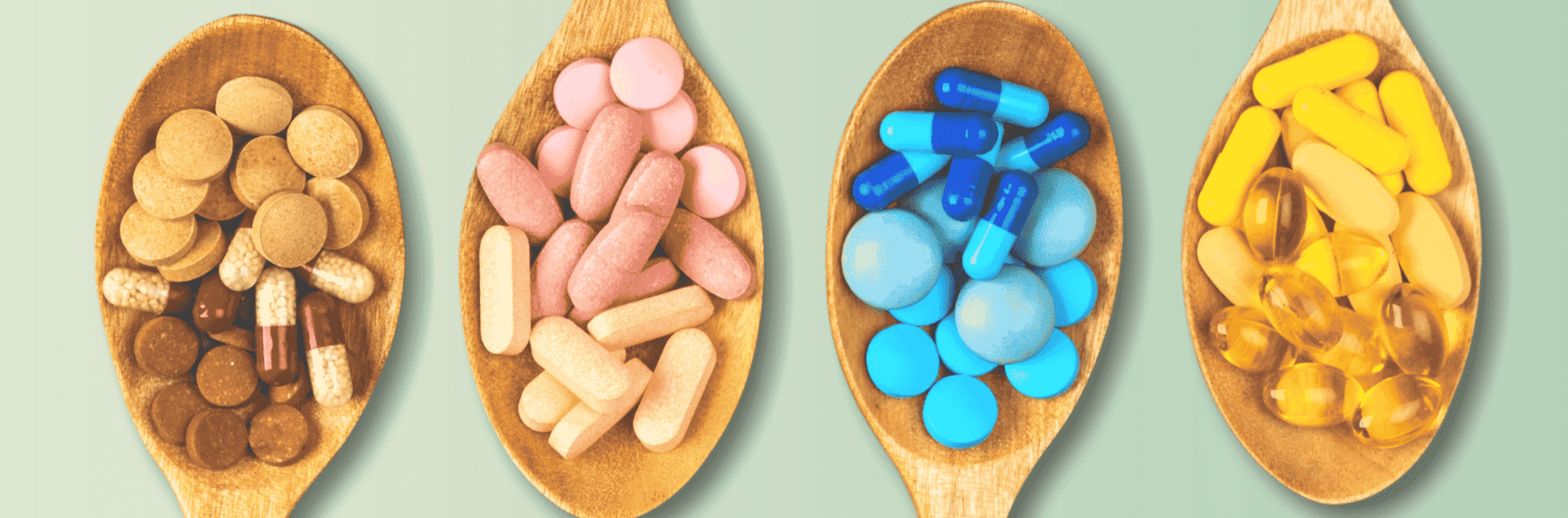
    The debate around multivitamins (MVs) has been as divisive as pineapple on pizza. Now, I believe that pineapple on pizza is fundamentally wrong. I am also of the belief that nutrients derived from whole foods are likely better than does derived from pharmaceutical companies. However, to repeat a quote often attributed to John Maynard Keynes “When the facts change, I change my mind. What do you do, sir?” Enter the COSMOS trial, stepping into the fray like a peacekeeper, armed with data rather than diplomacy. The study’s latest findings suggest that daily multivitamin-mineral (MVM) supplementation might be the secret sauce to preserving our cognitive zest as we age. But was it enough to change my mind on multivitamins?

    From The Farm to The Pharmacy

    An ideal multivitamin is derived from whole foods. These not only deliver vitamins and minerals but also fibre that nourishes our microbiome and slows our absorption of sugar. The Iowa Women’s Health Study suggested that regular MVIs might actually increase mortality in older women. This brings us to the COSMOS trial. The initial COSMOS trial was an investigation into whether Centrum Silver or a supplement of cocoa and green tea flavonoids, could improve health outcomes.

    COSMOS: A Universe of Data

    Sponsored by the titans of industry, Pfizer and Mars Edge, the COSMOS study lasted 3.6-years and included 21,000 participants. The cocoa and green tea flavonoids were found to reduce cardiovascular mortality by 27%. The spotlight then turned to MVIs and their role in our cognitive health. In the later COSMOS-Mind paper, there was no cognitive protection with the consumption of flavonoids. However, there was a trend towards a lower incidence of mild cognitive impairment and dementia in the MVI group.

    This latest study featured an ensemble of subsets from the COSMOS trial. There participants had been assessed for cognitive changes over two years. It found that those on the MVI regimen showed modest improvements in global cognitive function and memory. This effect suggested a slowing of cognitive ageing by about two years. A modest but significant victory in the battle against time.

    The Ingredient List: A Culinary Adventure

    Examine the ingredient list of an MVI you’ll find a melange of fat-soluble vitamins, the B’s and C’s of the vitamin world, and a mineral ensemble. The COSMOS MVI (Centrum Silver) also boasted lutein, which can be beneficial for eye health and lycopene, a constituent of tomatoes that has been linked to lower blood pressure.

    To Pop or Not to Pop?

    So, should we turn to MVIs as our cognitive shields against the ravages of time? While the risk-benefit ratio of MVIs appears favourable, one can’t help but wonder if we’d be better off investing in a cornucopia of fruits and vegetables. I would prefer supporting our local farmers rather than the pharmaceutical giants.

    A Plant-Forward Path to Cognitive Health

    In the end, the COSMOS trial adds a few more threads to the ever-expanding tapestry of health research. It whispers, rather than shouts, the potential benefits of MVIs on our cognitive well-being. Perhaps the true takeaway is a reminder of the holistic approach to health. A diet rich in natural vitamins and regular physical activity might just be the recipe for a vibrant mind and body. Where a multivitamin is likely to be of benefit is for those people who are unable to access fresh or frozen fruit and vegetables.

    The best multivitamin might just be a sun-ripened tomato from your greenhouse (or Bayley and Sage in my case) or a crisp apple from the local orchard (or Fulham Greens). In the quest for cognitive longevity, it’s not about the pills we pop, but the foods we savour and the lifestyles we embrace.

    British Association of Sports and Exercise Medicine  ·  European Atherosclerosis Society  · 
    Independent Doctors Federation

    As seen in The Independent, The Daily Mail and Tatler

    For educational purposes. This article is written by a practising GP and is intended to inform, not replace a consultation with your own doctor. It does not constitute medical advice. A note on clinical guidelines: Coyne Medical is an independent private clinic. Our approach is guided by the best available evidence, tailored to each individual. This may go beyond standard NHS or NICE guidance, which is designed for population-level care and weighted by resource constraints.