Endometriosis is a painful, often life-disrupting condition affecting millions of women worldwide. Despite its prevalence, diagnosis can take years — with the average delay currently over 8 years and 10 months.
Traditionally, the only definitive way to diagnose endometriosis was through laparoscopy, a surgical procedure under general anaesthetic. But today, a groundbreaking innovation is transforming that reality.
At Coyne Medical, we are proud to offer the Ziwig Endotest — a non-invasive, saliva-based test developed in France that enables the early detection of endometriosis without the need for surgery. Validated in large-scale clinical trials, with results published in the New England Journal of Medicine in 2023, this test is helping women access faster, safer diagnosis and timely treatment.
🤍 Understanding Endometriosis: Symptoms, Challenges & the Need for Early Diagnosis
Endometriosis occurs when tissue similar to the uterine lining grows outside the uterus (womb), often causing:
Chronic pelvic pain
Heavy or painful periods (dysmenorrhoea)
Pain during intercourse (dyspareunia)
Digestive symptoms
Infertility
Around 1 in 10 women of reproductive age in the UK are affected, but symptoms often overlap with conditions like IBS (irritable bowel syndrome) or pelvic inflammatory disease, making diagnosis difficult.
Nearly half of women report 10 or more GP visits before receiving a diagnosis.
Standard tests such as blood tests, hormone levels, ultrasound, or MRI can often appear normal — leaving patients feeling unheard or doubting their symptoms. The current reliance on laparoscopy delays care and can impact fertility, quality of life, and mental wellbeing.
🔬 How the Ziwig Endotest® Is Transforming Diagnosis with Non-Invasive Technology
The Ziwig Endotest® offers a powerful alternative to traditional diagnostic tools:
Saliva-based, non-invasive
No anaesthetic, no surgery
Minimal preparation
Results within 3–4 weeks
In studies across France, the test achieved:
97% sensitivity (correctly identifies 97 out of 100 people with endometriosis)
93% specificity (accurately rules out endometriosis when it’s not present)
This means women can now receive a reliable diagnosis without undergoing surgery or hospital referral — enabling earlier access to care and treatment.
🧬 The Science Behind the Ziwig Endotest®
The test works by detecting over 100 specific microRNA molecules present in saliva — tiny regulators that influence how genes behave in the body. These biomarkers are extracted through Next Generation Sequencing (NGS) and interpreted with advanced artificial intelligence (AI).
This cutting-edge combination of molecular biology and AI allows the Endotest® to identify even early or subtle signs of endometriosis — even when imaging and blood tests are normal.
Ziwig is also exploring this technology to diagnose ovarian cancer, fibroids, and other gynaecological conditions.
👩⚕️ What to Expect: Patient Guide to the Ziwig Endotest®
Step 1: Saliva Collection A simple, in-clinic collection of a small saliva sample at your GP consultation.
Step 2: Laboratory Analysis The sample is sent for processing, where RNA biomarkers are analysed using NGS and AI algorithms.
Step 3: Results You’ll receive a report within 3–4 weeks, showing whether the biomarkers linked to endometriosis are present.
Step 4: Next Steps Our GPs will review the results with you and develop a personalised care or referral plan as needed.
✅ Who Is the Ziwig Endotest® Suitable For?
Age range: Women aged 18 to 43 years Symptoms:
Chronic pelvic pain
Painful or heavy periods
Pain during sex, urination, or bowel movements
Rectal bleeding or shoulder-tip pain during menstruation
Difficulty conceiving
The test can be done at any time during the menstrual cycle, including while taking hormonal treatment.
❌ Who Should Not Take the Test?
Under 18 or over 43 years of age
Current infections (including oral or systemic)
History of HIV or cancer
📊 Comparing Traditional vs. Ziwig Endotest®
Diagnostic Method
Type
Invasiveness
Preparation / Recovery
Limitations
Ultrasound
Imaging
Non-invasive
Minimal preparation
May miss subtle or deep endometriosis
MRI
Imaging
Non-invasive
Minimal preparation
May not detect small or early lesions
Laparoscopy
Surgical procedure
Invasive
Requires anaesthetic and recovery
Gold standard, but involves surgical risks
Ziwig Endotest®
Saliva-based test
Non-invasive
No downtime; minimal preparation
New technology; not yet standard NHS practice
⏳ How the Ziwig Endotest® Helps Reduce Diagnostic Delays
The current delay in endometriosis diagnosis causes avoidable distress, prolonged symptoms, and fertility complications.
By offering an accurate, in-clinic diagnostic test, we can:
Shorten time to diagnosis
Reduce reliance on surgical procedures
Improve early access to treatment
Support fertility planning
❓ Frequently Asked Questions
Is the Ziwig Endotest® accurate? Yes — it detects 97% of confirmed endometriosis cases and is supported by peer-reviewed research.
Is it covered by insurance? Coverage varies by provider and policy. Please check with your insurer directly.
Is it painful? No — the test is completely non-invasive and pain-free.
How much does it cost? The laboratory test costs £1020, plus a GP consultation (£160) at Coyne Medical.
How do I access the test? Book an appointment with one of our experienced GPs to confirm suitability and begin testing.
📅 Book Your Ziwig Endotest® Consultation
If you’re experiencing symptoms such as chronic pelvic pain, painful periods, or difficulty conceiving, early diagnosis is essential.
Our expert team at Coyne Medical offers personalised support and fast access to the Ziwig Endotest®. Book now to explore if this test is right for you.
Lucy is a GP and co-founder of Coyne Medical. She graduated with honours from Imperial College London, trained at St Mary’s Hospital, and holds a Master’s in Medical Ethics and Law. Her clinical interests span women’s health, preventive medicine, and genomics, with a particular focus on using advanced biomarkers to build a more complete picture of long-term health.
British Society for Genetic Medicine · European Atherosclerosis Society · Independent Doctors Federation
As seen in BBC, The Guardian, Women’s Health, The Times and Tatler
For educational purposes. This article is written by a practising GP and is intended to inform, not replace a consultation with your own doctor. It does not constitute medical advice. A note on clinical guidelines: Coyne Medical is an independent private clinic. Our approach is guided by the best available evidence, tailored to each individual. This may go beyond standard NHS or NICE guidance, which is designed for population-level care and weighted by resource constraints.
We can now offer vaccination against RSV (respiratory syncytial virus (RSV). This is great news so we can protect our patients from this nasty infection.
💉 Great news! We can now offer vaccination against Respiratory Syncytial Virus (RSV). It causes serious respiratory infections in babies, older adults, and those with weakened immune systems.
This new RSV vaccine can help protect vulnerable groups and reduce hospitalisations. Here’s everything you need to know.
🔍 Understanding RSV
What is RSV?
RSV is a common respiratory virus that can cause: ✅ Runny nose 🤧 ✅ Coughing & sneezing 😷 ✅ Fever 🌡️ ✅ Shortness of breath 🫁
👶 In babies, RSV can lead to bronchiolitis—a severe lung infection. 👂 In older children, it can cause middle ear infections & croup.
💡 How does RSV spread?
Through coughing & sneezing 🤧
By touching contaminated surfaces (RSV can survive for hours!) 🦠
From close contact with infected people 👥
⚠️ Who is at Risk?
RSV can affect anyone, but some groups are more vulnerable:
👶 Babies under 6 months (especially those born August to November) 🏥 Premature babies or those with lung or heart conditions 🧓 Older adults (60+ years)—RSV can be fatal for some 🤒 People with weakened immune systems
Each year, thousands of babies, children, and adults in the UK are hospitalized due to RSV. Now, we finally have a vaccine to help prevent it! 🎉
💉 The RSV Vaccine: How It Works
The RSV vaccine (Abrysvo® by Pfizer) is NOT a live vaccine. It works by: 1️⃣ Exposing your immune system to a small part of the virus (an antigen). 2️⃣ Helping your body develop protective antibodies. 3️⃣ Allowing your immune system to recognise & fight RSV quickly if exposed.
💪 The result? A much lower risk of serious RSV infection!
📊 How Effective is the RSV Vaccine?
For Infants (via Maternal Vaccination)
👩🍼 Pregnant women who receive the vaccine pass antibodies to their babies. This has been shown to: ✅ Reduce severe RSV infections in newborns by ~80%
For Older Adults (60+ years)
📊 Studies show that vaccinated adults have an 80% lower chance of severe RSV infection. ⏳ Protection has been shown to last at least 2 years.
⚠️ Is the RSV Vaccine Safe?
Yes! The vaccine has been rigorously tested and used in real-world settings, such as the USA, since 2023.
Possible Mild Side Effects (like other vaccines):
💪 Soreness at the injection site 🤕 Mild fever or headache 🦵 Muscle aches
🚨 If you have a history of allergic reactions to a vaccine, consult your doctor before getting vaccinated.
👩⚕️ Who Should Get the Vaccine?
Currently, the RSV vaccine is licensed in the UK for:
🤰 Pregnant women (recommended at 28–36 weeks of pregnancy)
Antibodies pass to the baby through the placenta
If you miss the timing, you can still get vaccinated later in pregnancy, antibodies can also be passed through breast milk 🍼
👵 Older adults (60+ years)
RSV can cause hospitalisations & deaths in older adults
The vaccine is especially important for those with lung or heart disease
🏥 Where to Get Vaccinated?
NHS Eligibility
✔️ Pregnant women—Available during routine antenatal care ✔️ Older adults—Currently offered to:
📅 Ages 75–79
📅 Ages 80+ (if you turned 80 after 1st September 2024 and before Aug 31, 2025) 🩺 Check with yourNHS GP to confirm availability.
Private Vaccination at Coyne Medical
🏥 We offer RSV vaccination for: ✅ Pregnant women (28–36 weeks) ✅ All adults aged 60+
Currently, there is no RSV vaccine licensed for babies & young children in the UK. 🔬 However, monoclonal antibody treatments are available for high-risk infants under hospital care.
📢 Take Action – Protect Yourself & Your Loved Ones!
💡 With ongoing research, we hope to see more RSV protection options available soon!
💬 Got questions? Contact us at Coyne Medical—we’re happy to help!
DR LUCY HOOPER MB BS BSc MRCGP MA DRCOG DCH
Lucy is a GP and co-founder of Coyne Medical. She graduated with honours from Imperial College London, trained at St Mary’s Hospital, and holds a Master’s in Medical Ethics and Law. Her clinical interests span women’s health, preventive medicine, and genomics, with a particular focus on using advanced biomarkers to build a more complete picture of long-term health.
British Society for Genetic Medicine · European Atherosclerosis Society · Independent Doctors Federation
As seen in BBC, The Guardian, Women’s Health, The Times and Tatler
For educational purposes. This article is written by a practising GP and is intended to inform, not replace a consultation with your own doctor. It does not constitute medical advice. A note on clinical guidelines: Coyne Medical is an independent private clinic. Our approach is guided by the best available evidence, tailored to each individual. This may go beyond standard NHS or NICE guidance, which is designed for population-level care and weighted by resource constraints.
1. Tax Benefits of Health Screenings for UK Businesses
Investing in tax-free health screenings brings large benefits to your team. A health screening can help them stay healthy and productive. Even better, these screenings are completely tax-free for employees, directors, and companies alike.
In today’s high-tax environment, this is an important opportunity for UK businesses. It’s a “double win” that boosts both employee wellness and financial efficiency.
2. Protect Your Most Valuable Assets: Key Employees
Over 50% of UK businesses consider losing key individuals to be their greatest risk. The serious illness of a key team leader, board member, or director can significantly impact not only their productivity but also team morale, project timelines, and overall financial stability.
Imagine if you, or another key team member, had to step away from work for months. What would happen to daily operations? Could it jeopardise important projects? Would it affect profits and the stability of your business?
These questions underscore the substantial risks that ill health poses to any company. Small family businesses face this risk as much as—if not more than—larger companies. Whether you’re a close-knit team of two or a large company with 2,000 people, your team members are your most valuable assets.
Regular health screenings can help safeguard your team’s well-being. Good health means key individuals stay healthy, focused, and ready to contribute to your company’s success.
3. What Is Included in a Corporate Health Screening Package?
We offer a range of health screening packages tailored to meet the needs of businesses and their teams. Below is an overview of what each package includes:
– Advanced Health Screening
A comprehensive 90-minute assessment with your doctor, including:
Full Clinical Examination
Advanced Blood Analysis: Over 100 biomarkers.
Cardiovascular Risk Assessment: Full lipid panel, lipoprotein (a), ECG, and blood pressure measurement.
Metabolic Health Assessment: Diabetes screening, body measurements, and body fat levels.
Cancer Screening: Bowel cancer screening, PSA test for males, and cervical screening for females.
Family History Review
Nutrition, Sleep, Stress, and Mood Assessment
Personalised Cancer and Cardiovascular Disease Plans
30-Minute Follow-Up Consultation with your doctor
– Complete Health Screening
Includes everything in the Advanced package, plus:
– Ultimate Health Screening
Whole-Body MRI Scan
MRI Body Composition: Including visceral fat measurement.
VO2 Max Testing: With exercise prescription.
Advanced Lipid Testing: Including Apolipoprotein B.
Sex Hormone Analysis
Our most comprehensive package, including everything in both the Advanced and Complete packages, plus:
Inherited Cancer Genetic Screening: Screening over 50 genes.
Pharmacogenomic Testing: Includes a detailed report tailored to the individual.
Add-Ons
Multicancer Early Detection Blood Test: Available as an add-on to any health screening package, this test screens for over 70 types of tumours through a simple blood test.
Bespoke Packages
We understand that every business is unique. Our team can design custom packages to suit a wide range of team structures, from small family-run businesses to large executive boards. Contact us to discuss a tailored solution for your company.
4. Why Corporate Health Screenings Are Tax-Free in the UK
Companies can provide annual health screenings for employees—including directors—entirely tax-free. This means no tax or National Insurance liability for either the employer or the employee.
With no additional reporting requirements to HMRC, corporate health screenings are a straightforward, hassle-free benefit for businesses. The HMRC full rules for reference are here.
5. Additional Financial Advantages of Health Screenings for Businesses
Corporate health screenings deliver measurable business benefits:
Reduced Sick Days: Early detection and prevention help minimize absences, keeping operations running smoothly.
Boosted Productivity: Healthy employees are more focused, efficient, and engaged at work.
Improved Retention: Demonstrating care for employees’ well-being fosters loyalty and reduces turnover.
Lower Long-Term Costs: Preventative care can reduce insurance premiums and expensive medical interventions.
Enhanced Recruitment Appeal: Offering health benefits makes your company more attractive to top talent.
By investing in your team’s health, you save on costs while creating a more productive and resilient workforce.
6. Customizable Health Screening Packages for Your Business
We can create tailored health screening packages to suit your team. Build packages for anything from a husband-and-wife duo to a corporate board.
Our team is ready to help you design the perfect bespoke package. Reach out to us at business@coynemedical.com to get started.
7. How to Get Started with a Tax-Free Health Screening Package
Reach out to us and tell us more about your team—we’ll help arrange the perfect health screening packages. We can schedule initial assessments in our clinic at times that work best for your team members.
Contact us at contact@coynemedical.com to start getting your team healthy today.
DR LUCY HOOPER MB BS BSc MRCGP MA DRCOG DCH
Lucy is a GP and co-founder of Coyne Medical. She graduated with honours from Imperial College London, trained at St Mary’s Hospital, and holds a Master’s in Medical Ethics and Law. Her clinical interests span women’s health, preventive medicine, and genomics, with a particular focus on using advanced biomarkers to build a more complete picture of long-term health.
British Society for Genetic Medicine · European Atherosclerosis Society · Independent Doctors Federation
As seen in BBC, The Guardian, Women’s Health, The Times and Tatler
For educational purposes. This article is written by a practising GP and is intended to inform, not replace a consultation with your own doctor. It does not constitute medical advice. A note on clinical guidelines: Coyne Medical is an independent private clinic. Our approach is guided by the best available evidence, tailored to each individual. This may go beyond standard NHS or NICE guidance, which is designed for population-level care and weighted by resource constraints.
Every day, 11 women in the UK lose their lives to ovarian cancer. This disease claims more lives than all other gynaecological cancers combined. Tragically, most cases are diagnosed at an advanced stage—stage 3 or 4—where the survival rate for stage 4 is a mere 15%. However, if detected early, at stage 1, the five-year survival rate soars to 95%.
Ovarian cancer is shrouded in myths and misconceptions, leading to a lack of awareness among both women and healthcare professionals about effective prevention and early detection methods. With advancements in science, we now have the tools to detect this disease early and, in some cases, prevent it altogether, significantly improving survival rates.
This video is essential viewing for anyone with a family history of ovarian cancer, anyone with ovaries, or anyone who cares about someone with ovaries. Join us as we dispel myths, spread awareness, and empower you with life-saving knowledge about ovarian cancer.
Genetics of Ovarian Cancer
Let’s first talk about the genetics of ovarian cancer.
About 20% of ovarian cancers are caused by a genetic variant inherited from a parent. You might have heard people describing this as having inherited a “gene mutation” or “faulty gene”.
The most common genes involved in this are BRCA1 Or B-R-C-A-1 and BRCA2.
If you have inherited a harmful copy of one of these genes, we medically call this having a “pathological” variant. For patients, this might mean your risk of ovarian cancer might be up to 60% in your lifetime. BRCA1 and 2 are not the only genes which are linked to ovarian cancer, there are other genes which are less common and carry different risks.
Angelina Jolie famously shared her story of finding out about her BRCA 1 mutation in 2013 in the New York Times. I think she really helped to open the conversation around genetic screening for lots of women. She had sadly already lost her mother to cancer, who was diagnosed with breast and ovarian cancer. Angelina Jolie chose to have risk-reducing surgery. Since then many other women have followed in her footsteps, talking about their genetic mutations and surgical decisions such as Christina Applegate, Sharon Osborne and many not so close to Hollywood like me.
So who should have genetic screening?
I want to share the words of Dr Mary-Claire King, she is the scientist who first identified the BRCA1 gene in 1990.
She says “To identify a woman as a carrier only after she develops cancer is a failure of cancer prevention,”.
I whole heartedly agree with her. Despite the passing of decades since the discovery of the BRCA1 gene far too many people only find out they carry a gene after a cancer diagnosis in themselves or someone they love.
Over 95% of women who have inherited a harmful variant in BRCA1 or BRCA2 are undiagnosed in the UK. That’s hundreds of thousands of people who don’t know they are at high risk of cancer, ovarian cancer, plus breast cancer and more.
I am extremely fortunate to have been able to access private genetic screening. And I am passionate about bringing this option to more patients and am proud we are able to offer this at Coyne Medical. We can take a sample in clinic after talking through the options, we usually test for multiple cancer genes linked to several cancers including ovarian, breast, colon and more. We only test for genetic changes which are linked to proactive steps you can take to reduce your risk. Such as recommendations for extra screening or checks.
But I know that is not an option for all patients, so I was also delighted that in March this year, the guidelines on NHS funded testing were updated by NICE. They now recommend that anyone who has a family history of ovarian cancer in a first or second degree relative be considered for genetic testing.
A first-degree relative is for instance parent or sister. A second-degree relative is much broader and includes grandparents, aunts, nieces or half-sisters. This includes relatives on either your mum or dad’s side of the family. So if private testing is not an option for you do speak to your GP about the new guidelines. In the past it may be that you were denied testing on the NHS but could now be eligible.
What if you don’t have any family history of ovarian cancer?
Yes, you can still have genetic screening. Traditionally we have only screened patients with a family history. We know from large studies on breast and ovarian cancer that if we only use the family history criteria we will miss over 50% of people with a pathological mutation in BRCA1 or BRCA2. So if you really want toif you want to get serious about optimising your cancer screening and prevention we think genetic screening is crucial. You don’t want to be one of the patients that only find out after they get cancer, knowing you might have been able to prevent it earlier.
Personally, I know the truth behind the statistics. I tested positive for a pathological variant in a gene called PALB2 in 2021. It puts me at increased risk of ovarian cancer and breast cancer. I did not meet the traditional criteria for genetic testing and would not have known without choosing to have private genetic screening. I feel incredibly lucky I found my gene mutation while I was completely healthy, instead of after having a cancer. I have been able to join Angelina Jolie in choosing preventative risk-reducing surgery. To know my risk and then take action to reduce my risk of cancer feels like a very special gift. I would love to see more women share this.
Could a family history of other cancers be linked to ovarian cancer?
Yes, many of the genes that increase the risk of ovarian cancer are linked to other cancers.
If your family history includes breast cancer, pancreatic cancer or prostate cancer. Those are all flags that you have a higher chance of having inherited a gene mutation. We would certainly encourage you to consider genetic screening.
And it’s not just women. We would also encourage men with a family history of these cancers to consider genetic screening. Finding a gene mutation will help us manage their health risks and cancer screening. But it will also potentially help their daughters, granddaughters, nieces, sisters…
MYTH is that: “It doesn’t matter as there is no family history on my Mum’s side.”
Wrong. You can inherit these gene mutations from either your mother or father.
Women who inherit from their Dad are more often missed. Men are less likely to get breast cancer and can’t get ovarian cancer. So for their daughter their family history often appears less worrying. The same is true for people from small families. A history of cancer in a grandmother or aunt on Dad’s side of the family, is often not talked about or not seen as a big risk factor. I would encourage everyone to find out the most they can about their family history. During the dark days of the first lockdown I started researching my family tree which has been fascinating. After I discovered that I had a gene mutation I searched in more detail and got a copy of my great grandmother’s death certificate, this showed she had died from breast cancer in her 40’s. I almost certainly inherited my mutation from her. So get talking to relatives if you can or use the wonders of the internet to do a bit more research. Of course, we focussed on ovarian cancer today but family history of all cancers as well as other diseases such as heart attacks are also really important information.
Do you have any Jewish ancestry?
Having a parent or grandparent of Jewish ancestry is a big risk factor for inheriting a BRCA1 or BRCA2 genetic variant, up to a 1 in 40 chance. We would recommend all people with this risk factor use genetic screening to find out if they carry a high-risk mutation. The NHS has recently started a project offering testing for gene variants in only the BRCA1 and BRCA2 genes, as these are the genes which are more commonly mutated in those with Jewish ancestry, if you’re interested you can find out more about the project online and I’ll put the link to that in our notes.
How does finding a high-risk ovarian cancer gene help you prevent cancer?
Some women will opt to have their ovaries and fallopian tubes removed. Especially if they have already entered menopause, you could say they are no longer serving any purpose so why keep them and add to your cancer risk?
The decision can be more difficult for younger women, for whom surgery will bring on an early menopause and impact on their choices for fertility. It is important that women in this scenario get the best advice on which option is best for them. And their options for pregnancy in the future.
There is a brilliant UK study called “Protector”, it is led by Professor Ranjit Manchanda, who is a great advocate for increasing access to genetic screening for women. The study offers women who want to keep their ovaries the option of removing their fallopian tubes only initially, followed by removal of the ovaries at a later date. We know many ovarian cancers start at the end of the fallopian tubes where they meet the ovaries. The study wants to show this option can help women who wish to delay their surgery, so this option could help reduce risk without the negative impact of menopause in younger women. Both surgical options are big decisions, and need careful thinking through the pros and cons so each woman can find the right decision for her health. Thankfully the actual surgeries are usually laparoscopic or keyhole operations, and can usually be done as a daycase procedure.
Can I do anything else to prevent ovarian cancer?
Yes, there are lots of factors we can focus on to reduce the risk of ovarian cancer. And they will also reduce your risk of lots of other cancers such as breast and colon cancer. Keeping a healthy weight and not smoking are the two biggest risk factors which you can control. The combined oral contraceptive pill also reduces risk, even if only taken for a short period of time. The protection from taking the pill also persists, so the positive benefit continues for several years after stopping the pill. For high-risk women though such as having a BRCA1 or 2 mutation the combined oral contraceptive increases the risk of breast cancer so it may not be suitable as an option. Breastfeeding is protective for ovarian cancer risk, with a 24% risk reduction. I know personally breastfeeding can be really challenging, certainly the hardest part of life as a new mum with my first baby. So I am really conscious of not adding to the mummy guilt with this but if you have a family history it is good to know that this choice could have a positive impact on your own health. Having children reduces the chance of having ovarian cancer. Of course not alone a reason to have a baby! There has been a lot of concern about using talcum powder on the genital area and ovarian cancer, the evidence is mixed but it is sensible to avoid this.
Early Detection
But now let’s think about early detection. For those cancers we can’t prevent, we need to diagnose them as early as possible. Early diagnosis is vital. Sadly two-thirds of women are diagnosed at a late stage.
If we can diagnose women early at stage 1 the survival rate is over 94% at 5 years, versus only 16% for women diagnosed at stage 4. So how can we screen you for ovarian cancer and detect it early?
For women who do not have a high-risk gene mutation we don’t routinely recommend all women using ultrasound or the CA125 blood test for ovarian cancer screening because the biggest UK trial didn’t show this could improve survival in women. They studied over 200,000 women over about 16 years, split into 3 groups, no screening, screening with an ultrasound scan and screening with an ultrasound scan and a blood test for CA125. The results showed women screened with an ultrasound and the CA125 blood test did seem to be diagnosed with cancer at an earlier stage, but they couldn’t show this saved a significant number of lives. We know the CA125 blood test is not perfect, it can give “false alarms”, as other conditions like endometriosis or fibroids can cause high CA125 levels too.
But the results were different in women who have are at “high risk” such as with a BRCA gene mutation, they are now recommended to consider regular screening with CA125 blood test and a special algorithm for monitoring their results called ROCA. The test has been available privately for some time but this is a new recommendation in 2024 for the NHS and not yet easily available nationally but hopefully this will change soon. The ROCA test has been show to detect ovarian cancer earlier, before symptoms appear. For high-risk women they can have this done 3 times a year, the results will be tracked and if a significant increase is noted this will prompt more tests. This might be a good option for high-risk gene carriers to consider, especially if you have decided against surgery or are waiting to have done at an older age.
Are there are any other ways of screening for ovarian cancer?
Yes we now have a new blood test that can be used to screen for ovarian cancer. It uses a normal blood sample taken in the clinic and the laboratory to look for ‘circulating tumour cells’, (CTCs). When a cancer or ‘tumour’ starts to grow in the body some of the cells will get into the bloodstream called CTCs. The really exciting part of this is that these CTCs can be found in early-stage 1 cancers.
The blood test is called a Multi Cancer Early Detection test, we offer tests by Trucheck that can either focus on female cancers, including breast and ovarian cancer, or we can screen for up to 70 solid organ tumours. We offer this test at Coyne Medical, always after a full consultation with the doctor to understand if it’s the right test for you. We always want to make sure that patients are up to date with their standard cancer screening as these newer tests should be seen as a great optional add-on.
Likewise we also use whole-body MRI scans as an add-on cancer screening tool. These scans from from head through the neck, chest and abdomen to the pelvis. In the pelvic area they can detect cysts or fluid which can indicate an ovarian cancer. In large studies of whole-body MRI the rate of detecting a cancer is 1 to 2% in healthy adults over 40, but this has to be balanced against finding small ‘abnormalities’ which can cause stress and need further checks. That’s why it’s important you go through the possibilities with your doctor before testing. As well as making sure your doctor is there to support you through the results and any follow-up.
MYTH: “A smear test checks for ovarian cancer.”
This is sadly common, about 1 in 4 women think this is true but sadly not. Cervical screening will not detect ovarian cancer. Though it is a really important cancer screening to make sure you are up to date with.
Knowing the symptoms is key for every woman
Symptoms to watch for include:
Persistent increase in abdominal size or bloating (not bloating that comes and goes)
Persistent pelvic and abdominal pain
Unexplained change in bowel habits
Difficulty eating and feeling full quickly, or feeling nauseous
Needing to urinate (wee) more regularly
Other symptoms can include tiredness, losing weight, pain during sex, and back pain. These can be symptoms of many other conditions too so don’t panic but see your doctor. Your doctor might check a blood test called CA125 and you may also need an ultrasound scan.
Knowledge is Power
Knowledge is power, yet many women and doctors are not well-informed about ovarian cancer. A study by Target Ovarian Cancer found that less than 5% of women felt confident recognizing its signs. Surprisingly, many doctors also mistakenly believe that symptoms only appear in the late stages of the disease.
We’re committed to empowering women with the knowledge they need to make informed health decisions. If you know other women who could benefit from this information, please share it with them. Together, we can spread awareness and equip more women with the knowledge they need.
Follow us if you’d like to learn more about disease prevention and early detection.
Evans, D.G., Shenton, A., Woodward, E. et al. Penetrance estimates for BRCA1 and BRCA2based on genetic testing in a Clinical Cancer Genetics service setting: Risks of breast/ovarian cancer quoted should reflect the cancer burden in the family. BMC Cancer 8, 155 (2008). https://doi.org/10.1186/1471-2407-8-155
National Institute of Clinical Excellence. Ovarian cancer: identifying and managing familial and genetic risk, NICE Published 21/3/2024, [https://www.nice.org.uk/guidance/ng241] Accessed 8 May 2024.
Beitsch PD, Whitworth PW, Hughes K, Patel R, Rosen B, Compagnoni G, Baron P, Simmons R, Smith LA, Grady I, Kinney M, Coomer C, Barbosa K, Holmes DR, Brown E, Gold L, Clark P, Riley L, Lyons S, Ruiz A, Kahn S, MacDonald H, Curcio L, Hardwick MK, Yang S, Esplin ED, Nussbaum RL. Underdiagnosis of Hereditary Breast Cancer: Are Genetic Testing Guidelines a Tool or an Obstacle? J Clin Oncol. 2019 Feb 20;37(6):453-460. doi: 10.1200/JCO.18.01631. Epub 2018 Dec 7. PMID: 30526229; PMCID: PMC6380523. https://www.ncbi.nlm.nih.gov/pmc/articles/PMC6380523/
Petrucelli N, Daly MB, Pal T. BRCA1- and BRCA2-Associated Hereditary Breast and Ovarian Cancer. 1998 Sep 4 [Updated 2023 Sep 21]. In: Adam MP, Feldman J, Mirzaa GM, et al., editors. GeneReviews® [Internet]. Seattle (WA): University of Washington, Seattle; 1993-2024. Available from: https://www.ncbi.nlm.nih.gov/books/NBK1247/
Ozanne EM, O’Connell A, Bouzan C, Bosinoff P, Rourke T, Dowd D, Drohan B, Millham F, Griffin P, Halpern EF, Semine A, Hughes KS. Bias in the reporting of family history: implications for clinical care. J Genet Couns. 2012 Aug;21(4):547-56. doi: 10.1007/s10897-011-9470-x. Epub 2012 Jan 12. PMID: 22237666.
Metcalfe KA, Eisen A, Lerner-Ellis J, Narod SA. Is it time to offer BRCA1 and BRCA2 testing to all Jewish women? Curr Oncol. 2015 Aug;22(4):e233-6. doi: 10.3747/co.22.2527. PMID: 26300672; PMCID: PMC4530819.
Collaborative Group on Epidemiological Studies of Ovarian Cancer; Beral V, Doll R, Hermon C, Peto R, Reeves G. Ovarian cancer and oral contraceptives: collaborative reanalysis of data from 45 epidemiological studies including 23,257 women with ovarian cancer and 87,303 controls. Lancet. 2008 Jan 26;371(9609):303-14. doi: 10.1016/S0140-6736(08)60167-1. PMID: 18294997.
Babic A, Sasamoto N, Rosner BA, et al. Association Between Breastfeeding and Ovarian Cancer Risk. JAMA Oncol. 2020;6(6):e200421. doi:10.1001/jamaoncol.2020.0421
Merritt MA, Green AC, Nagle CM, Webb PM; Australian Cancer Study (Ovarian Cancer); Australian Ovarian Cancer Study Group. Talcum powder, chronic pelvic inflammation and NSAIDs in relation to risk of epithelial ovarian cancer. Int J Cancer. 2008 Jan 1;122(1):170-6. doi: 10.1002/ijc.23017. PMID: 17721999.
Cramer DW, Liberman RF, Titus-Ernstoff L, Welch WR, Greenberg ER, Baron JA, Harlow BL. Genital talc exposure and risk of ovarian cancer. Int J Cancer. 1999 May 5;81(3):351-6. doi: 10.1002/(sici)1097-0215(19990505)81:3<351::aid-ijc7>3.0.co;2-m. PMID: 10209948.
Menon U, Gentry-Maharaj A, Burnell M, Singh N, Ryan A, Karpinskyj C, Carlino G, Taylor J, Massingham SK, Raikou M, Kalsi JK, Woolas R, Manchanda R, Arora R, Casey L, Dawnay A, Dobbs S, Leeson S, Mould T, Seif MW, Sharma A, Williamson K, Liu Y, Fallowfield L, McGuire AJ, Campbell S, Skates SJ, Jacobs IJ, Parmar M. Ovarian cancer population screening and mortality after long-term follow-up in the UK Collaborative Trial of Ovarian Cancer Screening (UKCTOCS): a randomised controlled trial. Lancet. 2021 Jun 5;397(10290):2182-2193. doi: 10.1016/S0140-6736(21)00731-5. Epub 2021 May 12. PMID: 33991479; PMCID: PMC8192829.
Zugni F, Padhani AR, Koh DM, Summers PE, Bellomi M, Petralia G. Whole-body magnetic resonance imaging (WB-MRI) for cancer screening in asymptomatic subjects of the general population: review and recommendations. Cancer Imaging. 2020 May 11;20(1):34. doi: 10.1186/s40644-020-00315-0. PMID: 32393345; PMCID: PMC7216394.
DR LUCY HOOPER MB BS BSc MRCGP MA DRCOG DCH
Lucy is a GP and co-founder of Coyne Medical. She graduated with honours from Imperial College London, trained at St Mary’s Hospital, and holds a Master’s in Medical Ethics and Law. Her clinical interests span women’s health, preventive medicine, and genomics, with a particular focus on using advanced biomarkers to build a more complete picture of long-term health.
British Society for Genetic Medicine · European Atherosclerosis Society · Independent Doctors Federation
As seen in BBC, The Guardian, Women’s Health, The Times and Tatler
For educational purposes. This article is written by a practising GP and is intended to inform, not replace a consultation with your own doctor. It does not constitute medical advice. A note on clinical guidelines: Coyne Medical is an independent private clinic. Our approach is guided by the best available evidence, tailored to each individual. This may go beyond standard NHS or NICE guidance, which is designed for population-level care and weighted by resource constraints.
There are so many myths about Ovarian Cancer. For this Ovarian Cancer Awareness month, I’d love to share information to help educate as many women, and doctors on ovarian cancer. We need to use the latest science to make sure we prevent as many cancers as possible and diagnose any ovarian cancer as early as possible. 11 women die every day in the UK of ovarian cancer so every woman should know how to reduce their risk.
1. Any family history of ovarian cancer matters
About 20% of ovarian cancers happen because of a change or variant in a gene that has been inherited from a parent. You might also hear these called a “gene mutation” or “faulty gene”.
The most common genes involved in this are BRCA1 and BRCA2. If you have inherited a harmful, what we call a “pathological” variant in one of these genes you can have a risk of up to 60% of ovarian cancer in your lifetime. Other genes also increase your risk to lower levels.
Angelina Jolie shared her story of finding out about her BRCA1 variant in 2013, she helped to open the conversation around genetic screening. She sadly lost her mother to cancer due to the same BRCA1 variant. She chose to have risk-reducing surgery to reduce her risk of breast and ovarian cancer. She spoke powerfully of how grateful she was to reduce her cancer risk, likely by over 95%.
2. We need to offer more people genetic screening
We estimate over 95% of women who have inherited a harmful variant in BRCA1 or BRCA2 are undiagnosed in the UK. That’s hundreds of thousands of people who don’t know they are at high risk of ovarian cancer, plus others including breast cancer.
If you have a family history of ovarian cancer it is sensible to consider genetic screening. Because for these groups screening gives the power of prevention. There are two main options for this. Some women will opt to have their ovaries and fallopian tubes removed. Especially if they have already entered menopause, you could say they are no longer serving any purpose so why keep them and add to your cancer risk? There is a brilliant UK study called “Protector” which offers women who want to keep their ovaries the option of removing their fallopian tubes. We think many cancers start at the end of the tubes close to the ovaries so this option could help reduce risk without the negative impact of menopause in younger women.
3. Anyone can benefit from genetic screening
Traditional criteria for screening only those with a family history will miss 50% of people with a pathological variant in BRCA1 or BRCA2.
So if you want to get serious about optimising your cancer screening and prevention we think genetic screening is crucial.
I know the truth behind these statistics. I tested positive for a pathological variant in a gene called PALB2 in 2020. I did not meet the normal criteria for testing and would not have known without choosing genetic screening. I feel incredibly lucky I found my gene mutation while I was healthy. I have been able to join Angelina Jolie in having preventative risk-reducing surgery. To be able to reduce my risk of cancer by over 95% feels like a very special gift and I would love to see more women share this.
4. A family history of other cancer could be linked to ovarian cancer
The genes that increase the risk of ovarian cancer are linked to other cancers. If your family history includes breast cancer, pancreatic cancer or prostate cancer it is especially important to consider genetic screening.
We would also encourage men with a family history of these cancers to consider genetic screening, not just for their own health but because it could impact their daughters, granddaughters, nieces, and sisters..
5. MYTH: “It doesn’t matter as there is no family history on my Mum’s side.”
This is such a common myth. You can inherit these gene mutations from either your mother or father. Women who inherit from their Dad are more often not tested, that’s because their Dad is less likely to get breast cancer and can’t get ovarian cancer they are less likely to meet those rubbish “family history” criteria. A history of cancer in a grandmother or aunt, who may have died before you were even born sounds less concerning than if it is your own mother but it is still a really important risk factor.
6. Jewish ancestry is a major RED flag to consider genetic screening
Having a parent or grandparent with this ancestry is a big risk factor for inheriting a BRCA1 or BRCA2 genetic variant, up to a 1 in 40 chance. The NHS has recently started a project offering testing for gene variants which are more common in that background, if you’re interested you can find out more about the project here. You would also be eligible for our genetic screening which will screen not just BRCA1 and BRCA2 but also a wider range of genes linked to cancers which we can reduce or prevent.
7. There are things you can do to look after your health and reduce your risk
There are lots of factors we can focus on to reduce the risk of ovarian cancer. And they will also reduce your risk of lots of other cancers such as breast and colon cancer. Keeping a healthy weight and not smoking are key. The oral contraceptive pill also reduces risk, as does breastfeeding. There has been a lot of concern about using talcum powder on the genital area and ovarian cancer, the evidence is mixed but it is sensible to avoid this.
8. Be symptom aware
For those cancers we can’t prevent, we need to diagnose these as early as possible. Sadly two-thirds of women are diagnosed at a late stage. If we can diagnose women early at stage 1 the survival rate is over 94% at 5 years, versus only 16% for women diagnosed at stage 4.
Symptoms to watch for include:
Persistent increase in abdominal size or bloating (not bloating that comes and goes)
Persistent pelvic and abdominal pain
Unexplained change in bowel habits
Difficulty eating and feeling full quickly, or feeling nauseous
Needing to urinate (wee) more regularly
Other symptoms can include tiredness, losing weight, pain during sex, and back pain. These can be symptoms of many other conditions too so don’t panic but see your doctor. They should consider checking a blood test called Ca125 and you may also need an ultrasound scan.
9. MYTH: “A smear test checks for ovarian cancer.”
This is sadly common, about 1 in 4 women think this is true but sadly not. Cervical screening will not detect ovarian cancer.
10. We can screen for ovarian cancer
We don’t routinely recommend women use ultrasound or the Ca125 blood test for ovarian cancer screening because the biggest UK trial didn’t show this could improve survival in women, it is possible some women were diagnosed at an earlier stage. The test can also give “false alarms”, other conditions like endometriosis or fibroids can cause high Ca125 levels too.
We now have a new blood test that can be used to screen for ovarian cancer. It uses a normal blood sample taken in the clinic and the laboratory to look for ‘circulating tumour cells’, (CTCs). When a cancer or ‘tumour’ starts to grow in the body some of the cells will get into the bloodstream called CTCs. The really exciting part of this is that these CTCs can be found in early-stage 1 cancers.
The blood test is called a Multi Cancer Early Detection test, we offer tests by Trucheck that can either focus on female cancers or screen for up to 70 solid organ tumours.
Knowledge is power
Many women and doctors lack knowledge of ovarian cancer. A study by Target Ovarian Cancer showed less than 5% of women were confident in knowing the signs of ovarian cancer. Many doctors also falsely believed women only get symptoms of late-stage ovarian cancer.
We are passionate about giving women the knowledge and power to make the best choices for their health. If you think any other women in your life would find this useful then please share with them and hopefully, more women will be armed with knowledge.
DR LUCY HOOPER MB BS BSc MRCGP MA DRCOG DCH
Lucy is a GP and co-founder of Coyne Medical. She graduated with honours from Imperial College London, trained at St Mary’s Hospital, and holds a Master’s in Medical Ethics and Law. Her clinical interests span women’s health, preventive medicine, and genomics, with a particular focus on using advanced biomarkers to build a more complete picture of long-term health.
British Society for Genetic Medicine · European Atherosclerosis Society · Independent Doctors Federation
As seen in BBC, The Guardian, Women’s Health, The Times and Tatler
For educational purposes. This article is written by a practising GP and is intended to inform, not replace a consultation with your own doctor. It does not constitute medical advice. A note on clinical guidelines: Coyne Medical is an independent private clinic. Our approach is guided by the best available evidence, tailored to each individual. This may go beyond standard NHS or NICE guidance, which is designed for population-level care and weighted by resource constraints.
Over 30,000 cases of measles were reported across 40 countries in Europe last year, compared to less than 1,000 in the same area the year before. That’s a really dramatic increase and has doctors worried.
Professor Dame Jenny Harries has raised the alarm in the UK and is concerned we are risking a larger outbreak without action. In the last month alone there have been over 150 cases in England, spread across many areas of the country.
Does measles spread easily?
The reason the outbreak has health officials so worried is that measles spreads incredibly easily.
It is much more infectious than Covid-19 for example.
Up to 90% of people who are close to someone with measles will be infected, if they are not already immune.
Measles is caused by a virus. It spreads easily through the air or by droplets, for example by coughing and sneezing. People with measles are infectious from the time their symptoms first appear until 4 days after the appearance of the rash. So often for up to a week in total.
What are the symptoms of measles?
Measles infection is caused by a virus and the symptoms often start like any other virus. These can include fever, tiredness, runny nose, cough and conjunctivitis (redness of the eyes). Then a rash starts to appear. This is unusual in that it starts on the head or face and then spreads down the body and to the arms and legs over 3 to 4 days. The rash is pink, with flat or slightly raised spots.
Koplik’s spots are a special sign we would always look for if we suspect a measles infection. These are red spots with a blue or whitish centre that can be seen inside the mouth. They appear one to two days before the rash appears and can still be seen for 1 to 2 days afterward.
If you are concerned about the possibility of measles then please contact your healthcare provider as soon as possible. This means you can get treatment advice and be monitored for any complications. If measles is suspected your doctor should make arrangements for you to have tests to confirm the infection. It will also help track outbreaks and we can vaccinate people who you have been in contact with too to reduce the chances of them becoming unwell.
Do I need a measles vaccine?
We would recommend everyone who is fully vaccinated to protect themselves and their loved ones against measles. Two doses of the vaccine will provide over 99% protection. There are a small number of people who can not have the vaccination for health reasons, such as an allergy to part of the vaccine or immunosuppression (having a very low immune system).
If you or your child have been exposed to someone with measles and have not been fully vaccinated you may be given the MMR vaccine which may prevent an infection. This is most effective if given within 3 days of exposure so don’t delay if you have been exposed. It is very safe to give the vaccine even if you might already be incubating measles. Many people are not sure if they were vaccinated in children or don’t have access to their records, in this scenario it is safe to have an extra dose of the vaccine.
What age can babies and children be vaccinated against measles?
MMR (measles, mumps and rubella) vaccine is given at 12 months of age and again at 3 years and 4 months of age (often called ‘preschool booster’), as part of the routine childhood vaccination schedule in the UK.
If a young baby or child is at an increased risk of measles the vaccine can be given earlier. This is usually if they have been exposed to someone with measles or are traveling to an area where there is a measles outbreak.
Babies under 1 year of age: they can have the vaccine from 6 months of age. At this young age, many babies will still have antibodies from their mother which were passed over during pregnancy across the placenta. This means the vaccine may not be as effective. If a baby has a dose of the MMR vaccine under 12 months of age, we would still recommend they have their two further routine doses to make sure they are well protected.
Children aged 1 to 5: Some babies will not be immune after their first dose of MMR vaccine. This is why a second dose of the vaccine is recommended, usually at preschool age, 3 years and 4 months onwards. The second dose of the vaccine can be given safely from 18 months of age. It has been given in this way in many countries to ensure young children receive full protection sooner. In the current outbreak, parents may wish to give their children the second dose of the MMR vaccine from 18 months of age and we would support this as a sensible choice.
If the child is over 3 years and 4 months of age and has not yet had their preschool booster this should be done as soon as possible.
Children aged 5 to 18 years of age: any child who might have missed one or both doses of the MMR vaccine during their childhood should be vaccinated as soon as possible. If they have missed both doses they can receive each dose 1 month apart.
Adults of any age:
If you have not had two doses of the MMR vaccine this is highly recommended.
Born between 1980 and 1990 in the UK? Many people in this age bracket only received one dose of the MMR vaccine in childhood. They should definitely receive their second dose now.
Born between 1970 and 1979 in the UK? You might have received a measles vaccine in childhood. We can safely give two doses of the MMR vaccine. This is especially recommended if you are at a high risk of being exposed to measles or if we know you are not immune.
Born in the UK before 1970? There is a good chance you may have had measles or been exposed to the virus in childhood and be immune. We can do a blood test to check for immunity if needed or vaccinate you.
Help protect more people by sharing this with family and friends.
DR LUCY HOOPER MB BS BSc MRCGP MA DRCOG DCH
Lucy is a GP and co-founder of Coyne Medical. She graduated with honours from Imperial College London, trained at St Mary’s Hospital, and holds a Master’s in Medical Ethics and Law. Her clinical interests span women’s health, preventive medicine, and genomics, with a particular focus on using advanced biomarkers to build a more complete picture of long-term health.
British Society for Genetic Medicine · European Atherosclerosis Society · Independent Doctors Federation
As seen in BBC, The Guardian, Women’s Health, The Times and Tatler
For educational purposes. This article is written by a practising GP and is intended to inform, not replace a consultation with your own doctor. It does not constitute medical advice. A note on clinical guidelines: Coyne Medical is an independent private clinic. Our approach is guided by the best available evidence, tailored to each individual. This may go beyond standard NHS or NICE guidance, which is designed for population-level care and weighted by resource constraints.
When a tumour grows in the body some of its cells can break off and enter the bloodstream. These cells are called Circulating Tumour Cells (CTCs).
The Trucheck Breast Cancer screening blood test uses a ‘normal’ blood test taken by your doctor at the clinic. It goes to the specialist laboratory in Surrey where it is examined looking for CTCs. Even a few CTCs in the bloodstream can indicate cancer.
A breakthrough study published last year showed the blood test actually performed better than mammogram screening to detect cancers. The blood test found 92% of breast cancer, this was more than able to be detected by normal mammogram screening. We know in real life no test is perfect and there is a small chance of a false alarm.
The blood test has also shown promising results compared to the GRAIL’s Galleri and CancerSEEK blood tests which only had a sensitivity to detect around 30% of breast cancer cases.
Crucially the blood test can detect early cancers in stage 1 before there has been any spread to the lymph nodes or elsewhere in the body, and before any lump appears.
1 in 7 women will be diagnosed with breast cancer in their lifetime. Diagnosing cancer earlier when treatment is easier and more successful is crucial.
DR LUCY HOOPER MB BS BSc MRCGP MA DRCOG DCH
Lucy is a GP and co-founder of Coyne Medical. She graduated with honours from Imperial College London, trained at St Mary’s Hospital, and holds a Master’s in Medical Ethics and Law. Her clinical interests span women’s health, preventive medicine, and genomics, with a particular focus on using advanced biomarkers to build a more complete picture of long-term health.
British Society for Genetic Medicine · European Atherosclerosis Society · Independent Doctors Federation
As seen in BBC, The Guardian, Women’s Health, The Times and Tatler
For educational purposes. This article is written by a practising GP and is intended to inform, not replace a consultation with your own doctor. It does not constitute medical advice. A note on clinical guidelines: Coyne Medical is an independent private clinic. Our approach is guided by the best available evidence, tailored to each individual. This may go beyond standard NHS or NICE guidance, which is designed for population-level care and weighted by resource constraints.
Back to school can often be a time when children find it tricky to settle back into their usual routine. Summer holidays often mean changes in location and bedtimes. New classes and school can give many kids a little anxiety and can mean sleep is restless. Just when you want them to be at their most rested and ready for the new school year.
Keeping timings the same everyday can help children get back into a routine faster. So though weekend lie ins are tempting it is better to have bedtime and getting up around the same time through the week. Especially if you’re struggling to get back to a routine.
Screen time is best avoided for at least an hour before bedtime. The blue light from devices can disrupt the natural production of melatonin in the body and make it harder to sleep. For some children it can also cause more bedwetting. Most kids have had a bit more screen time over the holidays it is a great time to draw up and restart house rules on screen time during the term.
Exercise is usually a great way to make sure children are physically tired and so ready to sleep. Try to avoid it too close to bedtime though. Hopefully we will have some more sunny mornings, a good morning walk or cycle in the sunlight helps to regulate our body clock and melatonin levels.
Try to avoid discussing worries or plans for the next day around bedtime. It’s better to talk through things earlier in the evening. If your child is struggling with worries at bedtime or lots of thoughts a journal can help, or we’ve found worry dolls useful for younger children. Older children can try an app with meditations or breathing exercises to help sleep.
Keep your child’s bedrooms cool, quiet and calm. Don’t be temped to overheat them as we get into Autumn, around 16-20 degrees is ideal. A calming quiet environment is best, so avoid too many toys or clutter, even toys can sometimes become scary for children in night time. If your child struggles in the dark, get a low nightlight to ensure they are not overstimulated by light.
Hopefully we will all be back in to swing of the school routine. If you or your child are struggling with sleep and things are getting better it is probably time to see your doctor and talk it through.
DR LUCY HOOPER MB BS BSc MRCGP MA DRCOG DCH
Lucy is a GP and co-founder of Coyne Medical. She graduated with honours from Imperial College London, trained at St Mary’s Hospital, and holds a Master’s in Medical Ethics and Law. Her clinical interests span women’s health, preventive medicine, and genomics, with a particular focus on using advanced biomarkers to build a more complete picture of long-term health.
British Society for Genetic Medicine · European Atherosclerosis Society · Independent Doctors Federation
As seen in BBC, The Guardian, Women’s Health, The Times and Tatler
For educational purposes. This article is written by a practising GP and is intended to inform, not replace a consultation with your own doctor. It does not constitute medical advice. A note on clinical guidelines: Coyne Medical is an independent private clinic. Our approach is guided by the best available evidence, tailored to each individual. This may go beyond standard NHS or NICE guidance, which is designed for population-level care and weighted by resource constraints.
Sunscreen is an essential item if you’re lucky to be getting a sunny break in. In fact we would recommend wearing a daily sunscreen with at least SPF (sun protection factor) 15 in London, you never quite know what the weather will be like and UV (ultraviolet) radiation is present all year.
Protection against both UVA and UVB radiation will protect your skin from ageing as well as damage which can lead to skin cancers.
Do you need a mineral sunscreen?
A ‘mineral’ sunscreen sits on top of the skin and physically reflects rays away from the skin versus chemical sunscreens which sit on the skin and absorb the UV radiation like a sponge.
Mineral sunscreens can be a little more difficult to apply. Traditionally mineral sunscreens were thick stripes, you might remember bright white or coloured strips on noses at the beach or on the ski slopes. If that’s not the look you are going for then you’ll want to choose a more modern type. Nowadays mineral sunscreens can be easily applied and rub in well without leaving any residue or streaks.
If you want to avoid the absorption of chemicals in sunscreen then a mineral screen may be better. Many people with sensitive skin or conditions such as eczema may find a mineral sunscreen more suitable, as they are not absorbed into the skin there is less chance of causing irritation.
Pigmentation on the face can be frustrating, especially if it becomes darker quickly in the sun. Mineral sunscreens can be more effective in preventing further pigment change.
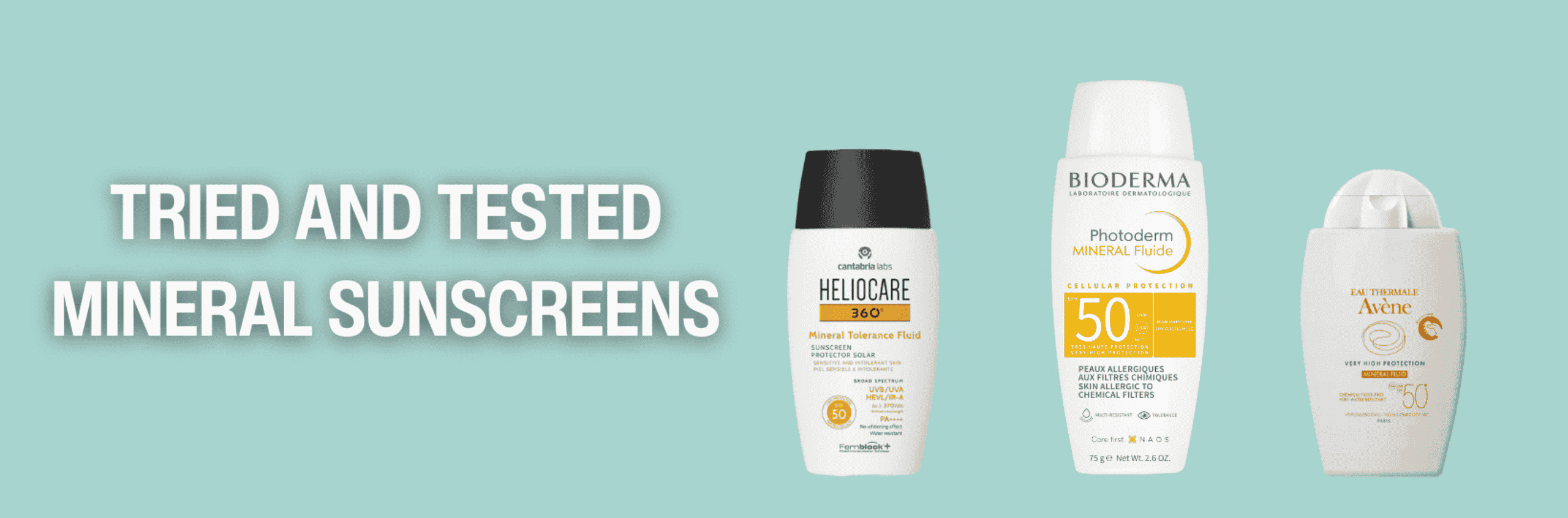
Most good skincare brands now offer a mineral option. The ones below have been tried and tested by the Coyne Medical team.
It’s well worth finding a sunscreen that suits your skin, especially for the face area. As definitely the best sunscreen is the one you are happy to apply regularly!
DR LUCY HOOPER MB BS BSc MRCGP MA DRCOG DCH
Lucy is a GP and co-founder of Coyne Medical. She graduated with honours from Imperial College London, trained at St Mary’s Hospital, and holds a Master’s in Medical Ethics and Law. Her clinical interests span women’s health, preventive medicine, and genomics, with a particular focus on using advanced biomarkers to build a more complete picture of long-term health.
British Society for Genetic Medicine · European Atherosclerosis Society · Independent Doctors Federation
As seen in BBC, The Guardian, Women’s Health, The Times and Tatler
For educational purposes. This article is written by a practising GP and is intended to inform, not replace a consultation with your own doctor. It does not constitute medical advice. A note on clinical guidelines: Coyne Medical is an independent private clinic. Our approach is guided by the best available evidence, tailored to each individual. This may go beyond standard NHS or NICE guidance, which is designed for population-level care and weighted by resource constraints.
TV presenter and journalist, Fiona Phillips, recently shared her Alzheimer’s disease diagnosis at the age of 61. Fiona has been an ambassador for Alzheimer’s Society and has undergone genetic testing for Alzheimer’s due to her family’s history with the disease (both her mother & father had Alzheimer’s).
Since Fiona shared her diagnosis, many of our patients have been in touch with questions, particularly those with a family history of Alzheimer’s disease and dementia. In this latest article we want to share everything you need to know about genetic testing for Alzheimer’s disease:
In Alzheimer’s disease ‘plaques’ composed of proteins (called amyloid and tau) build-up in the brain, making it harder for the brain to function properly. Often there are other ‘vascular’ factors that cause harm to the brain. These could be high cholesterol lipoproteins as well as high blood pressure.
What are the causes of Alzheimer’s disease?
Alzheimer’s disease is the most common cause of ‘dementia’. The many causes of dementia all cause difficulties in memory, problem-solving, and thinking. Symptoms can be subtle at the start. It may take years before they are severe enough to cause a problem in your day-to-day life.
I have heard of a blood test to check for the risk of Alzheimer’s disease. What is the test?
Testing for the gene changes that have been linked to early-onset Alzheimer’s might be useful for someone with a family history of the disease or for someone showing symptoms of early-onset disease. At Coyne Medical we offer APOE gene testing, in the form of a blood test, as an add-on to our health and genetic screening services. Please do get in touch if you would like to discuss APOE gene testing in more detail.
What is the APOE gene?
APOE is a gene located on chromosome 19. There are three variations of APOE you can inherit, called ‘alleles’, epsilon (ε) 2, 3 and 4. You inherit any two combinations of ε2, ε3 or ε4, as you get one copy from each parent. For example your APOE genes could be ε2/ε2, or ε2/ε4 . ε4 is the variant which carries an increased risk. If you inherit two copies of ε4 your risk of Alzheimer’s dementia is 8 to 12 times the risk of someone with two copies of ε2.
APOE genes alone won’t guarantee someone gets Alzheimer’s disease. Lots of other factors will influence this. Blood pressure, diet, cholesterol and physical activity levels all have an impact.
About 1% of cases develop dementia due to an inherited genetic mutation in a single gene. One example is the amyloid precursor protein gene (APP). There may be a family history of dementia starting at a very early age, from 30 onwards. In these cases, it is important to talk to your doctor and consider your options for testing.
DR LUCY HOOPER MB BS BSc MRCGP MA DRCOG DCH
Lucy is a GP and co-founder of Coyne Medical. She graduated with honours from Imperial College London, trained at St Mary’s Hospital, and holds a Master’s in Medical Ethics and Law. Her clinical interests span women’s health, preventive medicine, and genomics, with a particular focus on using advanced biomarkers to build a more complete picture of long-term health.
British Society for Genetic Medicine · European Atherosclerosis Society · Independent Doctors Federation
As seen in BBC, The Guardian, Women’s Health, The Times and Tatler
For educational purposes. This article is written by a practising GP and is intended to inform, not replace a consultation with your own doctor. It does not constitute medical advice. A note on clinical guidelines: Coyne Medical is an independent private clinic. Our approach is guided by the best available evidence, tailored to each individual. This may go beyond standard NHS or NICE guidance, which is designed for population-level care and weighted by resource constraints.