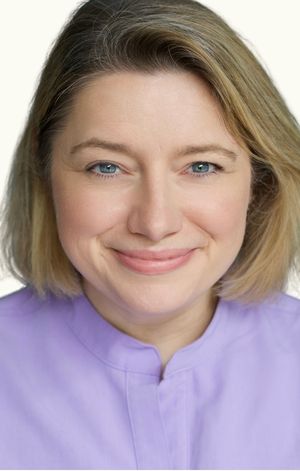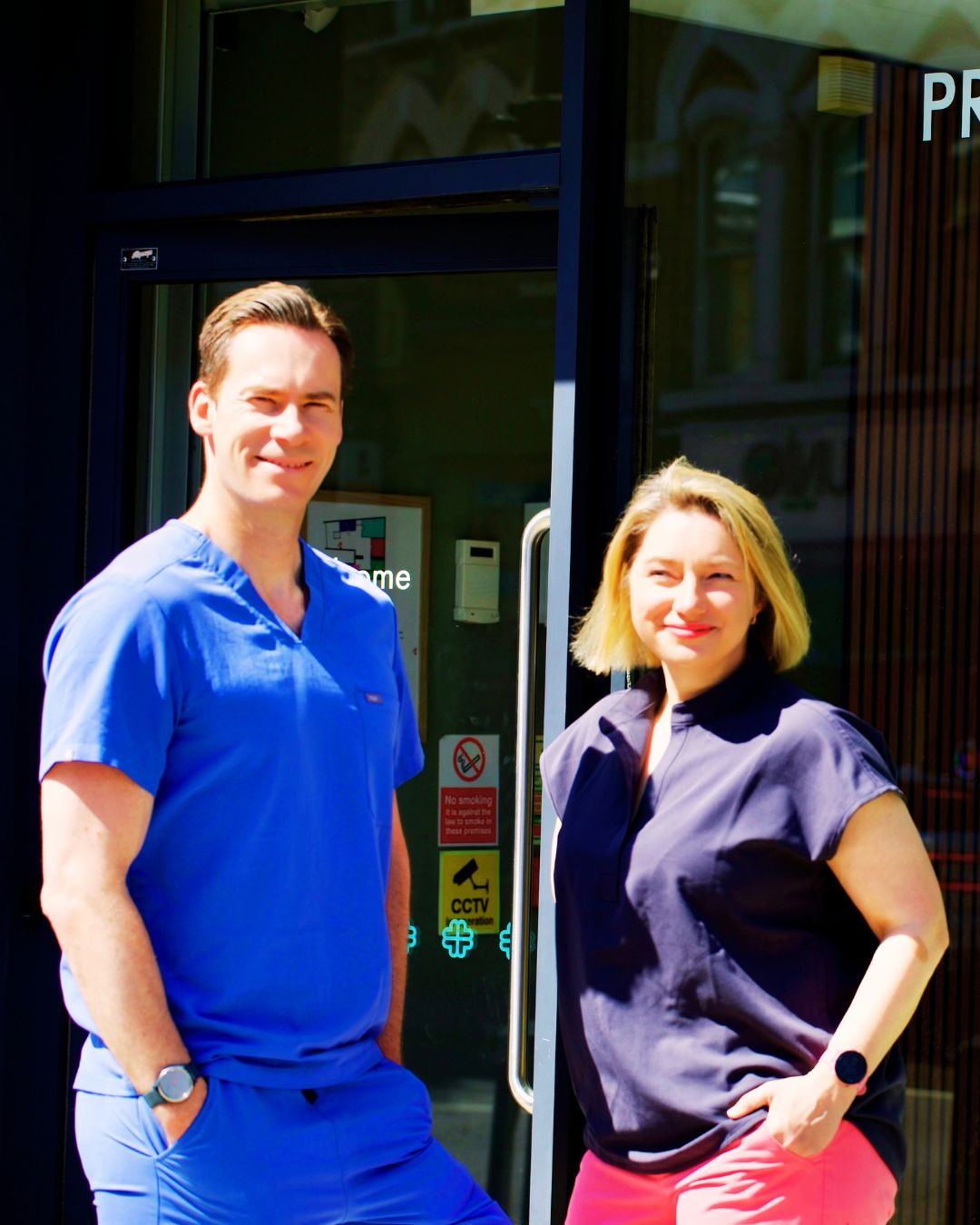
Author: Dr Lucy Hooper MB BS BSc MRCGP MA DRCOG DCH

  • Lipoprotein (a): The most important blood test you have never heard of

    Lipoprotein (a): The most important blood test you have never heard of

    25% of people continue to die from cardiovascular and heart disease.

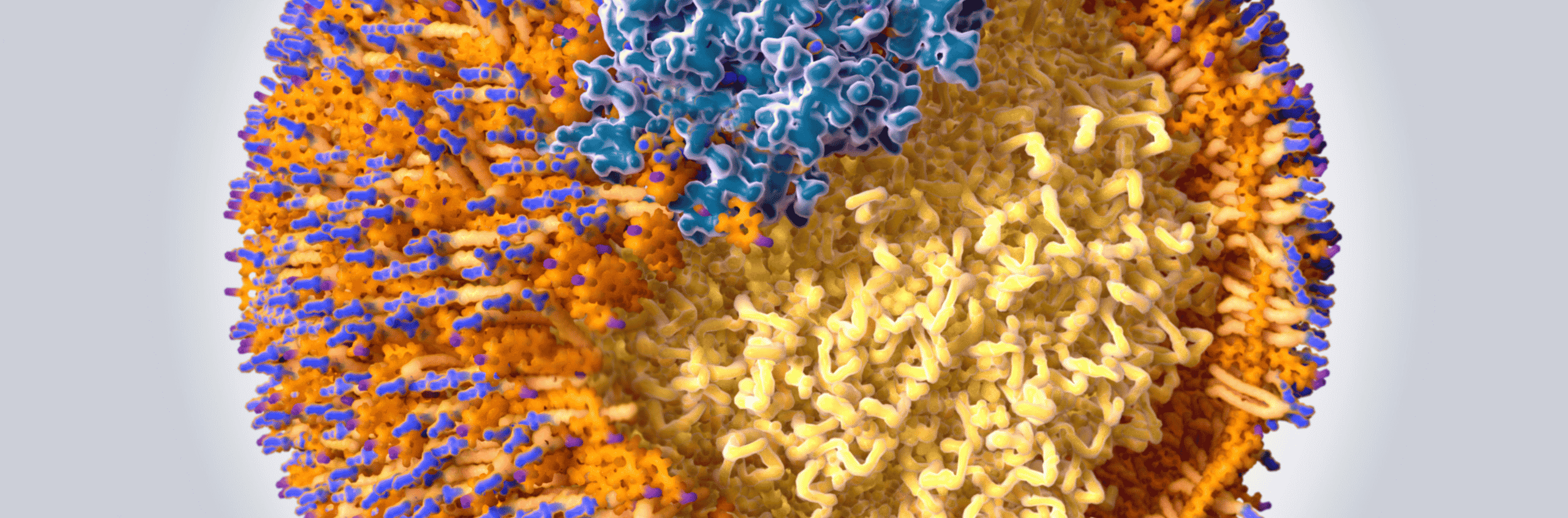
    Despite better modern management of risks like high blood pressure and cholesterol. Researchers suspected that there must be other things causing cardiovascular disease. Studies led to the discovery of a substance in the blood called lipoprotein (a). The level of lipoprotein (a) in the blood is different for everyone. Recent genetic studies proved that you inherit most of your high lipoprotein (a) levels. Your liver manufactures lipoproteins. They are a combination of fat and protein. Their job is to transport fats around the body in the blood. Lipoprotein (a) is a special combination, it includes a lipoprotein like LDL cholesterol, plus two more proteins, apolipoproteins A and B. The combination is very sticky and easily passes into the wall of the artery. This inevitably causes blockages of your blood vessels. So high lipoprotein (a) levels equal a high risk of cardiovascular disease.

    Even people with amazing lifestyles and diets can have high levels. If you are reading this then there is at least a 10 to 20% chance you have a high lipoprotein (a) level. The only way to know your level is through a blood test. Most people only need to check once in their lifetime. High levels mean you are at high risk for heart attacks and stroke. This is true even if your blood pressure and cholesterol levels are “ok”.

    Knowing you are at high risk we can then help you reduce that risk. We will look at all your cardiovascular risk factors and make a plan to optimise these. Knowing about a high lipoprotein (a) level can completely change treatment plans. We need to track your cholesterol measurements. The goals for your cholesterol need to be much lower to reduce your risk. This might mean using medicines to reduce targets like non-HDL cholesterol.

    Ongoing drug trials show great promise. In the future, drugs might directly reduce lipoprotein (a) levels.

    The European Society of Cardiology recommends measuring every adult’s lipoprotein (a) level. Unfortunately in 2022 the British Journal of Cardiology said “most clinicians are unaware of it”. We are passionate about the power of health screening to prevent disease. We recommend testing lipoprotein (a) levels for all adults.  Because levels are mostly genetically determined, it only needs to be checked once. This helps our patients prevent cardiovascular disease. Because prevention is better than cure.

    If you’re interested in learning more about lipoprotein (a) then check out Dr Hugh’s deep dive on lipids here. 

    British Society for Genetic Medicine  ·  European Atherosclerosis Society  · 
    Independent Doctors Federation

    As seen in BBC, The Guardian, Women’s Health, The Times and Tatler

    For educational purposes. This article is written by a practising GP and is intended to inform, not replace a consultation with your own doctor. It does not constitute medical advice. A note on clinical guidelines: Coyne Medical is an independent private clinic. Our approach is guided by the best available evidence, tailored to each individual. This may go beyond standard NHS or NICE guidance, which is designed for population-level care and weighted by resource constraints.
  • Do you have dense breasts?

    Do you have dense breasts?

    1 in 7 women in the Uk will have breast cancer in their lifetime.

     Those rates are every decade. Knowing your breast density gives you more power to reduce your risk and catch cancers earlier. 

    The more ‘dense’ your breasts are the more likely you are to get breast cancer. About twice as likely as the ‘average’ woman. But it doesn’t end there, increased breast density also makes it much harder to find cancer on a mammogram (x-ray pictures of the breast tissue). 

    Breasts are a mixture of fat cells, glands and fibrous tissue. Fat shows up black on a mammogram (x-ray pictures of the breast tissue). Women with ‘extremely dense’ breasts have very little fat tissue in the breasts, their mammogram pictures look very white. Breast cancer also appears white on mammograms. So looking for cancers in dense breasts has been likened to looking for a white cotton ball in a snowstorm. It is very hard, the detection rate of mammograms can drop to as low as 24%.

    We offer women over 40 years of age a breast density assessment with their annual mammogram screening. Mammograms are the only way to know your breast density. It is not the same as having large breasts or “lumpy” breasts. 

    We offer mammogram screening including breast density assessment to all women over 40. Breast density is categorised from A to D, groups C ‘heterogeneously dense’ and D ‘extremely dense’ are dense breasts. Offering women in groups C and D follow-up MRI or ultrasound scans can detect cancers missed by their mammogram. 

    We know detecting breast cancer early makes them easier to treat and improves long-term survival. 98% will survive over 5 years after a stage 1 breast cancer diagnosis versus only 1 in 4 (26%) diagnosed at stage 4. MRI scanning for women with ‘extremely dense’ breasts has been shown to reduce their risk of dying from breast cancer. 

    Breast density is so important, so if you have a friend or family member so talking about it and raising awareness is vital. In the USA two doctors, JoAnn Pushkin and Wendi Berg both had breast cancer missed on a mammogram, this has driven their campaign to increase awareness and change policy. Now over 40 US states are required by law to inform women of their breast density after their mammogram. In Europe, Cheryl Cruwys also had breast cancer that her mammogram didn’t pick up and is leading the charge to inform women. If you want to read more check their website here.

    British Society for Genetic Medicine  ·  European Atherosclerosis Society  · 
    Independent Doctors Federation

    As seen in BBC, The Guardian, Women’s Health, The Times and Tatler

    For educational purposes. This article is written by a practising GP and is intended to inform, not replace a consultation with your own doctor. It does not constitute medical advice. A note on clinical guidelines: Coyne Medical is an independent private clinic. Our approach is guided by the best available evidence, tailored to each individual. This may go beyond standard NHS or NICE guidance, which is designed for population-level care and weighted by resource constraints.

  • How to best tackle jet lag – travel like a pro

    How to best tackle jet lag – travel like a pro

    Jet lag is a relatively recent ailment for humans to suffer. It is one of many conditions that has its origins in rapid technological advancement. Transcontinental travel via jet planes brought with them a touch of glamour and thrill of exploring the globe as well as a particularly annoying and pervasive fatigue.

    Jet lag can cause a whole host of undesirable effects including fatigue, apathy, insomnia, loss of appetite and bowel irregularities. So, what can be done about it?

    Your body can adapt to a new time zone by about one hour for every day you have been in a new time zone. Unfortunately, there is no ‘cure’ for jet lag. In conquering jet lag, the aim is to speed the process up enough for your body clock to keep up with a jet engine.

    Start as you mean to go on

    One on the most effective ways to combat jet lag is, in the days prior to travel, adjust your sleeping and waking schedule incrementally towards that of the new time zone. It is notable that physically fit individuals tend to have a less hard time adjusting to jet lag.

    Travel Like a Pro

    During the flight several factors will help reduce jet lag. Continue to adjust you sleep schedule such that you plan wake up on the plane at least 12 hours before your intended bed time. Blue blocking glasses have been shown to effectively reduce the effects of bright light on melatonin. The ‘Vampire Hormone,’ melatonin is the hormone in our bodies that helps regulate timing of sleep. As its nickname suggests, it goes away in the light, hence the use of the blue blocking glasses to help optimise levels.

    To aid sleep, wear loose fitting and comfortable clothing minimise the use of electronic devices, use an eye mask, neck pillow and noise cancelling headphones. Avoid caffeine and alcohol, which can prevent deep sleep.

    When you wake up on the flight, firstly do some gentle exercise such as walking and stretching and then watch a film, the blue light from the screen with stimulate the brain into thinking it’s daylight.

    Fit in with the locals

    When it comes to jet leg “West is best.” When you travel Westbound you are asking your body to stay awake for a few hours more than usual. Far easier than asking it to sleep a few hours early. Also, the natural circadian rhythm of the human body is actually slightly longer than 24 hours making it easier to stay awake.

    When travelling Eastbound, get lots of daylight exposure, even if it is cloudy. Get your shades on in the afternoon and then surround yourself with darkness in the evening and at night. Exercise in the early evening to help bring sleep earlier is also a good way to lull your body into thinking it’s bed time.

    For Westbound travel, help your body stay awake by getting lots of sunlight without shades on in the afternoon. Exercise in the morning to promote alertness and delay sleep.

    Food is a very powerful trigger for resetting your time zone. So, eat at the regular mealtimes of locals in your new time zone.

    Have a good strategy for napping. This can be very successful in overcoming daytime fatigue in the new time zone. Keep naps to less than 30 minutes. That way you will not wake up feeling fatigued. Have a coffee immediately prior to a nap so that the caffeine can be working its way into your system while you sleep. Immediately after the nap wash your face and get some sunlight exposure.

    Bon Voyage!

    British Society for Genetic Medicine  ·  European Atherosclerosis Society  · 
    Independent Doctors Federation

    As seen in BBC, The Guardian, Women’s Health, The Times and Tatler

    For educational purposes. This article is written by a practising GP and is intended to inform, not replace a consultation with your own doctor. It does not constitute medical advice. A note on clinical guidelines: Coyne Medical is an independent private clinic. Our approach is guided by the best available evidence, tailored to each individual. This may go beyond standard NHS or NICE guidance, which is designed for population-level care and weighted by resource constraints.

  • Exercise in Pregnancy Can Increase the Chances of Vaginal Birth

    Exercise in Pregnancy Can Increase the Chances of Vaginal Birth

    A frequent question that we are asked by pregnant mum’s attending the clinic is whether they can continue to exercise during pregnancy. Many of the mums-to-be are worried that exercise may harm the baby or increase the risk of preterm birth. 

    Doctors previously assumed that pregnancy would increase the risk of preterm birth by reducing the blood flow to the placenta which provides vital nutrients to the baby. A recent study set out to check whether exercise in pregnancy really did increase the risk of preterm birth. They carried out a meta-analysis, a study that collects together all the results of previous good quality studies and pools them together. The study only included women who had an uncomplicated, single (i.e. not twin) pregnancy. In total 2059 women were included in the study and, interestingly, all of them were sedentary prior to the studies starting. A wide variety of exercises were tested in the studies including personal training, static cycling, resistance training, swimming, mobilization, and core workouts. 

    The results showed that women who exercised throughout pregnancy doing 35 minutes of exercise 3-4 times per week had no difference in the rate of preterm delivery than those who did no exercise. There was also no difference in birth weight of babies born to mothers who did exercise compared to those who did not. 

    However, women who exercised regularly were more likely to have a vaginal birth and less likely to have a Caesarean Section. In addition, exercise reduces the likelihood of women developing Diabetes in pregnancy or experiencing problems with high blood pressure. 

    So exercise in an uncomplicated pregnancy is not only safe but can also improve chances of vaginal birth and reduce the risk of diabetes and high blood pressure. If you would like to know more about what exercise would suit you in your pregnancy, then contact our team.

    British Society for Genetic Medicine  ·  European Atherosclerosis Society  · 
    Independent Doctors Federation

    As seen in BBC, The Guardian, Women’s Health, The Times and Tatler

    For educational purposes. This article is written by a practising GP and is intended to inform, not replace a consultation with your own doctor. It does not constitute medical advice. A note on clinical guidelines: Coyne Medical is an independent private clinic. Our approach is guided by the best available evidence, tailored to each individual. This may go beyond standard NHS or NICE guidance, which is designed for population-level care and weighted by resource constraints.
  • How Your Day Influences Your Sleep

    How Your Day Influences Your Sleep

    A good night’s sleep starts in the morning. Try to have a consistent time for waking up. Get up early and get your body moving. 

    Sleep scientists talk of building “sleep pressure.” Exercise and getting up early increases physical fatigue and help build this sleep pressure throughout the day. I’m a huge fan of resistance exercise for a variety of reasons relating to its benefits to health and pumping iron has also been shown to improve sleep quality. Long-term aerobic exercise in previously sedentary individuals with insomnia has been found to accelerate the time it takes to get to sleep, improve sleep quality and increase alertness in the mornings. However, it doesn’t take months for exercise to have an effect on sleep. Researchers have also found that even in the short term moderate-intensity aerobic exercise improves sleep as well as reducing anxiety prior to sleepResearchers in Boston carried out a meta-analysis to establish the effects of exercise in both the short term and the long term. The good news is that exercise has beneficial effects quickly, and if you maintain exercise these benefits are enhanced. 

    In an experimental study, researchers assessed whether exercise could be used as a treatment for people with insomnia. Not only did they find that exercise was an effective intervention in treating insomnia but also they found a linear relationship between the amount of exercise and sleep. This means that as levels of exercise increased, sleep improved. So is it the case that the fitter you are the better you sleep?

    Researchers investigated a large population of mostly white, middle-class people in Dallas, Texas to answer this question. This study was what is known as a prospective study. They recruited a group of volunteers and tracked their health over a long period of time. Between 1971 and 2006 the volunteers had 4 medical examinations as their health was monitored by researchers. They had the participants perform a maximal treadmill test. Four times. That is, they had the study participants run on a treadmill until they either gave up or were stopped from running anymore on medical grounds by the attending doctor. Four times. 

    The researchers discovered that between the second and fourth visits, which were typically when the participants were aged between 51 and 56 years of age, for every minute of a reduced time to exhaustion on the treadmill there was an increase in sleep complaints. 

    In the centre of Norway, is the county of Trøndelag. This region is widely known for its beautiful rolling countryside with stunning fjords and inlets, the hip, tech-hub Trondheim and it’s ‘foodie’ culture. It is also known for one of the largest health studies ever performed. The HUNT study, to give it its acronym, has been going on since 1984. The local population are very engaged in the study, and they must be given that over 4000 of them volunteered to undertake V02 max testing. This is a fitness test, regarded as the gold standard test of fitness, undertaken on a treadmill or bike while physiological measurements are taken. The test continues until exhaustion. A significant proportion of the study participants did not reach VO2 max so the researchers instead used the phrase VO2 peak. They found that there was an inverse association between fitness as measured by VO2 peak and insomnia symptoms.     

    A significant impediment to good quality sleep is sleep-disordered breathing (SDB). The most common and widely known form of SBD is Obstructive Sleep Apnoea (OSA). I am always extremely vigilant of OSA in my practice as it is often overlooked and can have profound effects. It occurs in 4% of men and 2% of women in Western countries. It is widely known that it causes marked daytime sleepiness. Obviously, this can shorten lifespan by predisposing to accidents. In addition, it can have more subtle effects. OSA increases the risk of a multitude of health conditions including high blood pressure, heart disease, stroke, metabolic syndrome and diabetes. A meta-analysis of 5 studies showed that exercise reduced the severity of obstructive sleep apnoea by 32%. This was completely independent of any effect on body mass index (BMI).   

    In terms of when it is best to exercise in order to facilitate sleep, the studies are varied. Researchers in Japan studied the effect of exercise at different times of day on sleep and various physiological parameters. They concluded that morning exercise would be more beneficial as it stimulated the rest and restore side of the nervous system while evening exercise stimulated the fight and flight side of the nervous system. However, they did not show any difference in sleep parameters between morning and evening exercisers. Evening resistance exercise has been shown not to have a detrimental effect on falling asleep. The same researchers did find that exercising in the morning made it easiest to fall asleep while exercising in the evening made it easier to stay asleep. Another study found that morning exercise was associated with shorter time taken to fall asleep and few nighttime awakenings after early morning exercise. The subjects of this study were pre-hypertensives in middle age and hence, this is the study that is most applicable to people of middle age. 

    So we know that exercise helps sleep and it doesn’t take many exercise sessions to improve sleep. Research has found the more exercise we do the better we sleep. We also know that better fitness equates to better sleep. Not only this but exercise also improves obstructive sleep apnoea. It probably doesn’t matter too much when you exercise during the day but certainly avoid the period right before bed and it is likely that the earlier in the day you exercise the easier it will be to fall asleep.

    British Society for Genetic Medicine  ·  European Atherosclerosis Society  · 
    Independent Doctors Federation

    As seen in BBC, The Guardian, Women’s Health, The Times and Tatler

    For educational purposes. This article is written by a practising GP and is intended to inform, not replace a consultation with your own doctor. It does not constitute medical advice. A note on clinical guidelines: Coyne Medical is an independent private clinic. Our approach is guided by the best available evidence, tailored to each individual. This may go beyond standard NHS or NICE guidance, which is designed for population-level care and weighted by resource constraints.
  • How You Can Avoid Shingles

    How You Can Avoid Shingles

    If you’ve had a friend or relative who has had shingles, then you will be familiar with just how uncomfortable it is. It can affect up to 1 in 4 people and is more likely in people aged over 50, although it can occur at any age. 

    The first thing people tend to notice when they have contracted shingles is not the rash but the pain. This can be burning, dull or electric shock-like. Shortly afterwards the characteristic rash develops. This affects only one side of the body and occurs in a band. The rash itself looks rather like the chickenpox rash except that is localised to one area. This is because shingles affects a nerve that supplies the skin and it usually only affects one nerve at a time. The pain and rash occur in the area of skin that is supplied by the affected nerve. 

    How Does It Occur?

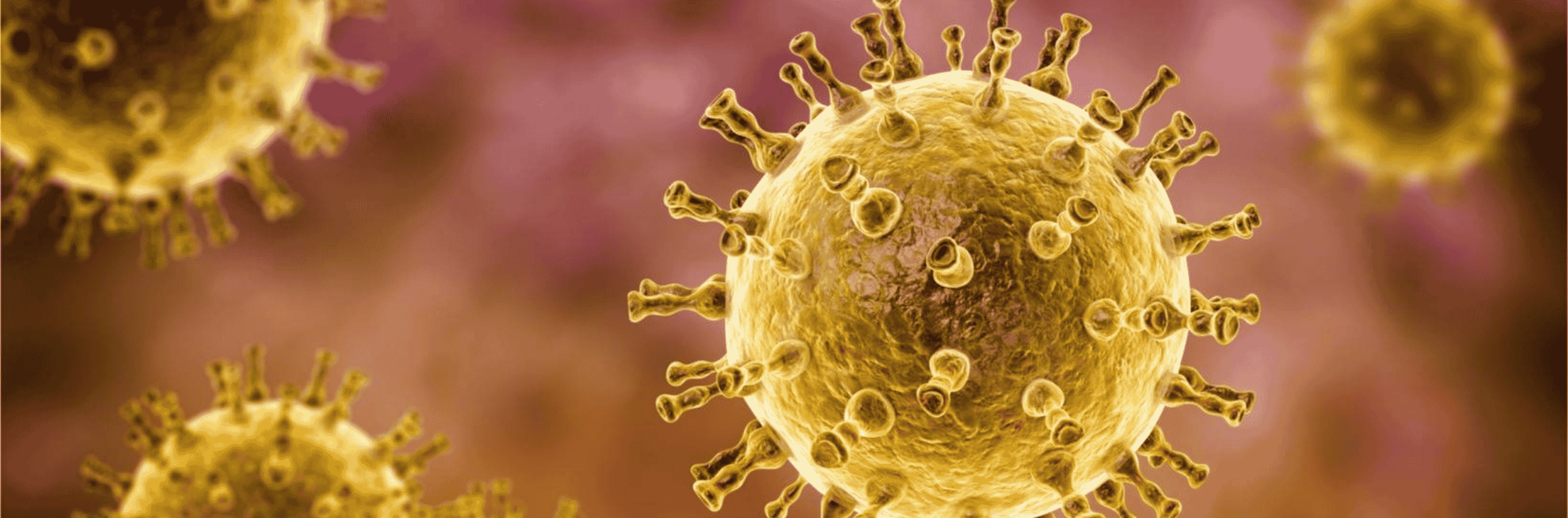
    Many people (doctors included) still struggle to get their heads around how shingles occurs. To have shingles you have to have had chickenpox. The chickenpox virus, also known as the varicella-zoster virus, then lies dormant in one of the nerve endings in our skin. Precisely what causes the reactivation of the virus resulting in shingles is not known. However, it is thought that the risk is increased as our immune system wanes with age. Stress, or another recent illness, may also cause this dip in our immunity allowing shingles to strike. 

    Thankfully, there’s now a simple way to prevent shingles

    There is now a vaccine that can prevent shingles. Zostavax can be given to adults over 50. It is a live vaccine but the virus has been altered so that it does not cause illness. Instead, it primes the immune system to prevent shingles. Because it is a live vaccine it can’t be given to people who have problems with their immune system. While the vaccine does not prevent all cases of shingles it is very effective and in those who do get shingles despite the vaccine, it is likely to reduce the severity and complications. 

    For adults who have never had chickenpox, it is sensible to have the chickenpox vaccine. The two doses given a month apart are about 90% effective in preventing chickenpox. 

    Can someone else catch shingles from me?

    People who have never had chickenpox can contract chickenpox from the shingles rash but you can’t pass shingles onto someone else. The shingles rash is contagious until the blisters start to scab over so it’s best to keep away from pregnant women, children or anyone with a weak immune system if you have it. 

    Brisk Treatment Means Faster Healing

    If you have any of the tell-tale symptoms of shingles such as burning or gnawing pain in a band or the classic rash you should arrange to quickly see your doctor. Antiviral medication such as Aciclovir can be used to help quicker healing and reduce the risk of complications. Antivirals work best if given within 72 hours of the onset of the rash which is why it is important to let your doctor know quickly if you suspect something is wrong. The medication is particularly important to give to people with shingles who are over 50, have the rash near the eye or on an arm or leg, have severe pain or have low immunity. 

    With regard to shingles, prevention is better than cure. So if you’re over 50, think about getting the vaccine. And if you do think you may have shingles see your doctor quickly, as the earlier you start treatment the better.

    British Society for Genetic Medicine  ·  European Atherosclerosis Society  · 
    Independent Doctors Federation

    As seen in BBC, The Guardian, Women’s Health, The Times and Tatler

    For educational purposes. This article is written by a practising GP and is intended to inform, not replace a consultation with your own doctor. It does not constitute medical advice. A note on clinical guidelines: Coyne Medical is an independent private clinic. Our approach is guided by the best available evidence, tailored to each individual. This may go beyond standard NHS or NICE guidance, which is designed for population-level care and weighted by resource constraints.
  • Could You Have Low Testosterone?

    Could You Have Low Testosterone?

    Low testosterone has been found to occur in almost 40% of men aged over 45. However, it is often overlooked. Often the symptoms that occur due to low testosterone are ascribed to other causes such as depression, anxiety or lack of exercise. 

    Where is Testosterone Produced?

    In men, testosterone is mainly produced by the Leydig cells in the testicles. A smaller amount is produced by the adrenal glands. Usually, testosterone levels are tightly controlled by a feedback system. This feedback loop is regulated by the hypothalamus and the anterior pituitary gland which are located in the brain. 

    Not all men become deficient in testosterone with age. However, as men age testosterone levels do gradually decline. There are a wide range of causes of low testosterone. Therefore, if low testosterone is identified it is important to identify if there is an underlying cause. Yet, in many men, no cause for low testosterone is found. 

    What are the symptoms of low testosterone?

    In adult men, having low testosterone results in a number of potential symptoms and signs including:

    • Mood disorders such as low mood, anxiety, anger and irritability.
    • Decreased sense of wellbeing.
    • Reduced concentration and memory.
    • Changes in body composition such as increased abdominal and visceral fat, increased BMI.
    • Reduced body hair.
    • Muscle wasting and impaired muscle strength.
    • Fatigue and loss of energy.
    • Poor sleep.
    • Thinning and weakening of bones.
    • Increased risk of type 2 diabetes.
    • Hot flushes.
    • Reduced libido.
    • Problems getting or maintaining erections.

    The most common symptoms of low testosterone are low sexual desire, difficulty getting and maintaining erections and reduced morning erections. 

    If you are concerned that you have symptoms of low testosterone, speak to your GP about getting tested. 

    British Society for Genetic Medicine  ·  European Atherosclerosis Society  · 
    Independent Doctors Federation

    As seen in BBC, The Guardian, Women’s Health, The Times and Tatler

    For educational purposes. This article is written by a practising GP and is intended to inform, not replace a consultation with your own doctor. It does not constitute medical advice. A note on clinical guidelines: Coyne Medical is an independent private clinic. Our approach is guided by the best available evidence, tailored to each individual. This may go beyond standard NHS or NICE guidance, which is designed for population-level care and weighted by resource constraints.

  • A personal message from our Co-Founder Dr Lucy

    A personal message from our Co-Founder Dr Lucy

    When Hugh and I founded Coyne Medical over 5 years ago a key part of our dream was to create a family medical practice that embraced preventative healthcare using the latest tools and technology.

    This year we have been excited to be working on bringing genetic screening for cancer and cardiac disease into the practice. We see your genetics as another key piece of information that forms part of 21st-century health screening, in the same way as knowing your blood pressure and cholesterol.

    1 in 6 healthy adults will receive a genetic screening result that shows that they are at high risk of disease. I was not expecting to be one of those people. I recently received a result that puts me at high risk of certain illnesses, especially breast cancer.  Having seen so many women face breast cancer I feel incredibly fortunate to have received this result whilst I am still healthy. I have made the decision to go ahead with a risk-reducing mastectomy this week.

    I will be taking a short break from work whilst I recover from surgery. I know we have a truly excellent team and that everyone will be very well cared for but I will miss my patients and colleagues enormously. I love my job and can’t wait to be back with even more passion for bringing the best medical care to our patients. I look forward to seeing you all soon.

    My very best,

    Lucy

    British Society for Genetic Medicine  ·  European Atherosclerosis Society  · 
    Independent Doctors Federation

    As seen in BBC, The Guardian, Women’s Health, The Times and Tatler

    For educational purposes. This article is written by a practising GP and is intended to inform, not replace a consultation with your own doctor. It does not constitute medical advice. A note on clinical guidelines: Coyne Medical is an independent private clinic. Our approach is guided by the best available evidence, tailored to each individual. This may go beyond standard NHS or NICE guidance, which is designed for population-level care and weighted by resource constraints.