

Author: Dr J Hugh Coyne MBBS BSc PGDip (with merit) MRCGP DRCOG DCH

  • How to Manage a Crying Baby

    How to Manage a Crying Baby

    abies cry. A lot. Studies show that 10% of babies cry “persistently” (more than three hours per day). On average it has been found that babies cry for 2 hours per day with a peak in the evening – the witching hour. Crying is particularly common in the first three months after birth. 

    A crying baby can be a huge source of stress and upset. There is nothing like an inconsolable infant to make you feel utterly hopeless! However, while crying can be distressing it is the main form of communication your baby has. And although initially, a baby’s cries can make you feel helpless with time you will learn to understand this vital communication tool. Here is our checklist of things to consider when your baby is crying. 

    Get to know your baby. Watch and listen. Does the cry sound normal?

    With careful attention, you will develop your communication skills with your baby. Pay close attention to them. With time you will know the cry they do when they are hungry, the cry for when they are lonely need a cuddle and the cry for when they have an apocalyptic nappy. 

    There is a catch. As is the case throughout the parenting journey, as soon as you think you have cracked it, they have taken a developmental leap that makes all your hard work redundant. You’ll quickly have a whole new set of skills to learn. 

    A high pitched or shrill cry that is different from your baby’s usual cry can indicate something is wrong. If you hear this make sure to give them a good check over. 

    Do they have a fever?

    Always important if the cry is persistent or abnormal is to check for a temperature. A fever in an infant is defined as a temperature above 38°C. Children under three months of age who have a fever above 38°C should be seen and assessed by a doctor. 

    Are they too hot or too cold?

    Babies can be quite fussy about their temperature. Infants have not yet developed all the sophisticated strategies adults and older children have to regulate temperature. Make sure they are dressed appropriately for the surroundings. 

    Are they tired?

    Sometimes babies will be tired but fight sleep, such is their excitement to take in the world around them. Some babies can be quite sensitive and find that too much stimulation around them can be overwhelming. 

    The best strategy here is to try to recreate the comforting surroundings of the womb.  Swaddle snuggly but ensuring the hips are free to move. Cuddle gently in your arms and rock soothingly. Singing a lullaby has been shown to help quieten crying babies quickly (my girls always found Christy Moore songs particularly soporific). Some babies prefer being held in certain positions such as on their front, side or over your shoulder. If breastfeeding is well established giving baby a dummy to suck can be very soothing. 

    Are they hungry or thirsty?

    Try offering breast or bottle if baby is distressed. Many parents worry about creating bad habits by doing this in terms of comfort, for the baby there is nothing quite like being cradled in the arms of a parent while being gently rocked and having some milk. And surprisingly, babies who are “spoiled” actually tend to cry less. 

    Do they have wind?

    We have a number of relatives and friends who bemoan the lack of winding of babies “these days.” They do have a point. It is surprising how often a massive burp instantly relieves a crying baby. 

    Do they need a new nappy?

    It seems simple but somethings the simple things are forgotten when you are particularly frazzled looking after a baby. Sometimes it may not even be that the nappy is soiled but just adjusting it to a more comfortable position can help. 

    Do they have a rash?

    Babies have very delicate skin. Check the nappy area for irritation and everywhere else for any uncomfortable looking rash. 

    How are you? 

    One aphorism of childcare is “As calm as you are is as calm as they’ll be.” With that in mind make sure you have also been looking after yourself. Babies can sense when we are stressed. I am a much better parent if I have been fed, watered, rested, not dying to go to the loo, and not too hot or too cold. You will be too so make sure that in your efforts to care for your child you have not neglected yourself. 

    If it is all getting too much give yourself a time-out. Put the baby on their back with their favourite teddy in a safe place such as the crib or cot and pull to door closed. Set a timer for 3-5 minutes and take a few moments to have a (soft) drink, take a few deep breathes, listen to a song or read a few pages of a book. When you are ready and feeling a little refreshed you can start to soothe your baby again. 

    A great go-to for me was the baby carrier. Movement is a fantastic way to soothe a baby. Putting the baby in the baby carrier and going for a few laps around the park was a great way to calm everyone down. 

    It seems like a crazy thing to say, but treasure this time. It’s not for long that they are entirely dependent on you. Soon enough, you’ll have all sorts of other things competing for their attention. 

    British Association of Sports and Exercise Medicine  ·  European Atherosclerosis Society  · 
    Independent Doctors Federation

    As seen in The Independent, The Daily Mail and Tatler

    For educational purposes. This article is written by a practising GP and is intended to inform, not replace a consultation with your own doctor. It does not constitute medical advice. A note on clinical guidelines: Coyne Medical is an independent private clinic. Our approach is guided by the best available evidence, tailored to each individual. This may go beyond standard NHS or NICE guidance, which is designed for population-level care and weighted by resource constraints.

  • How Stress Can Contribute to Injury

    How Stress Can Contribute to Injury

    How Stress Can Contribute to Injury

    A wide variety of stress related problems can increase your risk of injury. We give you the tools to combat them. 

    Our psychology is not only crucial to how we perform but also plays a vital role in predisposition to injury. While previously the mind and body would be regarded separately, modern medicine now understands that our thoughts, beliefs and emotions are intrinsically linked to our physiology. The mind and body closely interact. To try and heal the body without paying attention to the mind and vice versa is, well, mindless.

    Who is at risk?

    Generally, in medicine, we split stress into intrinsic and extrinsic. Intrinsic stress is the type of stress we place on ourselves while extrinsic stress is caused by external factors. An increased susceptibility to injury has be found to occur with both of these types of stress. People who tend to be generally anxious or of a nervous, jittery disposition and those who become very nervous or anxious in certain situations, such as before a big competition are more likely to suffer injury. It is not only those who inherently tend to be more anxious that have a higher injury risk. People with a “Type A” personality, those who are irritable or untrusting of others and people with have poor coping strategies to deal with stress also have a higher risk of injury. 

    External stress also plays a role in injury risk. Negative life events, daily hassles and strains and stress related to training itself such as feeling stiff or tense, feeling vulnerable to injury and feeling insufficient rested all contribute to an increased likelihood of injury. 

    How Does Stress Increase Risk of Injury?

    Stress impacts the body in a number of ways. The mind and body interact through a continuous flow of hormones, neurotransmitters and immune cells from one to the other. One such hormone, cortisol, is under the control of the hypothalamic-pituitary-adrenal (HPA) axis. This elegant axis uses a biofeedback loop whereby a gland in the brain senses what is going on in the body and then releases chemicals that stimulate the adrenal glands in our stomach to produce cortisol, the “stress hormone”. 

    Our brain also controls the release of a calming hormone. Oxytocin promotes growth and repair as well as creating feelings of well-being and reducing sensations of pain and anxiety. 

    Stress also impacts our injury risk in other ways. Athletes who are under stress have reduced peripheral vision compared to athletes who are not stressed. Pressure also makes athletes more distractible and increases muscle tension. These factors lead to increased fatigue and crucially impair both timing and coordination predisposing to injury. 

    Using the Mind To Prevent Injury

    It is vitally important to be proactive in using a psychological approach to prevent injury. There are several techniques that can help you become more mentally resilient. This not only can help reduce the risk of injury but also promote recovery and prevent and minor injury from becoming a major one. There are 5 key steps to managing stress and reducing risk of injury. 

    Check-In: It’s vital to understand what are the triggers are for you to feel good and what makes feel down. Knowing these triggers means that you can invest time in the tasks that will make you feel good and minimise the tasks that make you feel bad. A great tool for this is the Hassles and Uplifts Scale. This is completed before bed to establish what annoyed you that day and what gave you a lift. Another great tool you could use for this is the app Inflow. 

    Manage Load: By tracking your mood you can see when you are under the most stress. At these times you can mitigate injury risk by dialling down your training a little. A good tool to assist with this is measuring heart rate variability (HRV). The app HRV4Training is great for this. HRV gives us a clue as to how we have recovered from the previous day’s training and stress and can act as a guide to how much training load you should take on each day. 

    Build Resilience: Developing resilience to adverse life events is hugely important in both injury prevention and rehabilitation. When faced with a difficult or stressful situation use of the ABCDE Method can help you understand the relationship between negative life events and the thoughts and feelings that arise from them. This method helps challenge any negative beliefs you may have leaving you energised. 

    Chill-Out Like a Pro: Learning to relax properly is a real skill that takes time to develop. Different relaxation techniques suit different people and you can find what works best for you using by “checking-in” on your mood regularly. Meditation, mindfulness, reading, Centering, Progressive muscular relaxation, spending time with friends or family may all work. Experiment to find which works best for you. 

    Go with the Flow: Having an approach that is geared towards mastering a task or process is much more likely to lead to success and satisfaction than a task that is focused on a bettering someone else. A task mastery approach is also more likely to help you get in the “flow state” or “zone” where you become fully immersed in what you are doing and stresses and strains fall away. 

    Be Positive: There are a number of tools that can help your psychology become more “positive’ even if that is not your natural disposition. A gratitude journal filled out first thing in the morning listing three or four things that you are grateful for that day is a fantastic way to start the day. Throughout the day, performing small acts of kindness and generosity and engaging with other people by smiling and chatting is fantastic for maintaining positive feelings.

    British Association of Sports and Exercise Medicine  ·  European Atherosclerosis Society  · 
    Independent Doctors Federation

    As seen in The Independent, The Daily Mail and Tatler

    For educational purposes. This article is written by a practising GP and is intended to inform, not replace a consultation with your own doctor. It does not constitute medical advice. A note on clinical guidelines: Coyne Medical is an independent private clinic. Our approach is guided by the best available evidence, tailored to each individual. This may go beyond standard NHS or NICE guidance, which is designed for population-level care and weighted by resource constraints.

  • What is Apolipoprotein B and why is it important?

    What is Apolipoprotein B and why is it important?

    Atherosclerosis is the disease process that causes coronary artery disease. It is not a new condition. It has been found in 4000-year-old Egyptian mummies. In modern medicine, cholesterol is often described as being either good or bad. However, cholesterol is only ‘bad’ when it is in the wall of the artery. But how does it get there? And what makes it stay in the wall of an artery and cause a problem? Many things carry cholesterol around the body including HDL (often referred to as the good cholesterol) and red blood cells. Indeed, red blood cells carry a similar amount of cholesterol around the body as LDL particles (often referred to as the bad cholesterol).

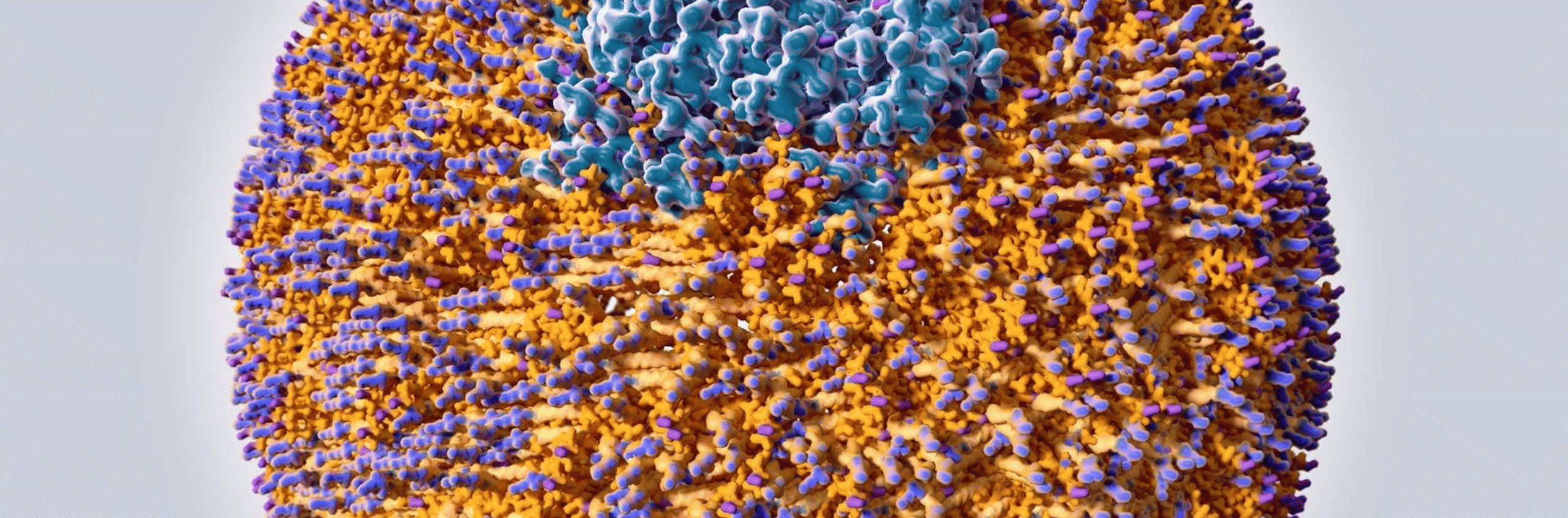
    So what is it that makes LDL bad? Or to put it another way, how does good cholesterol turn bad? The answer is Apolipoprotein B. If you look at the picture of an LDL particle such as the one above, you can see what it is made of. Fat is not soluble in water, so in the bloodstream, it must be transported in a packaged group. Each LDL particle consists of one Apolipoprotein B (ApoB), which organises other proteins, lots of cholesterol molecules and a core of polyunsaturated fatty acids. Think of each LDL as being like a group of tourists in a strange city being guided by a tour guide, the ApoB. 

    It is not only LDL that ApoB is present on. There is also one ApoB molecule on each intermediate-density lipoprotein (IDL), very low-density lipoprotein (VLDL) and chylomicrons. Indeed all of these particles also have the ability to cause cardiovascular disease (CVD). This is why a measure of all of these atherogenic particles, referred to as non-HDL cholesterol, is thought to be a better marker of cardiovascular disease risk than alone.

    The role of ApoB in atherogenesis, that is, the formation of atherosclerosis, is described by the “response to retention” hypothesis. Think of the artery as a road. The parts of the arteries that tend to have the most atherosclerosis are busy junctions. In cities the world over, busy junctions are often the sites of groups of bars and restaurants. Imagine now our group of tourists, the group of cholesterols with their ApoB guide wandering around the city. Imagine further that our group of tourists isn’t just any group of tourists but that they are a stag-do. Now a stag-do, our group of cholesterols, wants to find the busiest bar to go into. So it’s ApoB tour guide takes them to a bar at one of the busiest junctions and gets them in past the bouncer at the door. 

    Once inside the bar, the owner wants to keep this group in so that they continue to spend their cash in there. The artery lining acts in a similar way. But ultimately, acting in this way is going to be unhelpful for both the bar and the artery lining. How does the bar owner keep the group in the bar? Of course, by putting on the football, giving the tour guide a free drink and starting a happy hour. The artery lining acts, in the same way, to keep the LDL in the bar. Lipoprotein lipase and secretory sphingomyelinase are enzymes in the arterial wall that aid the retention of the ApoB and its cholesterol particles there. In the bar, as it’s getting busier and the punters are getting drunker our stag-do is swallowed up in the melee and drinks are being spilt everywhere. In the arterial lining, the ApoB and its cholesterols get swallowed up by macrophages (white cells) creating foam cells. Everyone in the bar is getting very merry, the atmosphere is really getting going, drinks are flying, people are up on the bar and more punters want to join the action. In the arterial lining, enzyme activation causes more retention of atherogenic particles. And it’s just then that the trouble really starts. As drinks and elbows start to fly and things get heated and people start to push past each other. First, a bottle smashes the window and then someone falls through the fire escape and everyone spills onto the street. The police are called. The area is blocked off. In the artery, the macrophages make enzymes that weaken the overlying cap and also release tissue factor. This agent is prothrombotic, it causes clots to form. It is the equivalent of calling the cops. Patry’s over. The artery is blocked.        

    So which is better at determining the risk of cardiovascular disease, non-HDL (which reflects the mass of cholesterol) or ApoB (which reflects the number of atherogenic particles)? To determine this requires studies of discordance. These studies show that when non-HDL was high but ApoB was normal, CVD risk was not high. But when non-HDL was normal and ApoB was high, CVD risk was high. Thus ApoB is a superior measure of CVD risk.

    So, we know that ApoB causes heart disease. New studies using a technique called Mendelian Randomisation have demonstrated that ApoB is implicated not only in heart disease but in stroke and diabetes. This type of study has also demonstrated that ApoB is associated with a significant reduction in lifespan. MR is a type of statistical analysis that uses variations in our genes to determine whether a certain exposure leads to a certain outcome. The fantastic thing about these studies is that confounding variables are removed. So, Mandellion Randomisation is excellent at establishing causality. In contrast, in an observational study causality can be difficult to determine because of confounding factors. A confounding factor is a variable that a study does not account for. An example of this would be a study looking at the link between heart disease and obesity that failed to take into account other important confounders such as age and smoking. Mendelian randomisation also eliminates reverse causality. This is a feature of observational studies when it can be difficult to ascertain what is the cause and what is the effect. An example of this would be does smoking cause lung cancer or does lung cancer cause smoking? 

    So when should we be measuring ApoB? The American Heart Association 2018 guideline on cholesterol management suggests that for people at intermediate risk of heart disease (risk between 7.5% and 20% on conventional risk scores) ApoB measurement can refine the selection of people at the highest risk. The 2019 European Society of Cardiology and the European Atherosclerosis Guidelines suggest that ApoB is the most accurate measure of CVD risk and a more accurate measure of lipid-lowering treatments. I mentioned previously the potential discordance between non-HDL and Apo-B. This is most common in people who are overweight, diabetic or have high blood values of triglycerides. These people should certainly have ApoB measured. However, atherosclerosis plaques grow over time. With the passage of time, more ApoB-containing particles are retained in the artery wall. So it is not just the number of ApoB-containing particles but the duration of exposure to them that is important. Therefore, it’s important to maintain low ApoB levels throughout life and start screening with ApoB early.  

    British Association of Sports and Exercise Medicine  ·  European Atherosclerosis Society  · 
    Independent Doctors Federation

    As seen in The Independent, The Daily Mail and Tatler

    For educational purposes. This article is written by a practising GP and is intended to inform, not replace a consultation with your own doctor. It does not constitute medical advice. A note on clinical guidelines: Coyne Medical is an independent private clinic. Our approach is guided by the best available evidence, tailored to each individual. This may go beyond standard NHS or NICE guidance, which is designed for population-level care and weighted by resource constraints.

  • Lipoprotein(a) – the bad guy of lipids

    Lipoprotein(a) – the bad guy of lipids

    In a previous blog, I tried to explain how dyslipidaemia (abnormal levels of blood lipids) causes atherosclerosis (plaques forming in the arteries) using the analogy of a stag-do. In this blog, I’m going to stretch this analogy even further. 

    In the stag do analogy, low-density lipoprotein (LDL) particles are members of the stag do. This is because it is LDL that causes all the trouble in the wall of the artery. In the same way, stag-dos cause trouble in bars the world over. The way to think of lipoprotein(a) is as the really bad, malevolent guy on a stag do. The guy with an evil streak that everyone else is a little bit wary of. 

    Lipoprotein (a) is a type of LDL particle. It is made up of a glycoprotein (a sugar linked to a protein), an apolipoprotein B molecule that is linked to an apolipoprotein (a). 

    Lipoprotein (a) isn’t all bad. It does have an important role in acute inflammation and wound healing. In our stag-do analogy, our protagonist can be thought of as a guy who is edgy, who brings a sense of excitement, a certain frisson. But this guy is one of those people who are best in small doses. On a stag-do, this bad dude is the type of person who would buy the stag 8 shots of gin to render him comatose, cheat on his partner, start a fight in a bar and get everyone kicked out. In the body, lipoprotein (a) causes problems by:

    • Interfering with the breakdown of clots.
    • Interfering with the functioning of the lining of the artery. 
    • Increasing inflammation in the wall of the artery.
    • Accelerating the formation of foam cells which leads to atherosclerotic plaque formation. 

    The main determinant of our levels of lipoprotein (a) is our genes. Levels can be measured using a standard blood test. Unfortunately, Lp(a) is not routinely measured on standard blood tests. Generally, the levels of Lp(a) remain stable over time although they can be affected to some extent by reduced levels of oestrogen and due to inflammation. 

    High levels of Lp(a) are associated with increased risk of heart and vascular disease as well as narrowing of the aorta. People who have a condition known as Familial Hypercholesterolaemia have a higher likelihood of having high levels of Lp(a). In these people, high Lp(a) further increases their already high risk of developing cardiovascular disease. 

    The European Society of Cardiology recommends that everyone should have their levels of Lp(a) checked at least once in their lifetime. Certainly, the following groups of people should have their Lp(a) levels checked:

    • Those with premature cardiovascular disease. 
    • People with a family history of premature cardiovascular disease (<55 years of age in men and <65 years of age in women).
    • People with a family history of elevated Lp(a).
    • People with a history of Familial Hypercholesterolaemia. 
    • People with a history of recurrent cardiovascular disease despite optimum treatment. 

    In addition, Lp(a) measurement can be useful for people with borderline cardiovascular risk scores who doctors are considering treatment with a statin and in people whose LDL cholesterol has not lowered as expected despite statin treatment. 

    So what can be done with elevated levels of Lp(a)? Currently, there is only limited scientific evidence to suggest that lowering Lp(a) reduced the risk of heart and vascular disease. Therefore, our focus of treatment is to reduce other risk factors for heart disease as much as possible. This includes lowering the levels of LDL as much as possible, usually with one or more medications. These medications include statins and another cholesterol-lowering medication called ezetimibe. 

    For some people, it is not possible to achieve optimum levels of LDL even with a statin at the maximum tolerated dose and ezetimibe, another cholesterol-lowering drug. For these patients, a medication called a PCSK9 inhibitor is required. These medications have been shown to reduce Lp(a) in some people and reduce the risk of heart disease independent of levels of LDL.  

    Some doctors use Nicotinic acid to reduce Lp(a). This medication has side effects that make it difficult to tolerate. Medical studies have shown that it does reduce Lp(a). However, these studies have not demonstrated that Nicotinic acid reduces the risk of heart disease. Another treatment called apheresis can reduce levels of Lp(a) temporarily but it is not clear yet whether this reduces the risk of heart disease. 

    A new promising therapy for elevated Lp(a) is antisense therapy. This is a type of gene therapy that intercepts the message from the body’s genetic code to make one of the key components of Lp(a). Trials in this treatment are ongoing. 

    Although there is no really effective current treatment to lower Lp(a) it is still very worth having levels checked at some stage of your life. Knowing your Lp(a) means that if they are elevated you can take steps that significantly reduce your risk of heart disease. 

    British Association of Sports and Exercise Medicine  ·  European Atherosclerosis Society  · 
    Independent Doctors Federation

    As seen in The Independent, The Daily Mail and Tatler

    For educational purposes. This article is written by a practising GP and is intended to inform, not replace a consultation with your own doctor. It does not constitute medical advice. A note on clinical guidelines: Coyne Medical is an independent private clinic. Our approach is guided by the best available evidence, tailored to each individual. This may go beyond standard NHS or NICE guidance, which is designed for population-level care and weighted by resource constraints.

  • How often do you need to have sex to get pregnant?

    How often do you need to have sex to get pregnant?

    How often do you need to have sex to have the best chance of getting pregnant?

    One of the most frequent problems we see as primary care physicians is couples having trouble trying to conceive. As a doctor, something that I find most gratifying is when I do a 6-week baby check having several months before having a consultation with the parents about how to optimize the chance of conception. Most good doctors, when advising couples on getting pregnant, will take a careful medical and lifestyle history to find out if there are any easily modifiable factors that may when addressed lead to an improvement in fertility. Thankfully, most of the time it really is just a matter of time before a couple conceives and the influence doctors have very little to do with it. Statistics show that 84% of couples having regular (at least three times per week) sexual intercourse will conceive within one year and 92% of couples within 2 years. 

    The birds and the bees

    An aspect that many couples find confusing is advice regarding the frequency and timing of sexual intercourse. There are innumerable sources of advice available but many lack quality of evidence or are confusing or contradictory. Knowledge of a few pointers of reproduction can help. Ovulation usually occurs 12 to 16 days before the first day of the next period. The egg lives for about 24 hours. Sperm can survive for up to 7 days. Therefore, for most couples ‘The Fertile Window,’ when the viability of sperm and the egg are at their highest, are the 6 days up to and including the day of ovulation. In terms of timing, the optimum time to have sex is 2 days before ovulation. A common mistake couples make is starting too late in the cycle.

    Little Soldiers

    A commonly held misconception (no pun) is that frequent ejaculations reduce semen quality. In fact, surprisingly, the opposite is the case. A study in 2005 that examined nearly 10,000 semen samples from men who were undergoing investigation for infertility found that even with daily ejaculation sperm concentration and movement remain normal. The same study found that optimal semen quality was found with no or only one day of abstinence from intercourse even in men who had low sperm counts.

    The most recent guidelines on fertility in the UK from NICE (National Institute of Clinical Excellence) advise couples to have intercourse every 2-3 days. This advice on the optimal frequency of intercourse to conceive is based on more vintage studies from 1953 and 1962. These studies suggest that frequent ejaculations might reduce sperm number and movement capability. However, as we have already seen, it has been shown that this is not the case. In addition, another study published in the New England Journal of Medicine also found no evidence that couples trying to conceive should in any way limit their frequency of intercourse. In fact, this study demonstrated that daily sex results in the highest chance of getting pregnant. This is the bottom line. Daily intercourse gives the highest chance of getting pregnant. 

    Don’t Stress

    Trying to get pregnant can be a stressful time and many couples wonder whether it will ever happen.  In particular, intercourse set at a specific time can become stressful and feel contrived. The stress of trying to get pregnant can actually reduce not only satisfaction but also frequency. This is why ovulation predictor kits which require couples to follow a strict schedule can be counter-productive. The most important advice that I could give about trying to conceive is to make a big effort to enjoy the process. Make it fun and exciting. Once you have your newborn at home with you the opportunities for this kind of excitement are considerably less. So make the most of it.

    If you can only manage every two days that is fine as the likelihood of success was almost as good compared to daily intercourse. Leaving it three days without intercourse on the basis of data from 69-year-old studies is more likely to result in a feeling that you are on a strict schedule and make the process less fun. Some couples might find that having frequent sex is stressful in itself and for these couples, ovulation predictor kits may offer a more useful guide.

    Let there be cuckoos…

    More frequent intercourse gives a higher chance of pregnancy and does not adversely affect the quality of semen. So don’t worry about delaying intercourse for three days during the narrow fertile window of 6 days as the guidelines suggest. Throw the ovulation predictor kit in the bin. Do all your going out for dinner, sleeping, and cinema trips (once COVID restrictions are lifted) while you can….. but most of all, please….. let there be love

    British Association of Sports and Exercise Medicine  ·  European Atherosclerosis Society  · 
    Independent Doctors Federation

    As seen in The Independent, The Daily Mail and Tatler

    For educational purposes. This article is written by a practising GP and is intended to inform, not replace a consultation with your own doctor. It does not constitute medical advice. A note on clinical guidelines: Coyne Medical is an independent private clinic. Our approach is guided by the best available evidence, tailored to each individual. This may go beyond standard NHS or NICE guidance, which is designed for population-level care and weighted by resource constraints.
  • Why Heart Disease Is Like Street Crime – CT Coronary Calcium Scores

    Why Heart Disease Is Like Street Crime – CT Coronary Calcium Scores

    Why Heart Disease Is Like Street Crime

    Broken windows theory was proposed in 1982 by Political Scientist James Quinn Wilson and Criminologist Geroge Kelling. The idea was that small crimes and misdemeanours inevitably led to serious crimes. This idea was taken on by New York Police Commissioner William Bratton. He cracked down on petty crimes and as a result, serious crime in New York fell. 

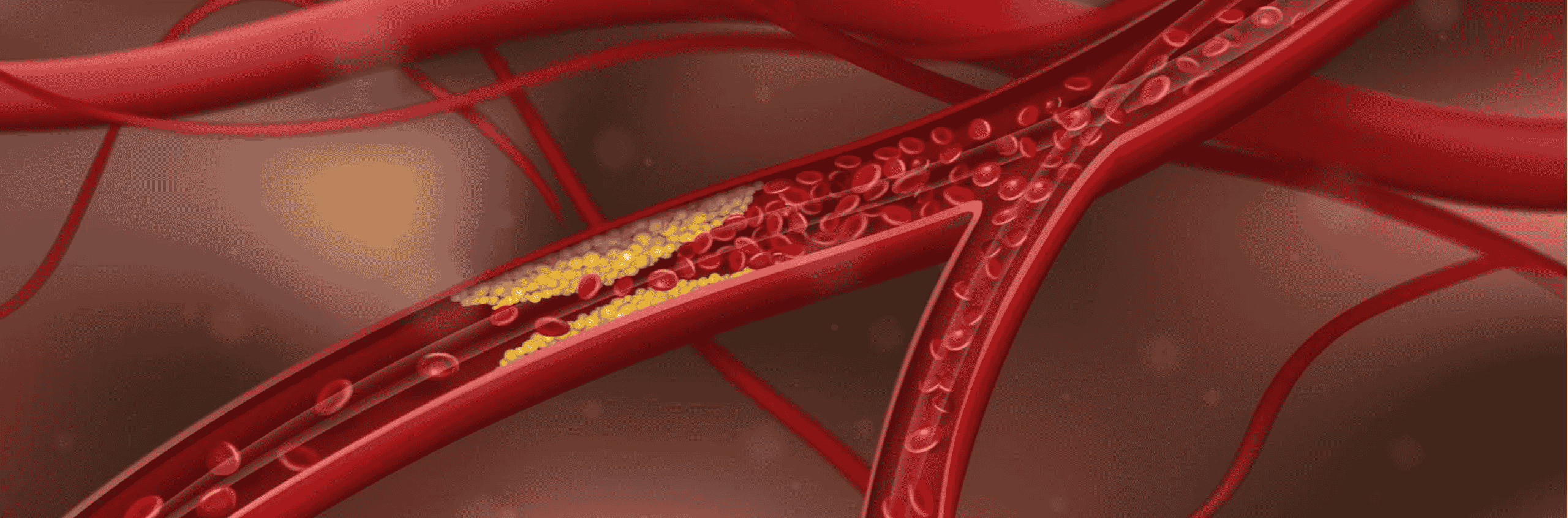
    Some people have a lipid profile that puts them at increased risk of cardiovascular disease. If you have a high Apolipoprotein-B (Apo-B) and high LDL particle number (LDL-p), for example, you are at higher risk of cardiovascular disease. This is because a high LDL particle number means that LDL is likely to break into the wall of the artery, cause inflammation and lead to coronary heart disease. It gets into the wall of the artery thanks to Apo-B. Having high Apo-B and LDL-p is analogous to living in a bad neighbourhood. If you have high Apo-B and LDL you are likely to have a break-in (to the arterial wall). Coronary calcium is a sign that damage has occurred in the arterial wall and reflects the body’s healing in response to damage. It is like having a boarded-up window after it has been smashed by a hooligan in a bad neighbourhood. We know from commissioner Bratton that broken windows inevitably lead to serious crime. In much the same way, coronary calcium is a signal that something serious is going to happen in the arterial wall. 

    Coronary artery calcium scoring (CACS) examines calcium deposits in the coronary arteries that occur during atherosclerotic plaque formation. The study takes around 10 minutes, doesn’t use contrast and the radiation dose is low (approximately 1 mSv). This amount of radiation is comparable to around two screening mammograms. The average person is exposed to approximately 2.7mSv radiation per year in the UK according to Public Health England. 

    Calcification in the arteries is due to the repair of the damage caused by the formation of atherosclerotic plaque. CACS provides an overall assessment of the amount of calcification, most commonly using the Agatston Score. As an interesting aside, Arthur Agatston not only developed the scoring system for measuring coronary artery calcium but also the South Beach Diet. 

    The initial evidence of the value of coronary calcium was provided by the landmark Multiethnic Study of Atherosclerosis (MESA). This was a study of 6814 individuals from four major ethnic groups. The study found a strong association between calcium score and adverse coronary events over almost 4 years of follow-up.  Subsequent studies have shown the benefit of calcium scoring in a variety of ages, sexes and clinical risk factor burdens.

    The addition of calcium scoring to our traditional risk estimation improves our identification of a patients chance of cardiovascular disease. It is particularly useful who allowing us to better understand who would and would not benefit from having medications to prevent cardiovascular disease such as statins or aspirin.

    A key advantage of calcium scoring is that while high scores are associated with elevated cardiovascular risk, the absence of coronary calcium is a negative risk marker that confers a good prognosis. This is what is known as negative predictive value. The negative predictive value of zero coronary calcium appears to be greatest in individuals at intermediate risk by traditional risk calculators. 45% of these patients will have CAC = 0, placing them at low cardiovascular risk and removing the need for preventive therapy such as statins. Conversely, the power of zero coronary calcium is limited in individuals who are already at high risk. Nearly 50% of fatal MIs occur in non-calcified areas of coronary arteries.  So even if the calcium score is zero, the patient may still need aggressive intervention if they live in a ‘bad neighbourhood.’ That is, even if they have a normal CAC but have very high ApoB and LDL-p. This is because they may have soft plaque and CAC does not show soft plaque.  

    European Society of Cardiology guidance on CVD preventiondyslipidaemia, and chronic coronary syndrome have all recognised the important role of CACS in the CVD risk assessment on an individual patient screening basis. They advised that CACS may improve risk classification in patients without symptoms in the moderate or low-risk categories. At levels of risk above this, significant lifestyle changes and potential medications are indicated. 

    So, CACS, seeing the amount of boarded-up windows in your neighbourhood, can considerably improve our estimation of your risk of cardiovascular disease and can be extremely helpful in guiding decisions on preventative treatment. 

    British Association of Sports and Exercise Medicine  ·  European Atherosclerosis Society  · 
    Independent Doctors Federation

    As seen in The Independent, The Daily Mail and Tatler

    For educational purposes. This article is written by a practising GP and is intended to inform, not replace a consultation with your own doctor. It does not constitute medical advice. A note on clinical guidelines: Coyne Medical is an independent private clinic. Our approach is guided by the best available evidence, tailored to each individual. This may go beyond standard NHS or NICE guidance, which is designed for population-level care and weighted by resource constraints.

  • Going Beyond ‘Cholesterol’

    Going Beyond ‘Cholesterol’

    When most people have their cholesterol level checked they will usually have their ‘total cholesterol,’ LDL-C (the concentration of LDL), HDL-C (the concentration of HDL), triglycerides (TG), and non-HDL measured. However, while these measurements are of some use in estimating the risk of cardiovascular disease they do not give the full picture. More important than the mass concentration of the cholesterol-containing particles is the number of cholesterol particles and more besides. 

    When most people think about cholesterol they think that there is a good type and a bad type. In fact, all cholesterol is good. Cholesterol is vital to our existence. It is one of the most important constituents of our cell membranes. Not only do cell membranes provide structural support for the cell but they also facilitate how cells move, what goes in and out of cells and how cells interact with each other. Cholesterol is also essential in the production of steroid hormones, vitamins and bile acids which help digestion. 

    So cholesterol is good. It is only bad when it is in the wrong place and the wrong place for cholesterol to be is in the arterial wall. But how does cholesterol get there. 

    Only about a quarter of the cholesterol in our bodies comes from what we eat. The rest is produced by our bodies. Our liver manufactures about a fifth of the cholesterol made by our bodies. Of the cholesterol that we eat, most of it is not absorbed by our gut. So the amount of cholesterol that we eat only has a limited effect on the cholesterol levels in the body. 

    I think of the process of coronary artery disease as being a bit like my stag do in Bratislava. This may seem like a stretch, but bear with me. Think of the guys on the stag do as being like cholesterol particles. Just like the members of a drunken stag do in an unfamiliar town, cholesterol needs something to take it around the body. The things that help transport cholesterol around the body are called apoproteins. These are like the group of girls from a tour operator that the best man hires to take the stag do on a tour of the town’s bars. In the bloodstream, the cholesterol particles and apoproteins when packaged together are called apolipoproteins. These cholesterol particles with their apoprotein chaperones (aka apolipoproteins) all bundle together. The group of cholesterol particles and its apoprotein chaperone is called a lipoprotein.

    Just like the group of girls from a stag-do tour operator, apoproteins help keep the group together and facilitate communication between the group and those outside the group. Apoproteins also help act as cofactors in enzyme reactions. This is akin to the female tour guides getting the stag group a round of free drinks when they arrive in a bar.  

    There are two important types of apolipoprotein – A and B. Apolipoprotein B (apoB) is almost always found with low-density lipoprotein (LDL). Think of low-density lipoprotein as a stag do with a female tour guide. Apolipoprotein A (apoA) is almost always found with high-density lipoprotein (HDL). Think of HDL as a tour group from a cruise ship with a nice tour guide. The are not going to cause trouble (unless the town is totally overrun with cruise ships and tour groups). An important point here, there is one ApoB molecule with one LDL particle. Each LDL particle is actually a group of cholesterol particles.  

    Most stag dos attract a few hangers-on. In the body, these unhelpful hangers-on are triglycerides. As the lipoproteins transport the cholesterol around the body these hangers-on drop away. Much the same happens on a stag do as it progresses.  

    The lining of an artery is called the epithelium. To cause atherosclerosis, i.e. cardiovascular disease, the LDL particle has to enter the endothelium. If you can imagine the lining of the artery as being like a strip of nightclubs and bars and the lumen of the artery as being like a road. The stag do, of course, are the LDL particles. Apoprotein B can get the stag do into the cool club. Each stag do needs to have a girl with them to get in (because there is there is one ApoB molecule with one LDL particle). In the same way, to get into the lining of the arterial wall, each LDL particle needs an Apolipoprotein B to chaperone past the bouncer on the door. In case you’re wondering, the bouncer in this instance is called NPC1L1Niemann-Pick C1-Like 1 or NPC1L1 for short. 

    So what is it that causes LDL to go into the lining of the artery? Remember, conventional blood tests for cholesterol measure the concentration of the different lipoprotein subfractions. But, it is the number of particles of LDL that is more important. Think of it this way. The more small stag do groups there are the easier it is for each stag do to get into a bar. No bouncer is going to let a massive number of drunk guys in one big group into a bar. Bigger stag dos with more people in each of them are less likely to get into a bar. In the same way the higher the number of LDL particles the greater the chance they have of getting into the wall of the artery. Although LDL concentration may correspond to particle number, often it doesn’t. 

    Indeed, it has been found that the best predictor of the risk of cardiovascular disease is LDL particle number. Furthermore, those people at the highest risk had a low (normal) LDL-C and a high LDL particle number. In medical statistics, when two variables that usually track together do not track together, it is known as discordance. People who have high LDL-C and high LDL particle number are also at high risk but not as high as those with discordant values. Thinking about it in stag-do terms, the highest risk of trouble comes when lots of small stag dos are let into a bar. In the opposite scenario if there is just one stag do allowed in but it is large with lots of people who know each other the chance of trouble is low. That is, if there is a high LDL-C and low LDL particle number the risk of cardiovascular disease is actually less. As I have mentioned, having a large number of LDL particles and a high LDL-C is also a high risk for cardiovascular disease. It’s just not as high risk as having low LDL-C and high particle numbers. Even in patients who show up to the hospital having a heart attack, frequently their LDL-C is normal.

    People with metabolic syndrome are more likely to have an unhelpful discordant relationship between LDL-C and LDL particle number. Metabolic syndrome is a condition in which people have raised triglycerides (a storage fat in the blood), raised blood pressure, elevated waist circumference and elevated blood sugar. 

    Once inside the club (the arterial lining) the stag do (LDL) causes all sorts of problems. Imagine members of the stag do hitting on local girls, being generally obnoxious and riling up groups of local guys. The same happens when LDL enters the endothelium – absolute pandemonium. This leads to inflammation in the arterial wall. On a stag do, the groups of locals might try to get rid of the stag do. But there are too many guys on the stag do. As you can imagine, the bar gets damaged. A brawl ensues and it spills out onto the street. Pretty much the same happens to the endothelium of the artery. The inflammatory response causes an arterial plaque to form which spills over into the lumen eventually causing a clot to form, blocking the artery. Think of the clot as the police being called. They then block off the street. This obviously means that bars and clubs further down the street have to close. This is equivalent to tissue ischaemia in our bodies where a lack of blood supply causes the tissues downstream to die. This is the process of a heart attack.  

    So although LDL-C can give us some information on the likelihood of having a heart attack, it is nowhere near as good as knowing the LDL particle number. Measuring this requires nuclear magnetic resonance spectrometry. This is very expensive. As there is one LDL per ApoB it turns out that ApoB is a good proxy for estimating LDL particle number and therefore cardiovascular risk. Indeed, several studies, including AMORIS, INTERHEART, IDEAL and the Leiden Heart Study have demonstrated that ApoB is superior in predicting cardiovascular disease risk. ApoB level is also useful in finding out how effective lifestyle changes and treatments have been. According to the INTERHEART and AMORIS trials, the best risk predictor of cardiovascular disease is the ratio between ApoB and ApoA1.  

    Ischaemic heart disease is, to a great extent, inflammatory. The real problem is not so much the presence of the LDL particle in the artery wall. It is the inflammatory response to the LDL that is the problem. LP-PLA is a marker of arterial inflammation and suggests that the formation of unstable plaques in the arteries is occurring. In our stag-do analogy, Lp-PLA is the equivalent of a group of bouncers entering the melee. It suggests that the arteries are angry and that arterial plaque is forming. The PLAC test measures the amount of lipoprotein-associated phospholipase (Lp-PLA2) in the blood. Lp-PLA is a key player in making plaques that line the arterial wall unstable and more likely to rupture.

    Another way of estimating the amount of inflammation in our arteries is with hs-CRP. Other issues can cause a rise in hs-CRP. However, in a patient who is at high risk of cardiovascular disease, I associate high levels of hs-CRP with being at very high risk for cardiovascular disease.

    So while traditional tests for cholesterol go some way to estimating cardiovascular risk, getting a much better estimation of risk requires a deep dive into different marke

    British Association of Sports and Exercise Medicine  ·  European Atherosclerosis Society  · 
    Independent Doctors Federation

    As seen in The Independent, The Daily Mail and Tatler

    For educational purposes. This article is written by a practising GP and is intended to inform, not replace a consultation with your own doctor. It does not constitute medical advice. A note on clinical guidelines: Coyne Medical is an independent private clinic. Our approach is guided by the best available evidence, tailored to each individual. This may go beyond standard NHS or NICE guidance, which is designed for population-level care and weighted by resource constraints.

  • Living Your Best Day, Every Day – Blending Ancient Wisdom With Modern Medical Evidence

    Living Your Best Day, Every Day – Blending Ancient Wisdom With Modern Medical Evidence

    One of the many culture wars occurring at the moment is the battle between two modern versions of ancient philosophy. On one side of the battle is modern Stoicism, also known somewhat disingenuously as “Silicon-Valley Sorticism,” advocated by the likes of writer and entrepreneur Tim Ferris and author Ryan Holiday. On the other side is modern Epicureanism.

    Ancient Stoicism, practised by Marcus Aurelius and Seneca, advocates that virtue is the only good and that to live a life of goodness one had to live in accordance with nature. Stoicism advocates self-mastery and resilience. Epicureanism is named after the ancient Greek philosopher Epicurius. This philosophy promotes the idea of seeking the absence of pain and fear and the attainment of tranquillity. This is achieved through seeking moderate sustained pleasure. Its modern interpretation sometimes conflates this with being a bon vivant. However, Epicureanism advocates against overindulgence which can lead to fear and anxiety. Think of it as being “Everything in moderation, including moderation.” 

    In the wake of the COVID-19 pandemic, there are now many articles on “Living your best life” and “Living your best average day.” This is essentially modern Epicureanism. Living a day that you would be happy to live over and over again. There is available modern medical evidence on how to live a life of tranquillity that is free from pain and anxiety. The evidence advocates daily practises that are designed to improve an individual’s physical and mental health. This evidence is not merely Epicurean as it also reflects some of the wisdom of the stoics. 

    A practice of the stoic Roman Emperor Marcus Aurelius was early waking. In living a life without fear and in tranquillity, rising early is integral. A study published in JAMA Psychiatry suggests that waking an hour earlier is associated with a reduced risk of depression (it is worth noting a big confounder of this study was that the early rising was genetically linked which may also point to a genetic predisposition to depression in later risers). Getting sufficient sleep is associated with less negative thinking and it has been shown that early risers are less prone to negative ruminations

    There is an abundance of medical evidence on the benefits of meditation. Although, meditation does not suit everyone. When the ancients described meditation it is more a form of contemplation rather than emptying the mind of thoughts. However people prefer to practice it, a period of reflection, contemplation, gratitude or simply tranquillity can have enormous benefits. Time spent reflecting also allows us to assess our priorities. If done early in the day, reflection allows us to prioritise what is most important to our happiness and, as far as possible, eliminate what makes us unhappy. 

    Several studies have suggested that spending time outdoors surrounded by nature can reduce stress and improve physical health and immune function. Reimagining your day so that not only do you exercise outdoors but also hold meetings or telephone conversations outdoors can allow you to garner these benefits. 

    Epicureans were believers in achieving happiness via negativa. That is in removing the things which made them unhappy. To this end, minimising exposure to social media is likely to be of benefit in pursuing a happy day. Indeed, there is evidence that social media usage can worsen people’s sense of satisfaction with their lives. Minimising social media and other distractions is also important to enhance our productivity. Other things to consider removing from your daily schedule might include unproductive meetings.

    Daily exercise has a multitude of enormous physical and mental health benefits. The Stoic philosopher Seneca was a proponent of what appears to be an ancient form of HIIT “short simple exercises which tire the body rapidly.” Epicureans also believed in practising daily exercise.  

    Nutrition is a central pillar of health. Synthesis of the scientific literature suggests that the optimal diet for health is one that is composed of foods that have a minimum of processing and is a “Pesco-Mediterranean” diet. That is, fish is the main meat, plenty of olive oil, leafy green veg, fresh fruit or nuts as snacks, other meats consumed should be good quality and the animal consumed ‘nose to tail’, water or coffee during the day and red wine at night. Such a diet is associated with reduced risk of cardiovascular disease, neurodegenerative disease, depression, cognitive decline, metabolic syndrome, diabetes and cancer. The stoic belief of living in accordance with nature can be fulfilled through nutrition by ensuring that what we eat is of high quality and locally and ethically sourced. Stoics practised restraint and to this end, intermittent fasting and time-restricted feeding can be beneficial. Time-restricted feeding, eating all of your calories for the day in an 8-hour or 12-hour window can be useful for weight loss and metabolism. It can also help decrease intra-abdominal fat. This ancient human adaptation also elicits powerful cellular responses that improve glucose metabolism and reduce systemic inflammation, and may also reduce risks of diabetes, CVD, cancer, and neurodegenerative diseases. It can also improve heart rate balance and heart rate variability. 

    There is also some emerging evidence that intermittent fasting may be of benefit in improving biomarkers of disease and be helpful in preserving learning and memory. Cicero observed that “need is what provides the seasoning for every and any appetite.” Hence, a period of fasting can make even the most simple of meals seem delicious. The Epicureans delighted in deriving enjoyment from simple pleasures. Taking the time to savour our food and contemplate its benefits enhances our days. Cheat meals are also important. These are something to indulge in so that we do not continuously crave them. As I said before, everything in moderation, including moderation. 

    British Association of Sports and Exercise Medicine  ·  European Atherosclerosis Society  · 
    Independent Doctors Federation

    As seen in The Independent, The Daily Mail and Tatler

    For educational purposes. This article is written by a practising GP and is intended to inform, not replace a consultation with your own doctor. It does not constitute medical advice. A note on clinical guidelines: Coyne Medical is an independent private clinic. Our approach is guided by the best available evidence, tailored to each individual. This may go beyond standard NHS or NICE guidance, which is designed for population-level care and weighted by resource constraints.

  • Breathwork For Anxiety

    Breathwork For Anxiety

    One of the most common conditions we see in the practice is anxiety. It is thought that at any one time 1 in 20 people suffer from anxiety. Undoubtedly, the pandemic, bringing with it uncertainty, has exacerbated the problem. 

    Many people suffer from anxiety occasionally. Often a moderate amount of anxiety can be helpful if it drives high performance. However, anxiety becomes a problem when it is frequent and impairs our performance, sleep and relationships. 

    Anxiety not only causes people to feel fearful and tense. It can also cause physical symptoms including:

    • Tremor
    • Palpitations
    • Nausea
    • Pins and needles
    • Tight chest
    • Fatigue
    • Diarrhoea
    • Bloating
    • Stomach cramps
    • Muscle aches
    • Sweating
    • Dry mouth

    One powerful technique to get control of anxiety is through the breath. The physical symptoms of anxiety occur because of activation of the sympathetic nervous system. This is the fight or flight part of the nervous system. It is helpful if we need to escape a dangerous situation. Less so if it is activated by a Zoom meeting. We can use our breath to quieten the sympathetic nervous system and activate the parasympathetic nervous system. The parasympathetic nervous system is the rest and digest nervous system. 

    There have been several studies that have suggested that deep, intentional, diaphragmatic breathing is beneficial in reducing stress and anxiety. A particularly easy to master technique that I find very effective is Box Breathing. This technique was popularised by former US NavySEAL Mark Devine. He used the technique to help him finish as “Honour Man” in his SEAL class. He now mentors SEAL candidates and as part of his mentoring teaches the candidates Box Breathing. 

    The technique is called Box Breathing due to its equal four components. To try box breathing for yourself:

    1. Exhale until you have totally emptied your lungs. Once they are fully emptied, hold your breath for 4 seconds. 
    2. At the end of the breath hold, inhale through your nose deep into your belly for 4 seconds. 
    3. Next, hold your breath for 4 seconds.
    4. Now exhale for four seconds emptying your lungs fully. 

    Start by doing this cycle for a couple of minutes per day. Gradually increase the time you spend box breathing to 10-20 minutes per day. As your technique improves you can increase the length of the count. 

    Some tips to help optimise your technique:

    1. Ideally, find a quiet place to practice
    2. Try to consciously relax your muscles before you start breathing. 
    3. As you breathe in, consciously and gently fill your abdomen with your breath. But don’t force it. 
    4. Placing a hand on your abdomen can help. 

    Let us know if you find the technique helpful. If you’re struggling with anxiety then please don’t hesitate to get in touch. 

    British Association of Sports and Exercise Medicine  ·  European Atherosclerosis Society  · 
    Independent Doctors Federation

    As seen in The Independent, The Daily Mail and Tatler

    For educational purposes. This article is written by a practising GP and is intended to inform, not replace a consultation with your own doctor. It does not constitute medical advice. A note on clinical guidelines: Coyne Medical is an independent private clinic. Our approach is guided by the best available evidence, tailored to each individual. This may go beyond standard NHS or NICE guidance, which is designed for population-level care and weighted by resource constraints.

  • 5 Back to School Illnesses You Should Know About (That Aren’t COVID-19)

    5 Back to School Illnesses You Should Know About (That Aren’t COVID-19)

    The dog days of summer. The leaves are turning golden. The days are getting shorter. And children everywhere are returning from their summer holidays and bringing with them millions of bugs from around the world to spread to their classmates. Here’s our guide to the top 5 back to school illnesses and how to avoid them. 

    Hand, foot and mouth

    Caused by a group of viruses known as enteroviruses. Very common in the Autumn months. Causes raised red lesions to develop in and around the mouth, on the palms and soles. The spots can also affect the buttocks and genitalia and extend up the arms and legs.  The lesions, which can be uncomfortable are typically accompanied by a fever above 38 and lethargy. Children may often complain of a sore mouth or throat. Although children under 5 are most commonly affected, it can affect people of any age. A further bit of bad news: because hand, foot and mouth can be caused by several viruses children can get it more than once. 

    How to prevent Hand Foot and Mouth:

    The virus is spread through coughs and sneezes but also through faeces. So if a child has the virus and does not wash their hands thoroughly after going to the toilet they can spread the virus. 

    • Washing hands thoroughly after going to the toilet
    • Carefully disposing of nappies
    • Not sharing cups, beakers, cutlery and towels. 
    • Encouraging children to cough or sneeze into the crook of their elbow. 
    • Promptly disposing of used tissues. 

    The virus can be passed out in the stool for several weeks afterwards so it’s important to maintain good hand hygiene several weeks after having the illness. 

    Chickenpox

    Like hand, foot and mouth, chickenpox is another viral illness that is characterised by blisters. It also spreads by coughs and sneezes and well as by direct contact with the fluid from the blisters. It is extremely contagious. Unlike Hand, Foot and Mouth, the spots of chickenpox are itchy. The blisters come out in crops and are usually preceded by a high fever. Headache and tummy pain are also common. Generally, the illness is mild but it can be much more severe in older children and adults as well as those people who do not have strong immune systems. Occasionally, children can suffer from serious complications such as bacterial skin infections and pneumonia can occur. Chickenpox is also potentially dangerous for pregnant women who have not previously had chickenpox. 

    How to prevent Chickenpox:

    • The best way to prevent chickenpox is through immunisation. The two-dose schedule gives 99% immunity. 
    • If your child does have chickenpox the best way to prevent spread is to ensure they stay off school or nursery for 5 days from the onset of the rash. 

    Acute Conjunctivitis

    Infectious conjunctivitis causes pink eyes often with yellow discharge. It can be caused by bacteria or viruses, which occur in almost equal numbers. Most of the time conjunctivitis will resolve by itself. However, depending on the cause and situation conjunctivitis can sometimes progress rapidly so it is always worthwhile having it checked by a doctor. Tears contain enzymes that help get rid of the bacteria or virus that has caused the problem. However, topical antibiotics can help speed the resolution and prevent transmission.

    How to prevent Conjunctivitis:

    • Not sharing towels and pillows. 
    • Washing hands, particularly after touching the eyes. 
    • Cleaning away any discharge from the eyes regularly. 

    Cold and Flu

    Runny nose, cough, sneezing and sore throat characterise a cold. Flu is more severe with fever, muscle aches and pain and lethargy. Young children in nursery get on average 5-6 colds a year but children in nursery can get 12 colds per year.  The peak time to get colds and flu is during the colder months of the year. 

    How to Prevent Colds and Flu: 

    • The annual flu vaccination can help prevent getting flu
    • Encouraging good hand washing
    • Coughing in the crook of the elbow. 
    • Maintaining a physical distance from infected individuals.
    • A daily probiotic has been shown to reduce the number of upper respiratory tract infections children get in a year. 
    • Ensuring children have adequate sleep can help maintain a robust immune system. 

    Croup

    Croup is a very common infection that mainly affects children of nursery and pre-school age. It is most common in the Autumn and early winter months. It is caused by a variety of viruses but the most common cause is the Parainfluenza virus. The name is thought to derive from an old Scottish word, roup, meaning to cry out in a hoarse voice. The symptoms typically start like a standard cold before the characteristic barking seal-like cough and horse voice appear. Croup is generally mild and self-limiting but occasionally can be severe so it is important if you are concerned about your child to see your doctor for an assessment. 

    How to prevent Croup:

    • Try to minimise contact with other children who have been diagnosed with croup. 
    • Ensure that your child is in an environment that is free from respiratory irritants such as smoke that can irritate the respiratory tract and impair the natural defences against infection. 
    • Making sure that your child’s vaccinations are up to date can prevent some of the causes of croup. 

    British Association of Sports and Exercise Medicine  ·  European Atherosclerosis Society  · 
    Independent Doctors Federation

    As seen in The Independent, The Daily Mail and Tatler

    For educational purposes. This article is written by a practising GP and is intended to inform, not replace a consultation with your own doctor. It does not constitute medical advice. A note on clinical guidelines: Coyne Medical is an independent private clinic. Our approach is guided by the best available evidence, tailored to each individual. This may go beyond standard NHS or NICE guidance, which is designed for population-level care and weighted by resource constraints.