

Author: Dr J Hugh Coyne MBBS BSc PGDip (with merit) MRCGP DRCOG DCH

  • Wearables and Apps-How to Track Your Body

    Wearables and Apps-How to Track Your Body

    Do you want to know how to trach your body? Using wearables and apps on your phone can be helpful to monitor the body’s response to stress or training throughout the day. Although blood and salivary tests are available and genuinely more accurate in measuring stress responses through cortisol levels, these are not practical on a daily basis. The information from apps and wearables can also provide an incredible source of data for your doctor during a GP Consultation or Health Screening.

    Monitoring Blood Pressure

    High blood pressure is the most important risk factor for deaths worldwide. It is the cause of more deaths than smoking. Over half of adults over 45 have high blood pressure. In the clinic blood pressure can be a little above the ideal. This is often the case when people come to the doctors’ surgery. We term this “white-coat hypertension.” A useful way around this is to monitor home blood pressure readings. This provides us with substantially more data to use. 

    • When checking blood pressure ensure that you have been sitting quietly for 5-10 minutes. 
    • Rest your arm on a table, desk or arm rest. 
    • Ensure that the blood pressure cuff is applied snuggly to the upper arm at the approximate level of the heart. 
    • Take the best of three readings. 
    • Try to check the blood pressure every day at different times of day for 2 weeks. 
    • Many, but not all people with high blood pressure benefit from reducing salt from their diet. It is particularly important to avoid processed foods and ready meals which often have a high salt content. Reducing the intake of refined sugar is also important in blood pressure reduction. 

    Here is a list of blood pressure monitors that have been validated for home use: http://bhsoc.org/bp-monitors/bp-monitors/for-home-use/

    Many of our patients use the QardioArm device which syncs wirelessly with your smartphone and then you can email me the readings directly. Even better is the Aktiia device which can be worn continuously: https://aktiia.com/uk/

    Monitoring Mood

    A basic way to measure response to stress or training is to record self-perceived measures of mood sleep quality, stress and energy levels. The app iMood Journal (https://itunes.apple.com/us/app/imoodjournal/id517952128?mt=8) can be useful for this but in my opinion can be impractical at times.

    Monitoring Sleep

    In addition to mood, sleep quality is another important measure and the app Sleep Cycle is useful for this (https://itunes.apple.com/au/app/sleep-cycle-alarm-clock/id320606217?mt=8).

    Dr Lucy’s favourite wearable is the Fitbit Charge 3 which gives insight into daily activity, tracks heart rate and gives feedback on sleep quality all in one (https://www.fitbit.com/uk/charge3).

    Monitoring Heart Rate

    In addition to these parameters, we also know that heart rate variability, the beat to beat variation in heart-beat, can provide a direct indication of the body’s stress levels and activation of parasympathetic (rest and recovery) and sympathetic (flight and flight) nervous systems. Generally, the wider the variation in HRV the better and narrower HRV can be due to stress or under recovery. There are several ways to monitor this in which the optimum is on a continuous basis. A few of products that do this and give feedback on stress levels and sleep quality include:

    Oura ring (this is probably the best): The Ōura ring senses body temperature pulse heartrate variability and activity. It can give insights into sleep quality and recovery. Remarkably, that this data is gathered with a reasonably stylish rain. https://ouraring.com/.

    Whoop wristband: The Whoop wristband also get great feedback on resting heart rate body temperature pulse heartrate variability and activity. The manufacturers have also created an online community and podcast to help users optimize the experience. https://whoop.com/

    Garmin vivosmart: the Garmin watch allows users to facilitate the GPS tracking that Garmin devices are famous for as well as giving estimates of VO2 max https://buy.garmin.com/en-GB/GB/p/571520

    The idea of these devices is that they give you the requisite nudge to ensure that you take proactive measures to reduce stress and increase recovery on days when your heart rate variability is low and the feedback from the device suggests that stress levels are high.

    British Association of Sports and Exercise Medicine  ·  European Atherosclerosis Society  · 
    Independent Doctors Federation

    As seen in The Independent, The Daily Mail and Tatler

    For educational purposes. This article is written by a practising GP and is intended to inform, not replace a consultation with your own doctor. It does not constitute medical advice. A note on clinical guidelines: Coyne Medical is an independent private clinic. Our approach is guided by the best available evidence, tailored to each individual. This may go beyond standard NHS or NICE guidance, which is designed for population-level care and weighted by resource constraints.
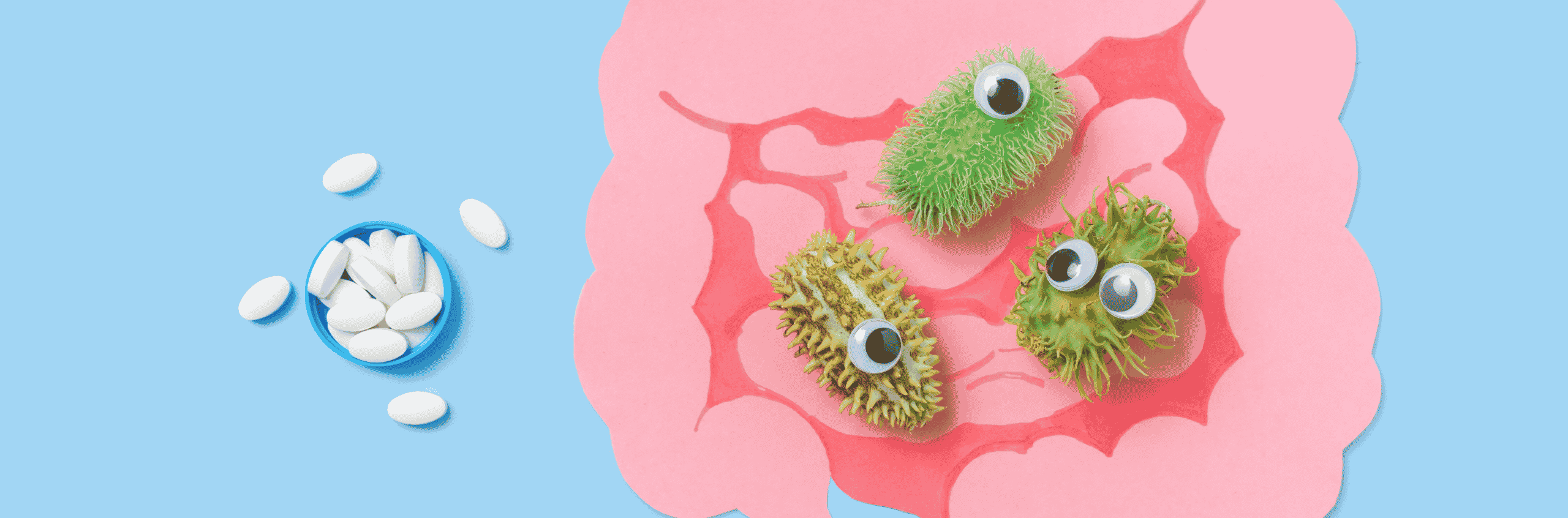

  • Your Microbiome…much more than just some friendly bacteria

    Your Microbiome…much more than just some friendly bacteria

    The microbiome is big news in the health world. The study of those friendly bacteria in our gut has made enormous advancements and has changed the way we understand our immune system and our health.

    What is the microbiome?

    Our microbiome is the collective name for the bugs that live in our gut and all the genetic material that belongs to them. Our bodies contain 100 trillion of them, weighing over 4 pounds in our guts alone. The quantity, diversity and specific species of microbes is dependent on a number of factors. The first 2 to 3 years of life are very important in the establishment of your microbiome. Starting with birth, our gut starts to be cultivated with microbes from our mother’s birth canal, followed by those present in breast milk.  Growing up on a farm, having a pet, and playing in nature as much as possible, are all positively associated with having an abundant and varied microbiome.

    Conversely, your early childhood years can be responsible for negative changes to your gut flora. Caesarean sections, formula feeding and recurrent antibiotics are not gut-friendly. Repeated doses of antibiotics in childhood are associated with an increased risk of type 2 diabetes and obesity. There are clearly many situations where caesareans and antibiotics are life-saving or unavoidable and how we were born or how we give birth to our own children is often out of our control – we can only do our best. It certainly has changed my professional decision making with regards to prescribing antibiotics, adding to the existing concern about over-use and resistance.  Some experts recommend (and I believe it is common medical advice in other countries) that if a young child does need antibiotics, then a course of probiotics at the same time, along with some fermented foods like yoghurt or kefir would be a good idea.

    But why is all of this important?  What does our microbiome do?

    The full extent of the marvel of this newly discovered organ is probably beyond the scope of this article, but it is important to start thinking about looking after your gut and making decisions based on maintaining it’s health.  We have learnt that it forms 70% of our immune system, that it produces many hormones and neurotransmitters that are important in managing our mood, that is has an important role in regulating the inflammation in our bodies and hence impacts our risk of chronic diseases and that changes in the numbers and type of microbes can have positive and negative effects on our weight.

    How to better my microbiome?

    Fortunately, there are a lot of simple and practical things that we can do to improve and support our microbiome and help to support our immune system, reduce our risk of chronic diseases and help to regulate our mood.  You may immediately think of probiotics, those live bacteria in the form of drinks or capsules that you hope may set up a new life in your gut.  Unfortunately, many never it make it as far as the large intestine and so are rendered useless.  There is a lot of hype around probiotics and unfortunately little science behind most of them.  They can be a good idea however when using antibiotics, you just need to choose wisely.

    The food approach…

    It is much better to have a ‘food first’ approach. Start with limiting the amount of processed and sugary foods, then aim to eat at least 5 different vegetables, ideally of 5 different colours every day. I heard the other day that we have increased our broccoli consumption by 940% in the past 25 years. Now we all know that we should eat our greens but are you aware of the amazing properties that broccoli has? Broccoli is one of a group of foods known as pre-biotics that provide the fibre that our gut bugs thrive on. Others include onions, garlic, bananas, leeks, cauliflower and Jerusalem artichokes. The gut bugs feed on this fibre in the large intestine and produce various by-products including short-chain fatty acids, or SCFAs. These SCFAs, of which butyrate is one of the most studied, are anti-inflammatory. This means they can help to reduce inflammation which can lead to heart disease, Alzheimers and arthritis. Cruciferous vegetables like broccoli also have an role in your immune system in the small intestine. So we are wise to have increased our broccoli intake so much!

    It is encouraging to know that when you start to eat differently, your microbiome will start to change within 2 to 3 days. Incorporating 5 different vegetables into your diet every day will accelerate the process of optimising it. The different colours found in these foods contain different compounds known as phytonutrients. We are only just starting to understand the amazing benefits of these substances but do know that they help heart health, fight cancer cells and reduce inflammation and brain ageing. Polyphenols, a particular type of phytonutrient have powerful antioxidant effects, which means they help to mop up the damage caused by everyday natural body processes, keeping your body in harmony. These can be found in berries, green tea and flax seeds, but also in red wine, good quality chocolate and coffee – so feeding your microbiome can also feed your soul!

    Whilst manufactured probiotic products may not be worth it, adding fermented products to your diet is a good natural option – especially if homemade!  Foods such as yoghurt, kefir, kombucha, kimchi and sauerkraut come ready made with lots of ‘good bacteria’ already present and so are a healthy addition to any diet.

    The exercise approach…

    It isn’t just food that can affect our microbiome. There is evidence that exercise can increase microbial diversity. There is also evidence that our gut microbes have their own circadian rhythm and that allowing a good period of fasting every day between dinner and breakfast of at least 12 hours can increase the number of specific species associated with better weight control and insulin sensitivity. Prioritising sleep is hugely beneficial to lots of areas of health and gut health is no exception.

    I anticipate that in the future, the research coming out in this area will be fascinating, with possible practical implementations to use microbes in the treatment and prevention of disease, maybe with personalised probiotic supplements. Faecal transplants are already used successfully in the treatment of resistant cases of a bowel infection called Clostridium difficile…who knows what use it may have in the future! I think for now, the message is to look after your gut through adopting healthy lifestyle habits. Eat the rainbow, limit processed and sugary foods, spend time in nature or doing the gardening, prioritise sleep and exercise, and allow a good period of time each night for your gut to rest. Now, pass the broccoli!

    British Association of Sports and Exercise Medicine  ·  European Atherosclerosis Society  · 
    Independent Doctors Federation

    As seen in The Independent, The Daily Mail and Tatler

    For educational purposes. This article is written by a practising GP and is intended to inform, not replace a consultation with your own doctor. It does not constitute medical advice. A note on clinical guidelines: Coyne Medical is an independent private clinic. Our approach is guided by the best available evidence, tailored to each individual. This may go beyond standard NHS or NICE guidance, which is designed for population-level care and weighted by resource constraints.

  • The pill, patch or ring? What are my contraceptive options?

    The pill, patch or ring? What are my contraceptive options?

    What are my contraceptive options?

    Most people are familiar with the contraceptive pill or ‘the pill’ as it is better known however there are many other forms of contraception available and more and more people are now availing of these options. There are five types of contraception: hormonal, barrier, intrauterine (inserted inside the uterus/womb), sterilisation and natural. The choice is very much patient driven and the decision should be made after appropriate counselling with an adequately trained healthcare professional.

    The following methods require consistent use to work effectively (user dependent);

    Happy to think more often about your contraception?

    Combined oral contraceptive pills (COCs): These contains 2 different types of hormones (oestrogen & progesterone) and the typical dose is one tablet daily for 21 days and then a ‘pill free week’ where you have a withdrawal bleed/period. There are different choices of oestrogen and progesterone and there are also different strengths of each. The decision of which option to go for depends of a person’s cycle, period flow (heavy/light), age, if there are skin complaints (e.g. acne), mood issues (low mood or PMT (pre-menstrual tension), bleeding issues with other pill options and many other factors.

    Mode of action

    • The synthetic oestrogen stops your body from producing two hormones that are involved in the menstrual cycle: Follicle Stimulating Hormone (FSH) and Luteinising Hormone (LH). This prevents your ovaries from producing an egg because it stops your eggs from ripening and ovulating.
    • The synthetic progesterone thickens the mucus at the entrance of your womb so that sperm can’t get through to fertilise your eggs and also thins the lining of the uterus, making it difficult for a fertilised egg to implant itself.

    Advantages

    • Typical effectiveness* (i.e. prevent pregnancy), perfect effectiveness* 99%.
    • Useful for women who do not want a long term contraceptive method and  are able to comply with the daily medicine schedule.
    • Often reduced bleeding and period pain, and may help with premenstrual symptoms.

    Drawbacks

    • Oestrogen component may not be suitable for some women depending on medical history.
    • May not be suitable for women who could forget to take the pill.
    • Effectiveness can be affected by vomiting or diarrhoea (if severe/persistent) or other medication you are taking.

    Progesterone only pill/POP/’mini pill’: This contains only progesterone of which there are different types available. This pill is taken every day of the cycle/month and there is ‘-no pill free week’.

    Mode of action

    • The majority of mini pills work by thickening the cervical mucus, making it difficult for sperm to get through to fertilise an egg and thinning the lining of the uterus, making it less likely that a fertilised egg will implant itself.
    • Cerazette (desogestrel), the most commonly used mini pill, also works by preventing ovulation.

    Advantages

    • Typical effectiveness 91%*, perfect use effectiveness 99%*.
    • May be suitable for women who do not want to or who cannot take oestrogen e.g. due to medical history.
    • May be used safely in breastfeeding women

    Disadvantages

    • Woman may have changes in menstrual pattern (periods), can cause irregular bleeding/heavier bleeding.
    • Effectiveness can be altered by vomiting/diarrhoea/other medication taken.
    • May not consistently prevent egg release.

    Combined contraceptive patch (CCP): Contains both oestrogen & progesterone and mode of action is same as COC pill.

    Advantages

    • Typical effectiveness 91%, perfect use effectiveness 99%*.
    • Patient should apply one patch per week for 3 weeks and then have a patch free week in week 4.
    • Not affected by vomiting or diarrhoea

    Drawbacks

    • May be seen on the skin
    • Oestrogen component may not be suitable for some women depending on medical history.

    Vaginal ring: Flexible ring which is placed inside the vagina and contains both oestrogen and progesterone. Similar mode of action as COC and CCP.

    Advantages

    • Typical effectiveness 91%, perfect use effectiveness 99%*.
    • Only needs to be replaced once per month (one week following removal (ring free week)).
    • Not affected by vomiting or diarrhoea

    Drawbacks

    • Need to learn how to insert (via trained individual)
    • Oestrogen component may not be suitable for some women depending on medical history.

    Condoms: Male & female, acts as barrier, does not contain any hormones and use is not restricted due to medical history.

    Advantages

    • Typical effectiveness for male is ~82%; perfect use effectiveness is ~98%*.
    • Typical effectiveness for female is ~79%; perfect use effectiveness is ~95%.
    • May be useful for those who wish to avoid hormones, or as additional protection.
    • The only contraception that offers protection against sexually transmitted infections.

    Drawbacks

    • Putting them on can involve interruption of sexual intercourse.
    • The male condom can split or rupture.
    • The female condom can be accidentally dislodged.

    Diaphragm & caps: Barrier method that fits inside the vagina, does not contain hormones and use is not restricted to your medical history.

    Advantages

    • Typical effectiveness 71-88%*; perfect use effectiveness (when used with       spermicide) ~92-96%*.
    • For women who do not want a long term contraception method but who wish to avoid taking hormones.

    Drawbacks

    • Can take time to learn how to use
    • Involves forward planning or interruption of intercourse.
    • Can be messy as you need to use spermicide as well.

    Natural methods: Recognising the fertile and infertile times of your cycle to plan when you should avoid intercourse.

    Advantages

    • Efficacy will vary depending on the type of NFP method used, if/how many methods used concurrently and how reliably it is adhered to; typical effectiveness ~76%*, perfect effectiveness can be between 91-99%*.
    • May be useful for those who wish to avoid hormones or devices.
    • Can be used at all stages of reproductive life.

    Drawbacks

    • There are different types of NFP methods and it can take up to 6 months to learn effectivity
    • Stress or illness can make the method unreliable.
    • Need to avoid intercourse at certain times of the month and be highly motivated.
    • Does not protect against sexually transmitted infection

    For further information:
    https://patient.info/health/contraception-methods/natural-family-planning-methods

    Don’t want to think about contraception everyday/every time you have sex?

    Then why don’t you consider Long Acing Reversible Contraceptive methods (LARC).

    IUD/intrauterine device: Copper containing coil inserted into the womb and can remain in place for 5-10 years (depending on type used), does not contain hormones so does not interact with other medications.

    Mode of action

    The copper released makes the uterus an in-hospitable environment for sperm.

    Advantages

    • Typical & perfect use effectiveness is over 99%*->user independent.
    • For women who want longer-term contraception but do not want hormones.
    • Fertility should return to levels expected for you after removal.
    • May be used safely in breastfeeding women

    Drawbacks

    • Women may have changes in menstrual patterns (periods).
    • Insertion and removal must be performed by trained healthcare professional

    IUS/intrauterine system/better known as Mirena coil: Progesterone containing coil/device fitted into womb and can last 3 or 5 years depending on type used.

    Mode of action

    • Progesterone is released daily and essentially works by preventing fertilization.

    Advantages

    • Typical & perfect use effectiveness is over 99%*-> user independent.
    • Fertility should return to levels expected for you after removal.
    • Can greatly help with patients with heavy periods.
    • May be used safely in breastfeeding women

    Drawbacks

    • Some women may have issues with bleeding.
    • Insertion and removal must be performed by trained healthcare professionals.

    Contraceptive implant: Progesterone containing implant inserted under the skin of the upper arm which lasts for up to 3 years.

    Advantages

    • Typical & perfect use effectiveness is over 99%*-> user independent.
    • Fertility should return to levels expected for you after removal.
    • May be used safely in breastfeeding women

    Drawbacks

    • Women may have changes in menstrual pattern
    • Insertion and removal must be performed by trained healthcare professionals.

    Contraceptive injection: Progesterone containing injection given every 8-13 weeks, depending on the type used.

    Advantages

    • Typical effectiveness ~94%, perfect use effectiveness ~99%*.
    • Short-term LARC for women and couples awaiting sterilisation or vasectomy.
    • May be used safely in breastfeeding women

    Drawbacks

    • Women may have changes in menstrual patterns
    • Can take time for fertility to return to normal.
    • Can affect bone density

    Want long-term contraception?

    Sterilisation (male & female): Fallopian tubes that carry the egg in women or the vas deferens that carry sperm in the male are cut or clipped.

    Advantages

    • Failure rate is ~1 in 200 or 1 in 500 for females (depending on method) and   1 in 20,000 in males.
    • May be suitable for those who want a permanent method of contraception that involves no hormones.

    Disadvantages

    • Cannot be easily reversed.
    • Involves an operation/procedure.
    • Sterilisation is not effective immediately.

    *’These are ‘typical’ effectiveness rates which is how effective the method is with an average person. Typical rates tend to reflect real life usage (including inconsistent and incorrect use). ‘Perfect’ effectiveness rates is how effective the method is when used perfectly. Refer to the patient information leaflet for ‘perfect use’.

    In conclusion, there is a large variety of contraceptive options available, so please enquire when you are next in with your local GP to see what would best suit you.

    British Association of Sports and Exercise Medicine  ·  European Atherosclerosis Society  · 
    Independent Doctors Federation

    As seen in The Independent, The Daily Mail and Tatler

    For educational purposes. This article is written by a practising GP and is intended to inform, not replace a consultation with your own doctor. It does not constitute medical advice. A note on clinical guidelines: Coyne Medical is an independent private clinic. Our approach is guided by the best available evidence, tailored to each individual. This may go beyond standard NHS or NICE guidance, which is designed for population-level care and weighted by resource constraints.