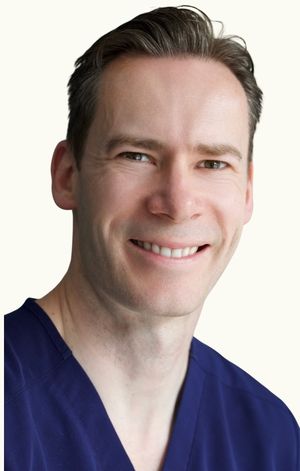
Author: Dr J Hugh Coyne MBBS BSc PGDip (with merit) MRCGP DRCOG DCH

  • Trucheck™: Empowering Early Cancer Detection through Advanced Blood Screening

    Trucheck™: Empowering Early Cancer Detection through Advanced Blood Screening

    Can a Blood Test Really Detect Cancer?

    At Coyne Medical, we strive to provide our patients with the latest advancements in healthcare technology. In line with our commitment to offering the best screening options, we are excited to introduce Trucheck™, a revolutionary cancer screening blood test developed by Datar Cancer Genetics. Trucheck™ aims to detect cancer at its early stages which can potentially lead to improved outcomes, streamlined treatments, and reduced morbidity. In this blog, we will explore the features, advantages, and considerations associated with Trucheck™, shedding light on why it is a powerful addition to our health screening services.

    The Urgency of Early Cancer Diagnosis:

    The statistics on cancer are startling. 1 in 2 individuals born after 1960 will be diagnosed with cancer during their lifetime. Unfortunately, the majority of cancers (48%) are currently diagnosed at later stages (3 or 4). This often leads to more aggressive treatments and poorer outcomes. Detecting cancer early, specifically at stage 1, can significantly improve survival rates and make treatments more effective. Trucheck™ aims to address this critical need for early diagnosis by leveraging cutting-edge technology and scientific advancements.

    Understanding Trucheck™: The Science Behind the Test

    Trucheck™ is a cancer-screening blood test. It utilises the concept of circulating tumour cells (CTCs) and circulating ensembles of tumour-associated cells (C-ETACs) in blood samples. Through a process known as primary negative enrichment, Trucheck™ selectively allows non-malignant cells to undergo apoptosis (programmed cell death) while enabling the survival of malignant cells. These malignant cells are then analysed using multiplexed fluorescence immunocytochemistry (ICC) to identify tissue-specific markers associated with various different cancer types.

    The presence of CTCs alone is not diagnostic of cancer. Instead, a positive Trucheck™ result indicates a high risk of cancer, providing valuable information about the likely type of cancer (e.g., adenocarcinoma) and its potential organ of origin (e.g., lung). A positive result should prompt further tests or referrals, which may involve additional costs and might not be covered by private medical insurance or provided by the NHS until a formal cancer diagnosis is established. False positives, although relatively rare (estimated at 1% to a maximum of 3% in studies), can occur.

    The Test Procedure and Pre-Test Consultation:

    Detailed information about the Trucheck™ test, including its procedure, can be found on our website making it a valuable resource for patients considering this screening option. To ensure the best possible experience and outcomes, we offer pre-test consultations. During these consultations, we review the patient’s medical history, assess suitability, identify high-risk factors, and address any concerns or questions.

    Who Can Benefit from the Trucheck™ Cancer Screening Blood Test?

    Trucheck™ is suitable for individuals aged 18 and above who are asymptomatic or have minor symptoms not requiring urgent investigation. It is particularly recommended for patients who wish to take advantage of the opportunity to identify their risk of cancer at an early stage, aiding in timely diagnosis and treatment. The test selection varies based on age and gender, with options such as Trucheck™ Intelli (for over 40 years of age, detecting over 70 tumour types), Trucheck™ Breast (females over 40 years of age), Trucheck™ Prostate (males over 45 years of age), and Trucheck™ Colon (over 40 years of age).

    Advantages of Trucheck™:

    1. Early Cancer Detection: Trucheck™ has the ability to detect cancers at an early stage, even before symptoms manifest, leading to better treatment outcomes and improved survival rates.
    2. Comprehensive Screening: Trucheck™ Intelli offers a broad spectrum of detection, encompassing more than 70 types of early-stage cancer within the asymptomatic population.
    3. Sensitivity and Specificity: Trucheck™ demonstrates high sensitivity (e.g., 88.2% for Trucheck™ Intelli) in correctly identifying cancer cases, minimising false negatives, and achieving a specificity of 99% to reduce false positives.
    4. Minimally Invasive: Unlike invasive procedures or radiation-based tests, Trucheck™ involves a simple blood draw, making it a convenient and non-intrusive screening method.
    5. Peace of Mind: Negative Trucheck™ results provide reassurance, indicating a low chance of having an active malignancy.
    6. Targeted Follow-up: Positive results from Trucheck™ allow for fast-tracked and targeted follow-up, utilising imaging, biopsy, or other confirmatory methods, minimising unnecessary medical procedures and exposure.
    7. Comparative Advantage: Trucheck™ outperforms other cancer screening tests in terms of false positive rates, surpassing tests such as PSA testing, FIT testing, and mammograms. However, all of these tests are still an important part of screening for cancer. 

    Considerations and Limitations:

    While Trucheck™ offers significant advantages, it is essential to consider certain factors:

    1. Emotional Impact: The anticipation of results, as well as false positive or indeterminate outcomes, can lead to temporary anxiety for individuals and their families.
    2. Unproven Survival Impact: Although Trucheck™ aids in early diagnosis, further research is needed to demonstrate its impact on long-term survival rates.
    3. Complementary, Not Replacing Standard Screening: Trucheck™ does not replace conventional cancer screening methods, such as mammograms, colon cancer screening, lung cancer screening CT scans, and cervical screening. It is designed to complement these existing tests.
    4. Specific Cancer Types: Trucheck™ focuses on solid organ malignancies and cannot detect blood or lymphatic system cancers.
    5. Coverage and Costs: Trucheck™ may not be currently covered by healthcare insurance, and the costs associated with the test are privately funded by individuals. Additionally, following a positive result, further diagnostic procedures may require self-payment before a formal cancer diagnosis is established.

    With cancer being a prevalent and life-altering disease, the importance of early detection cannot be overstated. Trucheck™ provides a groundbreaking opportunity for individuals to proactively assess their risk of cancer and enable timely interventions. While acknowledging its limitations, Trucheck™ offers unparalleled advantages, including early cancer detection, comprehensiveness, convenience, and high sensitivity. At Coyne Medical, we believe Trucheck™ is a vital addition to our health screening services, empowering our patients to take control of their well-being and potentially improve their cancer outcomes and healthspan.

    It is really important to emphasise that Trucheck™ should be utilised alongside routine healthcare and standard cancer screening tests, ensuring comprehensive and holistic health monitoring. To learn more about Trucheck™ and its suitability for you, we encourage you to reach out to our expert medical professionals at Coyne Medical.
    British Association of Sports and Exercise Medicine  ·  European Atherosclerosis Society  · 
    Independent Doctors Federation

    As seen in The Independent, The Daily Mail and Tatler

    For educational purposes. This article is written by a practising GP and is intended to inform, not replace a consultation with your own doctor. It does not constitute medical advice. A note on clinical guidelines: Coyne Medical is an independent private clinic. Our approach is guided by the best available evidence, tailored to each individual. This may go beyond standard NHS or NICE guidance, which is designed for population-level care and weighted by resource constraints.

  • Unravelling the Link Between Diet and Prostate Cancer: Insights from a Recent Study

    Unravelling the Link Between Diet and Prostate Cancer: Insights from a Recent Study

    Prostate cancer is a significant global health concern. It is the fourth most commonly diagnosed cancer worldwide and the second most diagnosed cancer in men. While certain factors like race, age, and family history are known to influence prostate cancer risk, the role of modifiable factors such as diet has been unclear. However, a recent study aimed to shed light on this topic by investigating the association between “a posteriori” dietary patterns and Prostate cancer risk.

    “A posteriori” is a Latin term that translates to “from the effect to the cause.” In the context of this study, it refers to the approach used to identify dietary patterns based on observed data. A posteriori dietary patterns are derived from the dietary information collected from the study participants, without predefining specific food groups or nutrient components. These patterns are created using statistical methods that analyse the actual dietary habits of the population under study. By examining the observed dietary intake and identifying patterns within the data, researchers can draw associations between certain dietary patterns and health outcomes, such as the risk of prostate cancer.

    The study used data from the European Prospective Investigation into Cancer and Nutrition Spanish cohort (EPIC-Spain), which included 15,296 men aged 29-69 years. Information on lifestyle, diet, and medical history was collected through questionnaires and standardised measurements. 181 men were excluded from the study for what was deemed “implausible” food intake!

    Three dietary patterns emerged from the analysis: Western, Prudent, and Mediterranean. The Western pattern involved a high consumption of high-fat dairy products, processed meat, refined grains, sweets, caloric drinks, convenience food, and sauces. The Prudent pattern consisted of high intakes of low-fat dairy products, vegetables, fruits, whole grains, and juices. The Mediterranean pattern represented high intakes of fish, vegetables, legumes, boiled potatoes, fruits, olives, and vegetable oil, with a low intake of juices. 

    The findings of the study revealed that high adherence to the Western dietary pattern was associated with a considerable increase in the risk of aggressive prostate. On the other hand, high adherence to the Prudent and Mediterranean patterns did not show significant effects on Prostate cancer risk.

    The Western dietary pattern, characterised by its consumption of dairy products, red and processed meats, sweets, convenience food, and snacks, was found to have detrimental effects on Prostate cancer risk. These foods contain compounds that disrupt prostate hormonal regulation, increase oxidative stress, and stimulate inflammation, all of which can contribute to the development and progression of prostate cancer.

    Interestingly, the study did not find a strong protective effect of the Mediterranean or Prudent dietary pattern against aggressive prostate cancer. Differences in dietary habits between study populations and changes in dietary patterns over time may explain these discrepancies. Further research is certainly needed to validate these findings, as the number of cohort studies on this topic is still limited.

    The study’s strengths lie in its longitudinal design, large sample size, and the use of a posteriori dietary patterns. These patterns provide a comprehensive understanding of the overall diet and its impact on prostate cancer risk, accounting for the interactions between different foods and nutrients.

    However, the study does have limitations. It was unable to track changes in diet over time, and information on family history of prostate cancer or race was not available. Nonetheless, the study adds to our knowledge about the association between dietary patterns and Prostate cancer risk, emphasising the importance of reducing the consumption of high-fat dairy products, red and processed meats, refined grains, sweets, caloric drinks, convenience food, and sauces to prevent prostate cancer.

    The study suggests that adherence to a Western dietary pattern increases the risk of aggressive prostate cancer, while high adherence to the Prudent and Mediterranean patterns does not significantly impact prostate cancer risk. These findings highlight the need for individuals to make healthier dietary choices by reducing the intake of detrimental foods and focusing on a well-balanced diet rich in fruits, vegetables, whole grains, and lean proteins. However, further research is needed to confirm these findings and deepen our understanding of the complex relationship between diet and prostate cancer.

    British Association of Sports and Exercise Medicine  ·  European Atherosclerosis Society  · 
    Independent Doctors Federation

    As seen in The Independent, The Daily Mail and Tatler

    For educational purposes. This article is written by a practising GP and is intended to inform, not replace a consultation with your own doctor. It does not constitute medical advice. A note on clinical guidelines: Coyne Medical is an independent private clinic. Our approach is guided by the best available evidence, tailored to each individual. This may go beyond standard NHS or NICE guidance, which is designed for population-level care and weighted by resource constraints.

  • The Impact of Excess Dietary Sugar on Health

    The Impact of Excess Dietary Sugar on Health

    Excess dietary sugar has been shown to have a significant impact on overall health, and this impact extends beyond just issues related to obesity. A recent umbrella review of 73 meta-analyses found that excess dietary sugar is associated with a higher risk of endocrine diseases, heart disease, cancer, and behavioural conditions.

    One of the most concerning findings was that excess sugar intake in children may lead to an increased lifetime risk of obesity, which can reduce longevity and healthspan. In rat models, excess dietary sugar has been found to lengthen the villi of intestinal cells. Villi are finger-like projections that line the inner surface of the small intestine, and they play a crucial role in nutrient absorption. The increased efficiency of sugar absorption from these longer villi can lead to obesity, particularly when it occurs at a young age

    Excess sugar intake during childhood has also been linked to a 27% higher risk of asthma, an inflammatory condition of the airways that can persist into adulthood. Additionally, excess sugar intake has been found to affect behaviour and mood. It has been linked to conditions such as ADHD and depression. Given the huge number of prescriptions being written to manage these conditions, it is always worth considering if there are any dietary interventions that can be made before a medication is prescribed. 

    Excess sugar intake can also lead to elevated uric acid levels, which can cause elevated levels of uric acid and gout. Uric acid is not only associated with gout, a very painful inflammation of the joints. It has been associated with insulin resistance and cardiovascular disease risk, both of which can impact longevity and healthspan. Fructose, a type of sugar, has been found to increase uric acid levels, worsen inflammation, and reduce nitric oxide, which can lead to endothelial dysfunction, another condition that negatively impacts longevity and healthspan.

    Endothelial dysfunction is a condition where the inner lining of blood vessels, the endothelium, does not function properly. It can contribute to the development of several cardiovascular diseases, including hypertension, atherosclerosis, and coronary artery disease. Endothelial dysfunction worsens when nitric oxide levels are reduced, and elevated uric acid levels have been linked to the development of this condition. By reducing sugar intake, individuals can significantly reduce their risk of endothelial dysfunction, which can improve longevity and healthspan.

    To mitigate the risks of excess sugar intake and promote longevity and healthspan, this review recommends that individuals keep their total added sugar intake to less than 25 grams per day. This is equivalent to about 5 to 6 teaspoons of sugar daily. 

    Excess dietary sugar poses significant risks to overall health, which can have an impact on longevity and healthspan. To promote a longer, healthier life, limit your added sugar intake to less than 25 grams per day, and enjoy the occasional sweet treat guilt-free!

    British Association of Sports and Exercise Medicine  ·  European Atherosclerosis Society  · 
    Independent Doctors Federation

    As seen in The Independent, The Daily Mail and Tatler

    For educational purposes. This article is written by a practising GP and is intended to inform, not replace a consultation with your own doctor. It does not constitute medical advice. A note on clinical guidelines: Coyne Medical is an independent private clinic. Our approach is guided by the best available evidence, tailored to each individual. This may go beyond standard NHS or NICE guidance, which is designed for population-level care and weighted by resource constraints.

  • Personalising Coffee Intake for Optimal Health: Lessons from the CRAVE Trial

    Personalising Coffee Intake for Optimal Health: Lessons from the CRAVE Trial

    Coffee is one of the most popular beverages consumed globally and is certainly the most popular beverage at Coyne Medical. Its health effects have been the subject of numerous observational studies. However, the majority of these studies are prone to confounding by other factors, and there is a lack of randomised controlled trials examining the acute (short-term) effects of coffee consumption. The Coffee and Real-time Atrial and Ventricular Ectopy (CRAVE) trial was designed to address this gap in knowledge.

    The CRAVE trial involved 100 adults fitted with wearable monitors, including an electrocardiogram-recording device, an accelerometer, and a continuous glucose monitor. Participants were randomised via daily text messages to either consume all the caffeinated coffee they wanted or avoid all caffeine. Adherence to the randomisation assignment was assessed using various methods, including a real-time participant activation button on the ECG monitor to timestamp every cup of coffee.

    The primary outcome of the study was premature atrial contractions (PACs), which are a potent harbinger of atrial fibrillation risk. PACs are premature heartbeats that arise from the atria, the upper chambers of the heart. Atrial fibrillation is an important risk factor for stroke. The study found that consumption of caffeinated coffee was not associated with an increased frequency of PACs. However, days randomised to coffee were associated with 51% more premature ventricular contractions (PVCs), which are associated with an increased risk of subsequent heart failure in older adults. PVCs are premature beats that arise from the lower chambers of the heart. Those who consumed more than two cups of coffee experienced more than a doubling of their PVCs. 

    The study also found that on days randomised to coffee, participants took about 1000 more steps but experienced more than a half-hour less sleep. Despite epidemiological evidence that coffee consumers experience a lower risk of developing diabetes, no differences in serum glucose were observed in any of the analyses comparing exposure to coffee with caffeine avoidance.

    The study revealed complex acute effects of coffee related to several physiological processes fundamental to overall health, which manifest differently between individuals. The findings suggest that those concerned about PVC frequency and the associated risk of subsequent heart failure might consider reducing or eliminating coffee. These would be people who are known to have these types of abnormal heartbeats and are usually, over 65 years of age. However, those struggling with insomnia should incorporate this study data to motivate at least a trial of strict coffee avoidance to determine if it might benefit their sleep.

    The CRAVE trial provides valuable insights into the acute effects of coffee consumption and highlights the importance of personalised lifestyle goals. The multidimensional effects of caffeinated coffee consumption should be taken into consideration when making decisions about coffee consumption, and individuals should consider their own health concerns when determining their coffee intake. Taken overall, the study provides important information that can be used to facilitate improved shared decision-making and promote longevity and healthspan.

    British Association of Sports and Exercise Medicine  ·  European Atherosclerosis Society  · 
    Independent Doctors Federation

    As seen in The Independent, The Daily Mail and Tatler

    For educational purposes. This article is written by a practising GP and is intended to inform, not replace a consultation with your own doctor. It does not constitute medical advice. A note on clinical guidelines: Coyne Medical is an independent private clinic. Our approach is guided by the best available evidence, tailored to each individual. This may go beyond standard NHS or NICE guidance, which is designed for population-level care and weighted by resource constraints.

  • The Link Between Alcohol Intake and Longevity: Insights from a Systematic Review and Meta-Analysis

    The Link Between Alcohol Intake and Longevity: Insights from a Systematic Review and Meta-Analysis

    Alcohol consumption has been a controversial topic in the health and wellness community for years. While some studies have suggested that moderate alcohol consumption can have health benefits, others have found a strong association between alcohol consumption and all-cause mortality. A recent systematic review and meta-analysis of 107 cohort studies conducted between 1980 and 2021 sheds new light on this topic and provides valuable insights into the association between alcohol intake and mortality, particularly in relation to longevity and healthspan.

    The history of human alcohol consumption dates back far longer than controversy regarding its effect on longevity. Indeed, alcohol was sometimes the only safe liquid to drink when clean drinking water was a rarity. Alcohol consumption can be dated to the Neolithic period, around 10,000 BCE. Archaeological evidence suggests that humans in the Middle East and China were fermenting beverages from ingredients like grapes, rice, and honey during this time. The earliest evidence of a specific alcoholic beverage is a 9,000-year-old Chinese fermented beverage made from rice, honey, and fruit. Other ancient fermented beverages include mead made from honey and wine made from grapes. The consumption of alcoholic beverages has been an important part of human culture for thousands of years.

    Sumeria, located in modern-day Iraq, was one of the earliest civilisations in the world, and its people were known for their advancements in agriculture, metallurgy, and writing.

    Sumerians were skilled brewers and consumed beer on a daily basis. They brewed their beer from barley, which was a staple crop in the region. The beer was made by baking barley bread, crumbling it, and then soaking it in water. The mixture was then left to ferment, with the natural yeast present in the air causing the liquid to turn into beer.

    Beer was an important part of Sumerian culture, and it was consumed during religious ceremonies, as well as in everyday life. The Sumerians even had a goddess of beer, named Ninkasi, who was worshipped for her ability to provide them with the drink.

    Alcohol consumption has been around for thousands of years. I have always thought it odd that something that has endured for so long could be dangerous in moderation. The objective of this recent study was to investigate the association between alcohol use and all-cause mortality. It also had another objective. To find out how sources of bias may change results. Sources of bias include, “former drinker bias” where previous drinkers are lumped together with lifelong abstainers. The data sources were a systematic search of PubMed and Web of Science, which identified studies published between January 1980 and July 2021. Cohort studies were identified by systematic review to facilitate comparisons of studies with and without some degree of controls for biases affecting distinctions between abstainers and drinkers.

    The study identified 107 studies of alcohol use and all-cause mortality published from 1980 to July 2021, with 4,838,825 participants and 425,564 deaths available for analysis. Mixed linear regression models were used to model relative risks, first pooled for all studies and then stratified by cohort median age (<56 vs ≥56 years) and sex (male vs female). The data were analyzed from September 2021 to August 2022.

    The study found that higher amounts of alcohol consumption were associated with an increased risk of all-cause mortality. This finding was statistically significant, indicating that excessive alcohol consumption can have serious health consequences. The study also revealed that there was a reduction in the all-cause mortality rate among occasional drinkers compared with nondrinkers, but this finding was not statistically significant. This finding confirms a J-shaped risk. That is, there is a protective association at low amounts of alcohol and increasing risk at higher amounts. Interestingly, J-shaped curves appear a lot in longevity. Particularly in relation to exercise and longevity. 

    The results of the study were then further analysed based on sex, and it was found that females had an increased risk of all-cause mortality at lower levels of alcohol consumption. This is an important finding as it highlights the need to consider sex-specific recommendations for alcohol consumption to promote longevity and healthspan.

    The study also compared its results with those of previous meta-analyses and found that the risk estimates may have been affected by the number and quality of studies available at the time, especially those for women and younger cohorts. This highlights how important it is to continue to conduct high-quality studies on the association between alcohol use and mortality to better understand its effects on longevity and healthspan.

    This updated systematic review and meta-analysis provides the best current evidence that daily low or moderate alcohol intake is not significantly associated with all-cause mortality risk, while the increased risk is evident at higher consumption levels, starting at lower levels for women than men. The study suggests that drinking more than 25 g, or 3 UK units, of alcohol per day or more is associated with an increased risk of mortality. 3 units are just over a pint of 4% beer or a small glass of wine. This is a critical finding for improving longevity and healthspan given that excessive alcohol consumption can lead to numerous health problems, including liver disease, cancer, and cardiovascular disease. In the context of human history, the study findings make sense when it is considered that for most of human history beer had a low alcohol content. 

    British Association of Sports and Exercise Medicine  ·  European Atherosclerosis Society  · 
    Independent Doctors Federation

    As seen in The Independent, The Daily Mail and Tatler

    For educational purposes. This article is written by a practising GP and is intended to inform, not replace a consultation with your own doctor. It does not constitute medical advice. A note on clinical guidelines: Coyne Medical is an independent private clinic. Our approach is guided by the best available evidence, tailored to each individual. This may go beyond standard NHS or NICE guidance, which is designed for population-level care and weighted by resource constraints.

  • Small Dietary Changes, Big Health Benefits: Lowering Cancer Risk with Non-Processed Foods

    Small Dietary Changes, Big Health Benefits: Lowering Cancer Risk with Non-Processed Foods

    Are you concerned about your cancer risk? A new study from the European Prospective Investigation into Cancer and Nutrition (EPIC) suggests that making a small change to your diet may significantly reduce your risk of cancer and thus improve longevity.

    The study found that when 10% of ultra-processed foods were replaced with non-processed foods, the overall risk of cancer and of specific cancers, such as colon and postmenopausal breast cancers, decreased. Crucially, these results held true even when adjusted for other risk factors for cancer such as BMI, alcohol and dietary intake, and food quality.

    So what are ultra-processed foods? They include foods like processed meats, fizzy drinks, packaged snacks, and ready meals. These foods typically contain eye-wateringly high levels of added sugar, salt, and fat, along with artificial colours, flavours, and preservatives. Unfortunately, these food have also been designed to taste great. 

    The study’s findings suggest that the processing of food may play a role in cancer development. By replacing just a small portion of ultra-processed foods with non-processed options, you may be able to reduce your cancer risk.

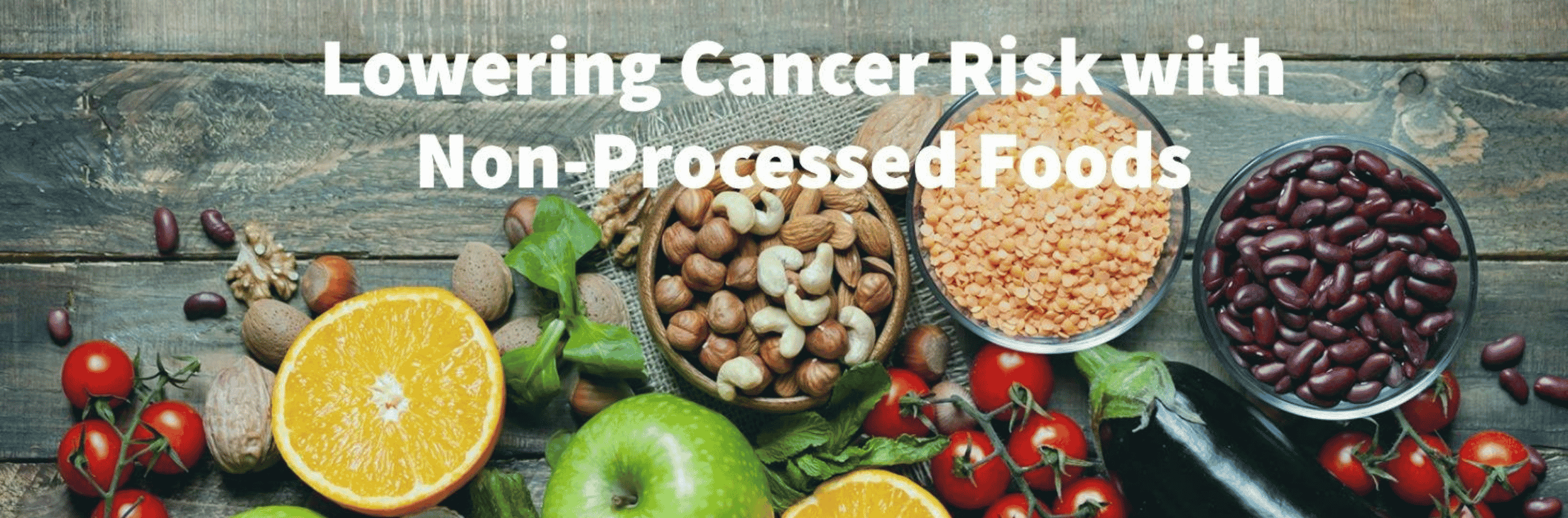
    Non-processed foods, by contrast, are foods that are minimally processed and remain close to their natural state. Examples, of course, include fruits, vegetables, whole grains, nuts, and seeds.

    The EPIC study is a large-scale epidemiological study that has investigated the association between dietary intake and cancer risk. The study recruited over 500,000 participants from 23 centres across 10 European countries between 1991 and 2001. Participants completed dietary questionnaires and were followed up for an average of 15 years. The study used the NOVA food processing classification system to categorise foods based on their level of processing. This system categorises foods into four groups: unprocessed or minimally processed foods, processed culinary ingredients, processed foods, and ultra-processed foods.

    The study found that a 10% increase in the proportion of ultra-processed foods in the diet was associated with a 12% increase in overall cancer risk. In contrast, a 10% increase in the proportion of unprocessed or minimally processed foods was associated with a 10% decrease in overall cancer risk. The study also found that a higher intake of ultra-processed foods was associated with an increased risk of specific types of cancer, including breast, colorectal, and throat cancer.

    Overall, the study provides strong evidence that reducing the intake of ultra-processed foods and increasing the intake of unprocessed or minimally processed foods may lower the risk of developing cancer. It’s important to note that this study was a prospective cohort substitution study, meaning that it didn’t directly measure the effects of diet on cancer risk. Rather, it analysed the effects of substituting certain foods in the diet with other foods.

    Despite this limitation, the study’s findings remain compelling. If you’re looking to reduce your cancer risk, consider making small changes to your diet. Replace processed snacks with fresh fruits or veggies or nuts, swap sugary drinks for water (I drink a lot of naturally flavoured sparkling water) or unsweetened tea, and choose whole grains over refined grains. By making these simple changes, you may be able to reduce your cancer risk and improve your overall healthspan.

    British Association of Sports and Exercise Medicine  ·  European Atherosclerosis Society  · 
    Independent Doctors Federation

    As seen in The Independent, The Daily Mail and Tatler

    For educational purposes. This article is written by a practising GP and is intended to inform, not replace a consultation with your own doctor. It does not constitute medical advice. A note on clinical guidelines: Coyne Medical is an independent private clinic. Our approach is guided by the best available evidence, tailored to each individual. This may go beyond standard NHS or NICE guidance, which is designed for population-level care and weighted by resource constraints.

  • Squatting For Beginners

    Squatting For Beginners

    Squatting is Good For You!

    Fundamental movements are movements that are essential for maintaining independent living and enjoying exercise. They include movements such as squatting, lunging, running and hanging. Learning the correct technique to perform fundamental movements is known to reduce the risk of injury in children. It is not only children who benefit from proficiency in these movements. To maintain balance, and thus independence, and to avoid injury, older adults must maintain their ability to perform fundamental movements. 

    Squatting is a particularly important exercise. It is not only foundational to sporting activity but it is also crucial to everyday tasks such as sitting and lifting. Getting up from a sitting is a fundamental task for living independently into old age. The longer we can perform a squat, the longer we will remain independent in old age. 

    Squatting activates the largest muscles in our bodies. The quads, glutes, hamstrings, and calf muscles are all activated during a squat. These large muscles are important not only for movement and balance but also for our metabolism. Muscles act as a store of glucose. They are therefore crucial to how our bodies handle sugar. 

    A squat, when performed correctly, does not compromise the structural integrity of the knees. In fact, it can enhance our stability. This is crucial, as maintaining balance and stability becomes increasingly important as we age. Falling in old age can have disastrous consequences. In addition, squatting, when performed correctly, can improve the stability of the knee and reduce the risk of sports injuries. Being able to squat correctly is a prerequisite to being able to perform more ballistic, explosive movements such as box jumps and plyometrics. The squat mimics the explosive movements required in many sports. Thus, improved squatting enhances sporting performance. 

    Due to its importance in everyday life and because it activates the largest muscles in the body, squatting is fundamental to any resistance training program. Squatting also acts as a useful tool in the doctor’s, physiotherapist’s, or osteopath’s office to screen for any issues with movement mechanics. This is because the squat is what is known as a “compound manoeuvre.” Compound exercises are loved by physical trainers because they require the use of several muscle groups working in collaboration. These exercises are incredibly useful for building muscle mass, strength, and power. As it is a compound movement, squatting is incredibly useful for picking out biomechanical problems. These issues can be due to a lack of muscle strength, an imbalance of strength on each side of the body, unstable joints (also due to a lack of strength), and a lack of joint and muscle flexibility. 

    How to perform a squat

    It is highly recommended that you get an experienced personal trainer or physical therapist to observe your squat technique. This can give you the appropriate cues and feedback to ensure rock-solid technique. It can be really helpful to record your squat movements from the front and the side so that you can see any errors that you are making. 

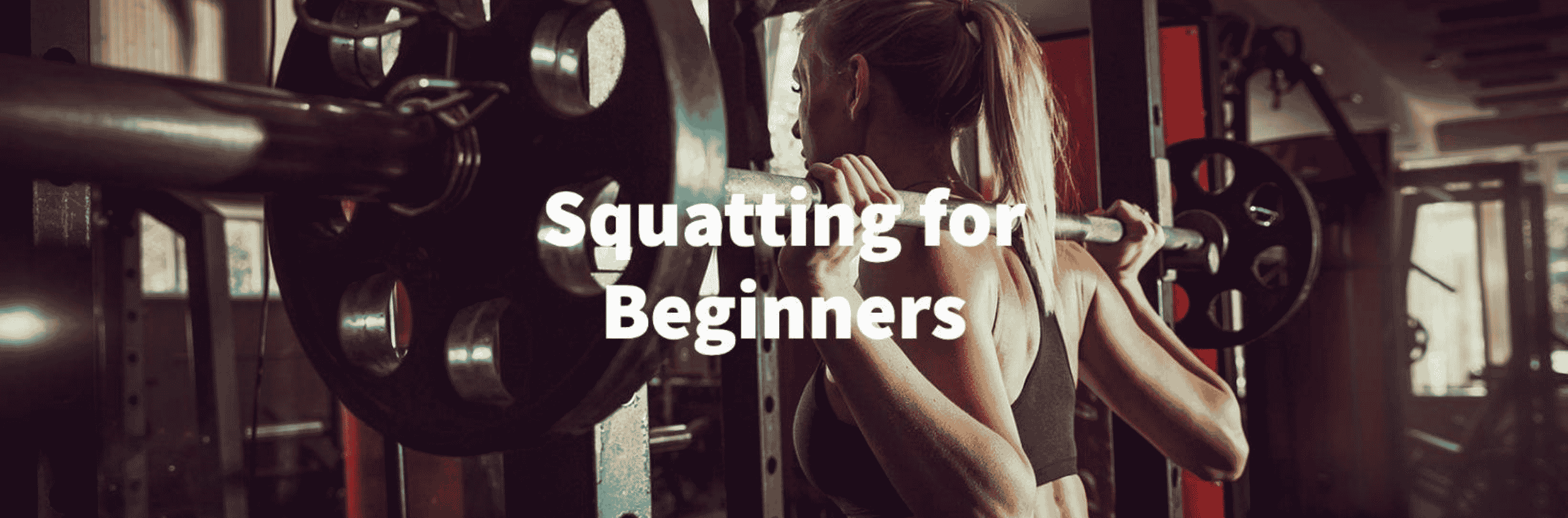
    If you are new to squatting, you can just use your body weight. Ideally, use a dowel or a light (2.5 kg) strength bar. This allows you to begin in the same position that you will progress to when increasing the weight that you are squatting. Using a cylindrical dowel or light weight bar also engages the muscles around the scapula, helping to stabilise the upper body. 

    Bar – Squatting with weights

    Begin in a standing position with your feet flat on the floor. Your knees and hips should be in a neutral position, and your spine should be upright with its natural curves preserved. Grip the bar or dowel with the palms facing forward and slightly wider than shoulder width. The bar should rest just below the neck on the upper back. A good tip when using a bar is to “bend the bar.” This action helps brace the torse and improves squat performance. Keep your wrists straight and your forearms parallel to your torso. 

    Stance 

    Stand with your heels shoulder-width apart and your toes pointing forward or slightly outward by no more than ten degrees.

    Breathing 

    Prior to beginning the downward squat motion, breathe in through your nose and down into your belly to about 80% of a full breath. This increases the pressure in the abdomen and helps prepare and brace the spine for the load. Breathe out through the mouth when you are coming back up. This helps to negate the need for a belt.

    Squat Motion

    The descent phase of the squat begins with “breaking the hips.” The motion is that of sitting down while sticking your bum out. It is almost as though you are trying to sit on a chair that is just too far away. The goal should be to keep your bum as far back from your ankles as you can while maintaining an upright torso. The distance between the hips and shoulders should remain constant. The heels should bear the majority of your body weight. The ideal finishing position is with the thighs just below parallel to the ground. The thighs going past the line parallel to the ground are not more likely to result in injury. The speed of the ascent should be 2-4 times the speed of the descent. 

    The upward motion follows the same path as the downward motion. The glutes, or bum muscles, should be the primary driver of the motion. Again, the low back should be kept stiff, and the shoulder and hips should be at the same distance throughout. The weight should be in the heels (I wear shoes with a very minimalist sole to facilitate this although some people squat without shoes). 

    The main, albeit weird, mental cue I think of when performing a squat is that my buns are cracking a walnut. To cue getting my bum out far enough, I imagine that someone could place a walnut between my bum cheeks when I am at the lowest point of the squat (what a job that would be!). I then imagine that I am crushing that walnut with my bum cheeks in the ascent phase. 

    Avoiding Pitfalls

    The squat is a complex movement. There are several ways it can go wrong and result in injury. Here are a few pointers to help maintain the correct technique. 

    Head Position: The gaze should be aimed forwards, and the neck should be perpendicular to the ground. 

    Chest: The chest should be up and the shoulders should be back. So if you have a logo on your t-shirt, you should be able to see it in the mirror. 

    Trunk/Middle: Your trunk should be in line with your shins at all times. 

    Hips: If you are squatting in the mirror, you should see that your hips should be level and parallel to the ground. 

    Knees: Your knees should travel in line with your second toe and should not tilt inward past the inside of your ankle. 

    Feet: The entire sole of the foot should remain in contact with the ground throughout. 

    Squatting is, I think, the most important resistance exercise. If done correctly, it can improve athletic performance, reduce the risk of injury, maintain independence, and improve metabolism. But it is really important to do it correctly. Start with no weight or a very light weight. Ideally, have an experienced personal trainer or physiotherapist observe your squat motion. 

    British Association of Sports and Exercise Medicine  ·  European Atherosclerosis Society  · 
    Independent Doctors Federation

    As seen in The Independent, The Daily Mail and Tatler

    For educational purposes. This article is written by a practising GP and is intended to inform, not replace a consultation with your own doctor. It does not constitute medical advice. A note on clinical guidelines: Coyne Medical is an independent private clinic. Our approach is guided by the best available evidence, tailored to each individual. This may go beyond standard NHS or NICE guidance, which is designed for population-level care and weighted by resource constraints.

  • VO2max Testing

    VO2max Testing

    At Coyne Medical, we are incredibly passionate about the use of exercise as medicine. A huge amount of medical evidence now shows that low levels of fitness are associated with an increased risk of dying from any cause, including heart and vascular disease and cancer rates. In comparison to smoking, having high blood pressure, high cholesterol, or type 2 diabetes mellitus, fitness is a stronger predictor of death. The fitter you are, the lower your chance of dying. The addition of fitness metrics to the standard medical risk variables enables medical professionals to more precisely categorise your disease risk. Being unfit is a massive risk factor for disease. 

    Higher fitness levels are not only associated with a lower risk of death. High fitness is also associated with a lower risk of chronic diseases. The least-fit and next-least-fit groups of people have the most to gain from increased fitness. With increased fitness, these groups have seen a massive reduction in adverse health outcomes. Indeed, bringing VO2 max from the “low” range to merely “below average” reduces mortality by 50%! So there is no need to come anywhere close to the world record of the highest VO2 max of 96.7 ml/kg/min. This highest-ever VO2 max was achieved by Norwegian cyclist Oskar Svendsen. Their cardiovascular risk also declines substantially with increased fitness. Ideally, all adults should have their fitness measured on a regular basis, just like any other preventative check, such as checking blood pressure. The most accurate way to measure your fitness is through a VO2 max test.

    Higher fitness levels are not only associated with a lower risk of death. High fitness is also associated with a lower risk of chronic diseases. The least-fit and next-least-fit groups of people have the most to gain from increased fitness. With increased fitness, these groups have seen a massive reduction in adverse health outcomes. Indeed, bringing VO2 max from the “low” range to merely “below average” reduces mortality by 50%! So there is no need to come anywhere close to the world record of the highest VO2 max of 96.7 ml/kg/min. This highest-ever VO2 max was achieved by Norwegian cyclist Oskar Svendsen. Cardiovascular risk also declines substantially with increased fitness. Ideally, all adults should have their fitness measured on a regular basis, just like any other preventative check, such as checking blood pressure. The most accurate way to measure your fitness is through a VO2 max test. 

    VO2 Max Testing

    VO2 max testing is a form of cardiopulmonary exercise testing (CPET). It is a method used to assess the performance of the heart and lungs at rest and during exercise. VO2 max testing is totally non-invasive. During the test, information about the heart and lungs is collected to understand if the body’s response to exercise is normal. 

    VO2 max, or maximal oxygen consumption, refers to the maximum amount of oxygen that an individual can utilise during intense or maximal exercise. This measurement is generally considered the best indicator of cardiovascular fitness and aerobic endurance. The more oxygen a person can use during high-level exercise, the more energy a person can produce. This test is the gold standard for determining fitness because the muscles need oxygen for prolonged aerobic exercise and the heart must pump adequate amounts of blood through the circulation to meet the demands of the exercise. There is a strong association between VO2 max and longevity. Thus, knowing VO2 max gives us a powerful metric that we know is associated with longevity and that we can objectively improve. That’s right, we can improve our VO2 max. 

    The benefits of VO2 max testing

    Aside from providing the impetus to get fitter in order to live longer, there are several reasons why VO2 max testing is so important:

    • Your current fitness can be accurately measured. This allows doctors to accurately classify your risk of a whole host of diseases. 
    • It allows the capability to create a really efficient, bespoke training programme tailored to you. 
    • It allows the evaluation of the effectiveness of a training programme 
    • It can establish what is optimal running speed or cycling wattage to maximally improve endurance fitness and optimally burn fat
    • It can assist in distinguishing causes of low fitness from cardiac or pulmonary causes
    • From a doctor’s perspective, it can be used to provide helpful prognostic information in those suffering from chronic diseases

    The data obtained from VO2 max testing enables the most precise and standardised quantification of fitness. The primary advantage is the direct measurement of fitness. This is  as opposed to estimating peak or maximal VO2. Establishing exercise intensities (training zones) based on VO2 max testing allows athletes to minimise the risk of injury and fatigue while also enhancing adaptations and responses to the training plan. 

    Older athletes, or those with underlying medical conditions, can also benefit from VO2 max testing. This is because it can provide risk stratification for disease. It also allows safe clearance to participate in sports events. VO2 max can also be used to set training zones and determine exercise limitations for older athletes.

    How VO2 Max is measured

    By putting on a face mask, the volume and gas concentrations of inspired and expired air can be directly measured. This measure is often used in research and is considered the most accurate. The test involves either exercising on a treadmill or a stationary bike. The intensity increases every few minutes until exhaustion. Thus, it is designed to achieve maximal effort. 

    What You Can Learn From VO2 Max Testing

    VO2max testing provided several different metrics that are incredibly useful. 

    • VO2Max
    • This is the maximum amount of oxygen that an individual can utilise during intense or maximal exercise. 
    • As mentioned earlier, there is a strong association between VO2 max and longevity. 
        • It defines the exercise limits of the heart and lungs in healthy people.
        • It decreases with age, 8%-10% per decade in trained individuals who continue to train vigorously. 
        • Men have a VO2 max that is 10%-20% higher than women.
    • Ventilatory Threshold (also known as lactate threshold/ VT1)
        • Anaerobic (without oxygen) metabolism occurs when muscle energy demands exceed oxygen delivery to the muscles.
        • As anaerobic metabolism begins, the breathing rate and breathing effort increase to aid in CO2 removal from the body.
        • At this point, blood lactate levels start to rise, VO2 levels peak, and CO2 production accelerates. Rising lactate levels inhibit performance. So our muscle’s ability to utilise and clear lactate is very important. Training at low intensity helps us clear lactate efficiently. 
        • The measurement sets the upper limit of low-intensity training. 
      • The peak respiratory exchange ratio
        • This is the objective measure of the maximal effort of the participant 
        • It has a huge advantage over estimated maximal heart rate (HRmax), which is often derived from the commonly used equation 220-age
        • When estimated, maximal HR has a large population error of up to 12 bpm and thus is not an ideal indicator of exercise effort
        • Fitness levels have also been shown to influence the decline in maximal HR with age making HRmax even more unreliable. 
    • 2nd Ventilatory threshold (Anaerobic Threshold)
      • At this point. lactate has quickly accumulated in the blood, necessitating heavy breathing to expel CO2.
      • This represents the transition point between moderate and high-intensity exercise.
      • Thus, it sets the limits of high-intensity training

    Implications for Exercise

    Knowing the right intensity to exercise at enables you to maximally improve your fitness performance. Polarised training has been shown to lead to the greatest improvements in endurance performance. This type of training consists of mainly low-intensity, high-volume training (75%).  There is a moderate amount of high-intensity or sprint interval training (20%), and a small amount of training at threshold intensity (5%). Establishing your VT1 and VT2 will help you get the most out of your training. What you can measure, you can manage.  VO2 max is the most accurate way to measure your fitness, and maintaining a high VO2 enhances longevity.

    British Association of Sports and Exercise Medicine  ·  European Atherosclerosis Society  · 
    Independent Doctors Federation

    As seen in The Independent, The Daily Mail and Tatler

    For educational purposes. This article is written by a practising GP and is intended to inform, not replace a consultation with your own doctor. It does not constitute medical advice. A note on clinical guidelines: Coyne Medical is an independent private clinic. Our approach is guided by the best available evidence, tailored to each individual. This may go beyond standard NHS or NICE guidance, which is designed for population-level care and weighted by resource constraints.

  • Whole-Body MRI: “First Come, First Saved”

    Whole-Body MRI: “First Come, First Saved”

    For some time now, whole-body MRI (magnetic resonance imaging) has been used in the management of people with cancer to detect disease recurrence or progression. MRI is fantastic in this role because it is non-invasive and has no ionising radiation. Whole-body MRI has recently been used in people with genetic syndromes that predispose them to cancer. It is now being used to detect cancer in the general population before symptoms begin. 

    People diagnosed with cancer earlier are more likely to survive than those diagnosed later. Early diagnosis leads to better healthcare experiences. People diagnosed early have fewer treatment side effects and a higher quality of life than those diagnosed later. 

    What is a whole-body MRI? 

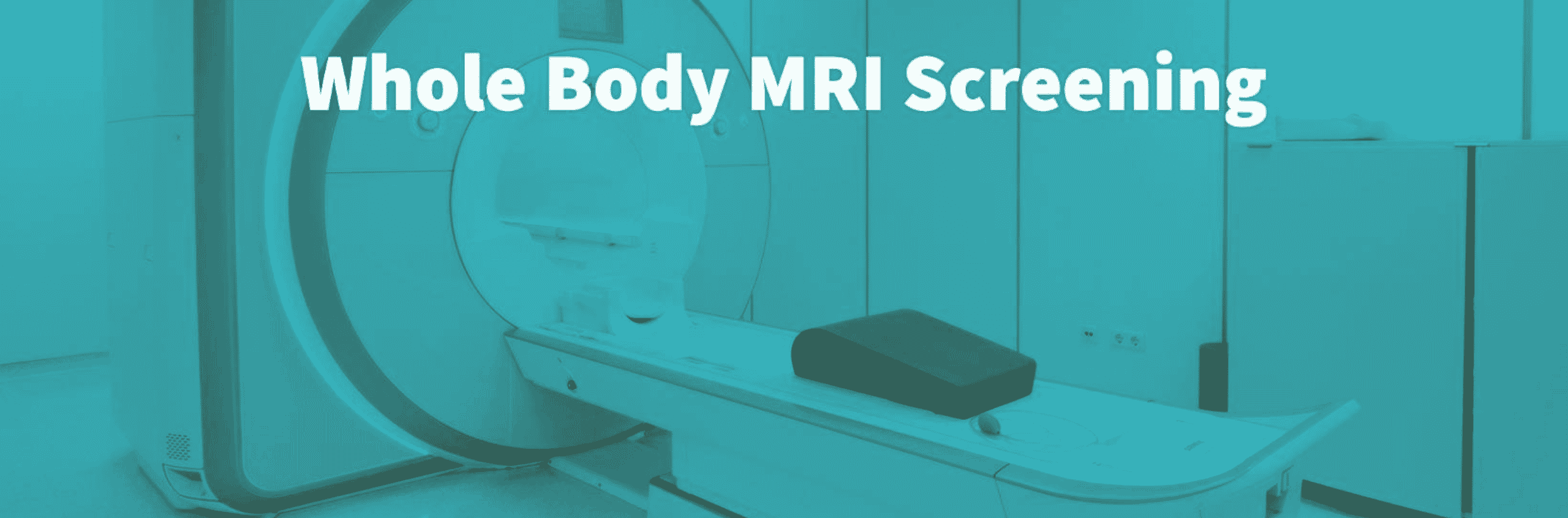
    Whole-body MRI uses very strong magnetic fields to create images of the body. A whole-body MRI does not actually check the whole body. Usually, the arms or legs are not included. This is because the chance of detection of a serious abnormality in the arms or legs is zero. The MRI scanner is a large, noisy, doughnut-shaped machine. The scanner that we use allows patients to watch Netflix while they are having their scan! 

    How long does a whole-body MRI take?

    Usually, a whole-body MRI takes around 90 minutes. Prior to the scan, safety questions are answered, and patients change out of their normal clothes into a comfortable gown and warm socks. As the scans use magnetic fields, certain people, for example, those who may have a pacemaker or metal fragments in their body, cannot have an MRI scan. For everyone else, a whole-body MRI is perfectly safe. 

    Why would you have a whole-body MRI? 

    Early detection of cancer is the main reason to have a whole-body MRI. In studies of whole-body MRI, the rate of cancer detection ranges from 0 to 10%. A review of studies into the whole body found that the pick-up of cancer was between 1 and 2%. By comparison, the detection rate of breast cancer using digital mammography is 0.8%. 

    What are the disadvantages of a whole-body MRI?

    Whole-body MRI is excellent at picking up cancer. It is also excellent at picking out lots of unnecessary detail. Indeed, very few whole-body MRI scans are entirely normal. However, only 30% of whole-body MRI scans detect findings that require further investigation to rule out a serious condition. Waiting for the results of additional investigations can be stressful in the short term. However, studies have found that these people did not have any increased stress in the long term. 

    A whole-body MRI is an extremely effective tool for detecting cancer. It is non-invasive and takes only 90 minutes. It can pick up a lot of unimportant abnormalities, which can increase short-term anxiety. However, in the long run, it is an incredibly valuable opportunity to detect cancer early. 

    British Association of Sports and Exercise Medicine  ·  European Atherosclerosis Society  · 
    Independent Doctors Federation

    As seen in The Independent, The Daily Mail and Tatler

    For educational purposes. This article is written by a practising GP and is intended to inform, not replace a consultation with your own doctor. It does not constitute medical advice. A note on clinical guidelines: Coyne Medical is an independent private clinic. Our approach is guided by the best available evidence, tailored to each individual. This may go beyond standard NHS or NICE guidance, which is designed for population-level care and weighted by resource constraints.

  • The Ins and Outs of Self Care

    The Ins and Outs of Self Care

    You may have heard the concept of ‘self-care’ being bandied about but what does that really mean? Yes, we understand the basic principle of self-care however how can it be put into practice, do we need it and honestly, how can it help?

    Life can be hectic, taking a toll on our physical and mental health. We all suffer from stress, pressure and the need to meet expectation yet constant stress uses up our adrenaline and cortisol leaving our energy and resilience levels low. Lack of time for ourselves and quiet can make us irritable, impact out interactions with friends and family and make us less productive.

    Even though I am a doctor and therefore ought to be aware of how to ‘look after myself’ it can be incredibly difficult to implement changes that may be ‘good for us’. Everyone experiences stress differently meaning forms of management can be different for everyone.

    When it comes to self-care, it is undoubtedly a very personal issue, only you can know when you are running low or struggling. Therefore to begin with, in the first noticeable instance, make a note of what keeps coming up so the ability to tackle this stressor is maximised.

    However, until these stressors can be identified and acted upon, here I will give you a few tips that I have found useful for me and my family. These are tiny baby steps that each member of my family has used to make a little more space and positivity in our lives and that enhance our overall well-being.

    I am a firm believer in taking responsibility for your health and wellbeing, being your own advocate and taking control when things feel like they are running riot.

    Tip 1 – Reframe things in your mind

    I have been known to grumble at getting up in the morning to prepare my daughter’s breakfast. Sometimes working a late shift provides even less incentive to do so, making a lie in way more attractive. Historically, I felt duty bound to make breakfast as the guilt would slowly creep in if I didn’t. This then manifested in me being grumpy and snippy with my daughter.

    After attending some training on improving happiness and cognitive behavioural therapy, I decided to try the concept of ‘reframing the situation’. This simply made me change my way of thinking to, the decision to get up and make breakfast for my child is mine. I could do it with grace or grumpiness. I thought about how much I would miss her when she leaves home and how I will miss seeing her in the morning. Just thinking about the situation in this way has made me positively jolly about getting her breakfast in the morning. It is small isn’t it, nothing medically ground breaking, but it makes my life (and by default the rest of my family’s lives) better.

    Tip 2 – Take ownership of your health

    I have recently lost some very dear friends to cancer and see people daily who struggle with illness. We don’t have control over many aspects of our health, but we are fortunate enough to have some tools in our armoury.

    I was spurred into action by the loss of my friends, I had my cervical smear, colonoscopy (as I was aware of my strong family history of colon cancer), general blood tests and a mammogram. You do have a responsibility to yourself and your loved ones to look after yourself and to me, this was my way of doing so. Don’t put it off if you know there is a susceptibility towards an illness in your family, see your doctor and modify your risk.

    If you are smoking, maybe consider for a moment if this is something you might try to stop this year. If your diet and weight are putting you at increased risk of cardiac events or diabetes, what might motivate you to change your lifestyle? Figuring out your motivation, sticking to it and taking responsibility for yourself is important for you and you alone. Be it wanting to get into an item of clothing, or so you can be around for your kids, find your motivation and stick with it.

    Tip 3 – Technology

    I despair at the time my daughter wastes on her phone. If she just studied half as much she would be a genius. I am being facetious – there is increasing evidence that social media and being exposed to the constant stream of Instagram, Snapchat, trolling, comparing and selfying puts our children’s mental health at risk.

    I have seen the highs and lows of it in my own child. When it comes to studying and phones, my daughter recently showed me an app called Forest, where she can decide the length of time the app is active so that her phone is inaccessible to her friends and herself. She sets herself targets, gets rewarded by the app, she has taken control of time spent off the phone and in doing so does something constructive. However, I can’t help but think, is this where we are now when it comes to technology? Are we that immersed? I think this realisation is one of the hardest, as once we can get there, break away and give our minds a break, we really are helping our own mental health. Try it, I dare you!

    Tip 4 – Exercise

    It is old news but it’s true. There is no arguing the evidence in favour of exercise in terms of improving health outcomes in so many parameters. Exercise is used to improve outcomes after a heart attack or breast cancer, to improve mood disorders or stave off immobility and pain brought on by osteoarthritis. The science is there, this is proven, however somehow we all know that come what may there is just not enough time in a day to get everything done.

    I don’t have much spare time in my life, however I choose to stick on my headphones, listen to podcasts and jog everywhere. I put on my rucksack, pack light and change for work or dinner when I arrive. My friends think I’m a bit odd (and probably sweaty) but it makes me feel relaxed. I solve problems in my mind as I go and love running past stationary buses and traffic jams. My husband is a walker, if he is stressed he gets out of the house and walks, day or night.

    The thing with finding the time is that you need to find your niche. When you find exercise that you enjoy, you are more likely to want to do it and therefore more likely to find time for it. Find your thing and go for it!

    These are the small self-care efforts we make in our house. It is about taking charge of your wellbeing and actively finding a bit of peace and positivity, the act of taking control and participating in your own sense of wellness is very empowering.

    British Association of Sports and Exercise Medicine  ·  European Atherosclerosis Society  · 
    Independent Doctors Federation

    As seen in The Independent, The Daily Mail and Tatler

    For educational purposes. This article is written by a practising GP and is intended to inform, not replace a consultation with your own doctor. It does not constitute medical advice. A note on clinical guidelines: Coyne Medical is an independent private clinic. Our approach is guided by the best available evidence, tailored to each individual. This may go beyond standard NHS or NICE guidance, which is designed for population-level care and weighted by resource constraints.