Tag: genetic testing

  • Bowel cancer: risk factors, genetic testing and screening explained

    Bowel cancer: risk factors, genetic testing and screening explained

    Bowel cancer is the third most common cancer in the UK, affecting men and women in roughly equal numbers. But many cases are preventable, and when it is caught early, survival rates are high. This guide covers what raises your risk, how inherited gene mutations are involved, and what screening is available.

    In this guide

    What causes bowel cancer?

    No single thing causes bowel cancer. For most people it comes down to a combination of genetics, lifestyle, age, and chance. Cases are most common after 45, but we are seeing a significant rise in bowel cancer in younger adults. Cases under 50 are predicted to double in the next ten years, which is one reason why earlier screening and genetic testing matter more than they used to.

    The good news is that bowel cancer is often slow to develop. The process from a normal bowel cell to a polyp to a cancer typically takes over ten years. That window is an opportunity. Identifying risk early, and screening at the right time, gives us a real chance to detect cancers before they cause symptoms, and in some cases to prevent them altogether.

    Family history and genetic risk

    Family history

    Having a parent or sibling with bowel cancer more than doubles your risk. If a close relative had polyps removed, your risk may also be elevated by as much as 35%. Family history matters even when there is no known genetic mutation, and it should always be factored into decisions about when to start screening.

    Inherited gene mutations

    Around 5% to 10% of bowel cancers are caused by an inherited fault in a gene. These mutations account for around 35% of bowel cancers diagnosed under the age of 50. The main conditions to know about are:

    Lynch syndrome is the most common inherited cause of bowel cancer. It is caused by mutations in one of five genes: MLH1, MSH2, MSH6, PMS2, and EPCAM. These genes normally produce proteins that repair errors in DNA. When they do not work properly, errors accumulate in bowel cells over time, making cancer more likely. Bowel cancer risk in Lynch syndrome ranges from around 12% to 75% by age 75, depending on which gene is affected. Lynch syndrome is also linked to cancers of the womb, ovaries, stomach, kidneys, and other organs, so a family history of any of these is relevant.

    Familial adenomatous polyposis (FAP) is caused by a mutation in the APC gene. It causes large numbers of polyps to develop in the bowel from childhood. Without treatment, up to 90% of people with FAP will develop bowel cancer by age 45. Some APC mutations cause a milder form, with fewer polyps and cancer developing slightly later, on average around age 54.

    MUTYH-associated polyposis (MAP) is caused by mutations in the MUTYH gene. People are usually only significantly affected if they inherit two faulty copies of the gene, one from each parent. The lifetime bowel cancer risk with two MUTYH mutations is estimated at between 43% and 100%. People with one faulty copy may also have a modestly increased risk.

    Other rarer mutations linked to bowel cancer risk include POLE, POLD1, MSH3, and NTHL1.

    Other health factors

    People with type 2 diabetes have a 22% to 33% higher risk of bowel cancer than those without. Inflammatory bowel disease, particularly ulcerative colitis, also raises risk. Previous radiotherapy to the abdomen or pelvis is another factor worth flagging to your GP.

    Lifestyle risk factors

    Alcohol

    Around two units of alcohol per day is associated with roughly a 4% increase in bowel cancer risk. As with most cancers, risk increases with the amount consumed.

    Weight and body fat

    Being overweight increases the risk of bowel polyps and bowel cancer. Weight carried around the abdomen is particularly significant. Visceral fat, the fat stored around the internal organs, is more metabolically active and more directly linked to cancer risk than fat stored under the skin. Waist measurement gives a rough guide, but an MRI body composition scan provides a more accurate picture.

    Exercise

    Regular physical activity has a meaningful protective effect. Brisk walking for 30 minutes five days a week can lower bowel cancer risk by up to 50%. This is one of the largest modifiable risk reductions available for any common cancer.

    Smoking

    Current smokers have around a 21% higher risk of bowel cancer compared to people who have never smoked.

    Diet

    Processed meat, including sausages, bacon, and ham, is associated with increased bowel cancer risk. High-quality unprocessed red meat eaten once or twice a week is likely to carry much lower risk as part of a balanced diet. A diet high in fibre supports a healthy gut microbiome and is recommended by the World Cancer Research Fund as a way to reduce bowel cancer risk. There is also some evidence that calcium-rich foods may be protective.

    Symptoms to know about

    Most bowel cancers found through screening are detected before any symptoms appear. But knowing the warning signs matters. See a GP promptly if you notice any of the following. None of these automatically means cancer, but all of them should be investigated.

    Bleeding from the back passage. Blood in your stools. A change in how often you go to the toilet, or persistent diarrhoea or constipation. Unexplained weight loss. Persistent tiredness without an obvious cause. A pain or lump in your abdomen.

    Screening options

    At-home stool testing

    Stool testing looks for tiny amounts of blood in a sample, invisible to the naked eye, that can indicate bleeding from the bowel. A small sample is collected at home, placed in a tube, and posted to a laboratory. A positive result doesn’t mean you definitely have cancer, but it means further investigation, usually a colonoscopy, is recommended.

    The NHS in England currently offers at-home stool testing to people aged 54 to 74, every two years, sent automatically to your registered address. People aged 75 and over can request a kit. Those at higher risk due to a known inherited condition may be offered earlier or more frequent testing.

    At Coyne Medical, we offer at-home stool testing from age 45, earlier than the NHS programme. We also use a lower detection threshold than the NHS standard, which means we identify more potential cases at an earlier stage. Testing is available every year rather than every two years. Annual testing in large studies has been shown to reduce the risk of dying from bowel cancer by around 33% over 30 years. The cost is £84, including the kit, results, and a free GP follow-up consultation for any abnormal result. You can add the test to any GP consultation and we include it with all our Health Screening Packages.

    Colonoscopy

    Colonoscopy is the most thorough bowel cancer screening test available, with a sensitivity of around 95% and the ability to both detect and remove polyps in the same procedure. Long-term data shows it can reduce bowel cancer incidence by 31% to 71% and mortality by 65% to 88%.

    A thin flexible camera is passed through the bowel, allowing direct inspection of the entire bowel lining. If polyps are found they can be removed immediately, which reduces future cancer risk. The preparation involved, a special diet and bowel-clearing medication beforehand, puts some people off, but the procedure itself is usually well tolerated. There is a very small risk of complications, around 4 to 8 in 10,000 procedures. For people not eligible for NHS colonoscopy, private costs are typically around £1,900 to £2,200. Some international health insurance policies cover colonoscopy screening as standard.

    Both FIT testing and colonoscopy are well-supported by evidence, and both UK and US guidelines agree these are the two options with the most benefit. The right choice depends on your circumstances. Colonoscopy is preferred for people with a higher-risk family history, a known gene mutation, or previous polyps. Annual FIT testing is a very reasonable starting point for people at average risk who want a non-invasive option. Your GP can help you decide.

    People with a confirmed high-risk inherited mutation such as Lynch syndrome are typically recommended colonoscopy every two years from age 25 rather than stool testing alone.

    Multi-Cancer Early Detection: TruCheck

    TruCheck is a blood test that detects circulating tumour cells shed by cancers into the bloodstream before symptoms develop. It screens for over 70 cancer types from a single blood draw, including bowel cancer. It is not a replacement for FIT testing or colonoscopy but adds an additional layer of detection, particularly useful for people who want comprehensive early cancer surveillance. It is generally suitable for people aged 40 and over without a prior cancer diagnosis.

    Multi-Cancer Early Detection →

    Genetic testing for inherited risk

    Genetic testing used to be reserved for people who clearly met high-risk criteria. But research shows this approach misses around half of people who carry a harmful mutation. Only about 5% of people in the UK with Lynch syndrome have been diagnosed. For each person identified, there is an opportunity not just to help them but to alert their relatives, who have a 50% chance of carrying the same mutation.

    At Coyne Medical, we offer genetic testing to everyone, not just those who meet the NHS criteria.

    Who should particularly consider it

    A personal or family history of bowel cancer, especially under age 50. Multiple relatives on the same side of the family with bowel cancer or related cancers such as womb, ovarian, or stomach cancer. A family history of ten or more bowel polyps. A known mutation in the family. Even without a clear family history, genetic testing is worth considering as part of a comprehensive health assessment.

    What a positive result means

    A positive result does not mean cancer is inevitable. What it does is change what screening makes sense for you, and opens up options that can significantly reduce your risk. For someone with an MLH1 mutation, for example, daily aspirin taken for two years has been shown to reduce bowel cancer risk by 60%. Colonoscopy screening from age 25 allows polyps to be found and removed before they become cancers. Some women with Lynch syndrome choose to have their womb removed after completing their family, to reduce the risk of endometrial cancer. Knowing your result puts these options within reach.

    What a negative result means

    No harmful mutations were found in the tested genes. This is genuinely reassuring, though it does not eliminate all bowel cancer risk if you have a strong family history. Appropriate screening based on your other risk factors should continue.

    Protecting your family

    When one person discovers a gene mutation, they can share that information with relatives who can then be tested themselves. Many people find real comfort in knowing they have given their children or siblings the chance to get ahead of something that might otherwise go undetected.

    Vaccinations on the horizon

    The University of Oxford is currently developing a cancer prevention vaccine for people with Lynch syndrome. This is one example of how rapidly the science is moving. Knowing your genetic risk now may open the door to treatments and prevention strategies that do not yet exist.

    At Coyne Medical we offer an inherited cancer risk panel covering 35 genes including all of the Lynch syndrome genes, APC, and MUTYH, available as an at-home saliva test from £650 or an in-clinic blood test from £900. Our Advanced Genetic Screen covers 55 genes and also includes a pharmacogenomics report, it is included as standard in our Ultimate health screening package.

    Inherited cancer risk panel →

    Advanced genetic screen →

    Support and further information

    Lynch Syndrome UK is a patient-led organisation providing information, support, and advocacy for people affected by Lynch syndrome. Lynch Choices offers support from testing through to diagnosis and information on screening and preventive therapies. The Royal Marsden Hospital provides a detailed Beginner’s Guide to Lynch Syndrome online. PolyposisPatient offers peer support for all polyposis conditions. Bowel Cancer UK provides information and helpline support for anyone affected by bowel cancer.

  • Are You Worried About Statin Side Effects? Why 47% of Patients Stop Their Medication

    Are You Worried About Statin Side Effects? Why 47% of Patients Stop Their Medication

    Have you been prescribed a medication, like a statin, and worried about side effects? Did you stop your medication? Or maybe you never even started it.

    Traditionally doctors have relied on a ‘trial and error’ approach to medication.

    The “Trial-and-Error” Gamble with Statin Prescriptions

    Over 5 million people in the UK are prescribed statin medication every year. But we know that approaching 50% of patients stop them in the first year, or never even get their tablets.

    Either experiencing side effects or worry about them are two of the biggest reasons for this. This is a big problem for your health. Cardiovascular disease is the leading cause of death, but a massive 80% of cardiovascular disease is preventable. Controlling lipids with medications like statins is a key weapon to prevent deaths from cardiovascular disease.

    What is Pharmacogenomics (PGx)? The End of “One-Size-Fits-All” Medicine

    Pharmacogenomics analyses your DNA, looking at specific genes which dictate how your body responds to medicines. We have excellent detailed data that can predict how your body will metabolise drugs. This impacts not just whether the drug is effective, but also the risk of nasty side effects.

    In the clinic we take a simple blood sample which is analysed in a specialist genetic laboratory in Germany. The result gives us a detailed profile of your pharmacogenomics.

    How a Simple Genetic Test Can Predict Your Body’s Response to Statins

    The SLCO1B1 gene in your DNA codes for making a protein that is vital in controlling the metabolism of statins by your liver. We all have slightly different copies of this gene, called polymorphisms.

    Up to 36% of people tested have a copy of SLCO1B1 with decreased function. This means that the body has trouble clearing statins from the bloodstream to be metabolised by the liver. This means levels of the statin drug can build up in the blood stream, and cause side effects such as muscle pain and inflammation.

    A Patient Story: Replacing Statin Fear with Confidence

    In the clinic we can check your pharmacogenomic profile before starting medication. This means we can then choose a statin or other cholesterol lowering medicine which is much safer for you. You will be less likely to experience side effects and the drug is also more likely to be effective.

    We had a patient recently who wanted to start a statin to reduce their long-term risk of heart disease, they had read a lot about people experiencing muscle pain. As a really fit and active person they didn’t want anything which would impact their busy lifestyle. Their pharmacogenomic profile showed they have decreased SLCO1B1 function and were at high risk of side effects with the most commonly prescribed statins, atorvastatin and simvastatin. We were able to choose a low dose of rosuvastatin for them, this is the most effective and safest choice for them.

    Take the Guesswork Out of Your Heart Health

    We are incredibly lucky to be alive in a time where medical advances give us the chance for preventative healthcare. This chance was denied to many generations before us.

    We know though that many patients worry about taking medications, especially about unwanted side effects. Pharmacogenomics is a key tool we can use make sure you get the right medication. We can go from ‘trial and error’ to a truly personalised cardiovascular disease prevention plan.

    Interested in finding out your pharmacogenomic profile and what real-life personalised medicine means? We’d love to help you, so book today or get in touch.

    British Society for Genetic Medicine  ·  European Atherosclerosis Society  · 
    Independent Doctors Federation

    As seen in BBC, The Guardian, Women’s Health, The Times and Tatler

    For educational purposes. This article is written by a practising GP and is intended to inform, not replace a consultation with your own doctor. It does not constitute medical advice. A note on clinical guidelines: Coyne Medical is an independent private clinic. Our approach is guided by the best available evidence, tailored to each individual. This may go beyond standard NHS or NICE guidance, which is designed for population-level care and weighted by resource constraints.

  • Understanding Ovarian Cancer: Early Detection, Genetic Testing, and Prevention

    Understanding Ovarian Cancer: Early Detection, Genetic Testing, and Prevention

    Every day, 11 women in the UK lose their lives to ovarian cancer. This disease claims more lives than all other gynaecological cancers combined. Tragically, most cases are diagnosed at an advanced stage—stage 3 or 4—where the survival rate for stage 4 is a mere 15%. However, if detected early, at stage 1, the five-year survival rate soars to 95%.

    Ovarian cancer is shrouded in myths and misconceptions, leading to a lack of awareness among both women and healthcare professionals about effective prevention and early detection methods. With advancements in science, we now have the tools to detect this disease early and, in some cases, prevent it altogether, significantly improving survival rates.

    This video is essential viewing for anyone with a family history of ovarian cancer, anyone with ovaries, or anyone who cares about someone with ovaries. Join us as we dispel myths, spread awareness, and empower you with life-saving knowledge about ovarian cancer.

    Genetics of Ovarian Cancer

    Let’s first talk about the genetics of ovarian cancer. 

    About 20% of ovarian cancers are caused by a genetic variant inherited from a parent. You might have heard people describing this as having inherited a “gene mutation” or “faulty gene”. 

    The most common genes involved in this are BRCA1 Or B-R-C-A-1 and BRCA2. 

    If you have inherited a harmful copy of one of these genes, we medically call this having a “pathological” variant. For patients, this might mean your risk of ovarian cancer might be up to 60% in your lifetime. BRCA1 and 2 are not the only genes which are linked to ovarian cancer, there are other genes which are less common and carry different risks. 

    Angelina Jolie famously shared her story of finding out about her BRCA 1 mutation in 2013 in the New York Times.  I think she really helped to open the conversation around genetic screening for lots of women. She had sadly already lost her mother to cancer, who was diagnosed with breast and ovarian cancer. Angelina Jolie chose to have risk-reducing surgery.  Since then many other women have followed in her footsteps, talking about their genetic mutations and surgical decisions such as Christina Applegate, Sharon Osborne and many not so close to Hollywood like me.

    So who should have genetic screening?

    I want to share the words of Dr Mary-Claire King, she is the scientist who first identified the BRCA1 gene in 1990. 

    She says “To identify a woman as a carrier only after she develops cancer is a failure of cancer prevention,”.

    I whole heartedly agree with her. Despite the passing of decades since the discovery of the BRCA1 gene far too many people only find out they carry a gene after a cancer diagnosis in themselves or someone they love.

    Over 95% of women who have inherited a harmful variant in BRCA1 or BRCA2 are undiagnosed in the UK. That’s hundreds of thousands of people who don’t know they are at high risk of cancer, ovarian cancer, plus breast cancer and more. 

    I am extremely fortunate to have been able to access private genetic screening. And I am passionate about bringing this option to more patients and am proud we are able to offer this at Coyne Medical. We can take a sample in clinic after talking through the options, we usually test for multiple cancer genes linked to several cancers including ovarian, breast, colon and more. We only test for genetic changes which are linked to proactive steps you can take to reduce your risk. Such as recommendations for extra screening or checks. 

    But I know that is not an option for all patients, so I was also delighted that in March this year, the guidelines on NHS funded testing were updated by NICE. They now recommend that anyone who has a family history of ovarian cancer in a first or second degree relative be considered for genetic testing.

     A first-degree relative is for instance parent or sister. A second-degree relative is much broader and includes grandparents, aunts, nieces or half-sisters. This includes relatives on either your mum or dad’s side of the family.  So if private testing is not an option for you do speak to your GP about the new guidelines. In the past it may be that you were denied testing on the NHS but could now be eligible.

    What if you don’t have any family history of ovarian cancer?

    Yes, you can still have genetic screening. Traditionally we have only screened patients with a family history. We know from large studies on breast and ovarian cancer that if we only use the family history criteria we will miss over 50% of people with a pathological mutation in BRCA1 or BRCA2.  So if you really want toif you want to get serious about optimising your cancer screening and prevention we think genetic screening is crucial. You don’t want to be one of the patients that only find out after they get cancer, knowing you might have been able to prevent it earlier. 

    Personally, I know the truth behind the statistics. I tested positive for a pathological variant in a gene called PALB2 in 2021. It puts me at increased risk of ovarian cancer and breast cancer. I did not meet the traditional criteria for genetic testing and would not have known without choosing to have private genetic screening. I feel incredibly lucky I found my gene mutation while I was completely healthy, instead of after having a cancer. I have been able to join Angelina Jolie in choosing preventative risk-reducing surgery. To know my risk and then take action to reduce my risk of cancer feels like a very special gift. I would love to see more women share this. 

    Could a family history of other cancers be linked to ovarian cancer?

    Yes, many of the genes that increase the risk of ovarian cancer are linked to other cancers.

    If your family history includes breast cancer, pancreatic cancer or prostate cancer. Those are all flags that you have a higher chance of having inherited a gene mutation. We would certainly encourage you to consider genetic screening. 

    And it’s not just women. We would also encourage men with a family history of these cancers to consider genetic screening. Finding a gene mutation will help us manage their health risks and cancer screening. But it will also potentially help their daughters, granddaughters, nieces, sisters…

    MYTH is that: “It doesn’t matter as there is no family history on my Mum’s side.”

    Wrong. You can inherit these gene mutations from either your mother or father. 

    Women who inherit from their Dad are more often missed. Men are less likely to get breast cancer and can’t get ovarian cancer. So for their daughter their family history often appears less worrying. The same is true for people from small families. A history of cancer in a grandmother or aunt on Dad’s side of the family, is often not talked about or not seen as a big risk factor. I would encourage everyone to find out the most they can about their family history. During the dark days of the first lockdown I started researching my family tree which has been fascinating. After I discovered that I had a gene mutation I searched in more detail and got a copy of my great grandmother’s death certificate, this showed she had died from breast cancer in her 40’s. I almost certainly inherited my mutation from her. So get talking to relatives if you can or use the wonders of the internet to do a bit more research. Of course, we focussed on ovarian cancer today but family history of all cancers as well as other diseases such as heart attacks are also really important information. 

    Do you have any Jewish ancestry?

    Having a parent or grandparent of Jewish ancestry is a big risk factor for inheriting a BRCA1 or BRCA2 genetic variant, up to a 1 in 40 chance. We would recommend all people with this risk factor use genetic screening to find out if they carry a high-risk mutation. The NHS has recently started a project offering testing for gene variants in only the BRCA1 and BRCA2 genes, as these are the genes which are more commonly mutated in those with Jewish ancestry, if you’re interested you can find out more about the project online and I’ll put the link to that in our notes. 

    How does finding a high-risk ovarian cancer gene help you prevent cancer?

    Some women will opt to have their ovaries and fallopian tubes removed. Especially if they have already entered menopause, you could say they are no longer serving any purpose so why keep them and add to your cancer risk? 

    The decision can be more difficult for younger women, for whom surgery will bring on an early menopause and impact on their choices for fertility. It is important that women in this scenario get the best advice on which option is best for them. And their options for pregnancy in the future. 

    There is a brilliant UK study called “Protector”, it is led by  Professor Ranjit Manchanda, who is a great advocate for increasing access to genetic screening for women. The study offers women who want to keep their ovaries the option of removing their fallopian tubes only initially, followed by removal of the ovaries at a later date. We know many ovarian cancers start at the end of the fallopian tubes where they meet the ovaries. The study wants to show this option can help women who wish to delay their surgery, so this option could help reduce risk without the negative impact of menopause in younger women. Both surgical options are big decisions, and need careful thinking through the pros and cons so each woman can find the right decision for her health. Thankfully the actual surgeries are usually laparoscopic or keyhole operations, and can usually be done as a daycase procedure. 

    Can I do anything else to prevent ovarian cancer?

    Yes, there are lots of factors we can focus on to reduce the risk of ovarian cancer. And they will also reduce your risk of lots of other cancers such as breast and colon cancer. Keeping a healthy weight and not smoking are the two biggest risk factors which you can control. The combined oral contraceptive pill also reduces risk, even if only taken for a short period of time. The protection from taking the pill also persists, so the positive benefit continues for several years after stopping the pill. For high-risk women though such as having a BRCA1 or 2 mutation the combined oral contraceptive increases the risk of breast cancer so it may not be suitable as an option. Breastfeeding is protective for ovarian cancer risk, with a 24% risk reduction. I know personally breastfeeding can be really challenging, certainly the hardest part of life as a new mum with my first baby. So I am really conscious of not adding to the mummy guilt with this but if you have a family history it is good to know that this choice could have a positive impact on your own health.  Having children reduces the chance of having ovarian cancer. Of course not alone a reason to have a baby! There has been a lot of concern about using talcum powder on the genital area and ovarian cancer, the evidence is mixed but it is sensible to avoid this. 

    Early Detection

    But now let’s think about early detection. For those cancers we can’t prevent, we need to diagnose them as early as possible. Early diagnosis is vital. Sadly two-thirds of women are diagnosed at a late stage.

    If we can diagnose women early at stage 1 the survival rate is over 94% at 5 years, versus only 16% for women diagnosed at stage 4. So how can we screen you for ovarian cancer and detect it early?

    For women who do not have a high-risk gene mutation we don’t routinely recommend all women using ultrasound or the CA125 blood test for ovarian cancer screening because the biggest UK trial didn’t show this could improve survival in women. They studied over 200,000 women over about 16 years, split into 3 groups, no screening, screening with an ultrasound scan and screening with an ultrasound scan and a blood test for CA125. The results showed women screened with an ultrasound and the CA125 blood test did seem to be diagnosed with cancer at an earlier stage, but they couldn’t show this saved a significant number of lives. We know the CA125 blood test is not perfect, it can give “false alarms”, as other conditions like endometriosis or fibroids can cause high CA125 levels too.  

    But the results were different in women who have are at “high risk” such as with a BRCA gene mutation, they are now recommended to consider regular screening with CA125 blood test and a special algorithm for monitoring their results called ROCA. The test has been available privately for some time but this is a new recommendation in 2024 for the NHS and not yet easily available nationally but hopefully this will change soon. The ROCA test has been show to detect ovarian cancer earlier, before symptoms appear. For high-risk women they can have this done 3 times a year, the results will be tracked and if a significant increase is noted this will prompt more tests. This might be a good option for high-risk gene carriers to consider, especially if you have decided against surgery or are waiting to have done at an older age. 

    Are there are any other ways of screening for ovarian cancer?

    Yes we now have a new blood test that can be used to screen for ovarian cancer. It uses a normal blood sample taken in the clinic and the laboratory to look for ‘circulating tumour cells’, (CTCs). When a cancer or ‘tumour’ starts to grow in the body some of the cells will get into the bloodstream called CTCs. The really exciting part of this is that these CTCs can be found in early-stage 1 cancers.  

    The blood test is called a Multi Cancer Early Detection test, we offer tests by Trucheck that can either focus on female cancers, including breast and ovarian cancer,  or we can screen for up to 70 solid organ tumours. We offer this test at Coyne Medical, always after a full consultation with the doctor to understand if it’s the right test for you. We always want to make sure that patients are up to date with their standard cancer screening as these newer tests should be seen as a great optional add-on. 

    Likewise we also use whole-body MRI scans as an add-on cancer screening tool. These scans from from head through the neck, chest and abdomen to the pelvis. In the pelvic area they can detect cysts or fluid which can indicate an ovarian cancer. In large studies of whole-body MRI the rate of detecting a cancer is 1 to 2% in healthy adults over 40, but this has to be balanced against finding small ‘abnormalities’ which can cause stress and need further checks. That’s why it’s important you go through the possibilities with your doctor before testing. As well as making sure your doctor is there to support you through the results and any follow-up.

     MYTH: “A smear test checks for ovarian cancer.”

    This is sadly common, about 1 in 4 women think this is true but sadly not. Cervical screening will not detect ovarian cancer. Though it is a really important cancer screening to make sure you are up to date with. 

    Knowing the symptoms is key for every woman

    Symptoms to watch for include:

    • Persistent increase in abdominal size or bloating (not bloating that comes and goes)
    • Persistent pelvic and abdominal pain
    • Unexplained change in bowel habits
    • Difficulty eating and feeling full quickly, or feeling nauseous
    • Needing to urinate (wee) more regularly

    Other symptoms can include tiredness, losing weight, pain during sex, and back pain. These can be symptoms of many other conditions too so don’t panic but see your doctor. Your doctor might check a blood test called CA125 and you may also need an ultrasound scan. 

    Knowledge is Power

    Knowledge is power, yet many women and doctors are not well-informed about ovarian cancer. A study by Target Ovarian Cancer found that less than 5% of women felt confident recognizing its signs. Surprisingly, many doctors also mistakenly believe that symptoms only appear in the late stages of the disease. 

    We’re committed to empowering women with the knowledge they need to make informed health decisions. If you know other women who could benefit from this information, please share it with them. Together, we can spread awareness and equip more women with the knowledge they need.

    Follow us if you’d like to learn more about disease prevention and early detection. 

    Cancer Research UK [https://www.cancerresearchuk.org/health-professional/cancer-statistics/statistics-by-cancer-type/ovarian-cancer/mortality#heading-Zero] Accessed 8 May 2024.

     Chandrasekaran D, Manchandra R. ‘Germline and somatic genetic testing in ovarian cancer patients’. BJOG 2018: volume 125, issue 11, page 1,460. DOI: 10.1111/1471-0528.15225

    Evans, D.G., Shenton, A., Woodward, E. et al. Penetrance estimates for BRCA1 and BRCA2based on genetic testing in a Clinical Cancer Genetics service setting: Risks of breast/ovarian cancer quoted should reflect the cancer burden in the family. BMC Cancer 8, 155 (2008). https://doi.org/10.1186/1471-2407-8-155

    https://ascopost.com/issues/february-10-2015/dr-mary-claire-king-proposes-population-screening-in-all-young-women-for-brca-mutations/#:~:text=%E2%80%9CTo%20identify%20a%20woman%20as,Dr

    Manchanda R, Blyuss O, Gaba F, et al. Current detection rates and time-to-detection of all identifiable BRCA carriers in the Greater London population, Journal of Medical Genetics 2018;55:538-545.

    National Institute of Clinical Excellence. Ovarian cancer: identifying and managing familial and genetic risk, NICE Published 21/3/2024, [https://www.nice.org.uk/guidance/ng241] Accessed 8 May 2024.

    Beitsch PD, Whitworth PW, Hughes K, Patel R, Rosen B, Compagnoni G, Baron P, Simmons R, Smith LA, Grady I, Kinney M, Coomer C, Barbosa K, Holmes DR, Brown E, Gold L, Clark P, Riley L, Lyons S, Ruiz A, Kahn S, MacDonald H, Curcio L, Hardwick MK, Yang S, Esplin ED, Nussbaum RL. Underdiagnosis of Hereditary Breast Cancer: Are Genetic Testing Guidelines a Tool or an Obstacle? J Clin Oncol. 2019 Feb 20;37(6):453-460. doi: 10.1200/JCO.18.01631. Epub 2018 Dec 7. PMID: 30526229; PMCID: PMC6380523. https://www.ncbi.nlm.nih.gov/pmc/articles/PMC6380523/

    Petrucelli N, Daly MB, Pal T. BRCA1- and BRCA2-Associated Hereditary Breast and Ovarian Cancer. 1998 Sep 4 [Updated 2023 Sep 21]. In: Adam MP, Feldman J, Mirzaa GM, et al., editors. GeneReviews® [Internet]. Seattle (WA): University of Washington, Seattle; 1993-2024. Available from: https://www.ncbi.nlm.nih.gov/books/NBK1247/

    Ozanne EM, O’Connell A, Bouzan C, Bosinoff P, Rourke T, Dowd D, Drohan B, Millham F, Griffin P, Halpern EF, Semine A, Hughes KS. Bias in the reporting of family history: implications for clinical care. J Genet Couns. 2012 Aug;21(4):547-56. doi: 10.1007/s10897-011-9470-x. Epub 2012 Jan 12. PMID: 22237666.

    Metcalfe KA, Eisen A, Lerner-Ellis J, Narod SA. Is it time to offer BRCA1 and BRCA2 testing to all Jewish women? Curr Oncol. 2015 Aug;22(4):e233-6. doi: 10.3747/co.22.2527. PMID: 26300672; PMCID: PMC4530819.

    The NHS Jewish BRCA Testing Programme

    The Protector Study

    Cancer Research UK, [https://www.cancerresearchuk.org/about-cancer/ovarian-cancer/risks-causes] Accessed 9 May 2024.

    Collaborative Group on Epidemiological Studies of Ovarian Cancer; Beral V, Doll R, Hermon C, Peto R, Reeves G. Ovarian cancer and oral contraceptives: collaborative reanalysis of data from 45 epidemiological studies including 23,257 women with ovarian cancer and 87,303 controls. Lancet. 2008 Jan 26;371(9609):303-14. doi: 10.1016/S0140-6736(08)60167-1. PMID: 18294997.

    Babic A, Sasamoto N, Rosner BA, et al. Association Between Breastfeeding and Ovarian Cancer Risk. JAMA Oncol. 2020;6(6):e200421. doi:10.1001/jamaoncol.2020.0421

    Merritt MA, Green AC, Nagle CM, Webb PM; Australian Cancer Study (Ovarian Cancer); Australian Ovarian Cancer Study Group. Talcum powder, chronic pelvic inflammation and NSAIDs in relation to risk of epithelial ovarian cancer. Int J Cancer. 2008 Jan 1;122(1):170-6. doi: 10.1002/ijc.23017. PMID: 17721999.

    Cramer DW, Liberman RF, Titus-Ernstoff L, Welch WR, Greenberg ER, Baron JA, Harlow BL. Genital talc exposure and risk of ovarian cancer. Int J Cancer. 1999 May 5;81(3):351-6. doi: 10.1002/(sici)1097-0215(19990505)81:3<351::aid-ijc7>3.0.co;2-m. PMID: 10209948.

    Cancer Research UK, [https://crukcancerintelligence.shinyapps.io/EarlyDiagnosis/] Accessed 9 May 2024.

    Cancer Research UK, [https://crukcancerintelligence.shinyapps.io/CancerStatsDataHub/] Accessed 9 May 2024.

    Menon U, Gentry-Maharaj A, Burnell M, Singh N, Ryan A, Karpinskyj C, Carlino G, Taylor J, Massingham SK, Raikou M, Kalsi JK, Woolas R, Manchanda R, Arora R, Casey L, Dawnay A, Dobbs S, Leeson S, Mould T, Seif MW, Sharma A, Williamson K, Liu Y, Fallowfield L, McGuire AJ, Campbell S, Skates SJ, Jacobs IJ, Parmar M. Ovarian cancer population screening and mortality after long-term follow-up in the UK Collaborative Trial of Ovarian Cancer Screening (UKCTOCS): a randomised controlled trial. Lancet. 2021 Jun 5;397(10290):2182-2193. doi: 10.1016/S0140-6736(21)00731-5. Epub 2021 May 12. PMID: 33991479; PMCID: PMC8192829.

    The Roca Test

    Zugni F, Padhani AR, Koh DM, Summers PE, Bellomi M, Petralia G. Whole-body magnetic resonance imaging (WB-MRI) for cancer screening in asymptomatic subjects of the general population: review and recommendations. Cancer Imaging. 2020 May 11;20(1):34. doi: 10.1186/s40644-020-00315-0. PMID: 32393345; PMCID: PMC7216394.

    British Society for Genetic Medicine  ·  European Atherosclerosis Society  · 
    Independent Doctors Federation

    As seen in BBC, The Guardian, Women’s Health, The Times and Tatler

    For educational purposes. This article is written by a practising GP and is intended to inform, not replace a consultation with your own doctor. It does not constitute medical advice. A note on clinical guidelines: Coyne Medical is an independent private clinic. Our approach is guided by the best available evidence, tailored to each individual. This may go beyond standard NHS or NICE guidance, which is designed for population-level care and weighted by resource constraints.

  • A personal message from our Co-Founder Dr Lucy

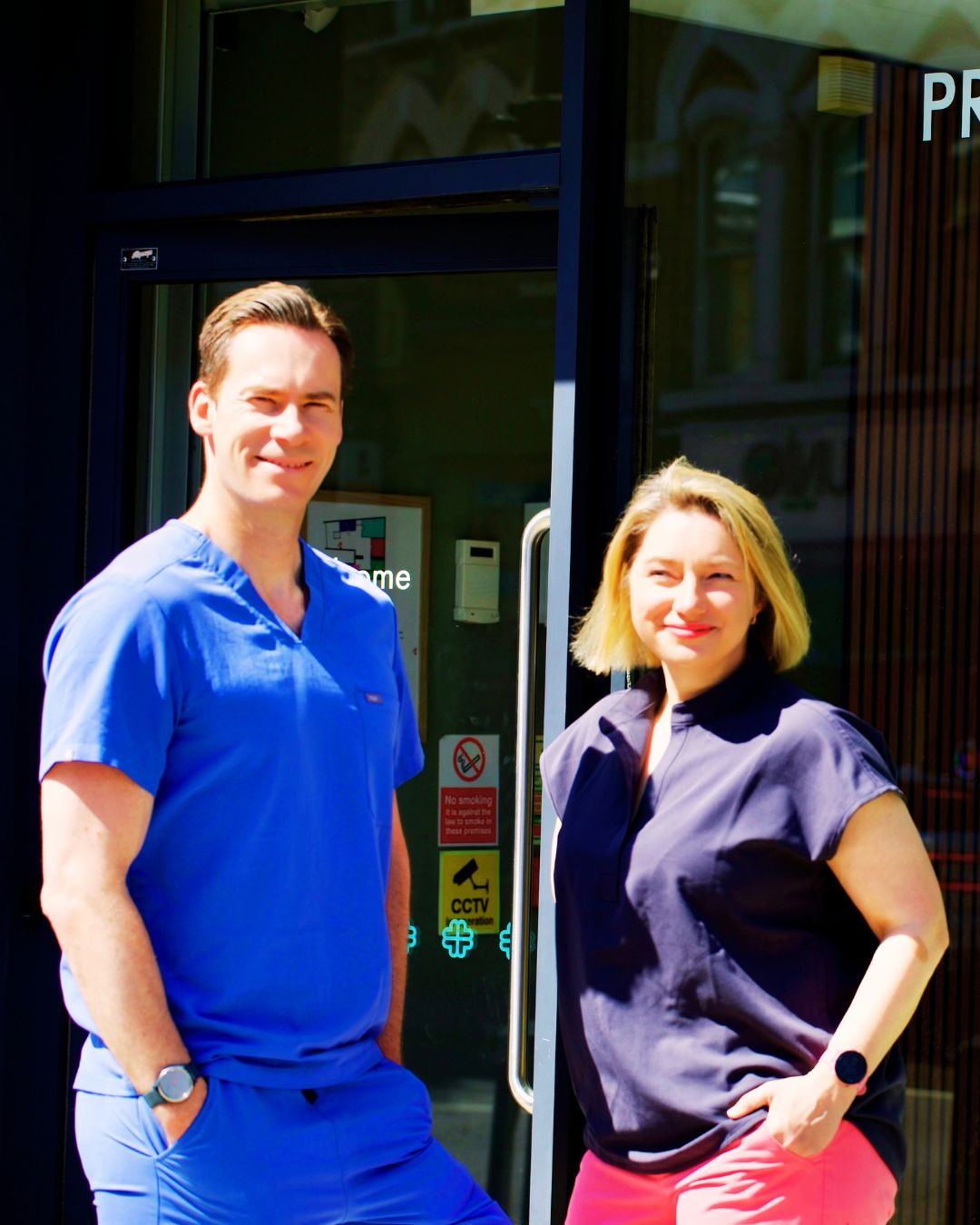
    A personal message from our Co-Founder Dr Lucy

    When Hugh and I founded Coyne Medical over 5 years ago a key part of our dream was to create a family medical practice that embraced preventative healthcare using the latest tools and technology.

    This year we have been excited to be working on bringing genetic screening for cancer and cardiac disease into the practice. We see your genetics as another key piece of information that forms part of 21st-century health screening, in the same way as knowing your blood pressure and cholesterol.

    1 in 6 healthy adults will receive a genetic screening result that shows that they are at high risk of disease. I was not expecting to be one of those people. I recently received a result that puts me at high risk of certain illnesses, especially breast cancer.  Having seen so many women face breast cancer I feel incredibly fortunate to have received this result whilst I am still healthy. I have made the decision to go ahead with a risk-reducing mastectomy this week.

    I will be taking a short break from work whilst I recover from surgery. I know we have a truly excellent team and that everyone will be very well cared for but I will miss my patients and colleagues enormously. I love my job and can’t wait to be back with even more passion for bringing the best medical care to our patients. I look forward to seeing you all soon.

    My very best,

    Lucy

    British Society for Genetic Medicine  ·  European Atherosclerosis Society  · 
    Independent Doctors Federation

    As seen in BBC, The Guardian, Women’s Health, The Times and Tatler

    For educational purposes. This article is written by a practising GP and is intended to inform, not replace a consultation with your own doctor. It does not constitute medical advice. A note on clinical guidelines: Coyne Medical is an independent private clinic. Our approach is guided by the best available evidence, tailored to each individual. This may go beyond standard NHS or NICE guidance, which is designed for population-level care and weighted by resource constraints.