Category: Nutrition & Lifestyle

  • The Link Between Alcohol Intake and Longevity: Insights from a Systematic Review and Meta-Analysis

    The Link Between Alcohol Intake and Longevity: Insights from a Systematic Review and Meta-Analysis

    Alcohol consumption has been a controversial topic in the health and wellness community for years. While some studies have suggested that moderate alcohol consumption can have health benefits, others have found a strong association between alcohol consumption and all-cause mortality. A recent systematic review and meta-analysis of 107 cohort studies conducted between 1980 and 2021 sheds new light on this topic and provides valuable insights into the association between alcohol intake and mortality, particularly in relation to longevity and healthspan.

    The history of human alcohol consumption dates back far longer than controversy regarding its effect on longevity. Indeed, alcohol was sometimes the only safe liquid to drink when clean drinking water was a rarity. Alcohol consumption can be dated to the Neolithic period, around 10,000 BCE. Archaeological evidence suggests that humans in the Middle East and China were fermenting beverages from ingredients like grapes, rice, and honey during this time. The earliest evidence of a specific alcoholic beverage is a 9,000-year-old Chinese fermented beverage made from rice, honey, and fruit. Other ancient fermented beverages include mead made from honey and wine made from grapes. The consumption of alcoholic beverages has been an important part of human culture for thousands of years.

    Sumeria, located in modern-day Iraq, was one of the earliest civilisations in the world, and its people were known for their advancements in agriculture, metallurgy, and writing.

    Sumerians were skilled brewers and consumed beer on a daily basis. They brewed their beer from barley, which was a staple crop in the region. The beer was made by baking barley bread, crumbling it, and then soaking it in water. The mixture was then left to ferment, with the natural yeast present in the air causing the liquid to turn into beer.

    Beer was an important part of Sumerian culture, and it was consumed during religious ceremonies, as well as in everyday life. The Sumerians even had a goddess of beer, named Ninkasi, who was worshipped for her ability to provide them with the drink.

    Alcohol consumption has been around for thousands of years. I have always thought it odd that something that has endured for so long could be dangerous in moderation. The objective of this recent study was to investigate the association between alcohol use and all-cause mortality. It also had another objective. To find out how sources of bias may change results. Sources of bias include, “former drinker bias” where previous drinkers are lumped together with lifelong abstainers. The data sources were a systematic search of PubMed and Web of Science, which identified studies published between January 1980 and July 2021. Cohort studies were identified by systematic review to facilitate comparisons of studies with and without some degree of controls for biases affecting distinctions between abstainers and drinkers.

    The study identified 107 studies of alcohol use and all-cause mortality published from 1980 to July 2021, with 4,838,825 participants and 425,564 deaths available for analysis. Mixed linear regression models were used to model relative risks, first pooled for all studies and then stratified by cohort median age (<56 vs ≥56 years) and sex (male vs female). The data were analyzed from September 2021 to August 2022.

    The study found that higher amounts of alcohol consumption were associated with an increased risk of all-cause mortality. This finding was statistically significant, indicating that excessive alcohol consumption can have serious health consequences. The study also revealed that there was a reduction in the all-cause mortality rate among occasional drinkers compared with nondrinkers, but this finding was not statistically significant. This finding confirms a J-shaped risk. That is, there is a protective association at low amounts of alcohol and increasing risk at higher amounts. Interestingly, J-shaped curves appear a lot in longevity. Particularly in relation to exercise and longevity. 

    The results of the study were then further analysed based on sex, and it was found that females had an increased risk of all-cause mortality at lower levels of alcohol consumption. This is an important finding as it highlights the need to consider sex-specific recommendations for alcohol consumption to promote longevity and healthspan.

    The study also compared its results with those of previous meta-analyses and found that the risk estimates may have been affected by the number and quality of studies available at the time, especially those for women and younger cohorts. This highlights how important it is to continue to conduct high-quality studies on the association between alcohol use and mortality to better understand its effects on longevity and healthspan.

    This updated systematic review and meta-analysis provides the best current evidence that daily low or moderate alcohol intake is not significantly associated with all-cause mortality risk, while the increased risk is evident at higher consumption levels, starting at lower levels for women than men. The study suggests that drinking more than 25 g, or 3 UK units, of alcohol per day or more is associated with an increased risk of mortality. 3 units are just over a pint of 4% beer or a small glass of wine. This is a critical finding for improving longevity and healthspan given that excessive alcohol consumption can lead to numerous health problems, including liver disease, cancer, and cardiovascular disease. In the context of human history, the study findings make sense when it is considered that for most of human history beer had a low alcohol content. 

    British Association of Sports and Exercise Medicine  ·  European Atherosclerosis Society  · 
    Independent Doctors Federation

    As seen in The Independent, The Daily Mail and Tatler

    For educational purposes. This article is written by a practising GP and is intended to inform, not replace a consultation with your own doctor. It does not constitute medical advice. A note on clinical guidelines: Coyne Medical is an independent private clinic. Our approach is guided by the best available evidence, tailored to each individual. This may go beyond standard NHS or NICE guidance, which is designed for population-level care and weighted by resource constraints.
  • Small Dietary Changes, Big Health Benefits: Lowering Cancer Risk with Non-Processed Foods

    Small Dietary Changes, Big Health Benefits: Lowering Cancer Risk with Non-Processed Foods

    Are you concerned about your cancer risk? A new study from the European Prospective Investigation into Cancer and Nutrition (EPIC) suggests that making a small change to your diet may significantly reduce your risk of cancer and thus improve longevity.

    The study found that when 10% of ultra-processed foods were replaced with non-processed foods, the overall risk of cancer and of specific cancers, such as colon and postmenopausal breast cancers, decreased. Crucially, these results held true even when adjusted for other risk factors for cancer such as BMI, alcohol and dietary intake, and food quality.

    So what are ultra-processed foods? They include foods like processed meats, fizzy drinks, packaged snacks, and ready meals. These foods typically contain eye-wateringly high levels of added sugar, salt, and fat, along with artificial colours, flavours, and preservatives. Unfortunately, these food have also been designed to taste great. 

    The study’s findings suggest that the processing of food may play a role in cancer development. By replacing just a small portion of ultra-processed foods with non-processed options, you may be able to reduce your cancer risk.

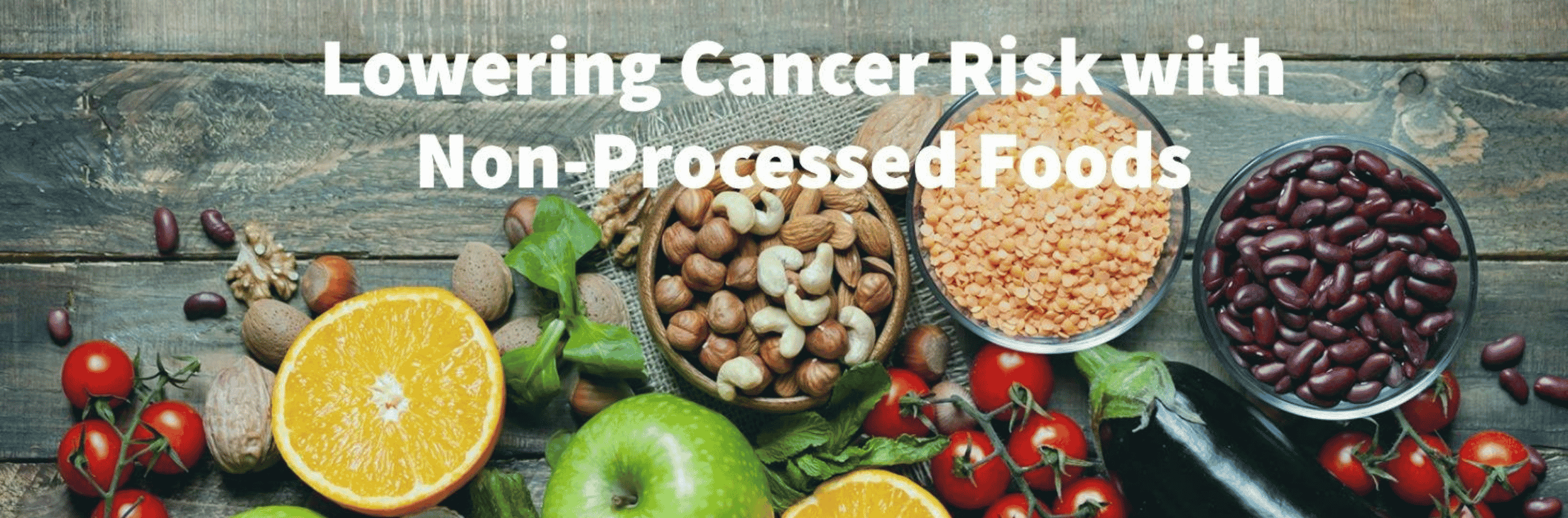
    Non-processed foods, by contrast, are foods that are minimally processed and remain close to their natural state. Examples, of course, include fruits, vegetables, whole grains, nuts, and seeds.

    The EPIC study is a large-scale epidemiological study that has investigated the association between dietary intake and cancer risk. The study recruited over 500,000 participants from 23 centres across 10 European countries between 1991 and 2001. Participants completed dietary questionnaires and were followed up for an average of 15 years. The study used the NOVA food processing classification system to categorise foods based on their level of processing. This system categorises foods into four groups: unprocessed or minimally processed foods, processed culinary ingredients, processed foods, and ultra-processed foods.

    The study found that a 10% increase in the proportion of ultra-processed foods in the diet was associated with a 12% increase in overall cancer risk. In contrast, a 10% increase in the proportion of unprocessed or minimally processed foods was associated with a 10% decrease in overall cancer risk. The study also found that a higher intake of ultra-processed foods was associated with an increased risk of specific types of cancer, including breast, colorectal, and throat cancer.

    Overall, the study provides strong evidence that reducing the intake of ultra-processed foods and increasing the intake of unprocessed or minimally processed foods may lower the risk of developing cancer. It’s important to note that this study was a prospective cohort substitution study, meaning that it didn’t directly measure the effects of diet on cancer risk. Rather, it analysed the effects of substituting certain foods in the diet with other foods.

    Despite this limitation, the study’s findings remain compelling. If you’re looking to reduce your cancer risk, consider making small changes to your diet. Replace processed snacks with fresh fruits or veggies or nuts, swap sugary drinks for water (I drink a lot of naturally flavoured sparkling water) or unsweetened tea, and choose whole grains over refined grains. By making these simple changes, you may be able to reduce your cancer risk and improve your overall healthspan.

    British Association of Sports and Exercise Medicine  ·  European Atherosclerosis Society  · 
    Independent Doctors Federation

    As seen in The Independent, The Daily Mail and Tatler

    For educational purposes. This article is written by a practising GP and is intended to inform, not replace a consultation with your own doctor. It does not constitute medical advice. A note on clinical guidelines: Coyne Medical is an independent private clinic. Our approach is guided by the best available evidence, tailored to each individual. This may go beyond standard NHS or NICE guidance, which is designed for population-level care and weighted by resource constraints.
  • Squatting For Beginners

    Squatting For Beginners

    Squatting is Good For You!

    Fundamental movements are movements that are essential for maintaining independent living and enjoying exercise. They include movements such as squatting, lunging, running and hanging. Learning the correct technique to perform fundamental movements is known to reduce the risk of injury in children. It is not only children who benefit from proficiency in these movements. To maintain balance, and thus independence, and to avoid injury, older adults must maintain their ability to perform fundamental movements. 

    Squatting is a particularly important exercise. It is not only foundational to sporting activity but it is also crucial to everyday tasks such as sitting and lifting. Getting up from a sitting is a fundamental task for living independently into old age. The longer we can perform a squat, the longer we will remain independent in old age. 

    Squatting activates the largest muscles in our bodies. The quads, glutes, hamstrings, and calf muscles are all activated during a squat. These large muscles are important not only for movement and balance but also for our metabolism. Muscles act as a store of glucose. They are therefore crucial to how our bodies handle sugar. 

    A squat, when performed correctly, does not compromise the structural integrity of the knees. In fact, it can enhance our stability. This is crucial, as maintaining balance and stability becomes increasingly important as we age. Falling in old age can have disastrous consequences. In addition, squatting, when performed correctly, can improve the stability of the knee and reduce the risk of sports injuries. Being able to squat correctly is a prerequisite to being able to perform more ballistic, explosive movements such as box jumps and plyometrics. The squat mimics the explosive movements required in many sports. Thus, improved squatting enhances sporting performance. 

    Due to its importance in everyday life and because it activates the largest muscles in the body, squatting is fundamental to any resistance training program. Squatting also acts as a useful tool in the doctor’s, physiotherapist’s, or osteopath’s office to screen for any issues with movement mechanics. This is because the squat is what is known as a “compound manoeuvre.” Compound exercises are loved by physical trainers because they require the use of several muscle groups working in collaboration. These exercises are incredibly useful for building muscle mass, strength, and power. As it is a compound movement, squatting is incredibly useful for picking out biomechanical problems. These issues can be due to a lack of muscle strength, an imbalance of strength on each side of the body, unstable joints (also due to a lack of strength), and a lack of joint and muscle flexibility. 

    How to perform a squat

    It is highly recommended that you get an experienced personal trainer or physical therapist to observe your squat technique. This can give you the appropriate cues and feedback to ensure rock-solid technique. It can be really helpful to record your squat movements from the front and the side so that you can see any errors that you are making. 

    If you are new to squatting, you can just use your body weight. Ideally, use a dowel or a light (2.5 kg) strength bar. This allows you to begin in the same position that you will progress to when increasing the weight that you are squatting. Using a cylindrical dowel or light weight bar also engages the muscles around the scapula, helping to stabilise the upper body. 

    Bar – Squatting with weights

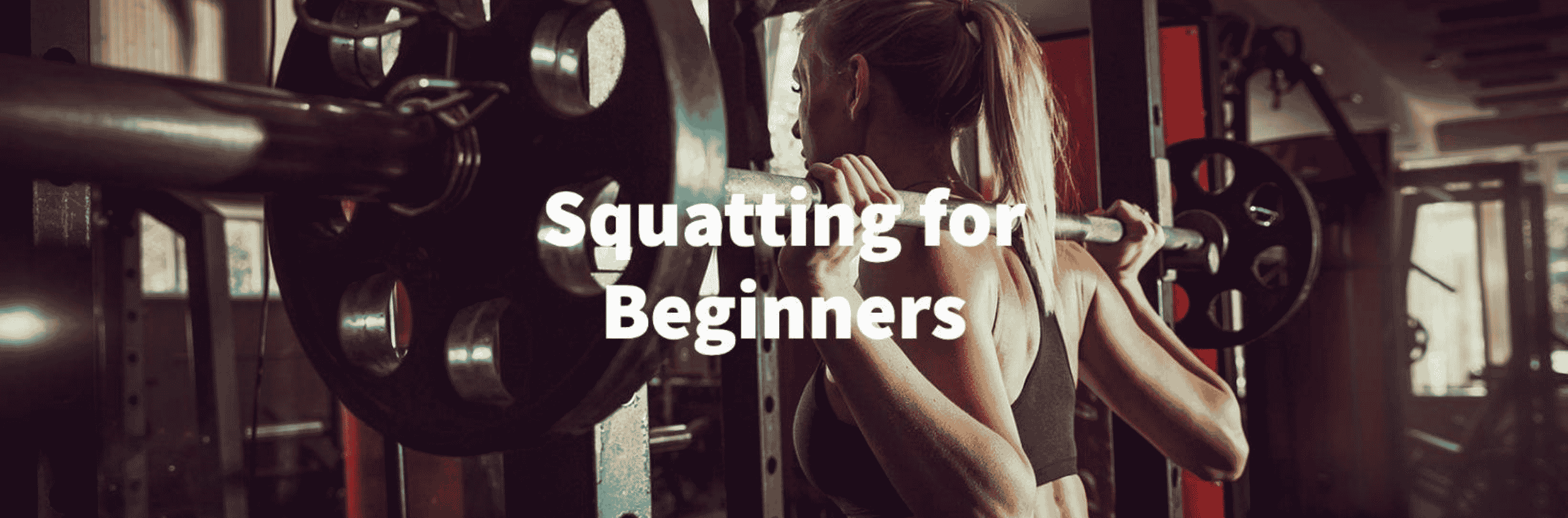
    Begin in a standing position with your feet flat on the floor. Your knees and hips should be in a neutral position, and your spine should be upright with its natural curves preserved. Grip the bar or dowel with the palms facing forward and slightly wider than shoulder width. The bar should rest just below the neck on the upper back. A good tip when using a bar is to “bend the bar.” This action helps brace the torse and improves squat performance. Keep your wrists straight and your forearms parallel to your torso. 

    Stance 

    Stand with your heels shoulder-width apart and your toes pointing forward or slightly outward by no more than ten degrees.

    Breathing 

    Prior to beginning the downward squat motion, breathe in through your nose and down into your belly to about 80% of a full breath. This increases the pressure in the abdomen and helps prepare and brace the spine for the load. Breathe out through the mouth when you are coming back up. This helps to negate the need for a belt.

    Squat Motion

    The descent phase of the squat begins with “breaking the hips.” The motion is that of sitting down while sticking your bum out. It is almost as though you are trying to sit on a chair that is just too far away. The goal should be to keep your bum as far back from your ankles as you can while maintaining an upright torso. The distance between the hips and shoulders should remain constant. The heels should bear the majority of your body weight. The ideal finishing position is with the thighs just below parallel to the ground. The thighs going past the line parallel to the ground are not more likely to result in injury. The speed of the ascent should be 2-4 times the speed of the descent. 

    The upward motion follows the same path as the downward motion. The glutes, or bum muscles, should be the primary driver of the motion. Again, the low back should be kept stiff, and the shoulder and hips should be at the same distance throughout. The weight should be in the heels (I wear shoes with a very minimalist sole to facilitate this although some people squat without shoes). 

    The main, albeit weird, mental cue I think of when performing a squat is that my buns are cracking a walnut. To cue getting my bum out far enough, I imagine that someone could place a walnut between my bum cheeks when I am at the lowest point of the squat (what a job that would be!). I then imagine that I am crushing that walnut with my bum cheeks in the ascent phase. 

    Avoiding Pitfalls

    The squat is a complex movement. There are several ways it can go wrong and result in injury. Here are a few pointers to help maintain the correct technique. 

    Head Position: The gaze should be aimed forwards, and the neck should be perpendicular to the ground. 

    Chest: The chest should be up and the shoulders should be back. So if you have a logo on your t-shirt, you should be able to see it in the mirror. 

    Trunk/Middle: Your trunk should be in line with your shins at all times. 

    Hips: If you are squatting in the mirror, you should see that your hips should be level and parallel to the ground. 

    Knees: Your knees should travel in line with your second toe and should not tilt inward past the inside of your ankle. 

    Feet: The entire sole of the foot should remain in contact with the ground throughout. 

    Squatting is, I think, the most important resistance exercise. If done correctly, it can improve athletic performance, reduce the risk of injury, maintain independence, and improve metabolism. But it is really important to do it correctly. Start with no weight or a very light weight. Ideally, have an experienced personal trainer or physiotherapist observe your squat motion. 

    British Association of Sports and Exercise Medicine  ·  European Atherosclerosis Society  · 
    Independent Doctors Federation

    As seen in The Independent, The Daily Mail and Tatler

    For educational purposes. This article is written by a practising GP and is intended to inform, not replace a consultation with your own doctor. It does not constitute medical advice. A note on clinical guidelines: Coyne Medical is an independent private clinic. Our approach is guided by the best available evidence, tailored to each individual. This may go beyond standard NHS or NICE guidance, which is designed for population-level care and weighted by resource constraints.

  • The Ins and Outs of Self Care

    The Ins and Outs of Self Care

    You may have heard the concept of ‘self-care’ being bandied about but what does that really mean? Yes, we understand the basic principle of self-care however how can it be put into practice, do we need it and honestly, how can it help?

    Life can be hectic, taking a toll on our physical and mental health. We all suffer from stress, pressure and the need to meet expectation yet constant stress uses up our adrenaline and cortisol leaving our energy and resilience levels low. Lack of time for ourselves and quiet can make us irritable, impact out interactions with friends and family and make us less productive.

    Even though I am a doctor and therefore ought to be aware of how to ‘look after myself’ it can be incredibly difficult to implement changes that may be ‘good for us’. Everyone experiences stress differently meaning forms of management can be different for everyone.

    When it comes to self-care, it is undoubtedly a very personal issue, only you can know when you are running low or struggling. Therefore to begin with, in the first noticeable instance, make a note of what keeps coming up so the ability to tackle this stressor is maximised.

    However, until these stressors can be identified and acted upon, here I will give you a few tips that I have found useful for me and my family. These are tiny baby steps that each member of my family has used to make a little more space and positivity in our lives and that enhance our overall well-being.

    I am a firm believer in taking responsibility for your health and wellbeing, being your own advocate and taking control when things feel like they are running riot.

    Tip 1 – Reframe things in your mind

    I have been known to grumble at getting up in the morning to prepare my daughter’s breakfast. Sometimes working a late shift provides even less incentive to do so, making a lie in way more attractive. Historically, I felt duty bound to make breakfast as the guilt would slowly creep in if I didn’t. This then manifested in me being grumpy and snippy with my daughter.

    After attending some training on improving happiness and cognitive behavioural therapy, I decided to try the concept of ‘reframing the situation’. This simply made me change my way of thinking to, the decision to get up and make breakfast for my child is mine. I could do it with grace or grumpiness. I thought about how much I would miss her when she leaves home and how I will miss seeing her in the morning. Just thinking about the situation in this way has made me positively jolly about getting her breakfast in the morning. It is small isn’t it, nothing medically ground breaking, but it makes my life (and by default the rest of my family’s lives) better.

    Tip 2 – Take ownership of your health

    I have recently lost some very dear friends to cancer and see people daily who struggle with illness. We don’t have control over many aspects of our health, but we are fortunate enough to have some tools in our armoury.

    I was spurred into action by the loss of my friends, I had my cervical smear, colonoscopy (as I was aware of my strong family history of colon cancer), general blood tests and a mammogram. You do have a responsibility to yourself and your loved ones to look after yourself and to me, this was my way of doing so. Don’t put it off if you know there is a susceptibility towards an illness in your family, see your doctor and modify your risk.

    If you are smoking, maybe consider for a moment if this is something you might try to stop this year. If your diet and weight are putting you at increased risk of cardiac events or diabetes, what might motivate you to change your lifestyle? Figuring out your motivation, sticking to it and taking responsibility for yourself is important for you and you alone. Be it wanting to get into an item of clothing, or so you can be around for your kids, find your motivation and stick with it.

    Tip 3 – Technology

    I despair at the time my daughter wastes on her phone. If she just studied half as much she would be a genius. I am being facetious – there is increasing evidence that social media and being exposed to the constant stream of Instagram, Snapchat, trolling, comparing and selfying puts our children’s mental health at risk.

    I have seen the highs and lows of it in my own child. When it comes to studying and phones, my daughter recently showed me an app called Forest, where she can decide the length of time the app is active so that her phone is inaccessible to her friends and herself. She sets herself targets, gets rewarded by the app, she has taken control of time spent off the phone and in doing so does something constructive. However, I can’t help but think, is this where we are now when it comes to technology? Are we that immersed? I think this realisation is one of the hardest, as once we can get there, break away and give our minds a break, we really are helping our own mental health. Try it, I dare you!

    Tip 4 – Exercise

    It is old news but it’s true. There is no arguing the evidence in favour of exercise in terms of improving health outcomes in so many parameters. Exercise is used to improve outcomes after a heart attack or breast cancer, to improve mood disorders or stave off immobility and pain brought on by osteoarthritis. The science is there, this is proven, however somehow we all know that come what may there is just not enough time in a day to get everything done.

    I don’t have much spare time in my life, however I choose to stick on my headphones, listen to podcasts and jog everywhere. I put on my rucksack, pack light and change for work or dinner when I arrive. My friends think I’m a bit odd (and probably sweaty) but it makes me feel relaxed. I solve problems in my mind as I go and love running past stationary buses and traffic jams. My husband is a walker, if he is stressed he gets out of the house and walks, day or night.

    The thing with finding the time is that you need to find your niche. When you find exercise that you enjoy, you are more likely to want to do it and therefore more likely to find time for it. Find your thing and go for it!

    These are the small self-care efforts we make in our house. It is about taking charge of your wellbeing and actively finding a bit of peace and positivity, the act of taking control and participating in your own sense of wellness is very empowering.

    British Association of Sports and Exercise Medicine  ·  European Atherosclerosis Society  · 
    Independent Doctors Federation

    As seen in The Independent, The Daily Mail and Tatler

    For educational purposes. This article is written by a practising GP and is intended to inform, not replace a consultation with your own doctor. It does not constitute medical advice. A note on clinical guidelines: Coyne Medical is an independent private clinic. Our approach is guided by the best available evidence, tailored to each individual. This may go beyond standard NHS or NICE guidance, which is designed for population-level care and weighted by resource constraints.

  • How to best tackle jet lag – travel like a pro

    How to best tackle jet lag – travel like a pro

    Jet lag is a relatively recent ailment for humans to suffer. It is one of many conditions that has its origins in rapid technological advancement. Transcontinental travel via jet planes brought with them a touch of glamour and thrill of exploring the globe as well as a particularly annoying and pervasive fatigue.

    Jet lag can cause a whole host of undesirable effects including fatigue, apathy, insomnia, loss of appetite and bowel irregularities. So, what can be done about it?

    Your body can adapt to a new time zone by about one hour for every day you have been in a new time zone. Unfortunately, there is no ‘cure’ for jet lag. In conquering jet lag, the aim is to speed the process up enough for your body clock to keep up with a jet engine.

    Start as you mean to go on

    One on the most effective ways to combat jet lag is, in the days prior to travel, adjust your sleeping and waking schedule incrementally towards that of the new time zone. It is notable that physically fit individuals tend to have a less hard time adjusting to jet lag.

    Travel Like a Pro

    During the flight several factors will help reduce jet lag. Continue to adjust you sleep schedule such that you plan wake up on the plane at least 12 hours before your intended bed time. Blue blocking glasses have been shown to effectively reduce the effects of bright light on melatonin. The ‘Vampire Hormone,’ melatonin is the hormone in our bodies that helps regulate timing of sleep. As its nickname suggests, it goes away in the light, hence the use of the blue blocking glasses to help optimise levels.

    To aid sleep, wear loose fitting and comfortable clothing minimise the use of electronic devices, use an eye mask, neck pillow and noise cancelling headphones. Avoid caffeine and alcohol, which can prevent deep sleep.

    When you wake up on the flight, firstly do some gentle exercise such as walking and stretching and then watch a film, the blue light from the screen with stimulate the brain into thinking it’s daylight.

    Fit in with the locals

    When it comes to jet leg “West is best.” When you travel Westbound you are asking your body to stay awake for a few hours more than usual. Far easier than asking it to sleep a few hours early. Also, the natural circadian rhythm of the human body is actually slightly longer than 24 hours making it easier to stay awake.

    When travelling Eastbound, get lots of daylight exposure, even if it is cloudy. Get your shades on in the afternoon and then surround yourself with darkness in the evening and at night. Exercise in the early evening to help bring sleep earlier is also a good way to lull your body into thinking it’s bed time.

    For Westbound travel, help your body stay awake by getting lots of sunlight without shades on in the afternoon. Exercise in the morning to promote alertness and delay sleep.

    Food is a very powerful trigger for resetting your time zone. So, eat at the regular mealtimes of locals in your new time zone.

    Have a good strategy for napping. This can be very successful in overcoming daytime fatigue in the new time zone. Keep naps to less than 30 minutes. That way you will not wake up feeling fatigued. Have a coffee immediately prior to a nap so that the caffeine can be working its way into your system while you sleep. Immediately after the nap wash your face and get some sunlight exposure.

    Bon Voyage!

    British Society for Genetic Medicine  ·  European Atherosclerosis Society  · 
    Independent Doctors Federation

    As seen in BBC, The Guardian, Women’s Health, The Times and Tatler

    For educational purposes. This article is written by a practising GP and is intended to inform, not replace a consultation with your own doctor. It does not constitute medical advice. A note on clinical guidelines: Coyne Medical is an independent private clinic. Our approach is guided by the best available evidence, tailored to each individual. This may go beyond standard NHS or NICE guidance, which is designed for population-level care and weighted by resource constraints.

  • How Stress Can Contribute to Injury

    How Stress Can Contribute to Injury

    How Stress Can Contribute to Injury

    A wide variety of stress related problems can increase your risk of injury. We give you the tools to combat them. 

    Our psychology is not only crucial to how we perform but also plays a vital role in predisposition to injury. While previously the mind and body would be regarded separately, modern medicine now understands that our thoughts, beliefs and emotions are intrinsically linked to our physiology. The mind and body closely interact. To try and heal the body without paying attention to the mind and vice versa is, well, mindless.

    Who is at risk?

    Generally, in medicine, we split stress into intrinsic and extrinsic. Intrinsic stress is the type of stress we place on ourselves while extrinsic stress is caused by external factors. An increased susceptibility to injury has be found to occur with both of these types of stress. People who tend to be generally anxious or of a nervous, jittery disposition and those who become very nervous or anxious in certain situations, such as before a big competition are more likely to suffer injury. It is not only those who inherently tend to be more anxious that have a higher injury risk. People with a “Type A” personality, those who are irritable or untrusting of others and people with have poor coping strategies to deal with stress also have a higher risk of injury. 

    External stress also plays a role in injury risk. Negative life events, daily hassles and strains and stress related to training itself such as feeling stiff or tense, feeling vulnerable to injury and feeling insufficient rested all contribute to an increased likelihood of injury. 

    How Does Stress Increase Risk of Injury?

    Stress impacts the body in a number of ways. The mind and body interact through a continuous flow of hormones, neurotransmitters and immune cells from one to the other. One such hormone, cortisol, is under the control of the hypothalamic-pituitary-adrenal (HPA) axis. This elegant axis uses a biofeedback loop whereby a gland in the brain senses what is going on in the body and then releases chemicals that stimulate the adrenal glands in our stomach to produce cortisol, the “stress hormone”. 

    Our brain also controls the release of a calming hormone. Oxytocin promotes growth and repair as well as creating feelings of well-being and reducing sensations of pain and anxiety. 

    Stress also impacts our injury risk in other ways. Athletes who are under stress have reduced peripheral vision compared to athletes who are not stressed. Pressure also makes athletes more distractible and increases muscle tension. These factors lead to increased fatigue and crucially impair both timing and coordination predisposing to injury. 

    Using the Mind To Prevent Injury

    It is vitally important to be proactive in using a psychological approach to prevent injury. There are several techniques that can help you become more mentally resilient. This not only can help reduce the risk of injury but also promote recovery and prevent and minor injury from becoming a major one. There are 5 key steps to managing stress and reducing risk of injury. 

    Check-In: It’s vital to understand what are the triggers are for you to feel good and what makes feel down. Knowing these triggers means that you can invest time in the tasks that will make you feel good and minimise the tasks that make you feel bad. A great tool for this is the Hassles and Uplifts Scale. This is completed before bed to establish what annoyed you that day and what gave you a lift. Another great tool you could use for this is the app Inflow. 

    Manage Load: By tracking your mood you can see when you are under the most stress. At these times you can mitigate injury risk by dialling down your training a little. A good tool to assist with this is measuring heart rate variability (HRV). The app HRV4Training is great for this. HRV gives us a clue as to how we have recovered from the previous day’s training and stress and can act as a guide to how much training load you should take on each day. 

    Build Resilience: Developing resilience to adverse life events is hugely important in both injury prevention and rehabilitation. When faced with a difficult or stressful situation use of the ABCDE Method can help you understand the relationship between negative life events and the thoughts and feelings that arise from them. This method helps challenge any negative beliefs you may have leaving you energised. 

    Chill-Out Like a Pro: Learning to relax properly is a real skill that takes time to develop. Different relaxation techniques suit different people and you can find what works best for you using by “checking-in” on your mood regularly. Meditation, mindfulness, reading, Centering, Progressive muscular relaxation, spending time with friends or family may all work. Experiment to find which works best for you. 

    Go with the Flow: Having an approach that is geared towards mastering a task or process is much more likely to lead to success and satisfaction than a task that is focused on a bettering someone else. A task mastery approach is also more likely to help you get in the “flow state” or “zone” where you become fully immersed in what you are doing and stresses and strains fall away. 

    Be Positive: There are a number of tools that can help your psychology become more “positive’ even if that is not your natural disposition. A gratitude journal filled out first thing in the morning listing three or four things that you are grateful for that day is a fantastic way to start the day. Throughout the day, performing small acts of kindness and generosity and engaging with other people by smiling and chatting is fantastic for maintaining positive feelings.

    British Association of Sports and Exercise Medicine  ·  European Atherosclerosis Society  · 
    Independent Doctors Federation

    As seen in The Independent, The Daily Mail and Tatler

    For educational purposes. This article is written by a practising GP and is intended to inform, not replace a consultation with your own doctor. It does not constitute medical advice. A note on clinical guidelines: Coyne Medical is an independent private clinic. Our approach is guided by the best available evidence, tailored to each individual. This may go beyond standard NHS or NICE guidance, which is designed for population-level care and weighted by resource constraints.

  • A Little Bit About Fillers

    A Little Bit About Fillers

    What are they? 

    Fillers are generally made of hyaluronic acid, which is a naturally occurring substance. The hyaluronic acid molecule pulls water to it, so it is very good at plumping. The appearance of hyaluronic acid fillers is that of a clear gel. It comes in various consistencies and a good injector will know which filler type to use depending on the intended outcome for the patient. 

    I think there can be a real concern amongst clients that their faces will look obviously “done” or “overdone”. As I’ve stated before, my ethos is towards the understated. Restoring a natural-looking volume to the face or creating a subtle lift, or enhancing existing contours. 

    What are fillers used for?

    Fillers can be used to replace lost volume due to loss of fat and bone caused by ageing. This creates a support structure that lifts the overlying tissues and skin. They can also be used to contour a face: to create a pleasing silhouette by enhancing cheeks, or the chin or the jawline. Hollows under the eyes can also be softened with filler. 

    Fillers can be used to volumize lips or to create more defined lips. Some fillers are injected more superficially and help to improve the composition of the collagen in the skin and to improve hydration. 

    I tend to use Juvederm products and really like their Vycross range. 

    Products such as Voluma, Volift, Volux, Volite are all from this range and have various benefits in terms of being long-lasting and not producing too much swelling after injecting. Some of these products contain local anaesthetic to produce a mild numbing effect to make injections more comfortable. 

    Is filler a good choice for me? 

    The decision to use a filler is a joint process between practitioner and client and should be based on what the client’s area of concern is and what the doctor can reasonably achieve. A natural outcome is what I aim for and is my general approach to aesthetics. 

    Hyaluronic acid fillers are safe as they mimic a substance that is naturally occuring in the human body. The products I use are reversible – so they can be dissolved if so desired for any reason. They do need to be injected by a practitioner with a good understanding of facial anatomy and who has an eye and passion for achieving a harmonious, holistic and bespoke “beauty” that the individual patient is trying to achieve.

    What about pain and downtime? 

    Filler injections can be done with needles or with blunt cannulas. The method used depends on where the filler is placed and what effect is trying to be achieved. Different patients respond differently to pain – generally, filler injections are well tolerated. The fillers with local anaesthetic in them will cause a more lasting numbing effect. The effects of filler can be seen immediately after treatment although there may be some redness, some mild bruising or swelling which will settle in a few days. There is no downtime and one should be able to return to normal activities 

    Please don’t hesitate to email me or arrange for an initial consultation to discuss any queries you have around the aesthetic treatments that we offer at Coyne Medical.

    For educational purposes. This article is written by a practising GP and is intended to inform, not replace a consultation with your own doctor. It does not constitute medical advice. A note on clinical guidelines: Coyne Medical is an independent private clinic. Our approach is guided by the best available evidence, tailored to each individual. This may go beyond standard NHS or NICE guidance, which is designed for population-level care and weighted by resource constraints.

  • How Your Day Influences Your Sleep

    How Your Day Influences Your Sleep

    A good night’s sleep starts in the morning. Try to have a consistent time for waking up. Get up early and get your body moving. 

    Sleep scientists talk of building “sleep pressure.” Exercise and getting up early increases physical fatigue and help build this sleep pressure throughout the day. I’m a huge fan of resistance exercise for a variety of reasons relating to its benefits to health and pumping iron has also been shown to improve sleep quality. Long-term aerobic exercise in previously sedentary individuals with insomnia has been found to accelerate the time it takes to get to sleep, improve sleep quality and increase alertness in the mornings. However, it doesn’t take months for exercise to have an effect on sleep. Researchers have also found that even in the short term moderate-intensity aerobic exercise improves sleep as well as reducing anxiety prior to sleepResearchers in Boston carried out a meta-analysis to establish the effects of exercise in both the short term and the long term. The good news is that exercise has beneficial effects quickly, and if you maintain exercise these benefits are enhanced. 

    In an experimental study, researchers assessed whether exercise could be used as a treatment for people with insomnia. Not only did they find that exercise was an effective intervention in treating insomnia but also they found a linear relationship between the amount of exercise and sleep. This means that as levels of exercise increased, sleep improved. So is it the case that the fitter you are the better you sleep?

    Researchers investigated a large population of mostly white, middle-class people in Dallas, Texas to answer this question. This study was what is known as a prospective study. They recruited a group of volunteers and tracked their health over a long period of time. Between 1971 and 2006 the volunteers had 4 medical examinations as their health was monitored by researchers. They had the participants perform a maximal treadmill test. Four times. That is, they had the study participants run on a treadmill until they either gave up or were stopped from running anymore on medical grounds by the attending doctor. Four times. 

    The researchers discovered that between the second and fourth visits, which were typically when the participants were aged between 51 and 56 years of age, for every minute of a reduced time to exhaustion on the treadmill there was an increase in sleep complaints. 

    In the centre of Norway, is the county of Trøndelag. This region is widely known for its beautiful rolling countryside with stunning fjords and inlets, the hip, tech-hub Trondheim and it’s ‘foodie’ culture. It is also known for one of the largest health studies ever performed. The HUNT study, to give it its acronym, has been going on since 1984. The local population are very engaged in the study, and they must be given that over 4000 of them volunteered to undertake V02 max testing. This is a fitness test, regarded as the gold standard test of fitness, undertaken on a treadmill or bike while physiological measurements are taken. The test continues until exhaustion. A significant proportion of the study participants did not reach VO2 max so the researchers instead used the phrase VO2 peak. They found that there was an inverse association between fitness as measured by VO2 peak and insomnia symptoms.     

    A significant impediment to good quality sleep is sleep-disordered breathing (SDB). The most common and widely known form of SBD is Obstructive Sleep Apnoea (OSA). I am always extremely vigilant of OSA in my practice as it is often overlooked and can have profound effects. It occurs in 4% of men and 2% of women in Western countries. It is widely known that it causes marked daytime sleepiness. Obviously, this can shorten lifespan by predisposing to accidents. In addition, it can have more subtle effects. OSA increases the risk of a multitude of health conditions including high blood pressure, heart disease, stroke, metabolic syndrome and diabetes. A meta-analysis of 5 studies showed that exercise reduced the severity of obstructive sleep apnoea by 32%. This was completely independent of any effect on body mass index (BMI).   

    In terms of when it is best to exercise in order to facilitate sleep, the studies are varied. Researchers in Japan studied the effect of exercise at different times of day on sleep and various physiological parameters. They concluded that morning exercise would be more beneficial as it stimulated the rest and restore side of the nervous system while evening exercise stimulated the fight and flight side of the nervous system. However, they did not show any difference in sleep parameters between morning and evening exercisers. Evening resistance exercise has been shown not to have a detrimental effect on falling asleep. The same researchers did find that exercising in the morning made it easiest to fall asleep while exercising in the evening made it easier to stay asleep. Another study found that morning exercise was associated with shorter time taken to fall asleep and few nighttime awakenings after early morning exercise. The subjects of this study were pre-hypertensives in middle age and hence, this is the study that is most applicable to people of middle age. 

    So we know that exercise helps sleep and it doesn’t take many exercise sessions to improve sleep. Research has found the more exercise we do the better we sleep. We also know that better fitness equates to better sleep. Not only this but exercise also improves obstructive sleep apnoea. It probably doesn’t matter too much when you exercise during the day but certainly avoid the period right before bed and it is likely that the earlier in the day you exercise the easier it will be to fall asleep.

    British Society for Genetic Medicine  ·  European Atherosclerosis Society  · 
    Independent Doctors Federation

    As seen in BBC, The Guardian, Women’s Health, The Times and Tatler

    For educational purposes. This article is written by a practising GP and is intended to inform, not replace a consultation with your own doctor. It does not constitute medical advice. A note on clinical guidelines: Coyne Medical is an independent private clinic. Our approach is guided by the best available evidence, tailored to each individual. This may go beyond standard NHS or NICE guidance, which is designed for population-level care and weighted by resource constraints.
  • How often do you need to have sex to get pregnant?

    How often do you need to have sex to get pregnant?

    How often do you need to have sex to have the best chance of getting pregnant?

    One of the most frequent problems we see as primary care physicians is couples having trouble trying to conceive. As a doctor, something that I find most gratifying is when I do a 6-week baby check having several months before having a consultation with the parents about how to optimize the chance of conception. Most good doctors, when advising couples on getting pregnant, will take a careful medical and lifestyle history to find out if there are any easily modifiable factors that may when addressed lead to an improvement in fertility. Thankfully, most of the time it really is just a matter of time before a couple conceives and the influence doctors have very little to do with it. Statistics show that 84% of couples having regular (at least three times per week) sexual intercourse will conceive within one year and 92% of couples within 2 years. 

    The birds and the bees

    An aspect that many couples find confusing is advice regarding the frequency and timing of sexual intercourse. There are innumerable sources of advice available but many lack quality of evidence or are confusing or contradictory. Knowledge of a few pointers of reproduction can help. Ovulation usually occurs 12 to 16 days before the first day of the next period. The egg lives for about 24 hours. Sperm can survive for up to 7 days. Therefore, for most couples ‘The Fertile Window,’ when the viability of sperm and the egg are at their highest, are the 6 days up to and including the day of ovulation. In terms of timing, the optimum time to have sex is 2 days before ovulation. A common mistake couples make is starting too late in the cycle.

    Little Soldiers

    A commonly held misconception (no pun) is that frequent ejaculations reduce semen quality. In fact, surprisingly, the opposite is the case. A study in 2005 that examined nearly 10,000 semen samples from men who were undergoing investigation for infertility found that even with daily ejaculation sperm concentration and movement remain normal. The same study found that optimal semen quality was found with no or only one day of abstinence from intercourse even in men who had low sperm counts.

    The most recent guidelines on fertility in the UK from NICE (National Institute of Clinical Excellence) advise couples to have intercourse every 2-3 days. This advice on the optimal frequency of intercourse to conceive is based on more vintage studies from 1953 and 1962. These studies suggest that frequent ejaculations might reduce sperm number and movement capability. However, as we have already seen, it has been shown that this is not the case. In addition, another study published in the New England Journal of Medicine also found no evidence that couples trying to conceive should in any way limit their frequency of intercourse. In fact, this study demonstrated that daily sex results in the highest chance of getting pregnant. This is the bottom line. Daily intercourse gives the highest chance of getting pregnant. 

    Don’t Stress

    Trying to get pregnant can be a stressful time and many couples wonder whether it will ever happen.  In particular, intercourse set at a specific time can become stressful and feel contrived. The stress of trying to get pregnant can actually reduce not only satisfaction but also frequency. This is why ovulation predictor kits which require couples to follow a strict schedule can be counter-productive. The most important advice that I could give about trying to conceive is to make a big effort to enjoy the process. Make it fun and exciting. Once you have your newborn at home with you the opportunities for this kind of excitement are considerably less. So make the most of it.

    If you can only manage every two days that is fine as the likelihood of success was almost as good compared to daily intercourse. Leaving it three days without intercourse on the basis of data from 69-year-old studies is more likely to result in a feeling that you are on a strict schedule and make the process less fun. Some couples might find that having frequent sex is stressful in itself and for these couples, ovulation predictor kits may offer a more useful guide.

    Let there be cuckoos…

    More frequent intercourse gives a higher chance of pregnancy and does not adversely affect the quality of semen. So don’t worry about delaying intercourse for three days during the narrow fertile window of 6 days as the guidelines suggest. Throw the ovulation predictor kit in the bin. Do all your going out for dinner, sleeping, and cinema trips (once COVID restrictions are lifted) while you can….. but most of all, please….. let there be love

    British Association of Sports and Exercise Medicine  ·  European Atherosclerosis Society  · 
    Independent Doctors Federation

    As seen in The Independent, The Daily Mail and Tatler

    For educational purposes. This article is written by a practising GP and is intended to inform, not replace a consultation with your own doctor. It does not constitute medical advice. A note on clinical guidelines: Coyne Medical is an independent private clinic. Our approach is guided by the best available evidence, tailored to each individual. This may go beyond standard NHS or NICE guidance, which is designed for population-level care and weighted by resource constraints.
  • Living Your Best Day, Every Day – Blending Ancient Wisdom With Modern Medical Evidence

    Living Your Best Day, Every Day – Blending Ancient Wisdom With Modern Medical Evidence

    One of the many culture wars occurring at the moment is the battle between two modern versions of ancient philosophy. On one side of the battle is modern Stoicism, also known somewhat disingenuously as “Silicon-Valley Sorticism,” advocated by the likes of writer and entrepreneur Tim Ferris and author Ryan Holiday. On the other side is modern Epicureanism.

    Ancient Stoicism, practised by Marcus Aurelius and Seneca, advocates that virtue is the only good and that to live a life of goodness one had to live in accordance with nature. Stoicism advocates self-mastery and resilience. Epicureanism is named after the ancient Greek philosopher Epicurius. This philosophy promotes the idea of seeking the absence of pain and fear and the attainment of tranquillity. This is achieved through seeking moderate sustained pleasure. Its modern interpretation sometimes conflates this with being a bon vivant. However, Epicureanism advocates against overindulgence which can lead to fear and anxiety. Think of it as being “Everything in moderation, including moderation.” 

    In the wake of the COVID-19 pandemic, there are now many articles on “Living your best life” and “Living your best average day.” This is essentially modern Epicureanism. Living a day that you would be happy to live over and over again. There is available modern medical evidence on how to live a life of tranquillity that is free from pain and anxiety. The evidence advocates daily practises that are designed to improve an individual’s physical and mental health. This evidence is not merely Epicurean as it also reflects some of the wisdom of the stoics. 

    A practice of the stoic Roman Emperor Marcus Aurelius was early waking. In living a life without fear and in tranquillity, rising early is integral. A study published in JAMA Psychiatry suggests that waking an hour earlier is associated with a reduced risk of depression (it is worth noting a big confounder of this study was that the early rising was genetically linked which may also point to a genetic predisposition to depression in later risers). Getting sufficient sleep is associated with less negative thinking and it has been shown that early risers are less prone to negative ruminations

    There is an abundance of medical evidence on the benefits of meditation. Although, meditation does not suit everyone. When the ancients described meditation it is more a form of contemplation rather than emptying the mind of thoughts. However people prefer to practice it, a period of reflection, contemplation, gratitude or simply tranquillity can have enormous benefits. Time spent reflecting also allows us to assess our priorities. If done early in the day, reflection allows us to prioritise what is most important to our happiness and, as far as possible, eliminate what makes us unhappy. 

    Several studies have suggested that spending time outdoors surrounded by nature can reduce stress and improve physical health and immune function. Reimagining your day so that not only do you exercise outdoors but also hold meetings or telephone conversations outdoors can allow you to garner these benefits. 

    Epicureans were believers in achieving happiness via negativa. That is in removing the things which made them unhappy. To this end, minimising exposure to social media is likely to be of benefit in pursuing a happy day. Indeed, there is evidence that social media usage can worsen people’s sense of satisfaction with their lives. Minimising social media and other distractions is also important to enhance our productivity. Other things to consider removing from your daily schedule might include unproductive meetings.

    Daily exercise has a multitude of enormous physical and mental health benefits. The Stoic philosopher Seneca was a proponent of what appears to be an ancient form of HIIT “short simple exercises which tire the body rapidly.” Epicureans also believed in practising daily exercise.  

    Nutrition is a central pillar of health. Synthesis of the scientific literature suggests that the optimal diet for health is one that is composed of foods that have a minimum of processing and is a “Pesco-Mediterranean” diet. That is, fish is the main meat, plenty of olive oil, leafy green veg, fresh fruit or nuts as snacks, other meats consumed should be good quality and the animal consumed ‘nose to tail’, water or coffee during the day and red wine at night. Such a diet is associated with reduced risk of cardiovascular disease, neurodegenerative disease, depression, cognitive decline, metabolic syndrome, diabetes and cancer. The stoic belief of living in accordance with nature can be fulfilled through nutrition by ensuring that what we eat is of high quality and locally and ethically sourced. Stoics practised restraint and to this end, intermittent fasting and time-restricted feeding can be beneficial. Time-restricted feeding, eating all of your calories for the day in an 8-hour or 12-hour window can be useful for weight loss and metabolism. It can also help decrease intra-abdominal fat. This ancient human adaptation also elicits powerful cellular responses that improve glucose metabolism and reduce systemic inflammation, and may also reduce risks of diabetes, CVD, cancer, and neurodegenerative diseases. It can also improve heart rate balance and heart rate variability. 

    There is also some emerging evidence that intermittent fasting may be of benefit in improving biomarkers of disease and be helpful in preserving learning and memory. Cicero observed that “need is what provides the seasoning for every and any appetite.” Hence, a period of fasting can make even the most simple of meals seem delicious. The Epicureans delighted in deriving enjoyment from simple pleasures. Taking the time to savour our food and contemplate its benefits enhances our days. Cheat meals are also important. These are something to indulge in so that we do not continuously crave them. As I said before, everything in moderation, including moderation. 

    British Association of Sports and Exercise Medicine  ·  European Atherosclerosis Society  · 
    Independent Doctors Federation

    As seen in The Independent, The Daily Mail and Tatler

    For educational purposes. This article is written by a practising GP and is intended to inform, not replace a consultation with your own doctor. It does not constitute medical advice. A note on clinical guidelines: Coyne Medical is an independent private clinic. Our approach is guided by the best available evidence, tailored to each individual. This may go beyond standard NHS or NICE guidance, which is designed for population-level care and weighted by resource constraints.