

Nutrition & Lifestyle Guides from our GPs
The evidence on diet and lifestyle is frequently oversimplified, often contradictory, and sometimes wrong by the time it reaches a headline.
Patients ask us about nutrition and lifestyle more than almost any other topic, and the answers are rarely as simple as the advice they have already read online. These guides look at what the research actually shows: on diet and cardiovascular risk, ultra-processed foods, supplements, alcohol, sleep, exercise, and the lifestyle factors with the strongest evidence behind them. We cover the topics we are asked about most in clinic, written by GPs who apply this thinking every day and who understand that sustainable change is more useful than a perfect protocol nobody follows.
Dr Hugh Coyne and Dr Lucy Hooper, GPs, Coyne Medical, Fulham, London
Our Approach
We try to separate signal from noise. The Mediterranean diet has decades of robust evidence behind it. Calcium supplements have a more complicated story. Cold plunges are interesting but the evidence is limited. We say so, clearly, rather than overstating what we know. Exercise remains the single most powerful longevity intervention available, and sleep is a clinical variable we take as seriously as blood pressure. These are not lifestyle opinions — they are clinical positions supported by evidence, and they inform how we advise patients in every consultation. These guides bring that thinking online, on topics from muscle growth and recovery to dietary sugar, alcohol, and what your wearable is actually telling you. Nutrition and lifestyle consultations can be discussed as part of any GP appointment or health screening package.
-

Nutritional Strategies for Effective Muscle Growth
Protein is the foundation but there is more to be gained from fine tuning your nutrition.
5–8 minutes -

Wearables and Apps-How to Track Your Body
Using wearables and apps on your phone can be helpful to monitor the body’s response to stress or training throughout the day. Although blood and salivary tests are available and genuinely more accurate in measuring stress responses through cortisol levels, these are not practical on a daily basis.
3–4 minutes
-

Moving to the UK from the United States: a guide to family health
What changes when your family moves from American healthcare to the NHS, what you need to arrange in your first few weeks, and where the gaps are that you may want to fill yourself. We have been looking after American and Canadian families in London since Coyne Medical opened in 2016, many of them here…
22–33 minutes -

Can You Still Eat Beef and Be Heart Healthy?
Is beef really heart healthy. Dr Hugh discusses a recent study.
4–6 minutes -

Ultra-Processed Foods: Are They Really That Bad for You
Are ultra-processed foods as bad as they are made out to be. Dr Hugh explains how they can affect your health.
3–4 minutes -
Nutritional Strategies for Effective Muscle Growth
Protein is the foundation but there is more to be gained from fine tuning your nutrition.
5–8 minutes -

A Closer Look At Calcium Supplements
Could your calcium supplement be doing more harm than good?
3–4 minutes -

Exercise: A Balanced Recipe for Longevity
What’s the best combination of exercise to help you live a longer life.
1–2 minutes -

Understanding heatstroke
Why do we feel sick in hot weather? How to prevent heat stroke.
4–6 minutes -

Personalising Coffee Intake for Optimal Health: Lessons from the CRAVE Trial
Do you really need to cut out coffee if you have palpitations?
2–3 minutes -

The Link Between Alcohol Intake and Longevity: Insights from a Systematic Review and Meta-Analysis
How much alcohol is really bad for us.
4–6 minutes -
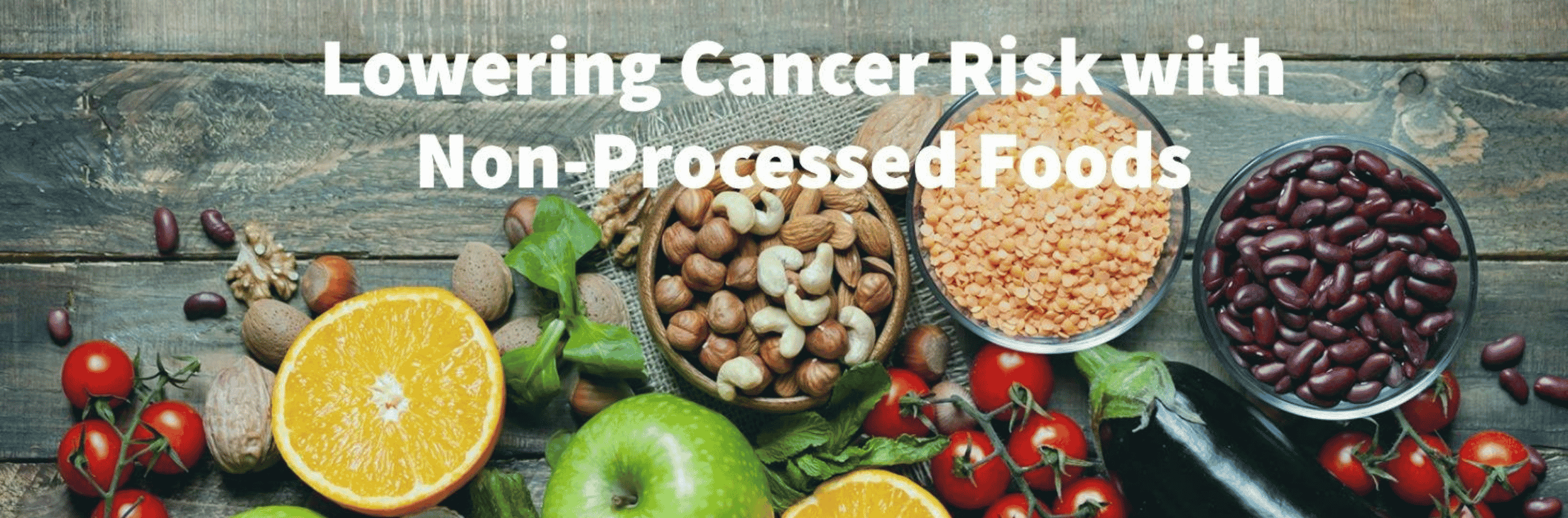
Small Dietary Changes, Big Health Benefits: Lowering Cancer Risk with Non-Processed Foods
Ditching Ultra-Processed Foods: A Key Strategy to Decrease Cancer Risk, New Research Suggests
2–3 minutes -

Squatting For Beginners
Squatting is one of the most important exercises that you can do. Find out why and how to do it.
5–8 minutes -

The Ins and Outs of Self Care
The Ins and Outs of Self Care.You may have heard the concept of ‘self-care’ being bandied about but what does that really mean? Yes, we understand the basic principle of self-care however how can it be put into practice, do we need it and honestly, how can it help?
5–7 minutes -

How to best tackle jet lag – travel like a pro
Travel Jet lag is a relatively recent ailment for humans to suffer. It is one of many conditions that has its origins in rapid technological advancement.
3–4 minutes -

How Stress Can Contribute to Injury
External stress also plays a role in injury risk. Negative life events, daily hassles and strains and stress related to training itself such as feeling stiff or tense, feeling vulnerable to injury and feeling insufficient.
4–6 minutes -

A Little Bit About Fillers
A Little Bit About Fillers.Dr Christina discusses her understated approach to dermal fillers to give the best possible outcomes for her clients.
2–3 minutes -

How Your Day Influences Your Sleep
A good night’s sleep starts in the morning. Try to have a consistent time for waking up. Get up early and get your body moving.
4–6 minutes -

How often do you need to have sex to get pregnant?
An aspect that many couples find confusing is advice regarding the frequency and timing of sexual intercourse. There are innumerable sources of advice available but many lack quality of evidence or are confusing or contradictory. Knowledge of a few pointers of reproduction can help.
3–5 minutes


Explore our other Health Guides
Cardiovascular Health · Cancer · Longevity and Healthspan · Child Health · Men’s Health · Women’s Health · Nutrition and Lifestyle · Lab Tests and Results