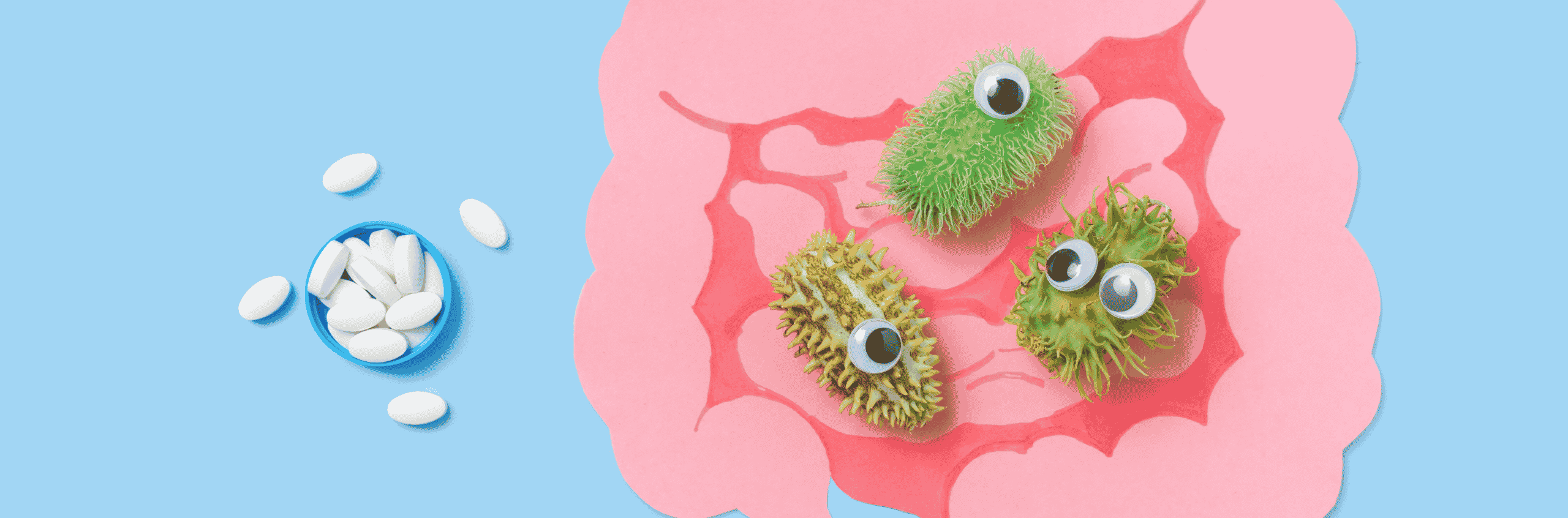
Is Your Gut Controlling Your Health? Why Gut Microbiome Testing is a Game-Changer
Just 1% of the DNA in our body is human, the rest belongs to the large community of microbes that live within our body. The richest area is in the gut. The gut microbiome is about much more than digestion, it has impacts on your metabolism, cancer risk, mood and much more. Read on to learn what your gut microbiome does and how gut microbiome testing could improve your health.
What is Your Gut Microbiome (And Why Does It Matter)?
The bacteria in your gut are not just passengers along for the ride, they have their own metabolism and complex connections. When you consume fibre, these bacteria digest it and produce short-chain fatty acids (SCFAs), like butyrate, propionate, and acetate. These SCFAs
These SCFAs are critical for your health. They:
- Act as the main energy source for your gut lining.
- Help maintain your “intestinal barrier,” keeping unwanted substances out of your bloodstream.
- Regulate inflammation throughout your body.
- Influence your lipid and glucose metabolism.
Understanding ‘Dysbiosis’: When Good Guts Go Bad
A healthy gut microbiome is balanced, it contains a wide variety of different species. This is important because the bacteria help to support each other, and make the microbiome more resilient. There are some key bacteria that we know are usually beneficial and associated with good health. Dysbiosis is the term used to indicate loss of healthy microbiome balance. This has impacts well beyond the gut and is associated with a wide range of chronic diseases, including obesity, type 2 diabetes, inflammatory bowel disease, cardiovascular disease, and even neurodegenerative disorders.
The Surprising Link: How Gut Health Affects Your Weight and Diabetes Risk
If you struggle with your weight, your microbiome might be a factor. Dysbiosis is linked to obesity and T2DM in several ways:
- Increased Energy Harvest: Some bacteria are too good at their job. They possess enzymes that break down indigestible fibres, extracting more calories from your food, which promotes weight gain.
- “Leaky Gut” and Inflammation: The microbiome has vital roles in keeping the gut barrier intact. The gut wall stops unwanted bacteria and other substances getting inside the body. A damaged gut barrier allows bacterial components, like lipopolysaccharide (LPS), to “leak” into your bloodstream. This triggers chronic, low-grade inflammation, chemical messengers trigger insulin resistance and metabolic syndrome. These changes to the metabolism mean it is easier to gain weight and harder to lose it.
Hormone Disruption: Your gut microbes can even alter the secretion of satiety signals like GLP-1. Made famous by weight loss medicines, like Mounjaro and Ozempic, GLP-1 is a key chemical signal to tell us we have had enough to eat.
Beyond Weight: Is Your Gut Linked to Inflammatory Bowel Disease?
Gut microbiome changes can affect our body in many ways.
Inflammatory Bowel Disease (IBD): We can actual spot specific patterns of gut organisms, microbiome signatures, which are linked to the future onset of inflammatory bowel disease such as Crohn’s disease. These changes can be seen up to 5 years before symptoms appear. This includes a decrease in anti-inflammatory bacteria. Bacteria like Roseburia intestinalis for example can increase the number of regulatory T cells, these cells are part of the immune system and help to control inflammation throughout the body. If you are lacking these ‘good’ bacteria it increases inflammation levels. ‘Bad’ bacteria like Ruminococcus torques, cause their impact by degrades the protective layer of mucus which lines the gut and helps protect it’s surface cells.
The Gut-Brain Axis:Depression & Mental Illness
We all know that familiar feeling of butterflies in the stomach before an exam. The links between our brain and gut are strong and multiple. We are now learning more about how these links go beyond nerves to include changes to chemical messengers in the bloodstream and brain. We know probiotics and a Mediterranean diet can be an important component of depression treatment, the microbiome is a key part of why those treatments work.
Studies show major differences in the gut bacteria of people with depression. This includes a reduction in anti-inflammatory, butyrate-producing bacteria like Faecalibacterium and Coprococcus. Increased numbers of bacteria such as Eggerthella have been linked to causing mood disorders like depression, they may work by changing the amounts of brain chemicals such as tryptophan and serotonin.
Cancer: from inflammation to DNA damage
We know that gut dysbiosis can impact your risk of cancer in multiple ways.
- Chronic inflammation
- Many of the changes we see in dysbiosis cause changes to the level of inflammation both in the gut and through immune system and chemical signals throughout the body.
- These systems go well beyond the gut to the brain, oral microbiome and the whole body.
- Genotoxins
- Bacteria such as Fusobacterium nucleatum are one change seen in dysbiosis. These are termed harmful bacteria because they produce toxins (e.g. colibactin). These ‘genotoxins’ can cause direct damage to the DNA in the cells of the gut lining. DNA damage is a critical step in allowing the cells to become cancerous.
- This process has been especially flagged as perhaps being key to early-onset colorectal cancers, those occurring under 50 years of age.
- Bacteria such as Fusobacterium nucleatum are one change seen in dysbiosis. These are termed harmful bacteria because they produce toxins (e.g. colibactin). These ‘genotoxins’ can cause direct damage to the DNA in the cells of the gut lining. DNA damage is a critical step in allowing the cells to become cancerous.
- Slowing the immune response
- Cytotoxic T cells, are a specific type of immune system cell that play a key role in killing harmful things such as bacteria, but also tumour (cancer) cells. In dysbiosis the changes can mean that the T cells are fewer and less effective at killing cancer cells.
- Beyond the gut
- Dysbiosis does not just affect your colorectal (bowel) cancer risk. It has also been linked to cancers of the breast, lung, liver, pancreas, prostate, cervix, urinary tract, skin, lymphoid tissues, and acute myeloid leukaemia.
The Gut-Autoimmune Connection: Is Your Immune System Being Confused?
Your gut and immune system are closely intertwined, they are constantly communicating with each other. Your gut is the largest part of the body in contact with the outside world, so it makes sense that up to 80% of your immune cells are found in the gut to protect your body from invaders like unhealthy bacteria. When you have a healthy microbiome balance the gut helps regulate the immune system, so it can differentiate between friend (your own body and good bacteria) and foe (pathogens).
When dysbiosis occurs, two key things can happen:
- Systemic Inflammation: An unbalanced microbiome drives chronic, body-wide inflammation.
- “Leaky Gut”: The intestinal barrier can be disrupted, allowing bacteria and metabolites to “leak” into the circulation.
This combination can confuse the immune system, leading it to mistakenly attack your body’s own tissues. This is the hallmark of autoimmune diseases like:
- Type 1 Diabetes: The loss of the gut barrier is well-documented as a trigger for the T-cell response, these are your own immune cells. In Type 1 Diabetes they attack beta cells in your pancreas that produce insulin. Destruction of your beta cells mean you can no longer produce your own insulin and need lifelong therapy.
- Rheumatoid Arthritis: Dysbiosis (like an increase in Prevotella copri bacteria) triggers the body to produce antibodies against it. But unfortunately the antibodies that are made to fight Prevotella can then make your immune system start to attack the joints, in a process called ‘molecular mimicry’.
- Multiple Sclerosis (MS): Strong links exist between dysbiosis and MS onset. The dysbiosis means there are less healthy bacteria, which digest fibre to produce butyrate. Lower butyrate levels means the gut barrier and the blood-brain barrier are disrupted, this lets more inflammatory cells reach the bloodstream and brain.
How Do You Test Your Gut Microbiome? The Answer is ‘Shotgun Metagenomics’
We can not take the guesswork out of your gut health. We now have the technology to let you test your gut microbiome. This is analysed by a fully UKAS-accredited laboratory.
The test is simple:
- You collect a stool sample conveniently at home using the provided kit.
- The lab uses a powerful technology called “shotgun metagenomics”.
- Unlike older methods, this technique sequences all the DNA present. This allows us to identify not just the bacteria, but also fungi and viruses. It doesn’t rely on growing or culturing them in a lab.
Your comprehensive report will then give you personalised, actionable insights and recommendations based on your unique results. If you are interested in discussing your gut health then make an appointment to see one of our doctors today for a consultation. The Gut Microbiome Test can be added to your GP consultation or health screening, the Test fee is £311, which includes the collection kit, sample delivery, laboratory analysis and personalised report.
5 Actionable Ways to Improve Your Gut Microbiome Health Today
While your test results will give you personalised targets, you can start supporting your microbiome right now with these evidence-based steps:
- Eat More Fibre: Aim for diverse, plant-based foods. The recommendation is for 30g per day, the average UK intake is about 18g so most of us have room for improvement.
- Try Prebiotics: These are foods that feed your good bacteria, not to be confused with probiotic supplements. Think garlic, onions, chicory root (Inulin), and Jerusalem artichokes. These contain special fibres which can’t be digested by us but instead are digested by our gut bacteria.
- Eat Fermented Foods: Add yogurt, kefir, and other fermented products to your diet. Find your favourite and make it a regular part of your nutrition routine. Kimchi is another firm favourite, check out this Dr Rupy recipe for inspiration.
- Exercise Regularly: Both aerobic and resistance training have been shown to improve gut biodiversity.
- Avoid Smoking and Limit Alcohol: both are well known to be harmful to gut microbiome health and it’s important to limit alcohol and avoid smoking altogether.

DR LUCY HOOPER
MB BS BSc MRCGP MA DRCOG DCH
Lucy is a GP and co-founder of Coyne Medical. She graduated with honours from Imperial College London, trained at St Mary’s Hospital, and holds a Master’s in Medical Ethics and Law. Her clinical interests span women’s health, preventive medicine, and genomics, with a particular focus on using advanced biomarkers to build a more complete picture of long-term health.
British Society for Genetic Medicine · European Atherosclerosis Society ·
Independent Doctors Federation
As seen in BBC, The Guardian, Women’s Health, The Times and Tatler
For educational purposes. This article is written by a practising GP and is intended to inform, not replace a consultation with your own doctor. It does not constitute medical advice. A note on clinical guidelines: Coyne Medical is an independent private clinic. Our approach is guided by the best available evidence, tailored to each individual. This may go beyond standard NHS or NICE guidance, which is designed for population-level care and weighted by resource constraints.