The Subtle Art of Dodging a Biopsy Needle: Insights into Prostate Cancer Screening
Imagine for a moment, a routine test that’s as easy as a light morning jog but as nerve-wracking as a Six Nations Grand Slam decider. That’s the prostate-specific antigen (PSA) test. For many, it’s a simple, non-invasive blood test. Yet, it’s shadowed by the anxiety of what might follow. It’s cheap, it’s easy, but with its low specificity, the real cost might be unnecessary worry and invasive follow-ups.
The Science Behind PSA and its Limitations
PSA testing is a frontline defender in the battle against prostate cancer. Yet, its role has sparked as much debate as it has admiration. Why? Because elevated PSA levels don’t exclusively point to cancer. From benign prostate enlargement to prostate inflammation, several non-cancerous conditions can set that needle twitching. This leads to a cascade of often unnecessary biopsies. The result is overdiagnosed patients living with the label of a cancer that would have remained harmless.
Innovations in Prostate Cancer Screening: The Stockholm3 Study
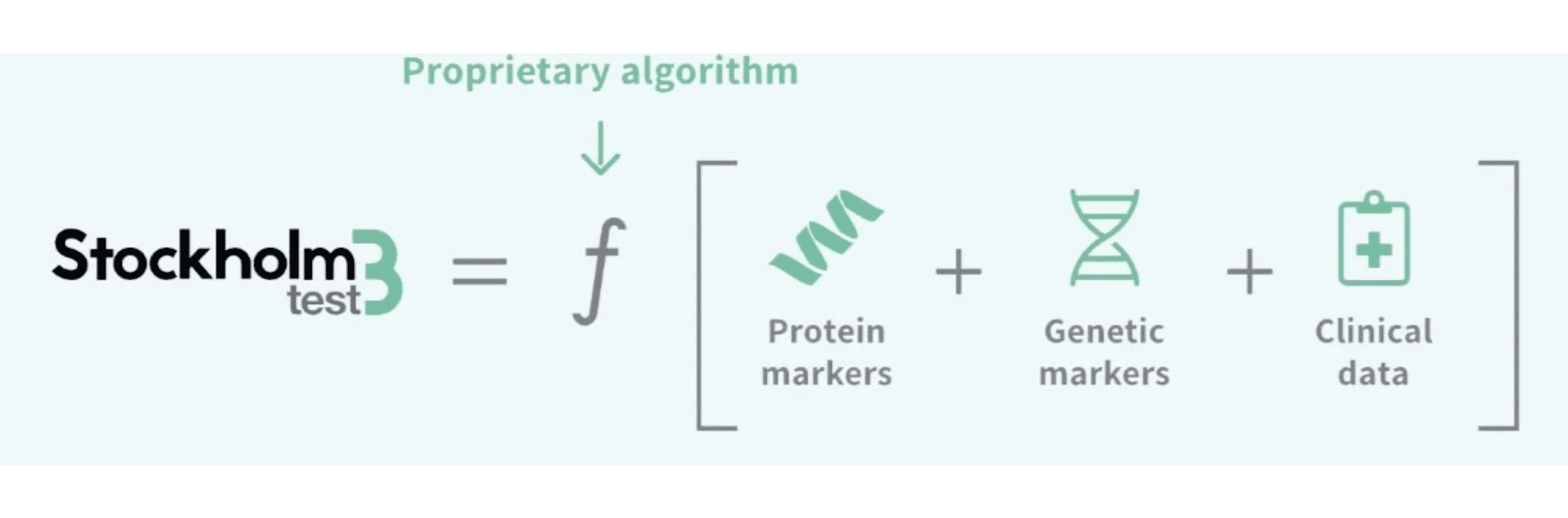
Enter the Stockholm3 (STHLM3) test, a sophisticated algorithm developed by Grönberg et al. The Stockhol3 sounds like the name of an Indie band. However, it could be likened to a finely tuned diagnostic orchestra. The exact opposite of the chaos you might encounter at your child’s assembly. This orchestra, however, is playing a symphony of biomarkers, genetic markers, and clinical data. It is designed to harmonise the detection of significant cancers while reducing the cacophony of unnecessary biopsies. The STHLM3 study showed a reduction in prostate biopsies by 32% compared to PSA testing alone, without missing a beat on detecting high-grade cancers.
Diving Deeper: The Reflex Test and its Importance
The refinement doesn’t stop there. The STHLM3 serves as a reflex test in prostate cancer screening. As such it steps in when PSA levels rise to discern whether that rise truly suggests cancer. This selective approach ensures that only men at higher risk face the biopsy needle. This is a smarter, strategy that not only spares unnecessary pain but also cuts through the cloud of anxiety that hovers over many after a PSA test. The National Institute of Clinical Excellence carried out an innovation briefing on the Stockholm3. The briefing noted “that the technology has the potential to improve diagnostic accuracy leading to a reduction in unnecessary MRI and biopsies.” Prostate Cancer Research has asked that such tests become more widespread.
Global Validation and Ethnic Diversity
The STHLM3’s performed well in Sweden. However, the question remained: How well does it perform on the world stage? The SEPTA trial aimed to answer just that, testing Stockholm3 across a variety of ethnic groups in North America. Sensitivity in medical testing refers to the ability of a test to correctly identify those with the disease (the true positive rate). In contrast, specificity measures a test’s ability to correctly identify those without the disease ( the true negative rate). The trial demonstrated non-inferior sensitivity and a significant boost in specificity. This suggests that Stockholm3 could reduce unnecessary biopsies across ethnically diverse populations without missing those cancers that truly threaten well-being. This is, of course, incredibly useful for us given that we are based in London with it’s immense ethnic diversity.
Looking Forward: The Impact of Stockholm3 on Prostate Cancer Screening
New technologies in medicine are being rapidly developed. We are on the cusp of a new era in medical diagnostics. The Stockholm3 model presents a beacon of hope. It promises a future where the fear of overdiagnosis is significantly diminished. It also offers a journey from prostate cancer screening to diagnosis that respects both the mental and physical sanctity of patients. It’s also a testament to how far we’ve come in understanding and managing prostate cancer.
Conclusion
In an era where medical technology leaps forward by bounds, the evolution of prostate cancer screening from PSA to Stockholm3 is not just about scientific achievement. It’s about managing the delicate balance between vigilance and quality of life. In medicine, we don’t always get that right. For those facing the spectre of prostate cancer, it offers a new narrative, one where the screening process is as thoughtful and refined as the care they deserve.
Contact us at contact@coynemedical.com to book your Stockholm3 test.
Dr Hugh Coyne is a GP and co-founder of Coyne Medical, a private preventive health clinic at 660 Fulham Road, London. He trained at Imperial College London and has been in practice for over twenty years, with a particular focus on cardiovascular risk, metabolic health, and exercise medicine. After qualifying as a GP he went on to train in sport and exercise medicine, bringing a distinctly practical approach to prevention and long-term health.
British Association of Sports and Exercise Medicine · European Atherosclerosis Society · Independent Doctors Federation
As seen in The Independent, The Daily Mail and Tatler
For educational purposes. This article is written by a practising GP and is intended to inform, not replace a consultation with your own doctor. It does not constitute medical advice. A note on clinical guidelines: Coyne Medical is an independent private clinic. Our approach is guided by the best available evidence, tailored to each individual. This may go beyond standard NHS or NICE guidance, which is designed for population-level care and weighted by resource constraints.
Every day, 11 women in the UK lose their lives to ovarian cancer. This disease claims more lives than all other gynaecological cancers combined. Tragically, most cases are diagnosed at an advanced stage—stage 3 or 4—where the survival rate for stage 4 is a mere 15%. However, if detected early, at stage 1, the five-year survival rate soars to 95%.
Ovarian cancer is shrouded in myths and misconceptions, leading to a lack of awareness among both women and healthcare professionals about effective prevention and early detection methods. With advancements in science, we now have the tools to detect this disease early and, in some cases, prevent it altogether, significantly improving survival rates.
This video is essential viewing for anyone with a family history of ovarian cancer, anyone with ovaries, or anyone who cares about someone with ovaries. Join us as we dispel myths, spread awareness, and empower you with life-saving knowledge about ovarian cancer.
Genetics of Ovarian Cancer
Let’s first talk about the genetics of ovarian cancer.
About 20% of ovarian cancers are caused by a genetic variant inherited from a parent. You might have heard people describing this as having inherited a “gene mutation” or “faulty gene”.
The most common genes involved in this are BRCA1 Or B-R-C-A-1 and BRCA2.
If you have inherited a harmful copy of one of these genes, we medically call this having a “pathological” variant. For patients, this might mean your risk of ovarian cancer might be up to 60% in your lifetime. BRCA1 and 2 are not the only genes which are linked to ovarian cancer, there are other genes which are less common and carry different risks.
Angelina Jolie famously shared her story of finding out about her BRCA 1 mutation in 2013 in the New York Times. I think she really helped to open the conversation around genetic screening for lots of women. She had sadly already lost her mother to cancer, who was diagnosed with breast and ovarian cancer. Angelina Jolie chose to have risk-reducing surgery. Since then many other women have followed in her footsteps, talking about their genetic mutations and surgical decisions such as Christina Applegate, Sharon Osborne and many not so close to Hollywood like me.
So who should have genetic screening?
I want to share the words of Dr Mary-Claire King, she is the scientist who first identified the BRCA1 gene in 1990.
She says “To identify a woman as a carrier only after she develops cancer is a failure of cancer prevention,”.
I whole heartedly agree with her. Despite the passing of decades since the discovery of the BRCA1 gene far too many people only find out they carry a gene after a cancer diagnosis in themselves or someone they love.
Over 95% of women who have inherited a harmful variant in BRCA1 or BRCA2 are undiagnosed in the UK. That’s hundreds of thousands of people who don’t know they are at high risk of cancer, ovarian cancer, plus breast cancer and more.
I am extremely fortunate to have been able to access private genetic screening. And I am passionate about bringing this option to more patients and am proud we are able to offer this at Coyne Medical. We can take a sample in clinic after talking through the options, we usually test for multiple cancer genes linked to several cancers including ovarian, breast, colon and more. We only test for genetic changes which are linked to proactive steps you can take to reduce your risk. Such as recommendations for extra screening or checks.
But I know that is not an option for all patients, so I was also delighted that in March this year, the guidelines on NHS funded testing were updated by NICE. They now recommend that anyone who has a family history of ovarian cancer in a first or second degree relative be considered for genetic testing.
A first-degree relative is for instance parent or sister. A second-degree relative is much broader and includes grandparents, aunts, nieces or half-sisters. This includes relatives on either your mum or dad’s side of the family. So if private testing is not an option for you do speak to your GP about the new guidelines. In the past it may be that you were denied testing on the NHS but could now be eligible.
What if you don’t have any family history of ovarian cancer?
Yes, you can still have genetic screening. Traditionally we have only screened patients with a family history. We know from large studies on breast and ovarian cancer that if we only use the family history criteria we will miss over 50% of people with a pathological mutation in BRCA1 or BRCA2. So if you really want toif you want to get serious about optimising your cancer screening and prevention we think genetic screening is crucial. You don’t want to be one of the patients that only find out after they get cancer, knowing you might have been able to prevent it earlier.
Personally, I know the truth behind the statistics. I tested positive for a pathological variant in a gene called PALB2 in 2021. It puts me at increased risk of ovarian cancer and breast cancer. I did not meet the traditional criteria for genetic testing and would not have known without choosing to have private genetic screening. I feel incredibly lucky I found my gene mutation while I was completely healthy, instead of after having a cancer. I have been able to join Angelina Jolie in choosing preventative risk-reducing surgery. To know my risk and then take action to reduce my risk of cancer feels like a very special gift. I would love to see more women share this.
Could a family history of other cancers be linked to ovarian cancer?
Yes, many of the genes that increase the risk of ovarian cancer are linked to other cancers.
If your family history includes breast cancer, pancreatic cancer or prostate cancer. Those are all flags that you have a higher chance of having inherited a gene mutation. We would certainly encourage you to consider genetic screening.
And it’s not just women. We would also encourage men with a family history of these cancers to consider genetic screening. Finding a gene mutation will help us manage their health risks and cancer screening. But it will also potentially help their daughters, granddaughters, nieces, sisters…
MYTH is that: “It doesn’t matter as there is no family history on my Mum’s side.”
Wrong. You can inherit these gene mutations from either your mother or father.
Women who inherit from their Dad are more often missed. Men are less likely to get breast cancer and can’t get ovarian cancer. So for their daughter their family history often appears less worrying. The same is true for people from small families. A history of cancer in a grandmother or aunt on Dad’s side of the family, is often not talked about or not seen as a big risk factor. I would encourage everyone to find out the most they can about their family history. During the dark days of the first lockdown I started researching my family tree which has been fascinating. After I discovered that I had a gene mutation I searched in more detail and got a copy of my great grandmother’s death certificate, this showed she had died from breast cancer in her 40’s. I almost certainly inherited my mutation from her. So get talking to relatives if you can or use the wonders of the internet to do a bit more research. Of course, we focussed on ovarian cancer today but family history of all cancers as well as other diseases such as heart attacks are also really important information.
Do you have any Jewish ancestry?
Having a parent or grandparent of Jewish ancestry is a big risk factor for inheriting a BRCA1 or BRCA2 genetic variant, up to a 1 in 40 chance. We would recommend all people with this risk factor use genetic screening to find out if they carry a high-risk mutation. The NHS has recently started a project offering testing for gene variants in only the BRCA1 and BRCA2 genes, as these are the genes which are more commonly mutated in those with Jewish ancestry, if you’re interested you can find out more about the project online and I’ll put the link to that in our notes.
How does finding a high-risk ovarian cancer gene help you prevent cancer?
Some women will opt to have their ovaries and fallopian tubes removed. Especially if they have already entered menopause, you could say they are no longer serving any purpose so why keep them and add to your cancer risk?
The decision can be more difficult for younger women, for whom surgery will bring on an early menopause and impact on their choices for fertility. It is important that women in this scenario get the best advice on which option is best for them. And their options for pregnancy in the future.
There is a brilliant UK study called “Protector”, it is led by Professor Ranjit Manchanda, who is a great advocate for increasing access to genetic screening for women. The study offers women who want to keep their ovaries the option of removing their fallopian tubes only initially, followed by removal of the ovaries at a later date. We know many ovarian cancers start at the end of the fallopian tubes where they meet the ovaries. The study wants to show this option can help women who wish to delay their surgery, so this option could help reduce risk without the negative impact of menopause in younger women. Both surgical options are big decisions, and need careful thinking through the pros and cons so each woman can find the right decision for her health. Thankfully the actual surgeries are usually laparoscopic or keyhole operations, and can usually be done as a daycase procedure.
Can I do anything else to prevent ovarian cancer?
Yes, there are lots of factors we can focus on to reduce the risk of ovarian cancer. And they will also reduce your risk of lots of other cancers such as breast and colon cancer. Keeping a healthy weight and not smoking are the two biggest risk factors which you can control. The combined oral contraceptive pill also reduces risk, even if only taken for a short period of time. The protection from taking the pill also persists, so the positive benefit continues for several years after stopping the pill. For high-risk women though such as having a BRCA1 or 2 mutation the combined oral contraceptive increases the risk of breast cancer so it may not be suitable as an option. Breastfeeding is protective for ovarian cancer risk, with a 24% risk reduction. I know personally breastfeeding can be really challenging, certainly the hardest part of life as a new mum with my first baby. So I am really conscious of not adding to the mummy guilt with this but if you have a family history it is good to know that this choice could have a positive impact on your own health. Having children reduces the chance of having ovarian cancer. Of course not alone a reason to have a baby! There has been a lot of concern about using talcum powder on the genital area and ovarian cancer, the evidence is mixed but it is sensible to avoid this.
Early Detection
But now let’s think about early detection. For those cancers we can’t prevent, we need to diagnose them as early as possible. Early diagnosis is vital. Sadly two-thirds of women are diagnosed at a late stage.
If we can diagnose women early at stage 1 the survival rate is over 94% at 5 years, versus only 16% for women diagnosed at stage 4. So how can we screen you for ovarian cancer and detect it early?
For women who do not have a high-risk gene mutation we don’t routinely recommend all women using ultrasound or the CA125 blood test for ovarian cancer screening because the biggest UK trial didn’t show this could improve survival in women. They studied over 200,000 women over about 16 years, split into 3 groups, no screening, screening with an ultrasound scan and screening with an ultrasound scan and a blood test for CA125. The results showed women screened with an ultrasound and the CA125 blood test did seem to be diagnosed with cancer at an earlier stage, but they couldn’t show this saved a significant number of lives. We know the CA125 blood test is not perfect, it can give “false alarms”, as other conditions like endometriosis or fibroids can cause high CA125 levels too.
But the results were different in women who have are at “high risk” such as with a BRCA gene mutation, they are now recommended to consider regular screening with CA125 blood test and a special algorithm for monitoring their results called ROCA. The test has been available privately for some time but this is a new recommendation in 2024 for the NHS and not yet easily available nationally but hopefully this will change soon. The ROCA test has been show to detect ovarian cancer earlier, before symptoms appear. For high-risk women they can have this done 3 times a year, the results will be tracked and if a significant increase is noted this will prompt more tests. This might be a good option for high-risk gene carriers to consider, especially if you have decided against surgery or are waiting to have done at an older age.
Are there are any other ways of screening for ovarian cancer?
Yes we now have a new blood test that can be used to screen for ovarian cancer. It uses a normal blood sample taken in the clinic and the laboratory to look for ‘circulating tumour cells’, (CTCs). When a cancer or ‘tumour’ starts to grow in the body some of the cells will get into the bloodstream called CTCs. The really exciting part of this is that these CTCs can be found in early-stage 1 cancers.
The blood test is called a Multi Cancer Early Detection test, we offer tests by Trucheck that can either focus on female cancers, including breast and ovarian cancer, or we can screen for up to 70 solid organ tumours. We offer this test at Coyne Medical, always after a full consultation with the doctor to understand if it’s the right test for you. We always want to make sure that patients are up to date with their standard cancer screening as these newer tests should be seen as a great optional add-on.
Likewise we also use whole-body MRI scans as an add-on cancer screening tool. These scans from from head through the neck, chest and abdomen to the pelvis. In the pelvic area they can detect cysts or fluid which can indicate an ovarian cancer. In large studies of whole-body MRI the rate of detecting a cancer is 1 to 2% in healthy adults over 40, but this has to be balanced against finding small ‘abnormalities’ which can cause stress and need further checks. That’s why it’s important you go through the possibilities with your doctor before testing. As well as making sure your doctor is there to support you through the results and any follow-up.
MYTH: “A smear test checks for ovarian cancer.”
This is sadly common, about 1 in 4 women think this is true but sadly not. Cervical screening will not detect ovarian cancer. Though it is a really important cancer screening to make sure you are up to date with.
Knowing the symptoms is key for every woman
Symptoms to watch for include:
Persistent increase in abdominal size or bloating (not bloating that comes and goes)
Persistent pelvic and abdominal pain
Unexplained change in bowel habits
Difficulty eating and feeling full quickly, or feeling nauseous
Needing to urinate (wee) more regularly
Other symptoms can include tiredness, losing weight, pain during sex, and back pain. These can be symptoms of many other conditions too so don’t panic but see your doctor. Your doctor might check a blood test called CA125 and you may also need an ultrasound scan.
Knowledge is Power
Knowledge is power, yet many women and doctors are not well-informed about ovarian cancer. A study by Target Ovarian Cancer found that less than 5% of women felt confident recognizing its signs. Surprisingly, many doctors also mistakenly believe that symptoms only appear in the late stages of the disease.
We’re committed to empowering women with the knowledge they need to make informed health decisions. If you know other women who could benefit from this information, please share it with them. Together, we can spread awareness and equip more women with the knowledge they need.
Follow us if you’d like to learn more about disease prevention and early detection.
Evans, D.G., Shenton, A., Woodward, E. et al. Penetrance estimates for BRCA1 and BRCA2based on genetic testing in a Clinical Cancer Genetics service setting: Risks of breast/ovarian cancer quoted should reflect the cancer burden in the family. BMC Cancer 8, 155 (2008). https://doi.org/10.1186/1471-2407-8-155
National Institute of Clinical Excellence. Ovarian cancer: identifying and managing familial and genetic risk, NICE Published 21/3/2024, [https://www.nice.org.uk/guidance/ng241] Accessed 8 May 2024.
Beitsch PD, Whitworth PW, Hughes K, Patel R, Rosen B, Compagnoni G, Baron P, Simmons R, Smith LA, Grady I, Kinney M, Coomer C, Barbosa K, Holmes DR, Brown E, Gold L, Clark P, Riley L, Lyons S, Ruiz A, Kahn S, MacDonald H, Curcio L, Hardwick MK, Yang S, Esplin ED, Nussbaum RL. Underdiagnosis of Hereditary Breast Cancer: Are Genetic Testing Guidelines a Tool or an Obstacle? J Clin Oncol. 2019 Feb 20;37(6):453-460. doi: 10.1200/JCO.18.01631. Epub 2018 Dec 7. PMID: 30526229; PMCID: PMC6380523. https://www.ncbi.nlm.nih.gov/pmc/articles/PMC6380523/
Petrucelli N, Daly MB, Pal T. BRCA1- and BRCA2-Associated Hereditary Breast and Ovarian Cancer. 1998 Sep 4 [Updated 2023 Sep 21]. In: Adam MP, Feldman J, Mirzaa GM, et al., editors. GeneReviews® [Internet]. Seattle (WA): University of Washington, Seattle; 1993-2024. Available from: https://www.ncbi.nlm.nih.gov/books/NBK1247/
Ozanne EM, O’Connell A, Bouzan C, Bosinoff P, Rourke T, Dowd D, Drohan B, Millham F, Griffin P, Halpern EF, Semine A, Hughes KS. Bias in the reporting of family history: implications for clinical care. J Genet Couns. 2012 Aug;21(4):547-56. doi: 10.1007/s10897-011-9470-x. Epub 2012 Jan 12. PMID: 22237666.
Metcalfe KA, Eisen A, Lerner-Ellis J, Narod SA. Is it time to offer BRCA1 and BRCA2 testing to all Jewish women? Curr Oncol. 2015 Aug;22(4):e233-6. doi: 10.3747/co.22.2527. PMID: 26300672; PMCID: PMC4530819.
Collaborative Group on Epidemiological Studies of Ovarian Cancer; Beral V, Doll R, Hermon C, Peto R, Reeves G. Ovarian cancer and oral contraceptives: collaborative reanalysis of data from 45 epidemiological studies including 23,257 women with ovarian cancer and 87,303 controls. Lancet. 2008 Jan 26;371(9609):303-14. doi: 10.1016/S0140-6736(08)60167-1. PMID: 18294997.
Babic A, Sasamoto N, Rosner BA, et al. Association Between Breastfeeding and Ovarian Cancer Risk. JAMA Oncol. 2020;6(6):e200421. doi:10.1001/jamaoncol.2020.0421
Merritt MA, Green AC, Nagle CM, Webb PM; Australian Cancer Study (Ovarian Cancer); Australian Ovarian Cancer Study Group. Talcum powder, chronic pelvic inflammation and NSAIDs in relation to risk of epithelial ovarian cancer. Int J Cancer. 2008 Jan 1;122(1):170-6. doi: 10.1002/ijc.23017. PMID: 17721999.
Cramer DW, Liberman RF, Titus-Ernstoff L, Welch WR, Greenberg ER, Baron JA, Harlow BL. Genital talc exposure and risk of ovarian cancer. Int J Cancer. 1999 May 5;81(3):351-6. doi: 10.1002/(sici)1097-0215(19990505)81:3<351::aid-ijc7>3.0.co;2-m. PMID: 10209948.
Menon U, Gentry-Maharaj A, Burnell M, Singh N, Ryan A, Karpinskyj C, Carlino G, Taylor J, Massingham SK, Raikou M, Kalsi JK, Woolas R, Manchanda R, Arora R, Casey L, Dawnay A, Dobbs S, Leeson S, Mould T, Seif MW, Sharma A, Williamson K, Liu Y, Fallowfield L, McGuire AJ, Campbell S, Skates SJ, Jacobs IJ, Parmar M. Ovarian cancer population screening and mortality after long-term follow-up in the UK Collaborative Trial of Ovarian Cancer Screening (UKCTOCS): a randomised controlled trial. Lancet. 2021 Jun 5;397(10290):2182-2193. doi: 10.1016/S0140-6736(21)00731-5. Epub 2021 May 12. PMID: 33991479; PMCID: PMC8192829.
Zugni F, Padhani AR, Koh DM, Summers PE, Bellomi M, Petralia G. Whole-body magnetic resonance imaging (WB-MRI) for cancer screening in asymptomatic subjects of the general population: review and recommendations. Cancer Imaging. 2020 May 11;20(1):34. doi: 10.1186/s40644-020-00315-0. PMID: 32393345; PMCID: PMC7216394.
DR LUCY HOOPER MB BS BSc MRCGP MA DRCOG DCH
Lucy is a GP and co-founder of Coyne Medical. She graduated with honours from Imperial College London, trained at St Mary’s Hospital, and holds a Master’s in Medical Ethics and Law. Her clinical interests span women’s health, preventive medicine, and genomics, with a particular focus on using advanced biomarkers to build a more complete picture of long-term health.
British Society for Genetic Medicine · European Atherosclerosis Society · Independent Doctors Federation
As seen in BBC, The Guardian, Women’s Health, The Times and Tatler
For educational purposes. This article is written by a practising GP and is intended to inform, not replace a consultation with your own doctor. It does not constitute medical advice. A note on clinical guidelines: Coyne Medical is an independent private clinic. Our approach is guided by the best available evidence, tailored to each individual. This may go beyond standard NHS or NICE guidance, which is designed for population-level care and weighted by resource constraints.
There are so many myths about Ovarian Cancer. For this Ovarian Cancer Awareness month, I’d love to share information to help educate as many women, and doctors on ovarian cancer. We need to use the latest science to make sure we prevent as many cancers as possible and diagnose any ovarian cancer as early as possible. 11 women die every day in the UK of ovarian cancer so every woman should know how to reduce their risk.
1. Any family history of ovarian cancer matters
About 20% of ovarian cancers happen because of a change or variant in a gene that has been inherited from a parent. You might also hear these called a “gene mutation” or “faulty gene”.
The most common genes involved in this are BRCA1 and BRCA2. If you have inherited a harmful, what we call a “pathological” variant in one of these genes you can have a risk of up to 60% of ovarian cancer in your lifetime. Other genes also increase your risk to lower levels.
Angelina Jolie shared her story of finding out about her BRCA1 variant in 2013, she helped to open the conversation around genetic screening. She sadly lost her mother to cancer due to the same BRCA1 variant. She chose to have risk-reducing surgery to reduce her risk of breast and ovarian cancer. She spoke powerfully of how grateful she was to reduce her cancer risk, likely by over 95%.
2. We need to offer more people genetic screening
We estimate over 95% of women who have inherited a harmful variant in BRCA1 or BRCA2 are undiagnosed in the UK. That’s hundreds of thousands of people who don’t know they are at high risk of ovarian cancer, plus others including breast cancer.
If you have a family history of ovarian cancer it is sensible to consider genetic screening. Because for these groups screening gives the power of prevention. There are two main options for this. Some women will opt to have their ovaries and fallopian tubes removed. Especially if they have already entered menopause, you could say they are no longer serving any purpose so why keep them and add to your cancer risk? There is a brilliant UK study called “Protector” which offers women who want to keep their ovaries the option of removing their fallopian tubes. We think many cancers start at the end of the tubes close to the ovaries so this option could help reduce risk without the negative impact of menopause in younger women.
3. Anyone can benefit from genetic screening
Traditional criteria for screening only those with a family history will miss 50% of people with a pathological variant in BRCA1 or BRCA2.
So if you want to get serious about optimising your cancer screening and prevention we think genetic screening is crucial.
I know the truth behind these statistics. I tested positive for a pathological variant in a gene called PALB2 in 2020. I did not meet the normal criteria for testing and would not have known without choosing genetic screening. I feel incredibly lucky I found my gene mutation while I was healthy. I have been able to join Angelina Jolie in having preventative risk-reducing surgery. To be able to reduce my risk of cancer by over 95% feels like a very special gift and I would love to see more women share this.
4. A family history of other cancer could be linked to ovarian cancer
The genes that increase the risk of ovarian cancer are linked to other cancers. If your family history includes breast cancer, pancreatic cancer or prostate cancer it is especially important to consider genetic screening.
We would also encourage men with a family history of these cancers to consider genetic screening, not just for their own health but because it could impact their daughters, granddaughters, nieces, and sisters..
5. MYTH: “It doesn’t matter as there is no family history on my Mum’s side.”
This is such a common myth. You can inherit these gene mutations from either your mother or father. Women who inherit from their Dad are more often not tested, that’s because their Dad is less likely to get breast cancer and can’t get ovarian cancer they are less likely to meet those rubbish “family history” criteria. A history of cancer in a grandmother or aunt, who may have died before you were even born sounds less concerning than if it is your own mother but it is still a really important risk factor.
6. Jewish ancestry is a major RED flag to consider genetic screening
Having a parent or grandparent with this ancestry is a big risk factor for inheriting a BRCA1 or BRCA2 genetic variant, up to a 1 in 40 chance. The NHS has recently started a project offering testing for gene variants which are more common in that background, if you’re interested you can find out more about the project here. You would also be eligible for our genetic screening which will screen not just BRCA1 and BRCA2 but also a wider range of genes linked to cancers which we can reduce or prevent.
7. There are things you can do to look after your health and reduce your risk
There are lots of factors we can focus on to reduce the risk of ovarian cancer. And they will also reduce your risk of lots of other cancers such as breast and colon cancer. Keeping a healthy weight and not smoking are key. The oral contraceptive pill also reduces risk, as does breastfeeding. There has been a lot of concern about using talcum powder on the genital area and ovarian cancer, the evidence is mixed but it is sensible to avoid this.
8. Be symptom aware
For those cancers we can’t prevent, we need to diagnose these as early as possible. Sadly two-thirds of women are diagnosed at a late stage. If we can diagnose women early at stage 1 the survival rate is over 94% at 5 years, versus only 16% for women diagnosed at stage 4.
Symptoms to watch for include:
Persistent increase in abdominal size or bloating (not bloating that comes and goes)
Persistent pelvic and abdominal pain
Unexplained change in bowel habits
Difficulty eating and feeling full quickly, or feeling nauseous
Needing to urinate (wee) more regularly
Other symptoms can include tiredness, losing weight, pain during sex, and back pain. These can be symptoms of many other conditions too so don’t panic but see your doctor. They should consider checking a blood test called Ca125 and you may also need an ultrasound scan.
9. MYTH: “A smear test checks for ovarian cancer.”
This is sadly common, about 1 in 4 women think this is true but sadly not. Cervical screening will not detect ovarian cancer.
10. We can screen for ovarian cancer
We don’t routinely recommend women use ultrasound or the Ca125 blood test for ovarian cancer screening because the biggest UK trial didn’t show this could improve survival in women, it is possible some women were diagnosed at an earlier stage. The test can also give “false alarms”, other conditions like endometriosis or fibroids can cause high Ca125 levels too.
We now have a new blood test that can be used to screen for ovarian cancer. It uses a normal blood sample taken in the clinic and the laboratory to look for ‘circulating tumour cells’, (CTCs). When a cancer or ‘tumour’ starts to grow in the body some of the cells will get into the bloodstream called CTCs. The really exciting part of this is that these CTCs can be found in early-stage 1 cancers.
The blood test is called a Multi Cancer Early Detection test, we offer tests by Trucheck that can either focus on female cancers or screen for up to 70 solid organ tumours.
Knowledge is power
Many women and doctors lack knowledge of ovarian cancer. A study by Target Ovarian Cancer showed less than 5% of women were confident in knowing the signs of ovarian cancer. Many doctors also falsely believed women only get symptoms of late-stage ovarian cancer.
We are passionate about giving women the knowledge and power to make the best choices for their health. If you think any other women in your life would find this useful then please share with them and hopefully, more women will be armed with knowledge.
DR LUCY HOOPER MB BS BSc MRCGP MA DRCOG DCH
Lucy is a GP and co-founder of Coyne Medical. She graduated with honours from Imperial College London, trained at St Mary’s Hospital, and holds a Master’s in Medical Ethics and Law. Her clinical interests span women’s health, preventive medicine, and genomics, with a particular focus on using advanced biomarkers to build a more complete picture of long-term health.
British Society for Genetic Medicine · European Atherosclerosis Society · Independent Doctors Federation
As seen in BBC, The Guardian, Women’s Health, The Times and Tatler
For educational purposes. This article is written by a practising GP and is intended to inform, not replace a consultation with your own doctor. It does not constitute medical advice. A note on clinical guidelines: Coyne Medical is an independent private clinic. Our approach is guided by the best available evidence, tailored to each individual. This may go beyond standard NHS or NICE guidance, which is designed for population-level care and weighted by resource constraints.
There has been a concerning rise in early-onset colorectal cancer among individuals under 50. A recent study by Dr. Cassandra D. L. Fritz and colleagues at Washington University in St. Louis has brought critical insights that could aid in early detection and timely diagnosis. This information is not just data; it’s a potential lifesaver.
The Rise of Early-Onset CRC
Colorectal cancer is traditionally associated with older age. However, it is alarmingly increasing among the younger population. Indeed, we have colleagues and relatives under 40 who have been afflicted. This shift underscores the need for heightened awareness and vigilance, especially in spotting early signs.
The Study: A Closer Look
The researchers conducted an extensive study involving 5,075 individuals with early-onset colorectal, using data from U.S. commercial insurance beneficiaries. The focus was on identifying ‘red-flag’ signs and symptoms that occurred from three months to two years before the diagnosis.
Key Findings: Red Flags in the Spotlight
The study identified four significant red-flag symptoms and signs associated with an increased risk of early-onset colorectal cancer:
Abdominal Pain
Rectal Bleeding
Diarrhoea
Iron Deficiency Anaemia
The odds ratios (ORs) for these symptoms ranged from 1.34 to 5.13, indicating a substantial link to early-onset CRC.
Risk Amplification with Multiple Symptoms
The presence of one, two, or at least three of these symptoms was associated with progressively higher risks:
1 symptom: 1.94-fold increase
2 symptoms: 3.59-fold increase
3 or more symptoms: 6.52-fold increase
Age and Cancer Type: Specific Considerations
Interestingly, these associations were even stronger in younger individuals and those with rectal cancer.
Diagnostic Timelines: A Crucial Element
About 19.3% of patients had their first symptom between three months and two years before diagnosis, with a median diagnostic interval of 8.7 months. Approximately 49.3% exhibited their first symptom within three months of diagnosis, highlighting the critical window for early detection.
A Call for Proactive Health Management
This study underscores the importance of early recognition of these red-flag symptoms. Early detection is key in battling CRC, especially in its early onset. Understanding these warning signs and acting promptly can make a significant difference in outcomes. If you or someone you know experiences these symptoms, at any age, please seek medical evaluation. Your health and well-being are paramount.
Dr Hugh Coyne is a GP and co-founder of Coyne Medical, a private preventive health clinic at 660 Fulham Road, London. He trained at Imperial College London and has been in practice for over twenty years, with a particular focus on cardiovascular risk, metabolic health, and exercise medicine. After qualifying as a GP he went on to train in sport and exercise medicine, bringing a distinctly practical approach to prevention and long-term health.
British Association of Sports and Exercise Medicine · European Atherosclerosis Society · Independent Doctors Federation
As seen in The Independent, The Daily Mail and Tatler
For educational purposes. This article is written by a practising GP and is intended to inform, not replace a consultation with your own doctor. It does not constitute medical advice. A note on clinical guidelines: Coyne Medical is an independent private clinic. Our approach is guided by the best available evidence, tailored to each individual. This may go beyond standard NHS or NICE guidance, which is designed for population-level care and weighted by resource constraints.
When a tumour grows in the body some of its cells can break off and enter the bloodstream. These cells are called Circulating Tumour Cells (CTCs).
The Trucheck Breast Cancer screening blood test uses a ‘normal’ blood test taken by your doctor at the clinic. It goes to the specialist laboratory in Surrey where it is examined looking for CTCs. Even a few CTCs in the bloodstream can indicate cancer.
A breakthrough study published last year showed the blood test actually performed better than mammogram screening to detect cancers. The blood test found 92% of breast cancer, this was more than able to be detected by normal mammogram screening. We know in real life no test is perfect and there is a small chance of a false alarm.
The blood test has also shown promising results compared to the GRAIL’s Galleri and CancerSEEK blood tests which only had a sensitivity to detect around 30% of breast cancer cases.
Crucially the blood test can detect early cancers in stage 1 before there has been any spread to the lymph nodes or elsewhere in the body, and before any lump appears.
1 in 7 women will be diagnosed with breast cancer in their lifetime. Diagnosing cancer earlier when treatment is easier and more successful is crucial.
DR LUCY HOOPER MB BS BSc MRCGP MA DRCOG DCH
Lucy is a GP and co-founder of Coyne Medical. She graduated with honours from Imperial College London, trained at St Mary’s Hospital, and holds a Master’s in Medical Ethics and Law. Her clinical interests span women’s health, preventive medicine, and genomics, with a particular focus on using advanced biomarkers to build a more complete picture of long-term health.
British Society for Genetic Medicine · European Atherosclerosis Society · Independent Doctors Federation
As seen in BBC, The Guardian, Women’s Health, The Times and Tatler
For educational purposes. This article is written by a practising GP and is intended to inform, not replace a consultation with your own doctor. It does not constitute medical advice. A note on clinical guidelines: Coyne Medical is an independent private clinic. Our approach is guided by the best available evidence, tailored to each individual. This may go beyond standard NHS or NICE guidance, which is designed for population-level care and weighted by resource constraints.
Introduction – The Future of Cancer Screening with Advanced Blood Tests
Cancer screening has taken a significant leap forward with the introduction of advanced blood tests like Trucheck™ and Galleri®. These innovative screening methods aim to detect cancer at its earliest stages, providing vital information for timely interventions and improved outcomes. In this blog, we will compare Trucheck™ and Galleri®, exploring their scientific principles, advantages, and considerations, to help you make informed decisions about cancer screening.
Trucheck™, developed by Datar Cancer Genetics, focuses on detecting circulating tumour cells (CTCs) and circulating ensembles of tumour-associated cells (C-ETACs) in peripheral blood samples. By employing primary negative enrichment, Trucheck™ enables the survival of malignant cells while allowing non-malignant cells to undergo apoptosis (programmed cell death). The subsequent analysis of tissue-specific markers on these cells helps identify cancer types and their likely organ of origin. Trucheck™ offers high sensitivity, specificity, and an overall advantage in detecting over 70 solid organ cancers.
Galleri® – Analyzing Cell-Free DNA (cfDNA) for Cancer Detection
Galleri®, another groundbreaking blood test, detects over 50 types of cancer and predicts the origin of cancer signals with high accuracy. This test examines the methylation patterns of cell-free DNA (cfDNA) found in the bloodstream. Methylation patterns, which regulate gene expression, can be altered in cancer, contributing to tumour growth. By leveraging next-generation sequencing (NGS) and machine-learning algorithms, Galleri® analyses the methylation patterns of cfDNA to identify cancer-specific abnormalities. These patterns provide valuable information about the presence and origin of potential cancers.
Accuracy & Sensitivity of Each Test
Trucheck™ demonstrates an overall sensitivity ranging from 82.5% to 88.2% for different cancer types. It boasts a specificity of 99%, correctly identifying 99 out of 100 individuals without cancer. False positives occur at an estimated rate of 1% to 3% according to the studies available so far. Trucheck™ has been designed as a complement to, not replacement for, standard cancer screening, offering peace of mind to individuals with negative results while prompting further tests or referrals for those with positive results.
Galleri®, as demonstrated in the SYMPLIFY study, achieved a sensitivity of 66.3% overall, ranging from 24.2% for stage I cancers to 95.3% for stage IV cancers. This demonstrates Galleri’s ability to detect cancer signals across various stages but that it is most reliable with later-stage tumours. With a positive predictive value (PPV) of 75.5% and a negative predictive value (NPV) of 97.6%, Galleri®shows promise in accurately identifying individuals with cancer. The test’s specificity stands at 98.4%, further enhancing its precision in distinguishing cancer from non-cancer cases.
Availability & Cost – Which Test is More Accessible?
Trucheck™ is available as a standalone test or add-on service for patients undergoing health screening at Coyne Medical and several other private clinics in London and beyond. It may not be covered by healthcare insurance or the NHS prior to a formal cancer diagnosis. Further diagnostic procedures and referrals prompted by positive results may require self-payment.
On the other hand, Galleri® is currently being evaluated in clinical trials and is not widely available outside of these trials. The SYMPLIFY study demonstrated its potential in a cohort of patients referred for diagnostic investigations related to suspected gynaecological, lung, and gastrointestinal cancers. It is not currently available in the UK in private care. It is only available through NHS research trials.
Considerations and Future Implications:
Both Trucheck™ and Galleri® have the potential to revolutionise cancer screening, but it’s important to consider certain factors. Trucheck™ offers a broader range of tests for different cancer types, while Galleri’s focus lies in detecting over 50 cancer types. Trucheck™ uses CTCs and their clusters as biomarkers, primarily for solid organ malignancies, whereas Galleri® examines cfDNA methylation patterns.
While Trucheck™ and Galleri® boast impressive sensitivity, it’s crucial to understand that false negatives can still occur. Neither test can replace standard screening methods such as mammograms, colon cancer screening, or cervical screening. Additionally, the emotional impact and potential for anxiety associated with both tests’ results should be taken into consideration.
Looking ahead, the development of advanced blood tests like Trucheck™ and Galleri® brings us closer to a future where early cancer detection becomes a reality. These tests have the potential to complement existing screening methods, offering individuals a comprehensive and personalised approach to cancer prevention and treatment.
Trucheck™ and Galleri® blood tests represent groundbreaking advancements in cancer screening, utilising cutting-edge technologies and scientific understanding to improve early detection rates. Trucheck™ focuses on CTCs, while Galleri® examines cfDNA methylation patterns. Both tests demonstrate considerable accuracy and hold promise for transforming cancer diagnosis and treatment.
It is essential to consult with healthcare professionals to determine the most suitable screening approach based on individual risk factors, age, and personal medical history. By considering these innovative blood tests alongside standard screening methods, we move closer to a future where early cancer detection becomes the norm, leading to better outcomes and improved quality of life. Trucheck™ cancer screening blood test is available at Coyne Medical. Learn more on our website here.
Book a Cancer Blood Test in London at Coyne Medical
It is essential to consult with healthcare professionals to determine the most suitable screening approach based on individual risk factors, age, and personal medical history. By considering these innovative blood tests alongside standard screening methods, we move closer to a future where early cancer detection becomes the norm, leading to better outcomes and improved quality of life. Trucheck™ cancer screening blood test is available at Coyne Medical.
Dr Hugh Coyne is a GP and co-founder of Coyne Medical, a private preventive health clinic at 660 Fulham Road, London. He trained at Imperial College London and has been in practice for over twenty years, with a particular focus on cardiovascular risk, metabolic health, and exercise medicine. After qualifying as a GP he went on to train in sport and exercise medicine, bringing a distinctly practical approach to prevention and long-term health.
British Association of Sports and Exercise Medicine · European Atherosclerosis Society · Independent Doctors Federation
As seen in The Independent, The Daily Mail and Tatler
For educational purposes. This article is written by a practising GP and is intended to inform, not replace a consultation with your own doctor. It does not constitute medical advice. A note on clinical guidelines: Coyne Medical is an independent private clinic. Our approach is guided by the best available evidence, tailored to each individual. This may go beyond standard NHS or NICE guidance, which is designed for population-level care and weighted by resource constraints.
At Coyne Medical, we strive to provide our patients with the latest advancements in healthcare technology. In line with our commitment to offering the best screening options, we are excited to introduce Trucheck™, a revolutionary cancer screening blood test developed by Datar Cancer Genetics. Trucheck™ aims to detect cancer at its early stages which can potentially lead to improved outcomes, streamlined treatments, and reduced morbidity. In this blog, we will explore the features, advantages, and considerations associated with Trucheck™, shedding light on why it is a powerful addition to our health screening services.
The Urgency of Early Cancer Diagnosis:
The statistics on cancer are startling. 1 in 2 individuals born after 1960 will be diagnosed with cancer during their lifetime. Unfortunately, the majority of cancers (48%) are currently diagnosed at later stages (3 or 4). This often leads to more aggressive treatments and poorer outcomes. Detecting cancer early, specifically at stage 1, can significantly improve survival rates and make treatments more effective. Trucheck™ aims to address this critical need for early diagnosis by leveraging cutting-edge technology and scientific advancements.
Understanding Trucheck™: The Science Behind the Test
Trucheck™ is a cancer-screening blood test. It utilises the concept of circulating tumour cells (CTCs) and circulating ensembles of tumour-associated cells (C-ETACs) in blood samples. Through a process known as primary negative enrichment, Trucheck™ selectively allows non-malignant cells to undergo apoptosis (programmed cell death) while enabling the survival of malignant cells. These malignant cells are then analysed using multiplexed fluorescence immunocytochemistry (ICC) to identify tissue-specific markers associated with various different cancer types.
The presence of CTCs alone is not diagnostic of cancer. Instead, a positive Trucheck™ result indicates a high risk of cancer, providing valuable information about the likely type of cancer (e.g., adenocarcinoma) and its potential organ of origin (e.g., lung). A positive result should prompt further tests or referrals, which may involve additional costs and might not be covered by private medical insurance or provided by the NHS until a formal cancer diagnosis is established. False positives, although relatively rare (estimated at 1% to a maximum of 3% in studies), can occur.
The Test Procedure and Pre-Test Consultation:
Detailed information about the Trucheck™ test, including its procedure, can be found on our website making it a valuable resource for patients considering this screening option. To ensure the best possible experience and outcomes, we offer pre-test consultations. During these consultations, we review the patient’s medical history, assess suitability, identify high-risk factors, and address any concerns or questions.
Who Can Benefit from the Trucheck™ Cancer Screening Blood Test?
Trucheck™ is suitable for individuals aged 18 and above who are asymptomatic or have minor symptoms not requiring urgent investigation. It is particularly recommended for patients who wish to take advantage of the opportunity to identify their risk of cancer at an early stage, aiding in timely diagnosis and treatment. The test selection varies based on age and gender, with options such as Trucheck™ Intelli (for over 40 years of age, detecting over 70 tumour types), Trucheck™ Breast (females over 40 years of age), Trucheck™ Prostate (males over 45 years of age), and Trucheck™ Colon (over 40 years of age).
Advantages of Trucheck™:
Early Cancer Detection: Trucheck™ has the ability to detect cancers at an early stage, even before symptoms manifest, leading to better treatment outcomes and improved survival rates.
Comprehensive Screening: Trucheck™ Intelli offers a broad spectrum of detection, encompassing more than 70 types of early-stage cancer within the asymptomatic population.
Sensitivity and Specificity: Trucheck™ demonstrates high sensitivity (e.g., 88.2% for Trucheck™ Intelli) in correctly identifying cancer cases, minimising false negatives, and achieving a specificity of 99% to reduce false positives.
Minimally Invasive: Unlike invasive procedures or radiation-based tests, Trucheck™ involves a simple blood draw, making it a convenient and non-intrusive screening method.
Peace of Mind: Negative Trucheck™ results provide reassurance, indicating a low chance of having an active malignancy.
Targeted Follow-up: Positive results from Trucheck™ allow for fast-tracked and targeted follow-up, utilising imaging, biopsy, or other confirmatory methods, minimising unnecessary medical procedures and exposure.
Comparative Advantage: Trucheck™ outperforms other cancer screening tests in terms of false positive rates, surpassing tests such as PSA testing, FIT testing, and mammograms. However, all of these tests are still an important part of screening for cancer.
Considerations and Limitations:
While Trucheck™ offers significant advantages, it is essential to consider certain factors:
Emotional Impact: The anticipation of results, as well as false positive or indeterminate outcomes, can lead to temporary anxiety for individuals and their families.
Unproven Survival Impact: Although Trucheck™ aids in early diagnosis, further research is needed to demonstrate its impact on long-term survival rates.
Complementary, Not Replacing Standard Screening: Trucheck™ does not replace conventional cancer screening methods, such as mammograms, colon cancer screening, lung cancer screening CT scans, and cervical screening. It is designed to complement these existing tests.
Specific Cancer Types: Trucheck™ focuses on solid organ malignancies and cannot detect blood or lymphatic system cancers.
Coverage and Costs: Trucheck™ may not be currently covered by healthcare insurance, and the costs associated with the test are privately funded by individuals. Additionally, following a positive result, further diagnostic procedures may require self-payment before a formal cancer diagnosis is established.
With cancer being a prevalent and life-altering disease, the importance of early detection cannot be overstated. Trucheck™ provides a groundbreaking opportunity for individuals to proactively assess their risk of cancer and enable timely interventions. While acknowledging its limitations, Trucheck™ offers unparalleled advantages, including early cancer detection, comprehensiveness, convenience, and high sensitivity. At Coyne Medical, we believe Trucheck™ is a vital addition to our health screening services, empowering our patients to take control of their well-being and potentially improve their cancer outcomes and healthspan.
It is really important to emphasise that Trucheck™ should be utilised alongside routine healthcare and standard cancer screening tests, ensuring comprehensive and holistic health monitoring. To learn more about Trucheck™ and its suitability for you, we encourage you to reach out to our expert medical professionals at Coyne Medical.
Dr Hugh Coyne is a GP and co-founder of Coyne Medical, a private preventive health clinic at 660 Fulham Road, London. He trained at Imperial College London and has been in practice for over twenty years, with a particular focus on cardiovascular risk, metabolic health, and exercise medicine. After qualifying as a GP he went on to train in sport and exercise medicine, bringing a distinctly practical approach to prevention and long-term health.
British Association of Sports and Exercise Medicine · European Atherosclerosis Society · Independent Doctors Federation
As seen in The Independent, The Daily Mail and Tatler
For educational purposes. This article is written by a practising GP and is intended to inform, not replace a consultation with your own doctor. It does not constitute medical advice. A note on clinical guidelines: Coyne Medical is an independent private clinic. Our approach is guided by the best available evidence, tailored to each individual. This may go beyond standard NHS or NICE guidance, which is designed for population-level care and weighted by resource constraints.
Prostate cancer is a significant global health concern. It is the fourth most commonly diagnosed cancer worldwide and the second most diagnosed cancer in men. While certain factors like race, age, and family history are known to influence prostate cancer risk, the role of modifiable factors such as diet has been unclear. However, a recent study aimed to shed light on this topic by investigating the association between “a posteriori” dietary patterns and Prostate cancer risk.
“A posteriori” is a Latin term that translates to “from the effect to the cause.” In the context of this study, it refers to the approach used to identify dietary patterns based on observed data. A posteriori dietary patterns are derived from the dietary information collected from the study participants, without predefining specific food groups or nutrient components. These patterns are created using statistical methods that analyse the actual dietary habits of the population under study. By examining the observed dietary intake and identifying patterns within the data, researchers can draw associations between certain dietary patterns and health outcomes, such as the risk of prostate cancer.
The study used data from the European Prospective Investigation into Cancer and Nutrition Spanish cohort (EPIC-Spain), which included 15,296 men aged 29-69 years. Information on lifestyle, diet, and medical history was collected through questionnaires and standardised measurements. 181 men were excluded from the study for what was deemed “implausible” food intake!
Three dietary patterns emerged from the analysis: Western, Prudent, and Mediterranean. The Western pattern involved a high consumption of high-fat dairy products, processed meat, refined grains, sweets, caloric drinks, convenience food, and sauces. The Prudent pattern consisted of high intakes of low-fat dairy products, vegetables, fruits, whole grains, and juices. The Mediterranean pattern represented high intakes of fish, vegetables, legumes, boiled potatoes, fruits, olives, and vegetable oil, with a low intake of juices.
The findings of the study revealed that high adherence to the Western dietary pattern was associated with a considerable increase in the risk of aggressive prostate. On the other hand, high adherence to the Prudent and Mediterranean patterns did not show significant effects on Prostate cancer risk.
The Western dietary pattern, characterised by its consumption of dairy products, red and processed meats, sweets, convenience food, and snacks, was found to have detrimental effects on Prostate cancer risk. These foods contain compounds that disrupt prostate hormonal regulation, increase oxidative stress, and stimulate inflammation, all of which can contribute to the development and progression of prostate cancer.
Interestingly, the study did not find a strong protective effect of the Mediterranean or Prudent dietary pattern against aggressive prostate cancer. Differences in dietary habits between study populations and changes in dietary patterns over time may explain these discrepancies. Further research is certainly needed to validate these findings, as the number of cohort studies on this topic is still limited.
The study’s strengths lie in its longitudinal design, large sample size, and the use of a posteriori dietary patterns. These patterns provide a comprehensive understanding of the overall diet and its impact on prostate cancer risk, accounting for the interactions between different foods and nutrients.
However, the study does have limitations. It was unable to track changes in diet over time, and information on family history of prostate cancer or race was not available. Nonetheless, the study adds to our knowledge about the association between dietary patterns and Prostate cancer risk, emphasising the importance of reducing the consumption of high-fat dairy products, red and processed meats, refined grains, sweets, caloric drinks, convenience food, and sauces to prevent prostate cancer.
The study suggests that adherence to a Western dietary pattern increases the risk of aggressive prostate cancer, while high adherence to the Prudent and Mediterranean patterns does not significantly impact prostate cancer risk. These findings highlight the need for individuals to make healthier dietary choices by reducing the intake of detrimental foods and focusing on a well-balanced diet rich in fruits, vegetables, whole grains, and lean proteins. However, further research is needed to confirm these findings and deepen our understanding of the complex relationship between diet and prostate cancer.
Dr Hugh Coyne is a GP and co-founder of Coyne Medical, a private preventive health clinic at 660 Fulham Road, London. He trained at Imperial College London and has been in practice for over twenty years, with a particular focus on cardiovascular risk, metabolic health, and exercise medicine. After qualifying as a GP he went on to train in sport and exercise medicine, bringing a distinctly practical approach to prevention and long-term health.
British Association of Sports and Exercise Medicine · European Atherosclerosis Society · Independent Doctors Federation
As seen in The Independent, The Daily Mail and Tatler
For educational purposes. This article is written by a practising GP and is intended to inform, not replace a consultation with your own doctor. It does not constitute medical advice. A note on clinical guidelines: Coyne Medical is an independent private clinic. Our approach is guided by the best available evidence, tailored to each individual. This may go beyond standard NHS or NICE guidance, which is designed for population-level care and weighted by resource constraints.
Coffee is one of the most popular beverages consumed globally and is certainly the most popular beverage at Coyne Medical. Its health effects have been the subject of numerous observational studies. However, the majority of these studies are prone to confounding by other factors, and there is a lack of randomised controlled trials examining the acute (short-term) effects of coffee consumption. The Coffee and Real-time Atrial and Ventricular Ectopy (CRAVE) trial was designed to address this gap in knowledge.
The CRAVE trial involved 100 adults fitted with wearable monitors, including an electrocardiogram-recording device, an accelerometer, and a continuous glucose monitor. Participants were randomised via daily text messages to either consume all the caffeinated coffee they wanted or avoid all caffeine. Adherence to the randomisation assignment was assessed using various methods, including a real-time participant activation button on the ECG monitor to timestamp every cup of coffee.
The primary outcome of the study was premature atrial contractions (PACs), which are a potent harbinger of atrial fibrillation risk. PACs are premature heartbeats that arise from the atria, the upper chambers of the heart. Atrial fibrillation is an important risk factor for stroke. The study found that consumption of caffeinated coffee was not associated with an increased frequency of PACs. However, days randomised to coffee were associated with 51% more premature ventricular contractions (PVCs), which are associated with an increased risk of subsequent heart failure in older adults. PVCs are premature beats that arise from the lower chambers of the heart. Those who consumed more than two cups of coffee experienced more than a doubling of their PVCs.
The study also found that on days randomised to coffee, participants took about 1000 more steps but experienced more than a half-hour less sleep. Despite epidemiological evidence that coffee consumers experience a lower risk of developing diabetes, no differences in serum glucose were observed in any of the analyses comparing exposure to coffee with caffeine avoidance.
The study revealed complex acute effects of coffee related to several physiological processes fundamental to overall health, which manifest differently between individuals. The findings suggest that those concerned about PVC frequency and the associated risk of subsequent heart failure might consider reducing or eliminating coffee. These would be people who are known to have these types of abnormal heartbeats and are usually, over 65 years of age. However, those struggling with insomnia should incorporate this study data to motivate at least a trial of strict coffee avoidance to determine if it might benefit their sleep.
The CRAVE trial provides valuable insights into the acute effects of coffee consumption and highlights the importance of personalised lifestyle goals. The multidimensional effects of caffeinated coffee consumption should be taken into consideration when making decisions about coffee consumption, and individuals should consider their own health concerns when determining their coffee intake. Taken overall, the study provides important information that can be used to facilitate improved shared decision-making and promote longevity and healthspan.
Dr Hugh Coyne is a GP and co-founder of Coyne Medical, a private preventive health clinic at 660 Fulham Road, London. He trained at Imperial College London and has been in practice for over twenty years, with a particular focus on cardiovascular risk, metabolic health, and exercise medicine. After qualifying as a GP he went on to train in sport and exercise medicine, bringing a distinctly practical approach to prevention and long-term health.
British Association of Sports and Exercise Medicine · European Atherosclerosis Society · Independent Doctors Federation
As seen in The Independent, The Daily Mail and Tatler
For educational purposes. This article is written by a practising GP and is intended to inform, not replace a consultation with your own doctor. It does not constitute medical advice. A note on clinical guidelines: Coyne Medical is an independent private clinic. Our approach is guided by the best available evidence, tailored to each individual. This may go beyond standard NHS or NICE guidance, which is designed for population-level care and weighted by resource constraints.
Alcohol consumption has been a controversial topic in the health and wellness community for years. While some studies have suggested that moderate alcohol consumption can have health benefits, others have found a strong association between alcohol consumption and all-cause mortality. A recent systematic review and meta-analysis of 107 cohort studies conducted between 1980 and 2021 sheds new light on this topic and provides valuable insights into the association between alcohol intake and mortality, particularly in relation to longevity and healthspan.
The history of human alcohol consumption dates back far longer than controversy regarding its effect on longevity. Indeed, alcohol was sometimes the only safe liquid to drink when clean drinking water was a rarity. Alcohol consumption can be dated to the Neolithic period, around 10,000 BCE. Archaeological evidence suggests that humans in the Middle East and China were fermenting beverages from ingredients like grapes, rice, and honey during this time. The earliest evidence of a specific alcoholic beverage is a 9,000-year-old Chinese fermented beverage made from rice, honey, and fruit. Other ancient fermented beverages include mead made from honey and wine made from grapes. The consumption of alcoholic beverages has been an important part of human culture for thousands of years.
Sumeria, located in modern-day Iraq, was one of the earliest civilisations in the world, and its people were known for their advancements in agriculture, metallurgy, and writing.
Sumerians were skilled brewers and consumed beer on a daily basis. They brewed their beer from barley, which was a staple crop in the region. The beer was made by baking barley bread, crumbling it, and then soaking it in water. The mixture was then left to ferment, with the natural yeast present in the air causing the liquid to turn into beer.
Beer was an important part of Sumerian culture, and it was consumed during religious ceremonies, as well as in everyday life. The Sumerians even had a goddess of beer, named Ninkasi, who was worshipped for her ability to provide them with the drink.
Alcohol consumption has been around for thousands of years. I have always thought it odd that something that has endured for so long could be dangerous in moderation. The objective of this recent study was to investigate the association between alcohol use and all-cause mortality. It also had another objective. To find out how sources of bias may change results. Sources of bias include, “former drinker bias” where previous drinkers are lumped together with lifelong abstainers. The data sources were a systematic search of PubMed and Web of Science, which identified studies published between January 1980 and July 2021. Cohort studies were identified by systematic review to facilitate comparisons of studies with and without some degree of controls for biases affecting distinctions between abstainers and drinkers.
The study identified 107 studies of alcohol use and all-cause mortality published from 1980 to July 2021, with 4,838,825 participants and 425,564 deaths available for analysis. Mixed linear regression models were used to model relative risks, first pooled for all studies and then stratified by cohort median age (<56 vs ≥56 years) and sex (male vs female). The data were analyzed from September 2021 to August 2022.
The study found that higher amounts of alcohol consumption were associated with an increased risk of all-cause mortality. This finding was statistically significant, indicating that excessive alcohol consumption can have serious health consequences. The study also revealed that there was a reduction in the all-cause mortality rate among occasional drinkers compared with nondrinkers, but this finding was not statistically significant. This finding confirms a J-shaped risk. That is, there is a protective association at low amounts of alcohol and increasing risk at higher amounts. Interestingly, J-shaped curves appear a lot in longevity. Particularly in relation to exercise and longevity.
The results of the study were then further analysed based on sex, and it was found that females had an increased risk of all-cause mortality at lower levels of alcohol consumption. This is an important finding as it highlights the need to consider sex-specific recommendations for alcohol consumption to promote longevity and healthspan.
The study also compared its results with those of previous meta-analyses and found that the risk estimates may have been affected by the number and quality of studies available at the time, especially those for women and younger cohorts. This highlights how important it is to continue to conduct high-quality studies on the association between alcohol use and mortality to better understand its effects on longevity and healthspan.
This updated systematic review and meta-analysis provides the best current evidence that daily low or moderate alcohol intake is not significantly associated with all-cause mortality risk, while the increased risk is evident at higher consumption levels, starting at lower levels for women than men. The study suggests that drinking more than 25 g, or 3 UK units, of alcohol per day or more is associated with an increased risk of mortality. 3 units are just over a pint of 4% beer or a small glass of wine. This is a critical finding for improving longevity and healthspan given that excessive alcohol consumption can lead to numerous health problems, including liver disease, cancer, and cardiovascular disease. In the context of human history, the study findings make sense when it is considered that for most of human history beer had a low alcohol content.
Dr Hugh Coyne is a GP and co-founder of Coyne Medical, a private preventive health clinic at 660 Fulham Road, London. He trained at Imperial College London and has been in practice for over twenty years, with a particular focus on cardiovascular risk, metabolic health, and exercise medicine. After qualifying as a GP he went on to train in sport and exercise medicine, bringing a distinctly practical approach to prevention and long-term health.
British Association of Sports and Exercise Medicine · European Atherosclerosis Society · Independent Doctors Federation
As seen in The Independent, The Daily Mail and Tatler
For educational purposes. This article is written by a practising GP and is intended to inform, not replace a consultation with your own doctor. It does not constitute medical advice. A note on clinical guidelines: Coyne Medical is an independent private clinic. Our approach is guided by the best available evidence, tailored to each individual. This may go beyond standard NHS or NICE guidance, which is designed for population-level care and weighted by resource constraints.