

Tag: supplements

  • Nutritional Strategies for Effective Muscle Growth

    Nutritional Strategies for Effective Muscle Growth

    It’s a well-accepted tenet in fitness circles that protein reigns supreme when it comes to building muscle. Protein remains the cornerstone of muscle hypertrophy. However, a recent study from the University of Padova has shed light on an assortment of other nutrients that play critical roles in enhancing muscle response to resistance training. In this blog, I’ll delve deeper into how these nutrients support muscle growth and repair.

    Protein: The Foundation of Muscle Synthesis

    Protein is the most potent nutritional stimulus for building muscle. In scientific terms building muscle is described as muscle protein synthesis (MPS). The body uses the amino acids from dietary protein to repair and build muscle fibres. Current guidelines suggest varying levels of protein intake. A minimum of 0.8 g/kg of body weight has been suggested as being generally sufficient for non-active individuals. While as much as 2.4 g/kg is proposed for those engaged in rigorous strength training. However, the lower end of this spectrum is often considered inadequate for optimising muscle hypertrophy. This is particularly the case in those actively training. These levels of protein intake might not fully support the enhanced demands for muscle repair and growth in people who are training. And everyone who does not have an illness should be training. Studies suggest that people building muscle mass and strength need at least 1.7 g/kg of protein on non-training days to optimise muscle hypertrophic response. Even the need of protein to support muscle repair for an endurance athlete may be higher than it was previously thought. It should be (1.6–1.83 g/kg) and even higher the day following a training session.

    Dietary protein supplementation stimulates MPS and is essential for hypertrophy. Key studies like those by Moore et al. (2009) highlight that protein intake after resistance training significantly enhances MPS. Optimal protein intake per meal is suggested around 20-25 grams to maximise muscle growth. Just this year a study by Trommelen and colleagues (2023) investigated consuming even higher doses of protein. They showed that the ingestion of 100 g of protein resulted in a greater and more prolonged (>12 h) anabolic response when compared to the ingestion of 25 g of protein. These findings suggest that the anabolic response to protein ingestion likely has no upper limit.

    Carbohydrates: More Than Just Fuel

    While their primary role is to replenish muscle glycogen, carbohydrates also enhance muscle recovery and growth. They do this by spiking insulin level. Yes, spikes in insulin are not all bad! Insulin is a potent anabolic hormone that improves glucose and amino acid uptake by muscles. Thus, facilitating muscle repair and growth after training.

    Carbohydrates do not directly contribute to MPS but play a supportive role. Studies such as those by Glynn et al. (2013) indicate that consuming carbohydrates and protein post-exercise can enhance the insulin response. This likely increases MPS indirectly through improved nutrient delivery and anabolism.

    Creatine: Enhancing Energy and Growth

    Creatine supplementation increases phosphocreatine stores within the muscle. These are essential for ATP regeneration during short, intense bursts of activity such as lifting weights or sprinting. This increase in available energy can significantly enhance muscle strength, power, and size. Creatine also helps increase muscle cell volume. This plays a role in muscle growth signalling pathways.

    Creatine supplementation has been very widely researched. Numerous studies have supported its efficacy in improving strength and muscle mass. For instance, research by Branch (2003) demonstrates that creatine enhances phosphocreatine recovery between sets. Therefore, creatine allows greater work output and training volume. These are both critical for stimulating MPS.

    The International Society of Sport Nutrition (ISSN) and the IOC consensus statement have released updated position statements on creatine monohydrate (CM). These suggest that the most effective strategy for increasing creatine stores is splitting supplementing into different phases. The first phase is the so called “loading phase.” During this phase 20.9 ± 4.5 g/day should be divided into four equal daily doses (5 g/dose or ~0.3 g/kg body weight). The loading phase lasts for 5–7 consecutive days. The subsequent phase of the protocol requires a “maintenance phase.” In this phase, 3–5 g of CM is taken daily for the entire duration of the supplementation period. Consuming carbohydrates and proteins (~50 g of proteins and CHO) increases the retention of creating muscle. An effect that is mediated via insulin.

    A second protocol involves the ingestion of 3 g/day of CM for 28 days. This is the approach that I take as it has fewer gastrointestinal side effects. But, until muscle creatine levels are completely saturated, it has lesser effects on exercise performance.

    Long term use of creatine has shown no negative health effects. (around 4 years of consequent supplementation).

    Omega-3 Fatty Acids: Anti-inflammatory Effects

    Omega-3 fatty acids, particularly EPA and DHA, are known for their anti-inflammatory properties. They help modulate the inflammation induced by rigorous training. This attenuation of inflammation supports muscle recovery and growth. Omega-3s also enhance the insulin sensitivity of muscles. This can further support muscle health by improving muscle nutrient delivery and reducing muscle breakdown.

    Omega-3s have been shown to not only reduce inflammation. It has been suggested that they increase MPS. Smith et al. (2011) found that omega-3 fatty acid supplementation effectively increased the mTOR pathway’s sensitivity to amino acids in humans. mTOR plays a vital role in muscle protein synthesis. Hence Omega-3 fatty acids stimulate muscle protein synthesis and may be useful for this purpose as a supplement.

    Vitamin D: A Direct Role in Muscle Function

    Vitamin D is crucial for more than just bone health. It directly influences muscle function and strength. It enhances the transcription of genes involved in muscle contraction and protein synthesis. Furthermore, vitamin D is involved in calcium regulation. Calcium is a key mineral in muscle contraction and signalling pathways related to muscle growth.

    Vitamin D’s role in muscle health extends beyond bone metabolism. Studies like those by Girgis et al. (2013) suggest that adequate vitamin D levels are linked to improved muscle repair and function. This impacts MPS through enhanced muscle cell proliferation and differentiation.

    The evidence for protein, carbohydrates, creatine, omega-3s, and vitamin D is robust. Yet, several other nutrients have been studied for their potential supportive roles in muscle health and hypertrophy:

    Emerging and Supportive Roles in Muscle Health

    1. Magnesium and Zinc: Both are essential for muscle function and protein synthesis. Magnesium plays a pivotal role in energy production and electrolyte balance. These are crucial during intense training sessions. Zinc is critical for hormone regulation, including testosterone. Of course testosterone significantly impacts muscle growth and repair. However, the evidence linking direct supplementation with enhanced muscle hypertrophy is less conclusive than for the primary nutrients.
    2. Chromium: This mineral is known for enhancing insulin action. This potentially affects muscle protein synthesis by improving nutrient delivery to muscles. Still, direct impacts on muscle mass or strength are not well-supported by current research.
    3. Polyphenols: Found in fruits, vegetables, and teas, polyphenols like resveratrol and quercetin have anti-inflammatory and antioxidant properties. They may help reduce oxidative stress and support muscle recovery post-exercise. However, their direct impact on muscle growth is less understood.
    4. Prebiotics and Probiotics: These influence gut health. Our gut health can indirectly affect nutrient absorption and inflammation. Both of these factors are important for muscle health. While promising, the direct evidence linking these supplements with improved muscle hypertrophy is still emerging.

    Conclusion

    To truly optimise muscle growth and recovery, it’s crucial to consider a broad spectrum of nutrients beyond just protein. Protein, carbohydrates, creatine, omega-3s, and vitamin D form the backbone of a muscle-friendly diet. Yet, emerging evidence suggests that other nutrients like magnesium, zinc, chromium, polyphenols, and gut health supplements can also play supportive roles. Tailoring your diet to include a wide range of these nutrients can help maximise your training results. This will ensure that every workout brings you closer to your strength and muscle growth goals.

    British Association of Sports and Exercise Medicine  ·  European Atherosclerosis Society  · 
    Independent Doctors Federation

    As seen in The Independent, The Daily Mail and Tatler

    For educational purposes. This article is written by a practising GP and is intended to inform, not replace a consultation with your own doctor. It does not constitute medical advice. A note on clinical guidelines: Coyne Medical is an independent private clinic. Our approach is guided by the best available evidence, tailored to each individual. This may go beyond standard NHS or NICE guidance, which is designed for population-level care and weighted by resource constraints.


  • Energy Drinks and Student Well-being

    Energy Drinks and Student Well-being

    It’s early summer 2005, Dr Lucy, Dr Kat and I stand outside Wilson House in Paddington. We are about to walk into the examination hall to sit our medical final exams, six years of study are leading up to this. Some of our fellow students laugh nervously, sharing jokes among themselves. Others frantically leaf through textbooks in search of last-minute medical revelations. Many hold in their hand a highly caffeinated energy drink. The magical elixir that they hope will give them the edge in the battle against the examiners. 

    Energy drinks have an undeniable allure. This is particularly the case among under-prepared students seeking a mental performance edge. They are marketed as modern-day elixirs of vitality and focus. These beverages are often seen as the essential fuel for late-night study sessions and intensive exam preparations. But, recent findings from the SHOT2022 study highlight the impact of these ubiquitous drinks on young adults’ sleep and overall health. SHOT2022 was a comprehensive survey of Norwegian students’ health. 

    The Study at a Glance

    The SHOT2022 study delved into the daily habits of over 53,000 young adults. It was conducted across a broad demographic of full-time students in Norway. The study explored the murky, sticky, sweet-smelling waters of energy drink consumption. This ritual was followed by 3.3% of female and 4.7% of male students each day. The study revealed a troubling association between energy drink intake and sleep disturbances. It suggested an urgent need to reassess our reliance on these potent brews.

    Energy Drinks and Sleep: A Fraught Relationship

    The allure of energy drinks lies in their promise of instant alertness. This is, of course, attributed primarily to their high caffeine content and sometimes, their taurine content. However, the study’s findings suggest that this short-term gain comes at a potentially high cost to long-term health. Regular consumers of energy drinks reported significantly shorter sleep durations and more frequent insomnia than their peers who abstained or indulged only occasionally.

    Interestingly, even infrequent consumption of energy drinks was associated with poor sleep outcomes. This highlights the potent effects of their ingredients. The stimulants in energy drinks go beyond caffeine to include sugars and other stimulants like guarana. These components can disrupt sleep patterns and decrease sleep quality. They ultimately leave students tired and offset the very gains in alertness and performance students seek.

    Gender Differences in Consumption and Impact

    The study also shed light on gender-specific responses to energy drinks. Men generally reported higher consumption rates. In addition, men showed stronger correlations between energy drink intake and disrupted sleep patterns. This included delayed bedtimes and reduced sleep efficiency. The study suggests that energy drinks tend to exacerbate the natural tendency among young men to engage in other behaviours that can also impair sleep. For example, men tended towards increased screen time and irregular sleep schedules.

    Navigating a Healthier Path

    For health-conscious individuals and those advising them, the takeaway is clear. Energy drinks can offer a temporary boost, but their long-term effects on sleep health are concerning. Instead of relying on these quick fixes, we should consider more sustainable methods to enhance academic performance and energy levels. Regular physical activity, balanced nutrition, and consistent sleep schedules are far more effective in fostering true cognitive and physical vitality. Of course, rigorous academic preparation is also crucial. 

    The broader implications of this research suggest advocating for healthier lifestyles among students. Rather than relying on the crutch of energy drinks, natural energy boosters and strategies that support both academic success and overall well-being should be emphasised. Encouraging a shift from energy drinks to wholesome alternatives would not only enhance students’ academic performance but also their quality of life.

    Conclusion

    We continue to establish the collateral health damage of modern dietary habits. Studies like SHOT2022 provide invaluable insights into the often-overlooked consequences of popular choices like energy drinks. Energy drinks reflect a more general trend in society towards quick fixes rather than perseverance and hard work. For students and young professionals navigating the demands of high-level education and early career challenges, understanding these impacts is crucial. It invites a reevaluation of how we fuel our bodies and minds. We should be aiming for sustained energy and focus. That would support not only academic and professional success but also long-term health and wellness.

    British Association of Sports and Exercise Medicine  ·  European Atherosclerosis Society  · 
    Independent Doctors Federation

    As seen in The Independent, The Daily Mail and Tatler

    For educational purposes. This article is written by a practising GP and is intended to inform, not replace a consultation with your own doctor. It does not constitute medical advice. A note on clinical guidelines: Coyne Medical is an independent private clinic. Our approach is guided by the best available evidence, tailored to each individual. This may go beyond standard NHS or NICE guidance, which is designed for population-level care and weighted by resource constraints.
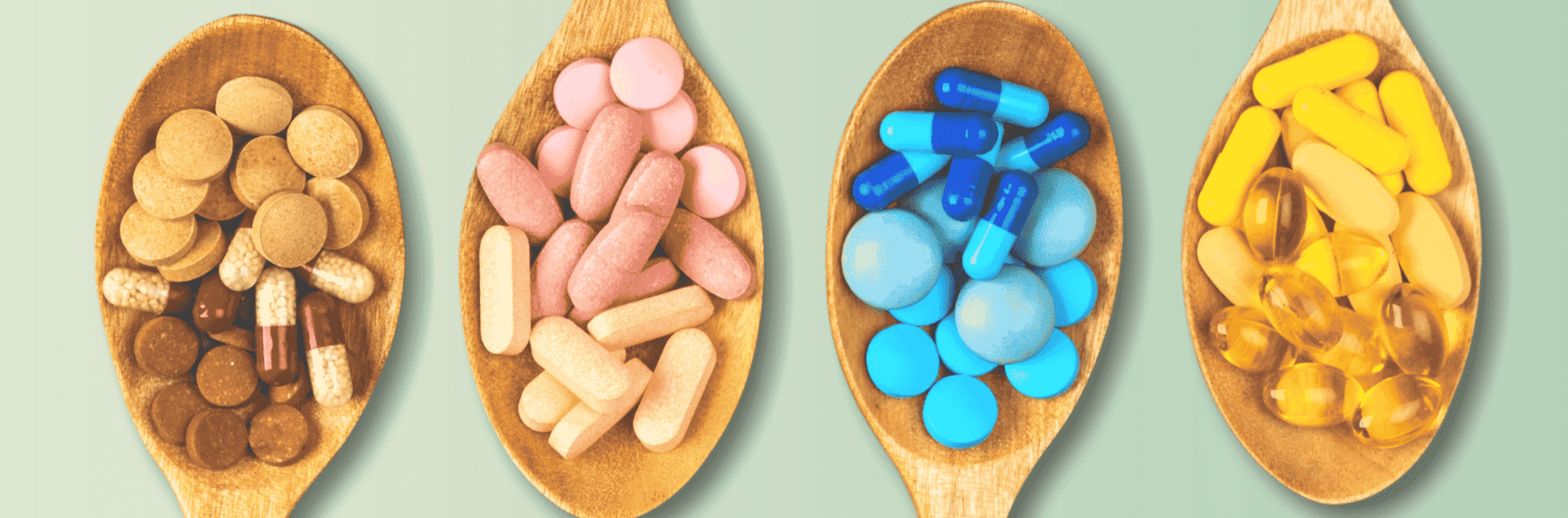
  • Vitamin D: A Ray of Prevention in Colorectal Cancer

    Vitamin D: A Ray of Prevention in Colorectal Cancer

    Rickets is the archetypical disease of vitamin D deficiency in children. It was ubiquitous in the industrialised cities of the UK. Theobald Palm finished studying medicine at the University of Edinburgh in the 1800s. The son of Scottish Presbyterian missionaries, he was born in Ceylon, now Sir Lanka. Following medical school, began medical missionary work in Japan. There he noticed that rickets was virtually absent. Had Palm remained a medical missionary, nothing might have transpired. But he returned to the UK and there he noted an epidemic of rickets in large towns that had limited sunlight exposure. As with many groundbreaking medical discoveries, for many years, Palm’s observations were largely ignored. Ultimately, following Palm’s shrewd observations, it was recognised that the production of vitamin D in the body was contingent on exposure to UVB.

    What is Vitamin D?

    Perhaps surprisingly, vitamin D is not a vitamin at all. It is actually a prohormone involved in the tight regulation of calcium and phosphate levels. Hence, it is vital for healthy bones, effective muscle contraction, immune function and other important cellular functions.

    So vitamin D has long been celebrated for its role in bone health. Yet its influence on broader health outcomes is garnering increasing attention. This is particularly the case in preventing early-onset colorectal cancer (CRC). Recent research leveraging the extensive UK Biobank data provided compelling insights into how vitamin D might play a pivotal role in warding off CRC, especially among adults under 50. The UK biobank is a huge repository of biomedical data that can be accessed by medical researchers worldwide.

    A Closer Look at the Research

    The study in question delved into the health records of 236,382 Korean adults. It tracked a range of health metrics, including serum 25-hydroxyvitamin D [25(OH)D] levels. The follow-up period averaged 6.5 years. In this time the researchers discovered that higher levels of vitamin D were associated with significantly reduced risks of developing colorectal cancer. These were findings that held strong even after adjusting for numerous potential confounders.

    Vitamin D and Its Protective Mechanisms

    What’s particularly intriguing about this study is its implications for both young and older adults. For those under 50, maintaining higher levels of vitamin D was linked with a nearly 60% reduction in CRC risk. This protective effect, although slightly attenuated, was also evident in the older cohort. Hence, the study suggests that vitamin D’s benefits span age groups.

    The biological underpinnings of vitamin D’s protective effects relate to its regulatory role of our DNA. Vitamin D helps orchestrate the expression of several genes. This includes those involved in cell growth and repair. Such mechanisms are vital for cancer prevention. Essentially, vitamin D acts much like a fastidious manager within a complex system. It ensures that everything runs smoothly and efficiently. Importantly, it also shuts down potential problems before they escalate.

    Practical Implications and Lifestyle Integration

    Given the association between vitamin D levels and reduced CRC risk, particularly among younger adults, there is a strong case for assessing your vitamin D status. This is especially the case for those with a family history of colorectal cancer. Here’s how you can incorporate this knowledge into a proactive health strategy:

    1. Regular Screening: Consider regular checks of your vitamin D levels as part of your routine health assessments. This is especially pertinent during the darker months. It’s also particularly important if your lifestyle limits sun exposure.
    2. Mindful Supplementation: If your vitamin D levels are found to be lacking, supplementation could be a key strategy. It’s a simple, safe way to potentially reduce your risk of serious health issues like colorectal cancer.
    3. Dietary Sources: Sunlight is the primary source of vitamin D. However, incorporating vitamin D-rich foods like fatty fish, fortified dairy products, and certain mushrooms can also help boost your levels.
    4. Understanding Your Genetics: The study highlighted that genetic factors might influence how vitamin D impacts us. Engaging with genetic screening could provide personalised insights, tailoring your approach to supplementation.

    A Final Thought

    We have to navigate a plethora of dietary advice and health strategies. Understanding the nuanced role of nutrients like vitamin D in disease prevention is crucial. This isn’t just about taking a supplement. It’s also about integrating a scientifically backed approach into your daily routine for long-term health benefits.

    Theobald Palm extolled the virtues not only of sunlight. He urged the use of open spaces, especially playgrounds for children. This is something we should take to heart. A vitamin D supplement may be beneficial. But the benefits of safe sun exposure, movement and nature compound to maximise health benefits. 

    British Association of Sports and Exercise Medicine  ·  European Atherosclerosis Society  · 
    Independent Doctors Federation

    As seen in The Independent, The Daily Mail and Tatler

    For educational purposes. This article is written by a practising GP and is intended to inform, not replace a consultation with your own doctor. It does not constitute medical advice. A note on clinical guidelines: Coyne Medical is an independent private clinic. Our approach is guided by the best available evidence, tailored to each individual. This may go beyond standard NHS or NICE guidance, which is designed for population-level care and weighted by resource constraints.

  • Multivitamins and Memory: The COSMOS Study

    Multivitamins and Memory: The COSMOS Study

    The debate around multivitamins (MVs) has been as divisive as pineapple on pizza. Now, I believe that pineapple on pizza is fundamentally wrong. I am also of the belief that nutrients derived from whole foods are likely better than does derived from pharmaceutical companies. However, to repeat a quote often attributed to John Maynard Keynes “When the facts change, I change my mind. What do you do, sir?” Enter the COSMOS trial, stepping into the fray like a peacekeeper, armed with data rather than diplomacy. The study’s latest findings suggest that daily multivitamin-mineral (MVM) supplementation might be the secret sauce to preserving our cognitive zest as we age. But was it enough to change my mind on multivitamins?

    From The Farm to The Pharmacy

    An ideal multivitamin is derived from whole foods. These not only deliver vitamins and minerals but also fibre that nourishes our microbiome and slows our absorption of sugar. The Iowa Women’s Health Study suggested that regular MVIs might actually increase mortality in older women. This brings us to the COSMOS trial. The initial COSMOS trial was an investigation into whether Centrum Silver or a supplement of cocoa and green tea flavonoids, could improve health outcomes.

    COSMOS: A Universe of Data

    Sponsored by the titans of industry, Pfizer and Mars Edge, the COSMOS study lasted 3.6-years and included 21,000 participants. The cocoa and green tea flavonoids were found to reduce cardiovascular mortality by 27%. The spotlight then turned to MVIs and their role in our cognitive health. In the later COSMOS-Mind paper, there was no cognitive protection with the consumption of flavonoids. However, there was a trend towards a lower incidence of mild cognitive impairment and dementia in the MVI group.

    This latest study featured an ensemble of subsets from the COSMOS trial. There participants had been assessed for cognitive changes over two years. It found that those on the MVI regimen showed modest improvements in global cognitive function and memory. This effect suggested a slowing of cognitive ageing by about two years. A modest but significant victory in the battle against time.

    The Ingredient List: A Culinary Adventure

    Examine the ingredient list of an MVI you’ll find a melange of fat-soluble vitamins, the B’s and C’s of the vitamin world, and a mineral ensemble. The COSMOS MVI (Centrum Silver) also boasted lutein, which can be beneficial for eye health and lycopene, a constituent of tomatoes that has been linked to lower blood pressure.

    To Pop or Not to Pop?

    So, should we turn to MVIs as our cognitive shields against the ravages of time? While the risk-benefit ratio of MVIs appears favourable, one can’t help but wonder if we’d be better off investing in a cornucopia of fruits and vegetables. I would prefer supporting our local farmers rather than the pharmaceutical giants.

    A Plant-Forward Path to Cognitive Health

    In the end, the COSMOS trial adds a few more threads to the ever-expanding tapestry of health research. It whispers, rather than shouts, the potential benefits of MVIs on our cognitive well-being. Perhaps the true takeaway is a reminder of the holistic approach to health. A diet rich in natural vitamins and regular physical activity might just be the recipe for a vibrant mind and body. Where a multivitamin is likely to be of benefit is for those people who are unable to access fresh or frozen fruit and vegetables.

    The best multivitamin might just be a sun-ripened tomato from your greenhouse (or Bayley and Sage in my case) or a crisp apple from the local orchard (or Fulham Greens). In the quest for cognitive longevity, it’s not about the pills we pop, but the foods we savour and the lifestyles we embrace.

    British Association of Sports and Exercise Medicine  ·  European Atherosclerosis Society  · 
    Independent Doctors Federation

    As seen in The Independent, The Daily Mail and Tatler

    For educational purposes. This article is written by a practising GP and is intended to inform, not replace a consultation with your own doctor. It does not constitute medical advice. A note on clinical guidelines: Coyne Medical is an independent private clinic. Our approach is guided by the best available evidence, tailored to each individual. This may go beyond standard NHS or NICE guidance, which is designed for population-level care and weighted by resource constraints.

  • A Closer Look At Calcium Supplements

    A Closer Look At Calcium Supplements

    Humphrey Davey wanted to study medicine. He was an apprentice to a surgeon and apocathery. But Davey never did study medicine. Instead, he became a self-taught chemist and he discovered several elements including calcium.

    The narrative surrounding calcium supplementation is as complex as it is fascinating. Calcium supplementation has roots deeply embedded in both science and societal beliefs. Calcium, the stalwart of bone health, has been championed for decades as a critical component of a healthy lifestyle. This has been particularly the case in improving bone health. This belief has not only permeated clinical guidelines but also the public consciousness. Consequently, a significant portion of the population, especially older women, incorporate calcium supplements into their daily regimen. In the United States alone, a striking 61% of women over 60 were taking calcium supplements between 2003 and 2006. This widespread adoption has catapulted calcium supplementation into a billion-dollar industry. Millions of people across various age groups seek to bolster their health through calcium supplements.

    Are Calcium Supplements Safe?

    Yet, the message of “more calcium equals better health” is increasingly being questioned. Initial studies posited that dietary calcium had a more pronounced effect on bone building compared to its supplemental counterpart. This is presumably due to its better absorption. Yet, the reality of dietary habits and the availability of calcium-rich foods means not everyone can achieve sufficient calcium intake through diet alone. All the more so with the recent trend towards milk substitutes. This underscores a potential role for supplementation in cases of dietary inadequacy.

    But as the practice of calcium supplementation has grown, so too have concerns about its safety. Recent years have seen a burgeoning debate. The discourse has been fueled by studies suggesting potential risks associated with indiscriminate calcium supplementation. Notably, a meta-analysis by Bischoff-Ferrari et al. highlighted an increased risk of hip fractures. A review of randomised clinical trials found that calcium supplementation did not correlate with a reduced risk of fractures among older adults. So, there was certainly evidence to suggest an either negative or at best neutral effect of calcium supplements on the risk of hip fractures. Remember, the main reason to take calcium is to avoid a devastating hip fracture. However, this discourse took a more concerning turn than merely suggesting a lack of benefit. Other findings suggested a significant increase in cardiovascular disease associated with calcium supplements. This was particularly the case in men.

    Are Calcium Supplements Harmful?

    Amidst this backdrop, the recent findings from a study leveraging the expansive UK Biobank dataset provide a nuanced perspective on the intersection of calcium supplementation and cardiovascular health. The research examined the associations between calcium supplementation and cardiovascular disease (CVD) events and mortality. In particular, it examined supplementation in individuals with and without diabetes. The results painted a stark picture for those with diabetes. Regular calcium supplement intake was linked to higher risks of heart disease and death in diabetics. No significant risk increase was observed in participants without diabetes.

    This dichotomy between individuals with and without diabetes underscores the need for a more tailored approach to calcium supplementation. It also challenges the prevailing “one-size-fits-all” mentality. The study’s implications are profound. It suggests healthcare providers weigh the potential adverse effects of calcium supplements against their benefits, particularly among diabetic patients.

    The dialogue surrounding calcium supplementation, once dominated by an uncritical endorsement of its benefits, is evolving. It calls for a reevaluation of how we perceive and prescribe these supplements. I would advocate for a balance that prioritises dietary sources of calcium. Supplementation should be recommended judiciously. The study serves as a reminder of the importance of personalised healthcare and the value of diet over supplements.

    British Association of Sports and Exercise Medicine  ·  European Atherosclerosis Society  · 
    Independent Doctors Federation

    As seen in The Independent, The Daily Mail and Tatler

    For educational purposes. This article is written by a practising GP and is intended to inform, not replace a consultation with your own doctor. It does not constitute medical advice. A note on clinical guidelines: Coyne Medical is an independent private clinic. Our approach is guided by the best available evidence, tailored to each individual. This may go beyond standard NHS or NICE guidance, which is designed for population-level care and weighted by resource constraints.

  • Does Salt Intake Affect Blood Pressure? New Insights from a Groundbreaking Study

    Does Salt Intake Affect Blood Pressure? New Insights from a Groundbreaking Study

    In the ever-evolving world of dietary recommendations, the role of sodium in blood pressure management has been a subject of fierce debate. A recent study, conducted across two US cities with 213 participants aged 50 to 75, sheds new light on this topic. It is especially useful for those on blood pressure medications.

    Understanding the Sodium-BP Connection

    The study aimed to explore the individual blood pressure response to dietary sodium intake. It analysed variations based on baseline blood pressure and antihypertensive medication usage. The participants, including those with normal blood pressure, controlled, uncontrolled, and untreated high blood pressure, were put on high- and low-sodium diets in a crossover design.

    Dietary Intervention: High vs. Low Sodium

    Participants first adhered to their usual diet, followed by one-week phases of high-sodium (about 2200 mg added daily) and low-sodium (totaling about 500 mg daily) diets. The primary focus was on changes in 24-hour ambulatory systolic and diastolic blood pressure, mean arterial pressure, and pulse pressure.

    Key Findings: A Shift in Blood Pressure

    The results were revealing:

    • Median Blood Pressure Changes: On usual, high-sodium, and low-sodium diets, the median systolic blood pressures were 125, 126, and 119 mm Hg, respectively.
    • Mean Arterial Pressure: The median change in mean arterial pressure between high- and low-sodium diets was 4 mm Hg, significant across all hypertension statuses.
    • Salt Sensitivity: Using the threshold of a 5 mm Hg or greater decline in mean arterial pressure, 46% of participants were classified as “salt sensitive.”

    Consistency Across Subgroups

    Interestingly, the blood pressure decline from a high- to low-sodium diet was consistent across various subgroups, including age, sex, race, hypertension status, baseline BP, diabetes, and body mass index. This suggests that dietary sodium reduction may be beneficial for a wide range of individuals.

    Conclusions: A Relevance for All

    This study reinforces the idea that reducing dietary sodium can significantly lower blood pressure in middle-aged to elderly adults. The reduction in blood pressure was independent of original blood pressure status and blood pressure medication use. This finding is particularly relevant for those seeking non-pharmacological methods to manage blood pressure.

    My Takeaway

    Reducing sodium intake isn’t just for select groups; its benefits extend broadly, offering a universally applicable approach to better blood pressure management. Of course not everyone is a “salt-responder” but if you suffer from high blood pressure then reducing dietary sodium is well worth as try.

    Please help someone else by sharing this blog. 

    British Association of Sports and Exercise Medicine  ·  European Atherosclerosis Society  · 
    Independent Doctors Federation

    As seen in The Independent, The Daily Mail and Tatler

    For educational purposes. This article is written by a practising GP and is intended to inform, not replace a consultation with your own doctor. It does not constitute medical advice. A note on clinical guidelines: Coyne Medical is an independent private clinic. Our approach is guided by the best available evidence, tailored to each individual. This may go beyond standard NHS or NICE guidance, which is designed for population-level care and weighted by resource constraints.

  • Minerals and Mood

    Minerals and Mood

    Most of us are continuously juggling multiple roles and responsibilities and hence it’s easy to overlook something as basic as our dietary habits. However, a recent study showed some fascinating insights that suggest that, from a mental health point of view, our meal choices can be incredibly influential. 

    A Deep Dive into Dietary Minerals and Depression

    A comprehensive analysis involving over 20,000 participants from the National Health and Nutrition Examination Survey (2007-2018) brought to light the complex relationship between nine key dietary minerals and depressive symptoms. These minerals studied were:

    • Calcium (Ca)
    • Phosphorus
    • Magnesium (Mg)
    • Iron (Fe)
    • Zinc
    • Copper (Cu)
    • Sodium
    • Potassium (K)
    • Selenium (Se)

    The study employed sophisticated statistical models (such as the Bayesian kernel machine regression) to assess the impact of these minerals on depression, measured by the Patient Health Questionnaire-9 (PHQ-9) scores. This is a standard tool used in primary care to quantify the extent of patients’ depression. 

    It’s Not Just What You Eat, But How They Interact

    The results were intriguing:

    • Negative Association That’s Positive: A higher intake of these minerals was linked to lower PHQ-9 scores, indicating fewer depressive symptoms.
    • Role of Selenium and Potassium: Selenium emerged as the key player, showing the most significant impact, closely followed by potassium.
    • Interactions Matter: Interactions between certain minerals, like calcium and iron, also influenced depressive symptoms.
    • Gender-Specific Effects: Interestingly, copper showed a more pronounced effect in females.

    What Does This Mean for Us?

    This study adds to the growing body of evidence suggesting that our diet, specifically mineral intake, plays a significant role in mood regulation. Minerals are not just building blocks for our bodies; they are crucial for the synthesis of mood-regulating neurotransmitters like serotonin and dopamine.

    So, What Can We Do?

    Here’s a quick guide to foods rich in these crucial minerals:

    • Nuts and Seeds: A treasure trove of selenium, especially Brazil nuts. These are are great for reducing the risk of cardiovascular disease
    • Eggs: Dubbed nature’s multivitamin. Don not worry about the Mapco of eggs on cholesterol. 
    • Cruciferous Vegetables: Such as broccoli, cabbage, and Brussels sprouts.
    • Beans: High in fibre and a useful source protein (the bean soup at la Pizzica deli is highly recommended as the source of beans!).
    • Avocados and Berries: These are rich in omega-3 fatty acids and essential minerals.
    • Leafy Greens: Folate-rich and which is important for nutrient transport to the brain.
    • Shellfish and Sardines: High in zinc and omega-3s.

    A Note on Supplementation

    While a balanced diet is the gold standard, some patients, especially those facing severe mental health challenges, might find it difficult to maintain such a diet. In these cases, a multimineral supplement might be  helpful

    We’re here not just to treat but to educate and empower. This study offers a glimpse into the significant impact of diet on mental health. Try to embrace these findings in your culinary choices. And, as always, we’re here to guide you on this journey towards a healthier, happier you.

    P.S. For personalised advice on nutrition and mental health, to check your nutrient levels or to discuss this study further, feel free to book an appointment. 

    British Association of Sports and Exercise Medicine  ·  European Atherosclerosis Society  · 
    Independent Doctors Federation

    As seen in The Independent, The Daily Mail and Tatler

    For educational purposes. This article is written by a practising GP and is intended to inform, not replace a consultation with your own doctor. It does not constitute medical advice. A note on clinical guidelines: Coyne Medical is an independent private clinic. Our approach is guided by the best available evidence, tailored to each individual. This may go beyond standard NHS or NICE guidance, which is designed for population-level care and weighted by resource constraints.