

Tag: Nutrition

  • Can Your Diet Protect You From Dementia?

    Can Your Diet Protect You From Dementia?

    Can Diet Reduce Dementia Risk?

    We often talk about food as fuel for the body. But what if it’s also medicine for the brain? This may particularly be the base if you have some metabolic dysfunction.

    new study from the UK Biobank, published in 2024, suggests that what you eat could make a meaningful difference to your dementia risk, especially if you have type 2 diabetes, heart disease, or a history of stroke. The researchers tracked over 84,000 people aged 60 and up for more than a decade. They examined their diet, health conditions, and in some cases, their brain scans.

    The Inflammation Connection

    The link between inflammation and disease certainly isn’t new. We know that chronic low-grade inflammation plays a role in heart disease, type 2 diabetes, and even dementia. The term “inflammaging” has been coined to describe this slow-burning, systemic irritation that seems to drive many age-related conditions.

    The Dietary Inflammatory Index (DII) ranks your diet based on how likely your diet is to promote inflammation. Pro-inflammatory diets are heavy in processed meat, refined carbs, processed foods and added sugars. Anti-inflammatory diets tend to be rich in vegetables, fruit, whole grains, fish, legumes and olive oil. Essentially, a Mediterranean-ish pattern wins again.

    The Main Question

    The researchers wanted to know whether an anti-inflammatory diet reduces dementia risk. This was especially pertinent for people already at higher risk due to cardiometabolic disease (CMD). CMD in this study included type 2 diabetes, heart disease, or stroke. This is because people with CMD are at higher risk of dementia. 

    In answer, the anti-inflammatory diet does reduce dementia risk, and it’s not a trivial difference.

    Compared to people without CMD who ate an anti-inflammatory diet (the “healthiest” group), those with CMD and a proinflammatory diet were more than twice as likely to develop dementia. But those with CMD who ate an anti-inflammatory diet had a 31% lower risk of dementia than their proinflammatory peers.

    They also developed dementia two years later, on average.

    Brains on Scan

    Around 9,000 people in the study had brain MRI scans. This allowed researchers to look for changes associated with cognitive decline.

    People with CMD and a proinflammatory diet had smaller grey matter volume (the brain cells you want to keep) and more white matter hyperintensities (a marker of small vessel disease and vascular injury). Those with CMD and an anti-inflammatory diet had significantly better brain structure. This was reflected by more grey matter and less white matter damage. Not perfect, but certainly better.

    A Few Caveats

    Like any good study, this one has its limitations. Diet was assessed using 24-hour food recall, which isn’t perfect. People might forget what they ate, or fudge it slightly to sound healthier. Also, the DII is based on nutrients rather than food types. So, it can’t distinguish between plant-based and animal-based proteins, or account for cooking methods that might influence the inflammatory load of a meal.

    Still, participants with higher DII scores had higher levels of inflammatory markers in their blood. This lends credence to the idea that the DII is capturing something meaningful.

    The Takeaway – avoid the takeaway

    If you’ve already got diabetes, heart disease or a history of stroke, your brain may be more vulnerable. But your diet might offer a way to fight back.

    Choosing anti-inflammatory foods won’t reverse existing brain damage, but it might slow the progression of cognitive decline. At the very least, it’s a low-risk strategy. It also benefits your cardiovascular health, blood pressure, gut, and energy levels. 

    If your goal is to keep your brain sharp, go for plenty of colour on the plate. A good example might be salmon and lentils over sausage rolls and white bread. It’s not about perfection. It’s more about shifting the odds in your favour.

    And in this case, the odds are worth shifting.

    British Association of Sports and Exercise Medicine  ·  European Atherosclerosis Society  · 
    Independent Doctors Federation

    As seen in The Independent, The Daily Mail and Tatler

    For educational purposes. This article is written by a practising GP and is intended to inform, not replace a consultation with your own doctor. It does not constitute medical advice. A note on clinical guidelines: Coyne Medical is an independent private clinic. Our approach is guided by the best available evidence, tailored to each individual. This may go beyond standard NHS or NICE guidance, which is designed for population-level care and weighted by resource constraints.


  • Enhancing Your Child’s Nutrition: The Power of Longer Family Mealtimes

    Enhancing Your Child’s Nutrition: The Power of Longer Family Mealtimes

    As parents, we strive to provide the best nutrition for our children to ensure that they develop healthy eating habits that will benefit them throughout their lives. While we receive plenty of advice on what’s best for our kids, it’s important to know that these recommendations are supported by scientific evidence. One common belief is that family mealtimes have multiple advantages for children, including improved socialisation, stronger relationships, and potentially better nutrition. But do we really have concrete evidence to support this claim? A recent study conducted in Germany sheds light on this topic, revealing fascinating findings that can benefit both parents and their children.

    The study was a randomised controlled trial involving 50 parent–child pairs. It sought to investigate the impact of longer meal times on children’s fruit and vegetable intake. In comparison to regular mealtime lengths, extending mealtime by 50% resulted in increased consumption of fruits and vegetables by the children. Furthermore, the children in the longer mealtime group reported higher feelings of satiety and demonstrated increased water consumption. On average, the mealtime extension was only a mere 10 minutes.

    Implications for Families:

    For families struggling to encourage their children to consume recommended amounts of fruits and vegetables, this study offers a promising low-risk intervention. While the study’s sample size was small, the positive effect observed with longer mealtime durations suggests that families could potentially benefit from this strategy. The key takeaway is that even a brief extension of mealtime, averaging just 10 minutes, can provide significant nutritional advantages. This finding holds practical importance for public health, as consuming an additional daily portion of fruits and vegetables reduces the risk of cardiometabolic disease by 6% to 7%.

    Benefits of Longer Mealtime:

    The study specifically found that the increased intake of fruits and vegetables during longer meals did not result in greater consumption of other food items. This reinforces the notion that longer mealtime durations facilitate a slower eating rate, leading to increased satiety and potentially reducing snacking between meals. Additionally, longer family meals create a conducive atmosphere for fostering healthier eating habits, potentially lowering the risk of obesity in children.

    Practical Strategies for Implementing Longer Mealtime:

    Establishing longer mealtime routines may seem challenging, but there are several strategies that families can employ to make this a successful and enjoyable experience. Firstly, choose a mealtime that is most likely to succeed, avoiding rushed mornings and selecting a time when everyone can gather together. Accommodating children’s preferences, such as playing their favourite music in the background, can make the experience more enjoyable (Party in the U.S.A. being a particular favourite in our kitchen). Transparent rules, such as everyone staying at the table for a certain period, help create structure and consistency. While these strategies may not work every time, habit change requires effort and can be fostered through consistent practice.

    Strengths and Limitations:

    It’s important to note that the study was conducted in a laboratory setting, which may limit the generalisability of the findings to natural eating environments. The sample used in the study also had limited ethnic and socioeconomic diversity, warranting further exploration in more diverse populations. Additionally, the long-term sustainability of the intervention’s effects remains uncertain and requires further investigation.

    The findings of this clinical trial highlight the potential benefits of increasing family mealtime duration by as little as 10 minutes. By incorporating this simple and low-cost intervention, parents can improve their children’s diets and eating behaviours. Establishing new routines may require effort, but the long-term impact on children’s intake of fruits and vegetables can contribute significantly to addressing the major public health concern of poor nutrition. Remember, ensuring the availability of fruits and vegetables on the table is vital for maximising the effects of this intervention.

    As parents, let’s embrace the power of longer family mealtimes to nourish our children and cultivate lifelong healthy eating habits. By prioritising these moments together, we can promote not only physical well-being but also strengthen our family bonds.

    British Association of Sports and Exercise Medicine  ·  European Atherosclerosis Society  · 
    Independent Doctors Federation

    As seen in The Independent, The Daily Mail and Tatler

    For educational purposes. This article is written by a practising GP and is intended to inform, not replace a consultation with your own doctor. It does not constitute medical advice. A note on clinical guidelines: Coyne Medical is an independent private clinic. Our approach is guided by the best available evidence, tailored to each individual. This may go beyond standard NHS or NICE guidance, which is designed for population-level care and weighted by resource constraints.
  • The Link Between Alcohol Intake and Longevity: Insights from a Systematic Review and Meta-Analysis

    The Link Between Alcohol Intake and Longevity: Insights from a Systematic Review and Meta-Analysis

    Alcohol consumption has been a controversial topic in the health and wellness community for years. While some studies have suggested that moderate alcohol consumption can have health benefits, others have found a strong association between alcohol consumption and all-cause mortality. A recent systematic review and meta-analysis of 107 cohort studies conducted between 1980 and 2021 sheds new light on this topic and provides valuable insights into the association between alcohol intake and mortality, particularly in relation to longevity and healthspan.

    The history of human alcohol consumption dates back far longer than controversy regarding its effect on longevity. Indeed, alcohol was sometimes the only safe liquid to drink when clean drinking water was a rarity. Alcohol consumption can be dated to the Neolithic period, around 10,000 BCE. Archaeological evidence suggests that humans in the Middle East and China were fermenting beverages from ingredients like grapes, rice, and honey during this time. The earliest evidence of a specific alcoholic beverage is a 9,000-year-old Chinese fermented beverage made from rice, honey, and fruit. Other ancient fermented beverages include mead made from honey and wine made from grapes. The consumption of alcoholic beverages has been an important part of human culture for thousands of years.

    Sumeria, located in modern-day Iraq, was one of the earliest civilisations in the world, and its people were known for their advancements in agriculture, metallurgy, and writing.

    Sumerians were skilled brewers and consumed beer on a daily basis. They brewed their beer from barley, which was a staple crop in the region. The beer was made by baking barley bread, crumbling it, and then soaking it in water. The mixture was then left to ferment, with the natural yeast present in the air causing the liquid to turn into beer.

    Beer was an important part of Sumerian culture, and it was consumed during religious ceremonies, as well as in everyday life. The Sumerians even had a goddess of beer, named Ninkasi, who was worshipped for her ability to provide them with the drink.

    Alcohol consumption has been around for thousands of years. I have always thought it odd that something that has endured for so long could be dangerous in moderation. The objective of this recent study was to investigate the association between alcohol use and all-cause mortality. It also had another objective. To find out how sources of bias may change results. Sources of bias include, “former drinker bias” where previous drinkers are lumped together with lifelong abstainers. The data sources were a systematic search of PubMed and Web of Science, which identified studies published between January 1980 and July 2021. Cohort studies were identified by systematic review to facilitate comparisons of studies with and without some degree of controls for biases affecting distinctions between abstainers and drinkers.

    The study identified 107 studies of alcohol use and all-cause mortality published from 1980 to July 2021, with 4,838,825 participants and 425,564 deaths available for analysis. Mixed linear regression models were used to model relative risks, first pooled for all studies and then stratified by cohort median age (<56 vs ≥56 years) and sex (male vs female). The data were analyzed from September 2021 to August 2022.

    The study found that higher amounts of alcohol consumption were associated with an increased risk of all-cause mortality. This finding was statistically significant, indicating that excessive alcohol consumption can have serious health consequences. The study also revealed that there was a reduction in the all-cause mortality rate among occasional drinkers compared with nondrinkers, but this finding was not statistically significant. This finding confirms a J-shaped risk. That is, there is a protective association at low amounts of alcohol and increasing risk at higher amounts. Interestingly, J-shaped curves appear a lot in longevity. Particularly in relation to exercise and longevity. 

    The results of the study were then further analysed based on sex, and it was found that females had an increased risk of all-cause mortality at lower levels of alcohol consumption. This is an important finding as it highlights the need to consider sex-specific recommendations for alcohol consumption to promote longevity and healthspan.

    The study also compared its results with those of previous meta-analyses and found that the risk estimates may have been affected by the number and quality of studies available at the time, especially those for women and younger cohorts. This highlights how important it is to continue to conduct high-quality studies on the association between alcohol use and mortality to better understand its effects on longevity and healthspan.

    This updated systematic review and meta-analysis provides the best current evidence that daily low or moderate alcohol intake is not significantly associated with all-cause mortality risk, while the increased risk is evident at higher consumption levels, starting at lower levels for women than men. The study suggests that drinking more than 25 g, or 3 UK units, of alcohol per day or more is associated with an increased risk of mortality. 3 units are just over a pint of 4% beer or a small glass of wine. This is a critical finding for improving longevity and healthspan given that excessive alcohol consumption can lead to numerous health problems, including liver disease, cancer, and cardiovascular disease. In the context of human history, the study findings make sense when it is considered that for most of human history beer had a low alcohol content. 

    British Association of Sports and Exercise Medicine  ·  European Atherosclerosis Society  · 
    Independent Doctors Federation

    As seen in The Independent, The Daily Mail and Tatler

    For educational purposes. This article is written by a practising GP and is intended to inform, not replace a consultation with your own doctor. It does not constitute medical advice. A note on clinical guidelines: Coyne Medical is an independent private clinic. Our approach is guided by the best available evidence, tailored to each individual. This may go beyond standard NHS or NICE guidance, which is designed for population-level care and weighted by resource constraints.
  • Small Dietary Changes, Big Health Benefits: Lowering Cancer Risk with Non-Processed Foods

    Small Dietary Changes, Big Health Benefits: Lowering Cancer Risk with Non-Processed Foods

    Are you concerned about your cancer risk? A new study from the European Prospective Investigation into Cancer and Nutrition (EPIC) suggests that making a small change to your diet may significantly reduce your risk of cancer and thus improve longevity.

    The study found that when 10% of ultra-processed foods were replaced with non-processed foods, the overall risk of cancer and of specific cancers, such as colon and postmenopausal breast cancers, decreased. Crucially, these results held true even when adjusted for other risk factors for cancer such as BMI, alcohol and dietary intake, and food quality.

    So what are ultra-processed foods? They include foods like processed meats, fizzy drinks, packaged snacks, and ready meals. These foods typically contain eye-wateringly high levels of added sugar, salt, and fat, along with artificial colours, flavours, and preservatives. Unfortunately, these food have also been designed to taste great. 

    The study’s findings suggest that the processing of food may play a role in cancer development. By replacing just a small portion of ultra-processed foods with non-processed options, you may be able to reduce your cancer risk.

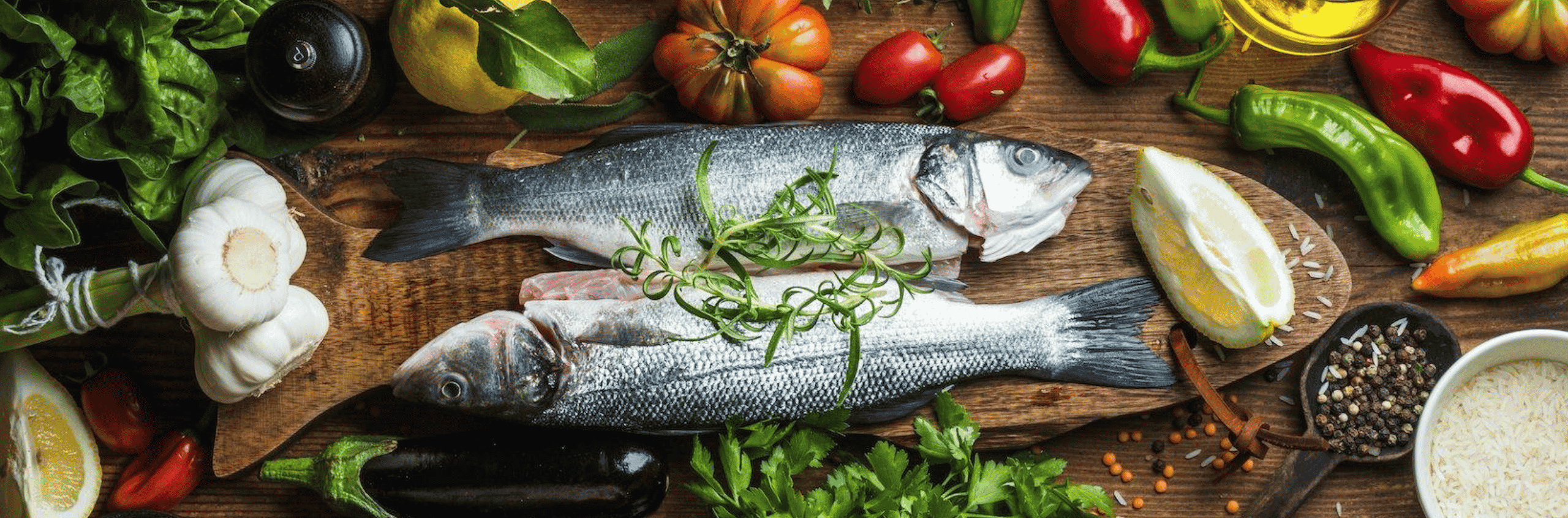
    Non-processed foods, by contrast, are foods that are minimally processed and remain close to their natural state. Examples, of course, include fruits, vegetables, whole grains, nuts, and seeds.

    The EPIC study is a large-scale epidemiological study that has investigated the association between dietary intake and cancer risk. The study recruited over 500,000 participants from 23 centres across 10 European countries between 1991 and 2001. Participants completed dietary questionnaires and were followed up for an average of 15 years. The study used the NOVA food processing classification system to categorise foods based on their level of processing. This system categorises foods into four groups: unprocessed or minimally processed foods, processed culinary ingredients, processed foods, and ultra-processed foods.

    The study found that a 10% increase in the proportion of ultra-processed foods in the diet was associated with a 12% increase in overall cancer risk. In contrast, a 10% increase in the proportion of unprocessed or minimally processed foods was associated with a 10% decrease in overall cancer risk. The study also found that a higher intake of ultra-processed foods was associated with an increased risk of specific types of cancer, including breast, colorectal, and throat cancer.

    Overall, the study provides strong evidence that reducing the intake of ultra-processed foods and increasing the intake of unprocessed or minimally processed foods may lower the risk of developing cancer. It’s important to note that this study was a prospective cohort substitution study, meaning that it didn’t directly measure the effects of diet on cancer risk. Rather, it analysed the effects of substituting certain foods in the diet with other foods.

    Despite this limitation, the study’s findings remain compelling. If you’re looking to reduce your cancer risk, consider making small changes to your diet. Replace processed snacks with fresh fruits or veggies or nuts, swap sugary drinks for water (I drink a lot of naturally flavoured sparkling water) or unsweetened tea, and choose whole grains over refined grains. By making these simple changes, you may be able to reduce your cancer risk and improve your overall healthspan.

    British Association of Sports and Exercise Medicine  ·  European Atherosclerosis Society  · 
    Independent Doctors Federation

    As seen in The Independent, The Daily Mail and Tatler

    For educational purposes. This article is written by a practising GP and is intended to inform, not replace a consultation with your own doctor. It does not constitute medical advice. A note on clinical guidelines: Coyne Medical is an independent private clinic. Our approach is guided by the best available evidence, tailored to each individual. This may go beyond standard NHS or NICE guidance, which is designed for population-level care and weighted by resource constraints.

  • The Mediterranean Diet for Preventing Heart Disease

    The Mediterranean Diet for Preventing Heart Disease

    “Diets, like clothes, should be tailored to you.” Joan Rivers

    According to Maimonides, a Philosopher born in Córdoba in what is now modern day Spain, “No disease that can be prevented by diet should be treated with any other means”. Although he lived almost a thousand years ago, there is more than a grain of truth in this statement. In her excellent TEDX talk, Dr Sarah Hallberg, makes a compelling argument that this is the case with Type 2 Diabetes. As the Medical Director of the Medically Supervised Weight Loss Program at IU Health Arnett, she is in a good position to know. 

    Now for the science bit…

    Unfortunately, a significant problem with any research into preventing disease is that it is inherently difficult to do. There are a number of reasons for this. Firstly, confounding factors play a big role. For example, a person who does one healthy behaviour – such as doing regular exercise – is more likely to eat a healthier diet. Researchers try to get around this by matching as closely as possible each group of participants in a study. However, it’s difficult to mitigate for everything. Secondly, it is hard to do dietary studies over a long period of time. Some people will drop out; some will get bored of the diet; some will make stuff up in their food diaries to keep the researcher happy. The latter is known as self-reporting bias. Thirdly, there is little money invested in finding out which broad diet might be the healthiest and good studies require lots of resources – and therefore lots of money. Many studies on diets are also prone to recall bias. This occurs with retrospective studies where two groups, one with a disease and one without, are asked to recall whether they ate lots of a certain food, say, cola bottle sweets. The researchers are hoping that those with the disease will say “Yeah, I ate loads of cola bottle sweets.” Then just before they publish their research paper they can hold a press conference and say “Cola bottle sweets cause disease X!”

    Recently, an article in the New England Journal of Medicine on the Mediterranean Diet gained a lot of media attention. For a number of reasons, this diet is worth close examination. The purpose of this study was primarily to test how good the Mediterranean Diet was in a head-to-head (also referred to as a randomised control trial) against a low fat diet in preventing heart disease, strokes, and deaths from all cardiovascular diseases (CVD) in otherwise healthy people. This is what is known as a primary prevention study. In contrast, a secondary prevention study would look at people who already had heart disease. The researchers also wanted to test whether two variations of the Mediterranean diet had any impact on health outcomes. One variation placed more importance on olive oil and the other placed more emphasis on nuts. So, these researchers were testing out Maimonides’ hypothesis – that a Mediterranean Diet can prevent heart disease and ultimately prevent the need for treatment by means other than diet.

    Who was in this study?

    One of the aspects that makes this study so interesting is the group of people the researches included. Although none of the participants had CVD when the study started, all of them had medical conditions or lifestyle behaviours that put them at high risk of CVD. The male participants were aged between 55-80 and the women between 60-80. This is an important point. If you are not over 55 and at high risk of CVD then the results are considerably less applicable to you. The researches likely chose patients who were at high risk of CVD for two reasons. Firstly, it is more likely that there will be a beneficial effect in people at higher risk. If they were doing this study in healthy people, they would have needed to enrol far more people to see any effect. Secondly, the people in this study – and in the population in general – really need an effective dietary intervention to prevent CVD. 

    A further important point that makes this study impressive is that as all the participants were unhealthy to begin with. Both the Mediterranean Diet and low fat diet were likely to be an improvement on what they were already eating. You might be thinking why, if the researchers want to get impressive results, did they not have one group of participants on their usual diet? This would have introduced what is known as performance bias. At the beginning and throughout the study, participants received coaching from dieticians. Participants also had assessments to check their adherence to the diet. Keeping people on their standard fare diet would have meant that they’d have received less attention than the other participants. Thus, they would have been at even more of a disadvantage. One source of performance bias that was present in the study was that the control group on the low fat diet received less coaching than the two Mediterranean Diet groups. 

    As I mentioned earlier, the goal of this study was to see the effect of a dietary intervention on an amalgamation of the number heart attacks, strokes, and deaths from all cardiovascular diseases. This is what is known as a composite end point. This study was geared from the outset to establish the effect of diet on this composite. 

    What was in the diet?

    One of the attractive aspects of the Mediterranean diet is – in my opinion – its simplicity. The dietary recommendations for the participants in the study were:

    Mediterranean Diet

    • Extra-virgin olive oil, greater than 4 tablespoons per day
    • Tree nuts and peanuts, greater than 3 servings per week
    • Fresh fruits, greater than 3 servings per day
    • Vegetables, greater than 2 servings per day
    • Fish, especially fatty fish such as tuna, salmon and mackerel, greater than 3 servings per week
    • Legumes (bean, peas and lentils), greater than 3 servings per week
    • Sofrito (diced carrots, celery, onions and garlic fried gently in extra-virgin olive oil) which forms the basis of many sauces in the Mediterranean, greater than 2 servings per week
    • White meat rather than red meat
    • Wine – yes, wine – with meals, greater than or equal to 7 glasses per week. This was optional for what the researchers called “habitual drinkers.”

    Foods that were discouraged included sweet fizzy drinks, commercial bakery goods, sweets and pastries, fat spreads and red and processed meats. 

    The low fat diet group were encouraged to eat:

    • Low fat dairy products
    • Breads, potatoes, pasta, and rice
    • Vegetables
    • Fresh fruit
    • Lean fish and seafood

    So who wins in the battle of Mediterranean vs Low Fat?

    For the composite end point I mentioned above, the Mediterranean diet resulted in a relative risk reduction of having either one of heart disease, strokes, and deaths from all cardiovascular diseases of 30%. A more useful way of looking at the data is numbers needed to treat. This tells us how many patients I would need to treat to prevent one person from getting one of the diseases in the composite end point. Crunching the numbers shows that, for the Mediterranean nut group, I would need to treat between 46-53 people to prevent one having heart disease, stroke, or death from any CVD; for the Mediterranean olive oil group, it is 56-232. 

    It is worth noting that in the subgroups that made up the composite, the two Mediterranean diets only showed a statistically significant benefit in reducing the number of strokes. However, remember the study was only powered to deliver a statistically significant result for the composite end point. 

    As mentioned early, dietary trials are difficult to do well. This trial is no different. The reason it gained press attention is that it was retracted and then republished. There were several reasons for the retraction. These included that some members of the same family were in the study but not randomised and that some people in the low-fat group ate a Mediterranean diet. After correcting for their errors, the researchers ran the analysis again and came to the same conclusion.

    Overall, the Mediterranean diet certainly shows some benefit in preventing CVD for people who are at risk. This study is certainly an important one. However, it is one of several that confirm the benefits of a Mediterranean diet. So if this diet appeals to you and is aligned with your dietary beliefs I think it is the optimal diet for health. A diet needs to align with your beliefs for you to stick with it. Hence, diets should be, to an extent, personalised. Diet is, though, only part of the picture. It is likely that the reason for longevity in so many Mediterranean communities is a composite. In addition to diet, daily exercise, fasting, sense of community and socialisation, spirituality, sunshine and clean air all contribute.

    British Association of Sports and Exercise Medicine  ·  European Atherosclerosis Society  · 
    Independent Doctors Federation

    As seen in The Independent, The Daily Mail and Tatler

    For educational purposes. This article is written by a practising GP and is intended to inform, not replace a consultation with your own doctor. It does not constitute medical advice. A note on clinical guidelines: Coyne Medical is an independent private clinic. Our approach is guided by the best available evidence, tailored to each individual. This may go beyond standard NHS or NICE guidance, which is designed for population-level care and weighted by resource constraints.

  • Your Microbiome…much more than just some friendly bacteria

    Your Microbiome…much more than just some friendly bacteria

    The microbiome is big news in the health world. The study of those friendly bacteria in our gut has made enormous advancements and has changed the way we understand our immune system and our health.

    What is the microbiome?

    Our microbiome is the collective name for the bugs that live in our gut and all the genetic material that belongs to them. Our bodies contain 100 trillion of them, weighing over 4 pounds in our guts alone. The quantity, diversity and specific species of microbes is dependent on a number of factors. The first 2 to 3 years of life are very important in the establishment of your microbiome. Starting with birth, our gut starts to be cultivated with microbes from our mother’s birth canal, followed by those present in breast milk.  Growing up on a farm, having a pet, and playing in nature as much as possible, are all positively associated with having an abundant and varied microbiome.

    Conversely, your early childhood years can be responsible for negative changes to your gut flora. Caesarean sections, formula feeding and recurrent antibiotics are not gut-friendly. Repeated doses of antibiotics in childhood are associated with an increased risk of type 2 diabetes and obesity. There are clearly many situations where caesareans and antibiotics are life-saving or unavoidable and how we were born or how we give birth to our own children is often out of our control – we can only do our best. It certainly has changed my professional decision making with regards to prescribing antibiotics, adding to the existing concern about over-use and resistance.  Some experts recommend (and I believe it is common medical advice in other countries) that if a young child does need antibiotics, then a course of probiotics at the same time, along with some fermented foods like yoghurt or kefir would be a good idea.

    But why is all of this important?  What does our microbiome do?

    The full extent of the marvel of this newly discovered organ is probably beyond the scope of this article, but it is important to start thinking about looking after your gut and making decisions based on maintaining it’s health.  We have learnt that it forms 70% of our immune system, that it produces many hormones and neurotransmitters that are important in managing our mood, that is has an important role in regulating the inflammation in our bodies and hence impacts our risk of chronic diseases and that changes in the numbers and type of microbes can have positive and negative effects on our weight.

    How to better my microbiome?

    Fortunately, there are a lot of simple and practical things that we can do to improve and support our microbiome and help to support our immune system, reduce our risk of chronic diseases and help to regulate our mood.  You may immediately think of probiotics, those live bacteria in the form of drinks or capsules that you hope may set up a new life in your gut.  Unfortunately, many never it make it as far as the large intestine and so are rendered useless.  There is a lot of hype around probiotics and unfortunately little science behind most of them.  They can be a good idea however when using antibiotics, you just need to choose wisely.

    The food approach…

    It is much better to have a ‘food first’ approach. Start with limiting the amount of processed and sugary foods, then aim to eat at least 5 different vegetables, ideally of 5 different colours every day. I heard the other day that we have increased our broccoli consumption by 940% in the past 25 years. Now we all know that we should eat our greens but are you aware of the amazing properties that broccoli has? Broccoli is one of a group of foods known as pre-biotics that provide the fibre that our gut bugs thrive on. Others include onions, garlic, bananas, leeks, cauliflower and Jerusalem artichokes. The gut bugs feed on this fibre in the large intestine and produce various by-products including short-chain fatty acids, or SCFAs. These SCFAs, of which butyrate is one of the most studied, are anti-inflammatory. This means they can help to reduce inflammation which can lead to heart disease, Alzheimers and arthritis. Cruciferous vegetables like broccoli also have an role in your immune system in the small intestine. So we are wise to have increased our broccoli intake so much!

    It is encouraging to know that when you start to eat differently, your microbiome will start to change within 2 to 3 days. Incorporating 5 different vegetables into your diet every day will accelerate the process of optimising it. The different colours found in these foods contain different compounds known as phytonutrients. We are only just starting to understand the amazing benefits of these substances but do know that they help heart health, fight cancer cells and reduce inflammation and brain ageing. Polyphenols, a particular type of phytonutrient have powerful antioxidant effects, which means they help to mop up the damage caused by everyday natural body processes, keeping your body in harmony. These can be found in berries, green tea and flax seeds, but also in red wine, good quality chocolate and coffee – so feeding your microbiome can also feed your soul!

    Whilst manufactured probiotic products may not be worth it, adding fermented products to your diet is a good natural option – especially if homemade!  Foods such as yoghurt, kefir, kombucha, kimchi and sauerkraut come ready made with lots of ‘good bacteria’ already present and so are a healthy addition to any diet.

    The exercise approach…

    It isn’t just food that can affect our microbiome. There is evidence that exercise can increase microbial diversity. There is also evidence that our gut microbes have their own circadian rhythm and that allowing a good period of fasting every day between dinner and breakfast of at least 12 hours can increase the number of specific species associated with better weight control and insulin sensitivity. Prioritising sleep is hugely beneficial to lots of areas of health and gut health is no exception.

    I anticipate that in the future, the research coming out in this area will be fascinating, with possible practical implementations to use microbes in the treatment and prevention of disease, maybe with personalised probiotic supplements. Faecal transplants are already used successfully in the treatment of resistant cases of a bowel infection called Clostridium difficile…who knows what use it may have in the future! I think for now, the message is to look after your gut through adopting healthy lifestyle habits. Eat the rainbow, limit processed and sugary foods, spend time in nature or doing the gardening, prioritise sleep and exercise, and allow a good period of time each night for your gut to rest. Now, pass the broccoli!

    British Association of Sports and Exercise Medicine  ·  European Atherosclerosis Society  · 
    Independent Doctors Federation

    As seen in The Independent, The Daily Mail and Tatler

    For educational purposes. This article is written by a practising GP and is intended to inform, not replace a consultation with your own doctor. It does not constitute medical advice. A note on clinical guidelines: Coyne Medical is an independent private clinic. Our approach is guided by the best available evidence, tailored to each individual. This may go beyond standard NHS or NICE guidance, which is designed for population-level care and weighted by resource constraints.