
Tag: lifespan

  • What your mouth can tell you about your health

    What your mouth can tell you about your health

    Most people think of oral health as something their dentist handles. Bleeding gums, cavities, the occasional check-up. What most people do not know is that the health of your mouth has a direct and well-evidenced connection to your heart, your immune system, and your metabolic health. What happens in your mouth does not stay there.

    The bacteria that cause gum disease do not simply sit in your gums. They enter your bloodstream. They have been found inside the walls of arteries. They trigger inflammatory signals that affect your heart, your blood sugar, and your immune response. Research shows that treating gum disease reduces a key marker of systemic inflammation by an amount comparable to some dedicated lifestyle interventions. This is not a fringe idea. It is increasingly recognised as one of the most overlooked connections in medicine.

    At Coyne Medical, we include an oral health screen as part of the Ultimate Health Screening for exactly this reason. This guide explains what the test looks at, what the results mean, and why your mouth is worth including in any serious health assessment.

    What the oral health screen measures

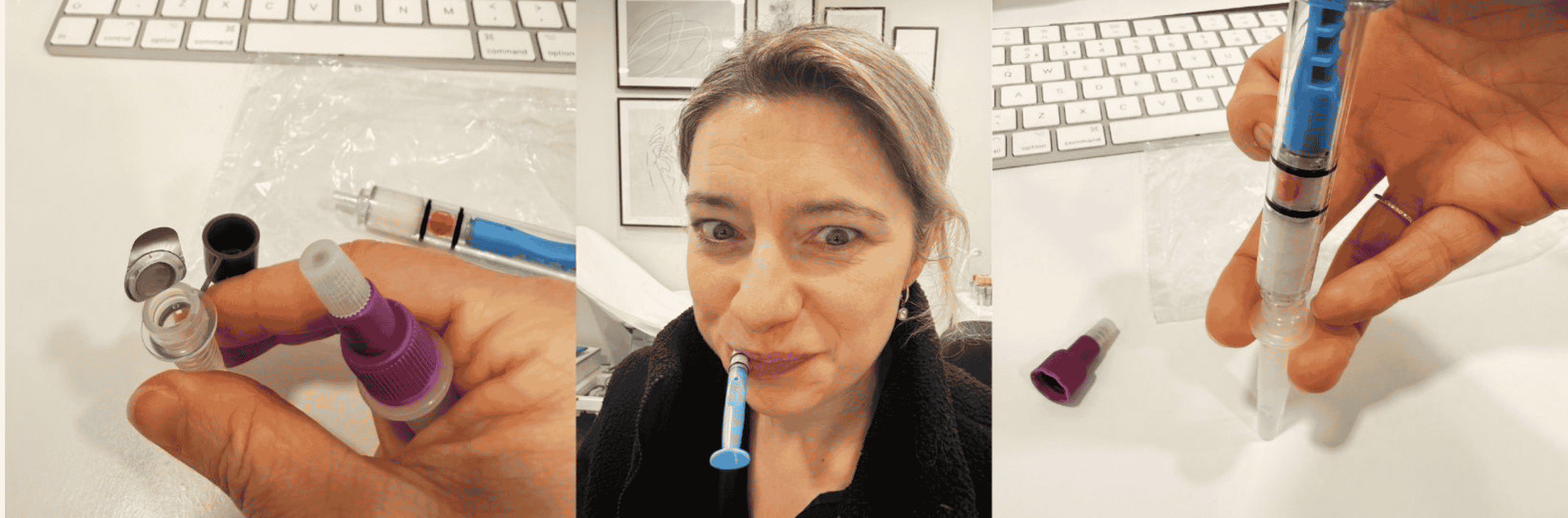
    The test is simple. During your GP assessment, we use a small cotton swab to collect a saliva sample. That sample is then applied to a test card and analysed on the spot. No laboratory, no waiting weeks for results. The findings feed directly into your overall results consultation.

    The sample is measured across six markers.

    P. gingivalis is the main bacterium responsible for gum disease. It is also the organism most directly linked to cardiovascular and gut consequences of oral inflammation. Researchers have found it not just near arterial plaques but inside them. The test shows whether levels are within the good range, poor, or very poor.

    MMP-8 is an enzyme your immune system releases when gum tissue is under attack. Raised levels indicate active inflammation in the gums, often before you have noticed any symptoms yourself.

    Salivary pH measures how acidic your mouth is. A pH between 6.5 and 8.5 supports a healthy balance of bacteria. A more acidic environment lets harmful bacteria thrive and protective ones retreat.

    Buffering capacity is your mouth’s ability to neutralise the acids that bacteria produce. When this is low, the risk of enamel erosion increases and the conditions for an imbalanced bacterial environment are in place.

    Nitric oxide is a molecule that plays a role in keeping blood vessels healthy and blood pressure regulated. Part of it is produced through activity in the mouth, which makes salivary nitric oxide a useful window into cardiovascular and metabolic health.

    Salivary proteins are part of your mouth’s first line of defence against infection and inflammation. Low levels suggest that defence is reduced.

    All six results are reviewed by your Coyne Medical GP alongside your cardiovascular markers, metabolic blood results, and full clinical picture. That is what makes the findings meaningful rather than just numbers on a page.

    Why oral health affects the rest of your body

    Your heart

    Gum disease increases the risk of coronary heart disease by roughly 25 to 35 percent. The bacteria responsible for gum disease can enter the bloodstream through inflamed gum tissue and travel to the arteries, where they contribute to the build-up of plaques. They also trigger the production of inflammatory molecules that drive that process further. These are the same inflammatory signals that cardiologists spend significant effort trying to reduce.

    Studies have shown that treating gum disease lowers a widely used marker of inflammation in the body by a meaningful amount after six months of treatment. That is a real clinical effect from addressing something that needed treating anyway.

    Your blood sugar

    The relationship between gum disease and type 2 diabetes runs in both directions. High blood sugar creates an environment in which harmful oral bacteria thrive. And in turn, chronic inflammation from gum disease makes it harder for the body to regulate blood sugar effectively. Treating gum disease has been shown to improve blood sugar control in people with type 2 diabetes. The mouth is part of the metabolic picture.

    Your immune system

    Your mouth is home to over 700 species of bacteria, making it the second most diverse microbial environment in the body after the gut. When that balance tips toward a harmful mix, the effects do not stay local. You swallow around 1.5 litres of saliva every day, and whatever bacteria are living in your mouth travel with it. Harmful oral bacteria have been found in inflamed gut tissue. Chronic oral inflammation also primes immune cells in ways that can amplify inflammatory responses throughout the body.

    Understanding your results

    Each of the six markers is rated across a range from good to very poor, with reference values in the report. A result outside the optimal range is not a diagnosis. It is a signal worth understanding in the context of everything else your health screen has found.

    Some patterns that commonly come up and what they tend to suggest:

    Elevated P. gingivalis alongside raised inflammatory markers elsewhere in the blood results points toward gum disease as an active contributor to systemic inflammation. The starting point is almost always a dental review and professional periodontal assessment.

    Low buffering capacity combined with a poor salivary pH often reflects frequent consumption of acidic foods or drinks, and can also indicate dehydration or mouth breathing, both of which carry broader health implications worth discussing.

    Low nitric oxide, particularly alongside elevated blood pressure or cardiovascular risk markers, adds a useful piece to the cardiovascular picture. Increasing dietary nitrate through vegetables has good evidence in this context and is something your GP can discuss with you at the results consultation.

    Low salivary proteins can reflect immune suppression, chronic stress, or nutritional factors. It is most useful when considered alongside the full screening picture rather than in isolation.

    What happens next

    Where all six markers are within normal ranges, no specific action is needed beyond maintaining good oral hygiene and seeing your dentist regularly.

    Where results fall outside optimal ranges, your Coyne Medical GP will discuss the findings at your results consultation. Depending on what is found, this may include a referral to a dentist or periodontist for professional assessment, dietary changes targeting specific markers, further investigation of relevant blood markers, or a follow-up review at three to six months.

    The oral health screen does not replace dental care. Its role is to make sure that meaningful signals in your mouth are not missed in the gap that tends to exist between medical and dental medicine

    Frequently asked questions

    Is the oral health screen a dental test? No. It is a health screen that uses saliva to look at markers connected to cardiovascular risk, inflammation, and metabolic health. It complements your dental care but does not replace it. All results are reviewed by a Coyne Medical GP, not a dentist.

    Do I need to have gum disease for this to be relevant to me? No. Many people with elevated oral inflammatory markers have no symptoms at all. The test is most valuable as part of a comprehensive health screen precisely because it can identify signals before they become visible problems.

    Why is this test included in the Ultimate Health Screening? Oral health is one of the most well-evidenced and most overlooked contributors to cardiovascular risk and systemic inflammation. Including it within a comprehensive screen allows the findings to be interpreted alongside cardiovascular, inflammatory, and metabolic data, which is where the clinical value lies.

    What is P. gingivalis and why does it matter? It is the main bacterium responsible for gum disease, and the one most directly linked to effects beyond the mouth. It has been found inside arterial plaques and in inflamed gut tissue. Most people have never heard of it, but it is one of the more significant organisms in the body from a systemic health perspective.

    Will my results be shared with my dentist? Not automatically. The report belongs to you, and many patients choose to share it with their dentist as a starting point for a conversation about their gum health. Your Coyne Medical GP can help you understand what to share and how.

    Is a saliva test accurate enough to be clinically useful? The test measures specific biochemical markers directly from saliva and is designed for use in clinical settings. It does not replace a full laboratory periodontal analysis, but as a systemic risk indicator within a comprehensive health screen and interpreted by a GP alongside other clinical findings, it provides genuinely useful information.

    A note from Dr Lucy Hooper

    Medicine and dentistry are treated as separate disciplines, but the biology does not respect that division. Your gut begins in your mouth. Inflammatory signals from your gums enter your bloodstream. Bacteria from your oral environment travel to your arteries and your gut. Yet in most medical settings, the mouth is simply not examined.

    We added the oral health screen to the Ultimate screening because we want to close that gap. Not to become dentists, but to make sure that when we are reviewing someone’s cardiovascular risk or their inflammatory markers, we are not ignoring something significant and treatable happening upstream. For some patients, what we find in their saliva will be the most actionable result in the whole screen.

    Discover the Ultimate Health Screening

    The oral health screen is one part of the Coyne Medical Ultimate Health Screening. It sits alongside whole body MRI, VO2 max testing, pharmacogenomics, a 55 gene inherited cancer risk panel, and a full advanced blood panel. Find out what is included and how to book.

    British Society for Genetic Medicine  ·  European Atherosclerosis Society  · 
    Independent Doctors Federation

    As seen in BBC, The Guardian, Women’s Health, The Times and Tatler

    For educational purposes. This article is written by a practising GP and is intended to inform, not replace a consultation with your own doctor. It does not constitute medical advice. A note on clinical guidelines: Coyne Medical is an independent private clinic. Our approach is guided by the best available evidence, tailored to each individual. This may go beyond standard NHS or NICE guidance, which is designed for population-level care and weighted by resource constraints.


  • Blood Pressure Is the Most Important Number You’re Ignoring

    Blood Pressure Is the Most Important Number You’re Ignoring

    When people talk about longevity, they usually mention things like cold plunges, mushroom powders, or the latest supplement that “everyone in Silicon Valley is taking.” But if you ask most doctors,  the kind who deal with real patients, not just podcasts, the top of the list is something far less glamorous, blood pressure.

    Blood Pressure: The Silent Killer That’s Surprisingly Common

    High blood pressure, or hypertension, is often called the silent killer. And for good reason. It doesn’t usually cause symptoms. There’s no rash, no pain, no warning light. But over time, it quietly raises your risk of heart attacks, strokes, kidney disease and dementia.

    When it comes to blood pressure, there’s a simple rule worth remembering. It’s known as the “Rule of Halves”:

    • About half of all adults have high blood pressure.
    • Half of those are undiagnosed.
    • Half of those who are diagnosed aren’t treated.
    • And half of those treated aren’t treated properly.

    That’s a lot of people wandering around thinking they’re in good shape because they “feel fine.”

    But I Had My Blood Pressure Checked at My GP Surgery…

    Let’s talk about how blood pressure is usually measured. You sit in a clinic. You’ve walked fast to get there or worried about parking wardens, probably had a coffee beforehand. Someone wraps a cuff around your arm and tells you to relax.

    That one-off reading might be useful, but it’s also a bit like checking the weather by glancing out the window for five seconds. You’re not getting the full picture.

    Enter the Hilo Band

    The Hilo Band is a wearable device that takes a different approach. It uses photoplethysmography (PPG),  a light-based sensor on your wrist, to monitor the shape and flow of your pulse wave. It’s not just counting your pulse. It’s analysing how your blood pressure behaves throughout the day and night using Pulse Wave Analysis (PWA).


    Hilo gives you multiple readings over 24 hours, including while you sleep. And the band only records when you’re still, which improves accuracy. It’s like having a calm, unobtrusive nurse quietly checking your pressure in the background. And yes, it looks good too. Like a minimalist fitness tracker had a child with a hipster bracelet.

    Real Life Data, Not Waiting Room Guesswork

    This continuous monitoring means you get a clearer, more accurate view of your blood pressure patterns. As opposed to a single, possibly elevated reading in a GP’s office. It can help catch masked hypertension (normal readings in clinic but high at home) or white coat syndrome (high in clinic, normal elsewhere).

    That matters because earlier detection means earlier action, which can include everything from lifestyle tweaks to proper medication, guided by real-world data rather than guesswork.

    Blood Pressure and Longevity: The Real Biohack

    If you’re serious about healthspan (although I hate that word as it sounds like management consultant jargon!), not just how long you live, but how well, then keeping your blood pressure in check is arguably more effective than most so-called biohacks.

    You don’t need exotic pills or 18-step routines. You need good sleep, a Mediterranean-ish diet, regular movement… and control of your blood pressure.

    If you’re going to invest in a wearable, make it one that actually improves your health, not just a random, clinically meaningless “health score.”

    If you’re ready to try it, check them out here: Hilo Band

    Blood pressure control isn’t new or flashy. But it works. And with a tool like the Hilo Band, it’s easier than ever to track, understand and act on. Because knowing your numbers, in your real life, not just under fluorescent clinic lights, is one of the smartest longevity moves you can make. 

    British Association of Sports and Exercise Medicine  ·  European Atherosclerosis Society  · 
    Independent Doctors Federation

    As seen in The Independent, The Daily Mail and Tatler

    For educational purposes. This article is written by a practising GP and is intended to inform, not replace a consultation with your own doctor. It does not constitute medical advice. A note on clinical guidelines: Coyne Medical is an independent private clinic. Our approach is guided by the best available evidence, tailored to each individual. This may go beyond standard NHS or NICE guidance, which is designed for population-level care and weighted by resource constraints.

  • Why ApoB Matters For Your Heart Health

    Why ApoB Matters For Your Heart Health

    If you care about your heart, then you’ve probably been told to keep an eye on your cholesterol. For decades, low-density lipoprotein cholesterol (LDL-C) has been the poster child for cardiovascular risk. The higher your LDL-C, the higher your risk of heart attack and stroke. So we measure it, we target it, and we try to lower it.

    However, it is little known that LDL-C is just a proxy. What actually damages arteries is not the cholesterol floating around your blood, but the particles that carry it. Each of those particles has, on it’s surface, a protein called apolipoprotein B (apoB). The more apoB particles you have, the more chances they have to burrow into your artery walls and trigger atherosclerosis.

    ApoB is, in effect, a headcount of all the atherogenic particles in your blood. For years, evidence has been mounting that it is a better marker of risk than LDL-C. In 2019, European guidelines even stated that apoB was more accurate, easier to measure, and more precise. And yet LDL-C still reigns supreme in clinical practice.

    Why isn’t ApoB used more in clinical practice?

    The reason Apob is not used more frequently in current clinical practice is partly inertia. It is also partly habit. And it is partly the argument that LDL-C and apoB are so highly correlated, it makes no practical difference. If you lower one, you lower the other. So many cardiologists and primary care doctors would argue, why bother changing the guidelines?

    A new UK Biobank study has put that argument to bed.

    What this new study found about ApoB

    Researchers followed nearly 300,000 healthy adults for 11 years. They looked at LDL-C, non-HDL cholesterol, triglycerides and apoB, and tracked how each one related to future heart attacks and strokes.

    Yes, LDL-C and apoB were highly correlated. But the correlation was not perfect. At any given LDL-C level, individual apoB levels varied widely. Two people could have the same LDL-C, but one might have far more apoB particles quietly driving up their cardiovascular risk.

    Across every LDL-C or non-HDL-C level, people with higher apoB levels had significantly more cardiovascular events. ApoB gave extra risk information that LDL-C or non-HDL-C simply missed.

    When the researchers ran adjusted statistical models, apoB consistently came out on top as the stronger predictor of risk. LDL-C added no meaningful information once apoB was taken into account.

    Triglycerides too? Same story. ApoB still won.

    Some guidelines only recommend testing apoB if your triglycerides are high. The idea is that apoB might only be useful in those cases, when cholesterol particles are small and harder to measure accurately using standard tests. But this study found no support for that.

    In fact, apoB was consistently useful regardless of triglyceride levels. Even when triglycerides were taken into account, apoB still gave meaningful extra information about risk. The reverse wasn’t true. Once you knew someone’s apoB, their triglyceride level didn’t add much.

    This suggests apoB is giving us more useful insight, across the board, not just in people with high triglycerides.

    Because in clinical practice, we are treating individual patients, not population averages. Knowing your apoB level helps tailor your treatment far more accurately. Without it, there is too much guesswork. Two patients with the same LDL-C could have very different numbers of atherogenic particles, and very different risk.

    We now have safe and powerful therapies, from statins to PCSK9 inhibitors. But they are costly and need to be used wisely. ApoB is the best tool we have to target those therapies to the right people.

    Why has ApoB not been widely adopted yet?

    One argument that is frequently given is cost. But measuring apoB is inexpensive. In the US, it would raise lipid testing costs by about 1 percent. And in reality, once apoB is used, there is little need to keep measuring LDL-C or non-HDL-C, so the total cost of care need not rise.

    Another barrier is familiarity. Doctors and labs are used to ordering LDL-C. Changing habits takes time. But with evidence like this, the argument for change is becoming hard to ignore.

    ApoB is the best available measure of atherosclerotic risk. LDL-C and non-HDL-C are imperfect stand-ins. If you want the most accurate picture of your cardiovascular risk, you should know your apoB.

    If you are already on treatment, it is the best way to know if your therapy is working. If you are not yet on treatment but considering it, it can help you and your doctor make a better-informed decision.

    If guidelines and clinical practice catch up to the evidence, we will prevent more heart attacks and strokes. And that, surely, is the whole point.

    British Association of Sports and Exercise Medicine  ·  European Atherosclerosis Society  · 
    Independent Doctors Federation

    As seen in The Independent, The Daily Mail and Tatler

    For educational purposes. This article is written by a practising GP and is intended to inform, not replace a consultation with your own doctor. It does not constitute medical advice. A note on clinical guidelines: Coyne Medical is an independent private clinic. Our approach is guided by the best available evidence, tailored to each individual. This may go beyond standard NHS or NICE guidance, which is designed for population-level care and weighted by resource constraints.

  • Ultra-Processed Foods: Are They Really That Bad for You

    Walk into any supermarket and try to avoid ultra-processed foods. It’s nearly impossible. Ready meals, packaged snacks, ‘healthy’ protein bars, and supermarket bread. They all fall into this category. Even some foods marketed as nutritious are ultra-processed, full of additives, preservatives, and ingredients that barely resemble anything found in nature.

    We’ve long suspected they’re bad for us. But a massive new study has put the nail in the coffin. The more ultra-processed food you eat, the worse your health outcomes. Heart disease, obesity, type 2 diabetes, depression, and even early death; the risks go up across the board.

    What Are Ultra-Processed Foods?

    Ultra-processed foods (UPFs) are not just ‘junk food.’ They’re industrially formulated products packed with refined ingredients, chemical additives, and preservatives. The NOVA classification system groups food into four categories, with UPFs being the worst offenders. Think:

    • Pre-packaged meals
    • Fizzy drinks
    • Instant noodles
    • Mass-produced supermarket bread
    • Flavoured yoghurts with a list of ingredients longer than your arm
    • Protein bars masquerading as healthy options
    • Most breakfast cereals

    Essentially, ultra-processed food contains things you wouldn’t find in a normal kitchen: emulsifiers, artificial sweeteners, colourings, and stabilisers.

    What Does the Science Say?

    new study reviewing data from nearly 10 million people has confirmed what we’ve suspected for a while: the more ultra-processed food you eat, the worse your health outcomes. Some of the key findings:

    • All-cause mortality: UPFs are linked to a higher risk of dying earlier.
    • Cardiovascular disease: Increased risk of heart attacks, strokes, and related deaths.
    • Type 2 diabetes: Strong evidence that UPFs contribute to insulin resistance and metabolic dysfunction.
    • Obesity and abdominal fat: They make you gain weight and store fat in all the wrong places.
    • Mental health issues: Higher rates of anxiety, depression, and even poor sleep patterns.

    These effects aren’t just from eating ‘bad’ foods like crisps and fizzy drinks. Even some foods we’ve been led to believe are healthy (high-protein snacks, low-fat yoghurts, certain plant-based alternatives) are ultra-processed and have similar effects.

    Why Are They So Bad?

    Ultra-processed foods are uniquely harmful for several reasons:

    1. Nutrient-Poor, Calorie-Dense
      They’re high in sugar, salt, and unhealthy fats, while lacking fibre, protein, and micronutrients. This leads to overconsumption and nutrient deficiencies.
    2. Disrupting the Gut Microbiome
      Additives, emulsifiers, and artificial sweeteners disturb gut bacteria, leading to inflammation, digestive issues, and even poor mental health.
    3. Inflammation and Metabolic Chaos
      Many of the chemical byproducts from food processing are pro-inflammatory, meaning they contribute to chronic diseases, from heart disease to autoimmune conditions.
    4. Engineered for Overconsumption
      These foods are designed to be hyper-palatable, triggering dopamine hits and encouraging overeating. Have you ever noticed how easy it is to eat an entire pack of biscuits but almost impossible to overeat steak and veg? That’s not an accident.

    Exposure to Harmful Chemicals
    The packaging itself can be a problem. It can leach chemicals like bisphenols and microplastics into food, which then enter our bodies.

    What Should You Do?

    You don’t need to live like a monk. But cutting back on UPFs is one of the best things you can do for your health. Here’s how:

    • Stick to real food: If it had a face, grew from the ground, or needed little intervention before reaching your plate, it’s a good choice.
    • Shop the perimeter of the supermarket: That’s where you’ll find meat, fish, eggs, fruit, veg, and dairy.
    • Check the ingredients list: If it reads like a chemistry experiment, think twice.
    • Cook more at home: It doesn’t have to be complicated. Simple meals with whole ingredients will always beat processed alternatives.
    • Follow the 80/20 rule: You don’t have to eliminate UPFs completely, but they should be an occasional treat rather than a daily staple.

    Final Thought

    You don’t need to listen to three-hour longevity podcasts to figure out what to eat. The healthiest diet is the simplest. Eat mostly real food, cook when you can, and don’t get sucked into the marketing hype.

    British Association of Sports and Exercise Medicine  ·  European Atherosclerosis Society  · 
    Independent Doctors Federation

    As seen in The Independent, The Daily Mail and Tatler

    For educational purposes. This article is written by a practising GP and is intended to inform, not replace a consultation with your own doctor. It does not constitute medical advice. A note on clinical guidelines: Coyne Medical is an independent private clinic. Our approach is guided by the best available evidence, tailored to each individual. This may go beyond standard NHS or NICE guidance, which is designed for population-level care and weighted by resource constraints.

  • The New RSV Vaccine: What You Need to Know

    The New RSV Vaccine: What You Need to Know

    We can now offer vaccination against RSV (respiratory syncytial virus (RSV). This is great news so we can protect our patients from this nasty infection.

    💉 Great news! We can now offer vaccination against Respiratory Syncytial Virus (RSV). It causes serious respiratory infections in babies, older adults, and those with weakened immune systems.

    This new RSV vaccine can help protect vulnerable groups and reduce hospitalisations. Here’s everything you need to know.

    🔍 Understanding RSV

    What is RSV?

    RSV is a common respiratory virus that can cause:
    ✅ Runny nose 🤧
    ✅ Coughing & sneezing 😷
    ✅ Fever 🌡️
    ✅ Shortness of breath 🫁

    👶 In babies, RSV can lead to bronchiolitis—a severe lung infection.
    👂 In older children, it can cause middle ear infections & croup.

    💡 How does RSV spread?

    • Through coughing & sneezing 🤧
    • By touching contaminated surfaces (RSV can survive for hours!) 🦠
    • From close contact with infected people 👥
    ⚠️ Who is at Risk?

    RSV can affect anyone, but some groups are more vulnerable:

    👶 Babies under 6 months (especially those born August to November)
    🏥 Premature babies or those with lung or heart conditions
    🧓 Older adults (60+ years)—RSV can be fatal for some
    🤒 People with weakened immune systems

    Each year, thousands of babies, children, and adults in the UK are hospitalized due to RSV. Now, we finally have a vaccine to help prevent it! 🎉

    💉 The RSV Vaccine: How It Works

    The RSV vaccine (Abrysvo® by Pfizer) is NOT a live vaccine. It works by:
    1️⃣ Exposing your immune system to a small part of the virus (an antigen).
    2️⃣ Helping your body develop protective antibodies.
    3️⃣ Allowing your immune system to recognise & fight RSV quickly if exposed.

    💪 The result? A much lower risk of serious RSV infection!

    📊 How Effective is the RSV Vaccine?

    For Infants (via Maternal Vaccination)

    👩‍🍼 Pregnant women who receive the vaccine pass antibodies to their babies. This has been shown to:
    ✅ Reduce severe RSV infections in newborns by ~80%

    For Older Adults (60+ years)

    📊 Studies show that vaccinated adults have an 80% lower chance of severe RSV infection.
    ⏳ Protection has been shown to last at least 2 years.

    ⚠️ Is the RSV Vaccine Safe?

    Yes! The vaccine has been rigorously tested and used in real-world settings, such as the USA, since 2023.

    Possible Mild Side Effects (like other vaccines):

    💪 Soreness at the injection site
    🤕 Mild fever or headache
    🦵 Muscle aches

    🚨 If you have a history of allergic reactions to a vaccine, consult your doctor before getting vaccinated.

    👩‍⚕️ Who Should Get the Vaccine?

    Currently, the RSV vaccine is licensed in the UK for:

    🤰 Pregnant women (recommended at 28–36 weeks of pregnancy)

    • Antibodies pass to the baby through the placenta
    • If you miss the timing, you can still get vaccinated later in pregnancy, antibodies can also be passed through breast milk 🍼

    👵 Older adults (60+ years)

    • RSV can cause hospitalisations & deaths in older adults
    • The vaccine is especially important for those with lung or heart disease

    🏥 Where to Get Vaccinated?

    NHS Eligibility

    ✔️ Pregnant women—Available during routine antenatal care
    ✔️ Older adults—Currently offered to:

    • 📅 Ages 75–79
    • 📅 Ages 80+ (if you turned 80 after 1st September 2024 and before Aug 31, 2025)
      🩺 Check with your NHS GP to confirm availability.

    Private Vaccination at Coyne Medical

    🏥 We offer RSV vaccination for:
    ✅ Pregnant women (28–36 weeks)
    ✅ All adults aged 60+

    📅 Book an appointment online or contact us to schedule your RSV vaccination today!

    🔮 Looking Ahead

    Currently, there is no RSV vaccine licensed for babies & young children in the UK.
    🔬 However, monoclonal antibody treatments are available for high-risk infants under hospital care.

    📢 Take Action – Protect Yourself & Your Loved Ones!

    💡 With ongoing research, we hope to see more RSV protection options available soon!

    ✅ Pregnant? Over 60? Get vaccinated today!
    📅 Book your RSV vaccine now to stay protected.

    💬 Got questions? Contact us at Coyne Medical—we’re happy to help!

    British Society for Genetic Medicine  ·  European Atherosclerosis Society  · 
    Independent Doctors Federation

    As seen in BBC, The Guardian, Women’s Health, The Times and Tatler

    For educational purposes. This article is written by a practising GP and is intended to inform, not replace a consultation with your own doctor. It does not constitute medical advice. A note on clinical guidelines: Coyne Medical is an independent private clinic. Our approach is guided by the best available evidence, tailored to each individual. This may go beyond standard NHS or NICE guidance, which is designed for population-level care and weighted by resource constraints.

  • Unleashing the Power of High-Intensity Exercise: Insights from the CENIT Trial

    Unleashing the Power of High-Intensity Exercise: Insights from the CENIT Trial

    Exercise has long been recognised as a key factor in maintaining a healthy heart and reducing the risk of coronary artery disease (CAD). A recent study called the CENIT trial has provided some valuable insights into the benefits of high-intensity interval training (HIIT) for patients with established CAD. Published in the European Journal of Preventive Cardiology, this research reveals how HIIT can counteract disease progression and promote cardiovascular health. 

    Coronary artery disease occurs when atherosclerosis, or plaque, builds up in the arteries that supply blood to the heart. Over time, plaques can increase in volume and become unstable and rupture leading to a stroke or a heart attack. Atheroma volume, which measures the amount of plaque present in the arteries, is a crucial indicator of CAD severity and has been shown to increase the likelihood of future cardiac events.

    To better understand the impact of exercise on CAD, let’s examine the exercise interventions in the CENIT trial. The study consisted of two groups: the high-intensity interval training (HIIT) group and the control group. Each group had a specific exercise program.

    1. High-Intensity Interval Training (HIIT) Group: Participants in the HIIT group engaged in two supervised exercise sessions per week for a duration of 6 months. Each session began with a 10-minute warm-up at a moderate intensity (around 60% to 70% of peak heart rate). This was followed by four intervals of intense exercise, lasting for four minutes each, at an intensity of 85% to 95% of peak heart rate. Active recovery periods, lasting for three minutes at a moderate intensity, were included between intervals. The sessions concluded with a 5-minute cooldown period. The HIIT sessions involved activities such as walking or running on a treadmill, bicycling, or other exercises that engaged large muscle groups. Participants were encouraged to use a wearable device to track their heart rate and activity levels during the HIIT sessions. This allowed them to maintain the desired intensity and monitor their progress. In addition to the supervised sessions, participants were advised to engage in home-based endurance training. This included performing intervals and any other physical activities that involved dynamic work with large muscle groups.
    2. Control Group: The control group followed contemporary preventive guidelines for physical activity without receiving further supervision. They were encouraged to engage in regular physical activity of moderate intensity for 30-60 minutes on more than 5 days per week. Not only was this exercise not supervised but it was not monitored unlike in the intervention group.

    The CENIT trial focused on the effects of supervised HIIT on coronary plaque geometry in patients with stable CAD who had undergone percutaneous coronary intervention (PCI). Here’s what they found:

    1. Regression of Atheroma Volume: Patients who participated in 6 months of supervised HIIT experienced significant regression in atheroma volume compared to those following standard preventive guidelines. This means that the plaque buildup in their arteries was reduced, potentially lowering their risk of future coronary events.
    2. Improved Cardiorespiratory Fitness: The HIIT group exhibited a significant improvement in peak oxygen consumption (VO2peak), which measures cardiorespiratory fitness. By increasing VO2peak, HIIT enhances the overall health of the cardiovascular system.
    3. Positive Body Composition Changes: Patients in the HIIT group also experienced reductions in body mass index (BMI) and waist circumference. These improvements in body composition are important markers of metabolic health and can contribute to a reduced risk of CAD and related complications.

    The findings from the CENIT trial provide reasonable evidence for the effectiveness of HIIT in managing CAD and improving cardiovascular health. It is, however, difficult to tease out from the study whether it was the supervision of exercise, or wearing a monitor that someone else was tracking or the HIIT that had the greatest benefits. Based on these results, here are some key takeaways to consider:

    1. Consult An Experienced Personal Trainer: If you have established CAD or are at risk for heart disease, consult a very experienced personal trainer who is confident in managing patients who have stable heart disease. They can provide personalised recommendations based on your health status and previous exercise experience.
    2. Embrace High-Intensity Interval Training (HIIT): Consider incorporating supervised HIIT sessions into your exercise routine under professional supervision. HIIT involves short bursts of intense exercise alternated with active recovery periods, making it an efficient and time-effective workout option. But note, the intervention group did not just do HIIT, they also did low-intensity exercise. 
    3. Prioritise Exercise: HIIT’s positive impact on atheroma volume regression, improved cardiorespiratory fitness, and positive body composition changes highlight the importance of exercise as a core component of cardiac rehabilitation programs. When compared to another study looking at the effects of high-intensity statin on plaque lipid volume, high-intensity exercise combined with low-intensity exercise had an effect comparable effect to that of a high-intensity statin.
    4. Monitor Your Exercise: The intervention group wore a wearable and knew they were being monitored. Use a wearable and get an accountability partner to keep you on track. 

    The CENIT trial provides evidence that high-intensity interval training, supervised by a personal trainer and the wearing of a fitness tracker can effectively counteract disease progression and improve cardiovascular health in patients with established coronary artery disease. Participating in supervised HIIT sessions can lead to a reduction in atheroma volume, improved cardiorespiratory fitness, and positive body composition changes.

    British Association of Sports and Exercise Medicine  ·  European Atherosclerosis Society  · 
    Independent Doctors Federation

    As seen in The Independent, The Daily Mail and Tatler

    For educational purposes. This article is written by a practising GP and is intended to inform, not replace a consultation with your own doctor. It does not constitute medical advice. A note on clinical guidelines: Coyne Medical is an independent private clinic. Our approach is guided by the best available evidence, tailored to each individual. This may go beyond standard NHS or NICE guidance, which is designed for population-level care and weighted by resource constraints.

  • Trucheck™ vs. Galleri®: Comparing Advanced Blood Tests for Early Cancer Detection

    Trucheck™ vs. Galleri®: Comparing Advanced Blood Tests for Early Cancer Detection

    Introduction – The Future of Cancer Screening with Advanced Blood Tests

    Cancer screening has taken a significant leap forward with the introduction of advanced blood tests like Trucheck™ and Galleri®. These innovative screening methods aim to detect cancer at its earliest stages, providing vital information for timely interventions and improved outcomes. In this blog, we will compare Trucheck™ and Galleri®, exploring their scientific principles, advantages, and considerations, to help you make informed decisions about cancer screening.

    How Do Trucheck™ and Galleri® Blood Tests Work?

    Trucheck™ – Detecting Circulating Tumor Cells (CTCs)

    Trucheck™, developed by Datar Cancer Genetics, focuses on detecting circulating tumour cells (CTCs) and circulating ensembles of tumour-associated cells (C-ETACs) in peripheral blood samples. By employing primary negative enrichment, Trucheck™ enables the survival of malignant cells while allowing non-malignant cells to undergo apoptosis (programmed cell death). The subsequent analysis of tissue-specific markers on these cells helps identify cancer types and their likely organ of origin. Trucheck™ offers high sensitivity, specificity, and an overall advantage in detecting over 70 solid organ cancers.

    Galleri® – Analyzing Cell-Free DNA (cfDNA) for Cancer Detection

    Galleri®, another groundbreaking blood test, detects over 50 types of cancer and predicts the origin of cancer signals with high accuracy. This test examines the methylation patterns of cell-free DNA (cfDNA) found in the bloodstream. Methylation patterns, which regulate gene expression, can be altered in cancer, contributing to tumour growth. By leveraging next-generation sequencing (NGS) and machine-learning algorithms, Galleri® analyses the methylation patterns of cfDNA to identify cancer-specific abnormalities. These patterns provide valuable information about the presence and origin of potential cancers.

    Accuracy & Sensitivity of Each Test

    Trucheck™ demonstrates an overall sensitivity ranging from 82.5% to 88.2% for different cancer types. It boasts a specificity of 99%, correctly identifying 99 out of 100 individuals without cancer. False positives occur at an estimated rate of 1% to 3% according to the studies available so far. Trucheck™ has been designed as a complement to, not replacement for, standard cancer screening, offering peace of mind to individuals with negative results while prompting further tests or referrals for those with positive results.

    Galleri®, as demonstrated in the SYMPLIFY study, achieved a sensitivity of 66.3% overall, ranging from 24.2% for stage I cancers to 95.3% for stage IV cancers. This demonstrates Galleri’s ability to detect cancer signals across various stages but that it is most reliable with later-stage tumours. With a positive predictive value (PPV) of 75.5% and a negative predictive value (NPV) of 97.6%, Galleri®shows promise in accurately identifying individuals with cancer. The test’s specificity stands at 98.4%, further enhancing its precision in distinguishing cancer from non-cancer cases.

    Availability & Cost – Which Test is More Accessible?

    Trucheck™ is available as a standalone test or add-on service for patients undergoing health screening at Coyne Medical and several other private clinics in London and beyond. It may not be covered by healthcare insurance or the NHS prior to a formal cancer diagnosis. Further diagnostic procedures and referrals prompted by positive results may require self-payment.

    On the other hand, Galleri® is currently being evaluated in clinical trials and is not widely available outside of these trials. The SYMPLIFY study demonstrated its potential in a cohort of patients referred for diagnostic investigations related to suspected gynaecological, lung, and gastrointestinal cancers. It is not currently available in the UK in private care. It is only available through NHS research trials. 

    Considerations and Future Implications:

    Both Trucheck™ and Galleri® have the potential to revolutionise cancer screening, but it’s important to consider certain factors. Trucheck™ offers a broader range of tests for different cancer types, while Galleri’s focus lies in detecting over 50 cancer types. Trucheck™ uses CTCs and their clusters as biomarkers, primarily for solid organ malignancies, whereas Galleri® examines cfDNA methylation patterns.

    While Trucheck™ and Galleri® boast impressive sensitivity, it’s crucial to understand that false negatives can still occur. Neither test can replace standard screening methods such as mammograms, colon cancer screening, or cervical screening. Additionally, the emotional impact and potential for anxiety associated with both tests’ results should be taken into consideration.

    Looking ahead, the development of advanced blood tests like Trucheck™ and Galleri® brings us closer to a future where early cancer detection becomes a reality. These tests have the potential to complement existing screening methods, offering individuals a comprehensive and personalised approach to cancer prevention and treatment.

    Trucheck™ and Galleri® blood tests represent groundbreaking advancements in cancer screening, utilising cutting-edge technologies and scientific understanding to improve early detection rates. Trucheck™ focuses on CTCs, while Galleri® examines cfDNA methylation patterns. Both tests demonstrate considerable accuracy and hold promise for transforming cancer diagnosis and treatment.

    It is essential to consult with healthcare professionals to determine the most suitable screening approach based on individual risk factors, age, and personal medical history. By considering these innovative blood tests alongside standard screening methods, we move closer to a future where early cancer detection becomes the norm, leading to better outcomes and improved quality of life. Trucheck™ cancer screening blood test is available at Coyne Medical. Learn more on our website here.

    Book a Cancer Blood Test in London at Coyne Medical

    It is essential to consult with healthcare professionals to determine the most suitable screening approach based on individual risk factors, age, and personal medical history. By considering these innovative blood tests alongside standard screening methods, we move closer to a future where early cancer detection becomes the norm, leading to better outcomes and improved quality of life. Trucheck™ cancer screening blood test is available at Coyne Medical.

    British Association of Sports and Exercise Medicine  ·  European Atherosclerosis Society  · 
    Independent Doctors Federation

    As seen in The Independent, The Daily Mail and Tatler

    For educational purposes. This article is written by a practising GP and is intended to inform, not replace a consultation with your own doctor. It does not constitute medical advice. A note on clinical guidelines: Coyne Medical is an independent private clinic. Our approach is guided by the best available evidence, tailored to each individual. This may go beyond standard NHS or NICE guidance, which is designed for population-level care and weighted by resource constraints.

  • Trucheck™: Empowering Early Cancer Detection through Advanced Blood Screening

    Trucheck™: Empowering Early Cancer Detection through Advanced Blood Screening

    Can a Blood Test Really Detect Cancer?

    At Coyne Medical, we strive to provide our patients with the latest advancements in healthcare technology. In line with our commitment to offering the best screening options, we are excited to introduce Trucheck™, a revolutionary cancer screening blood test developed by Datar Cancer Genetics. Trucheck™ aims to detect cancer at its early stages which can potentially lead to improved outcomes, streamlined treatments, and reduced morbidity. In this blog, we will explore the features, advantages, and considerations associated with Trucheck™, shedding light on why it is a powerful addition to our health screening services.

    The Urgency of Early Cancer Diagnosis:

    The statistics on cancer are startling. 1 in 2 individuals born after 1960 will be diagnosed with cancer during their lifetime. Unfortunately, the majority of cancers (48%) are currently diagnosed at later stages (3 or 4). This often leads to more aggressive treatments and poorer outcomes. Detecting cancer early, specifically at stage 1, can significantly improve survival rates and make treatments more effective. Trucheck™ aims to address this critical need for early diagnosis by leveraging cutting-edge technology and scientific advancements.

    Understanding Trucheck™: The Science Behind the Test

    Trucheck™ is a cancer-screening blood test. It utilises the concept of circulating tumour cells (CTCs) and circulating ensembles of tumour-associated cells (C-ETACs) in blood samples. Through a process known as primary negative enrichment, Trucheck™ selectively allows non-malignant cells to undergo apoptosis (programmed cell death) while enabling the survival of malignant cells. These malignant cells are then analysed using multiplexed fluorescence immunocytochemistry (ICC) to identify tissue-specific markers associated with various different cancer types.

    The presence of CTCs alone is not diagnostic of cancer. Instead, a positive Trucheck™ result indicates a high risk of cancer, providing valuable information about the likely type of cancer (e.g., adenocarcinoma) and its potential organ of origin (e.g., lung). A positive result should prompt further tests or referrals, which may involve additional costs and might not be covered by private medical insurance or provided by the NHS until a formal cancer diagnosis is established. False positives, although relatively rare (estimated at 1% to a maximum of 3% in studies), can occur.

    The Test Procedure and Pre-Test Consultation:

    Detailed information about the Trucheck™ test, including its procedure, can be found on our website making it a valuable resource for patients considering this screening option. To ensure the best possible experience and outcomes, we offer pre-test consultations. During these consultations, we review the patient’s medical history, assess suitability, identify high-risk factors, and address any concerns or questions.

    Who Can Benefit from the Trucheck™ Cancer Screening Blood Test?

    Trucheck™ is suitable for individuals aged 18 and above who are asymptomatic or have minor symptoms not requiring urgent investigation. It is particularly recommended for patients who wish to take advantage of the opportunity to identify their risk of cancer at an early stage, aiding in timely diagnosis and treatment. The test selection varies based on age and gender, with options such as Trucheck™ Intelli (for over 40 years of age, detecting over 70 tumour types), Trucheck™ Breast (females over 40 years of age), Trucheck™ Prostate (males over 45 years of age), and Trucheck™ Colon (over 40 years of age).

    Advantages of Trucheck™:

    1. Early Cancer Detection: Trucheck™ has the ability to detect cancers at an early stage, even before symptoms manifest, leading to better treatment outcomes and improved survival rates.
    2. Comprehensive Screening: Trucheck™ Intelli offers a broad spectrum of detection, encompassing more than 70 types of early-stage cancer within the asymptomatic population.
    3. Sensitivity and Specificity: Trucheck™ demonstrates high sensitivity (e.g., 88.2% for Trucheck™ Intelli) in correctly identifying cancer cases, minimising false negatives, and achieving a specificity of 99% to reduce false positives.
    4. Minimally Invasive: Unlike invasive procedures or radiation-based tests, Trucheck™ involves a simple blood draw, making it a convenient and non-intrusive screening method.
    5. Peace of Mind: Negative Trucheck™ results provide reassurance, indicating a low chance of having an active malignancy.
    6. Targeted Follow-up: Positive results from Trucheck™ allow for fast-tracked and targeted follow-up, utilising imaging, biopsy, or other confirmatory methods, minimising unnecessary medical procedures and exposure.
    7. Comparative Advantage: Trucheck™ outperforms other cancer screening tests in terms of false positive rates, surpassing tests such as PSA testing, FIT testing, and mammograms. However, all of these tests are still an important part of screening for cancer. 

    Considerations and Limitations:

    While Trucheck™ offers significant advantages, it is essential to consider certain factors:

    1. Emotional Impact: The anticipation of results, as well as false positive or indeterminate outcomes, can lead to temporary anxiety for individuals and their families.
    2. Unproven Survival Impact: Although Trucheck™ aids in early diagnosis, further research is needed to demonstrate its impact on long-term survival rates.
    3. Complementary, Not Replacing Standard Screening: Trucheck™ does not replace conventional cancer screening methods, such as mammograms, colon cancer screening, lung cancer screening CT scans, and cervical screening. It is designed to complement these existing tests.
    4. Specific Cancer Types: Trucheck™ focuses on solid organ malignancies and cannot detect blood or lymphatic system cancers.
    5. Coverage and Costs: Trucheck™ may not be currently covered by healthcare insurance, and the costs associated with the test are privately funded by individuals. Additionally, following a positive result, further diagnostic procedures may require self-payment before a formal cancer diagnosis is established.

    With cancer being a prevalent and life-altering disease, the importance of early detection cannot be overstated. Trucheck™ provides a groundbreaking opportunity for individuals to proactively assess their risk of cancer and enable timely interventions. While acknowledging its limitations, Trucheck™ offers unparalleled advantages, including early cancer detection, comprehensiveness, convenience, and high sensitivity. At Coyne Medical, we believe Trucheck™ is a vital addition to our health screening services, empowering our patients to take control of their well-being and potentially improve their cancer outcomes and healthspan.

    It is really important to emphasise that Trucheck™ should be utilised alongside routine healthcare and standard cancer screening tests, ensuring comprehensive and holistic health monitoring. To learn more about Trucheck™ and its suitability for you, we encourage you to reach out to our expert medical professionals at Coyne Medical.

    British Association of Sports and Exercise Medicine  ·  European Atherosclerosis Society  · 
    Independent Doctors Federation

    As seen in The Independent, The Daily Mail and Tatler

    For educational purposes. This article is written by a practising GP and is intended to inform, not replace a consultation with your own doctor. It does not constitute medical advice. A note on clinical guidelines: Coyne Medical is an independent private clinic. Our approach is guided by the best available evidence, tailored to each individual. This may go beyond standard NHS or NICE guidance, which is designed for population-level care and weighted by resource constraints.
  • Unravelling the Link Between Diet and Prostate Cancer: Insights from a Recent Study

    Unravelling the Link Between Diet and Prostate Cancer: Insights from a Recent Study

    Prostate cancer is a significant global health concern. It is the fourth most commonly diagnosed cancer worldwide and the second most diagnosed cancer in men. While certain factors like race, age, and family history are known to influence prostate cancer risk, the role of modifiable factors such as diet has been unclear. However, a recent study aimed to shed light on this topic by investigating the association between “a posteriori” dietary patterns and Prostate cancer risk.

    “A posteriori” is a Latin term that translates to “from the effect to the cause.” In the context of this study, it refers to the approach used to identify dietary patterns based on observed data. A posteriori dietary patterns are derived from the dietary information collected from the study participants, without predefining specific food groups or nutrient components. These patterns are created using statistical methods that analyse the actual dietary habits of the population under study. By examining the observed dietary intake and identifying patterns within the data, researchers can draw associations between certain dietary patterns and health outcomes, such as the risk of prostate cancer.

    The study used data from the European Prospective Investigation into Cancer and Nutrition Spanish cohort (EPIC-Spain), which included 15,296 men aged 29-69 years. Information on lifestyle, diet, and medical history was collected through questionnaires and standardised measurements. 181 men were excluded from the study for what was deemed “implausible” food intake!

    Three dietary patterns emerged from the analysis: Western, Prudent, and Mediterranean. The Western pattern involved a high consumption of high-fat dairy products, processed meat, refined grains, sweets, caloric drinks, convenience food, and sauces. The Prudent pattern consisted of high intakes of low-fat dairy products, vegetables, fruits, whole grains, and juices. The Mediterranean pattern represented high intakes of fish, vegetables, legumes, boiled potatoes, fruits, olives, and vegetable oil, with a low intake of juices. 

    The findings of the study revealed that high adherence to the Western dietary pattern was associated with a considerable increase in the risk of aggressive prostate. On the other hand, high adherence to the Prudent and Mediterranean patterns did not show significant effects on Prostate cancer risk.

    The Western dietary pattern, characterised by its consumption of dairy products, red and processed meats, sweets, convenience food, and snacks, was found to have detrimental effects on Prostate cancer risk. These foods contain compounds that disrupt prostate hormonal regulation, increase oxidative stress, and stimulate inflammation, all of which can contribute to the development and progression of prostate cancer.

    Interestingly, the study did not find a strong protective effect of the Mediterranean or Prudent dietary pattern against aggressive prostate cancer. Differences in dietary habits between study populations and changes in dietary patterns over time may explain these discrepancies. Further research is certainly needed to validate these findings, as the number of cohort studies on this topic is still limited.

    The study’s strengths lie in its longitudinal design, large sample size, and the use of a posteriori dietary patterns. These patterns provide a comprehensive understanding of the overall diet and its impact on prostate cancer risk, accounting for the interactions between different foods and nutrients.

    However, the study does have limitations. It was unable to track changes in diet over time, and information on family history of prostate cancer or race was not available. Nonetheless, the study adds to our knowledge about the association between dietary patterns and Prostate cancer risk, emphasising the importance of reducing the consumption of high-fat dairy products, red and processed meats, refined grains, sweets, caloric drinks, convenience food, and sauces to prevent prostate cancer.

    The study suggests that adherence to a Western dietary pattern increases the risk of aggressive prostate cancer, while high adherence to the Prudent and Mediterranean patterns does not significantly impact prostate cancer risk. These findings highlight the need for individuals to make healthier dietary choices by reducing the intake of detrimental foods and focusing on a well-balanced diet rich in fruits, vegetables, whole grains, and lean proteins. However, further research is needed to confirm these findings and deepen our understanding of the complex relationship between diet and prostate cancer.

    British Association of Sports and Exercise Medicine  ·  European Atherosclerosis Society  · 
    Independent Doctors Federation

    As seen in The Independent, The Daily Mail and Tatler

    For educational purposes. This article is written by a practising GP and is intended to inform, not replace a consultation with your own doctor. It does not constitute medical advice. A note on clinical guidelines: Coyne Medical is an independent private clinic. Our approach is guided by the best available evidence, tailored to each individual. This may go beyond standard NHS or NICE guidance, which is designed for population-level care and weighted by resource constraints.

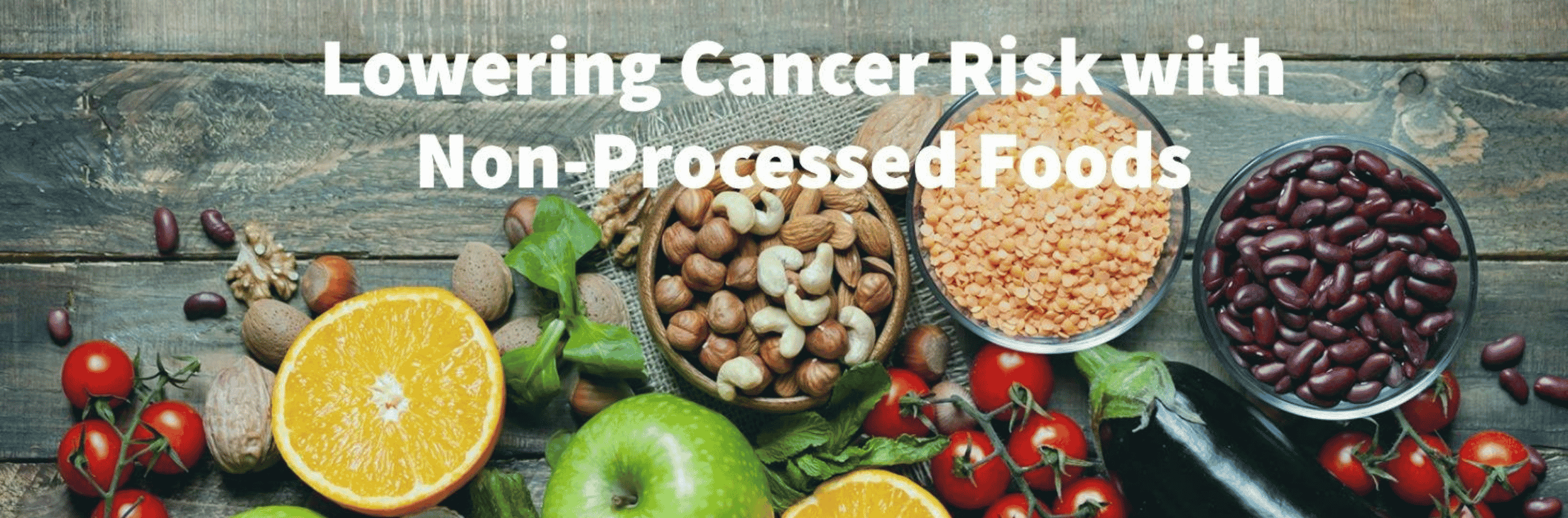
  • Small Dietary Changes, Big Health Benefits: Lowering Cancer Risk with Non-Processed Foods

    Small Dietary Changes, Big Health Benefits: Lowering Cancer Risk with Non-Processed Foods

    Are you concerned about your cancer risk? A new study from the European Prospective Investigation into Cancer and Nutrition (EPIC) suggests that making a small change to your diet may significantly reduce your risk of cancer and thus improve longevity.

    The study found that when 10% of ultra-processed foods were replaced with non-processed foods, the overall risk of cancer and of specific cancers, such as colon and postmenopausal breast cancers, decreased. Crucially, these results held true even when adjusted for other risk factors for cancer such as BMI, alcohol and dietary intake, and food quality.

    So what are ultra-processed foods? They include foods like processed meats, fizzy drinks, packaged snacks, and ready meals. These foods typically contain eye-wateringly high levels of added sugar, salt, and fat, along with artificial colours, flavours, and preservatives. Unfortunately, these food have also been designed to taste great. 

    The study’s findings suggest that the processing of food may play a role in cancer development. By replacing just a small portion of ultra-processed foods with non-processed options, you may be able to reduce your cancer risk.

    Non-processed foods, by contrast, are foods that are minimally processed and remain close to their natural state. Examples, of course, include fruits, vegetables, whole grains, nuts, and seeds.

    The EPIC study is a large-scale epidemiological study that has investigated the association between dietary intake and cancer risk. The study recruited over 500,000 participants from 23 centres across 10 European countries between 1991 and 2001. Participants completed dietary questionnaires and were followed up for an average of 15 years. The study used the NOVA food processing classification system to categorise foods based on their level of processing. This system categorises foods into four groups: unprocessed or minimally processed foods, processed culinary ingredients, processed foods, and ultra-processed foods.

    The study found that a 10% increase in the proportion of ultra-processed foods in the diet was associated with a 12% increase in overall cancer risk. In contrast, a 10% increase in the proportion of unprocessed or minimally processed foods was associated with a 10% decrease in overall cancer risk. The study also found that a higher intake of ultra-processed foods was associated with an increased risk of specific types of cancer, including breast, colorectal, and throat cancer.

    Overall, the study provides strong evidence that reducing the intake of ultra-processed foods and increasing the intake of unprocessed or minimally processed foods may lower the risk of developing cancer. It’s important to note that this study was a prospective cohort substitution study, meaning that it didn’t directly measure the effects of diet on cancer risk. Rather, it analysed the effects of substituting certain foods in the diet with other foods.

    Despite this limitation, the study’s findings remain compelling. If you’re looking to reduce your cancer risk, consider making small changes to your diet. Replace processed snacks with fresh fruits or veggies or nuts, swap sugary drinks for water (I drink a lot of naturally flavoured sparkling water) or unsweetened tea, and choose whole grains over refined grains. By making these simple changes, you may be able to reduce your cancer risk and improve your overall healthspan.

    British Association of Sports and Exercise Medicine  ·  European Atherosclerosis Society  · 
    Independent Doctors Federation

    As seen in The Independent, The Daily Mail and Tatler

    For educational purposes. This article is written by a practising GP and is intended to inform, not replace a consultation with your own doctor. It does not constitute medical advice. A note on clinical guidelines: Coyne Medical is an independent private clinic. Our approach is guided by the best available evidence, tailored to each individual. This may go beyond standard NHS or NICE guidance, which is designed for population-level care and weighted by resource constraints.