

Tag: heart disease

  • The Best Exercise For Managing High Blood Pressure

    The Best Exercise For Managing High Blood Pressure

    High blood pressure, or hypertension, remains a global health challenge, with a soaring prevalence (thanks in part to changing definitions of hypertension) and control often proving elusive. It remains one of the leading modifiable risk factors for disease and death worldwide. While lifestyle interventions have long been a mainstay in hypertension management, a growing body of research underscores the particularly pivotal role of exercise training as an effective non-pharmacological antihypertensive strategy. Recent findings, including a large-scale systematic review and meta-analysis of 270 randomised controlled trials, shed new light on the optimal exercise practices for managing blood pressure. 

    Exercise as a Cornerstone of Hypertension Management:

    The link between exercise and cardiovascular health is certainly not a novel concept. Regular physical activity has long been associated with reduced risks of heart disease and hypertension. However, contemporary research is refining our understanding of how different exercise modalities impact blood pressure.

    The Landmark Study:

    Led by Dr. Jamie J. Edwards and a team of researchers from Canterbury Christ Church University in the United Kingdom, this comprehensive study published in the BJSM examined the effects of various exercise training modes on resting blood pressure. The study analysed 270 randomised controlled trials published between 1990 and February 2023, involving a total of 15,827 participants.

    Key Findings:

    The study’s results paint a clear picture of the effectiveness of different exercise modalities in reducing both systolic and diastolic blood pressure:

    • Aerobic Exercise Training: This traditional form of exercise demonstrated significant reductions in resting systolic blood pressure (SBP) by an average of 4.49 mm Hg and diastolic blood pressure (DBP) by 2.53 mm Hg.
    • Dynamic Resistance Training: Participants engaging in dynamic resistance training experienced reductions in SBP and DBP by an average of 4.55 mm Hg and 3.04 mm Hg, respectively.
    • Combined Training: Combining aerobic and resistance training led to even more pronounced reductions, with SBP decreasing by 6.04 mm Hg and DBP by 2.54 mm Hg.
    • High-Intensity Interval Training (HIIT): HIIT, known for its time-efficient, intense bursts of activity, lowered SBP by 4.08 mm Hg and DBP by 2.50 mm Hg.
    • Isometric Exercise Training (IET): This novel form of exercise emerged as the most effective, resulting in a substantial reduction of SBP by 8.24 mm Hg and DBP by 4.00 mm Hg.

    Optimal Exercise Modes:

    The study ranked the exercise modalities based on their effectiveness, with isometric exercise training (IET) topping the list, boasting a Surface Under the Cumulative Ranking Curve (SUCRA) value of 98.3 percent. Surface Under the Cumulative Ranking Curve, or SUCRA, is a statistical tool used in network meta-analysis to evaluate the relative effectiveness of several different interventions or treatments. In the context of this study, SUCRA values were used to assess and rank the various exercise modalities in terms of their impact on resting blood pressure.

    A higher SUCRA value indicates a greater likelihood that a particular intervention (in this case, an exercise modality) is the most effective among the options being compared. In other words, a higher SUCRA value suggests that an exercise mode is more consistently and confidently ranked as the best choice for reducing blood pressure. Combined training followed closely at 75.7 percent, dynamic resistance training at 46.1 percent, aerobic exercise training at 40.5 percent, and high-intensity interval training (HIIT) at 39.4 percent.

    The Isometric Advantage:

    Isometric exercise training, particularly through activities like isometric wall squats, emerged as the most potent submodes for reducing SBP (SUCRA: 90.4 percent) and DBP (SUCRA: 91.3 percent), respectively.

    Implementing Isometric Training:

    Isometric exercise places the muscle under tension without moving the surrounding joints. To harness the benefits of isometric exercise, use the following protocol:  

    4×2-minute contractions, separated by 1–4-minute rest intervals, performed three times a week. 

    Isometric handgrip (IHG) is usually executed at 30% maximum voluntary contraction, while isometric wall squats (IWS), also known as ski squats can be performed to elicit a rate of perceived exertion (RPE) between 3.5–4.5/10 for the first bout, RPE 5–6/10 for the second bout, RPE 6.5–7.5/10 for the third bout, and RPE 8–9/10 for the fourth bout. Isometric leg extension (ILE) is performed at 20% of the maximum voluntary contraction (this is the maximum amount of force that can be generated by contracting a muscle group). So in practice, this means holding still with the legs fully straightened approximately 20% of the heaviest hold that you could shift on the leg extension machine. 

    As the prevalence of hypertension continues to rise, understanding the role of exercise in its management becomes increasingly critical. The latest research emphasises the varied and substantial benefits of lots of different exercise modalities, with isometric exercise training shining as a particularly potent antihypertensive intervention. Of the isometric exercises, wall squats, to me at least, are the most convenient to perform.
    British Association of Sports and Exercise Medicine  ·  European Atherosclerosis Society  · 
    Independent Doctors Federation

    As seen in The Independent, The Daily Mail and Tatler

    For educational purposes. This article is written by a practising GP and is intended to inform, not replace a consultation with your own doctor. It does not constitute medical advice. A note on clinical guidelines: Coyne Medical is an independent private clinic. Our approach is guided by the best available evidence, tailored to each individual. This may go beyond standard NHS or NICE guidance, which is designed for population-level care and weighted by resource constraints.

  • Unleashing the Power of High-Intensity Exercise: Insights from the CENIT Trial

    Unleashing the Power of High-Intensity Exercise: Insights from the CENIT Trial

    Exercise has long been recognised as a key factor in maintaining a healthy heart and reducing the risk of coronary artery disease (CAD). A recent study called the CENIT trial has provided some valuable insights into the benefits of high-intensity interval training (HIIT) for patients with established CAD. Published in the European Journal of Preventive Cardiology, this research reveals how HIIT can counteract disease progression and promote cardiovascular health. 

    Coronary artery disease occurs when atherosclerosis, or plaque, builds up in the arteries that supply blood to the heart. Over time, plaques can increase in volume and become unstable and rupture leading to a stroke or a heart attack. Atheroma volume, which measures the amount of plaque present in the arteries, is a crucial indicator of CAD severity and has been shown to increase the likelihood of future cardiac events.

    To better understand the impact of exercise on CAD, let’s examine the exercise interventions in the CENIT trial. The study consisted of two groups: the high-intensity interval training (HIIT) group and the control group. Each group had a specific exercise program.

    1. High-Intensity Interval Training (HIIT) Group: Participants in the HIIT group engaged in two supervised exercise sessions per week for a duration of 6 months. Each session began with a 10-minute warm-up at a moderate intensity (around 60% to 70% of peak heart rate). This was followed by four intervals of intense exercise, lasting for four minutes each, at an intensity of 85% to 95% of peak heart rate. Active recovery periods, lasting for three minutes at a moderate intensity, were included between intervals. The sessions concluded with a 5-minute cooldown period. The HIIT sessions involved activities such as walking or running on a treadmill, bicycling, or other exercises that engaged large muscle groups. Participants were encouraged to use a wearable device to track their heart rate and activity levels during the HIIT sessions. This allowed them to maintain the desired intensity and monitor their progress. In addition to the supervised sessions, participants were advised to engage in home-based endurance training. This included performing intervals and any other physical activities that involved dynamic work with large muscle groups.
    2. Control Group: The control group followed contemporary preventive guidelines for physical activity without receiving further supervision. They were encouraged to engage in regular physical activity of moderate intensity for 30-60 minutes on more than 5 days per week. Not only was this exercise not supervised but it was not monitored unlike in the intervention group.

    The CENIT trial focused on the effects of supervised HIIT on coronary plaque geometry in patients with stable CAD who had undergone percutaneous coronary intervention (PCI). Here’s what they found:

    1. Regression of Atheroma Volume: Patients who participated in 6 months of supervised HIIT experienced significant regression in atheroma volume compared to those following standard preventive guidelines. This means that the plaque buildup in their arteries was reduced, potentially lowering their risk of future coronary events.
    2. Improved Cardiorespiratory Fitness: The HIIT group exhibited a significant improvement in peak oxygen consumption (VO2peak), which measures cardiorespiratory fitness. By increasing VO2peak, HIIT enhances the overall health of the cardiovascular system.
    3. Positive Body Composition Changes: Patients in the HIIT group also experienced reductions in body mass index (BMI) and waist circumference. These improvements in body composition are important markers of metabolic health and can contribute to a reduced risk of CAD and related complications.

    The findings from the CENIT trial provide reasonable evidence for the effectiveness of HIIT in managing CAD and improving cardiovascular health. It is, however, difficult to tease out from the study whether it was the supervision of exercise, or wearing a monitor that someone else was tracking or the HIIT that had the greatest benefits. Based on these results, here are some key takeaways to consider:

    1. Consult An Experienced Personal Trainer: If you have established CAD or are at risk for heart disease, consult a very experienced personal trainer who is confident in managing patients who have stable heart disease. They can provide personalised recommendations based on your health status and previous exercise experience.
    2. Embrace High-Intensity Interval Training (HIIT): Consider incorporating supervised HIIT sessions into your exercise routine under professional supervision. HIIT involves short bursts of intense exercise alternated with active recovery periods, making it an efficient and time-effective workout option. But note, the intervention group did not just do HIIT, they also did low-intensity exercise. 
    3. Prioritise Exercise: HIIT’s positive impact on atheroma volume regression, improved cardiorespiratory fitness, and positive body composition changes highlight the importance of exercise as a core component of cardiac rehabilitation programs. When compared to another study looking at the effects of high-intensity statin on plaque lipid volume, high-intensity exercise combined with low-intensity exercise had an effect comparable effect to that of a high-intensity statin.
    4. Monitor Your Exercise: The intervention group wore a wearable and knew they were being monitored. Use a wearable and get an accountability partner to keep you on track. 

    The CENIT trial provides evidence that high-intensity interval training, supervised by a personal trainer and the wearing of a fitness tracker can effectively counteract disease progression and improve cardiovascular health in patients with established coronary artery disease. Participating in supervised HIIT sessions can lead to a reduction in atheroma volume, improved cardiorespiratory fitness, and positive body composition changes.

    British Association of Sports and Exercise Medicine  ·  European Atherosclerosis Society  · 
    Independent Doctors Federation

    As seen in The Independent, The Daily Mail and Tatler

    For educational purposes. This article is written by a practising GP and is intended to inform, not replace a consultation with your own doctor. It does not constitute medical advice. A note on clinical guidelines: Coyne Medical is an independent private clinic. Our approach is guided by the best available evidence, tailored to each individual. This may go beyond standard NHS or NICE guidance, which is designed for population-level care and weighted by resource constraints.
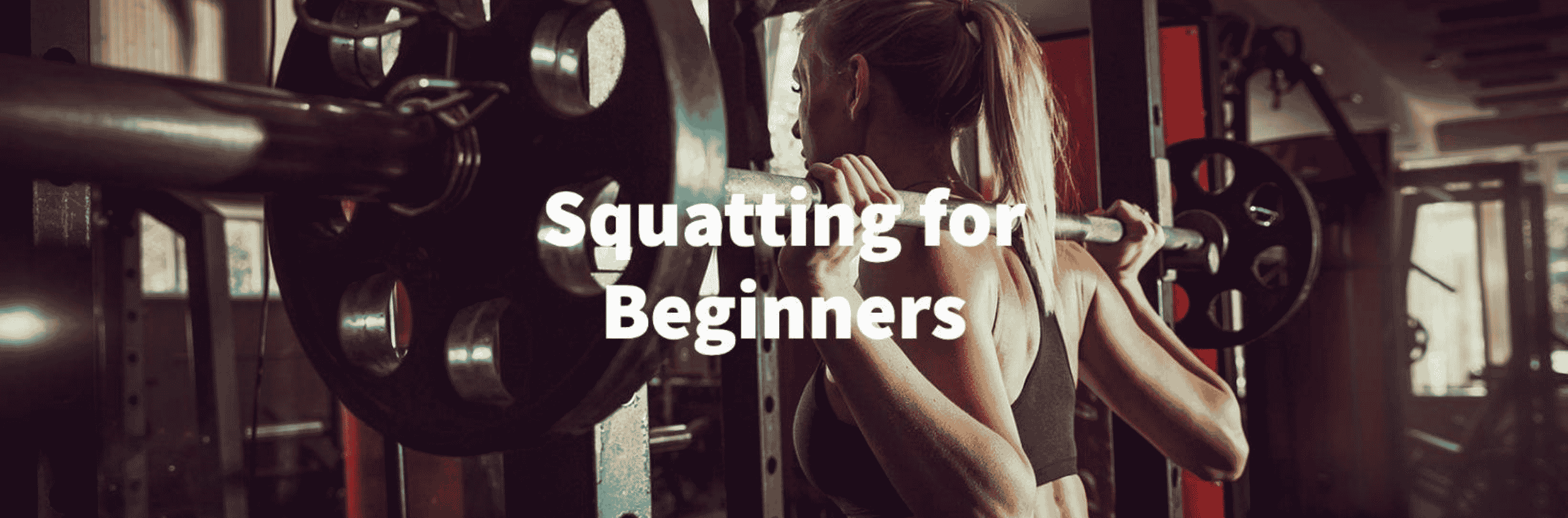
  • Squatting For Beginners

    Squatting For Beginners

    Squatting is Good For You!

    Fundamental movements are movements that are essential for maintaining independent living and enjoying exercise. They include movements such as squatting, lunging, running and hanging. Learning the correct technique to perform fundamental movements is known to reduce the risk of injury in children. It is not only children who benefit from proficiency in these movements. To maintain balance, and thus independence, and to avoid injury, older adults must maintain their ability to perform fundamental movements. 

    Squatting is a particularly important exercise. It is not only foundational to sporting activity but it is also crucial to everyday tasks such as sitting and lifting. Getting up from a sitting is a fundamental task for living independently into old age. The longer we can perform a squat, the longer we will remain independent in old age. 

    Squatting activates the largest muscles in our bodies. The quads, glutes, hamstrings, and calf muscles are all activated during a squat. These large muscles are important not only for movement and balance but also for our metabolism. Muscles act as a store of glucose. They are therefore crucial to how our bodies handle sugar. 

    A squat, when performed correctly, does not compromise the structural integrity of the knees. In fact, it can enhance our stability. This is crucial, as maintaining balance and stability becomes increasingly important as we age. Falling in old age can have disastrous consequences. In addition, squatting, when performed correctly, can improve the stability of the knee and reduce the risk of sports injuries. Being able to squat correctly is a prerequisite to being able to perform more ballistic, explosive movements such as box jumps and plyometrics. The squat mimics the explosive movements required in many sports. Thus, improved squatting enhances sporting performance. 

    Due to its importance in everyday life and because it activates the largest muscles in the body, squatting is fundamental to any resistance training program. Squatting also acts as a useful tool in the doctor’s, physiotherapist’s, or osteopath’s office to screen for any issues with movement mechanics. This is because the squat is what is known as a “compound manoeuvre.” Compound exercises are loved by physical trainers because they require the use of several muscle groups working in collaboration. These exercises are incredibly useful for building muscle mass, strength, and power. As it is a compound movement, squatting is incredibly useful for picking out biomechanical problems. These issues can be due to a lack of muscle strength, an imbalance of strength on each side of the body, unstable joints (also due to a lack of strength), and a lack of joint and muscle flexibility. 

    How to perform a squat

    It is highly recommended that you get an experienced personal trainer or physical therapist to observe your squat technique. This can give you the appropriate cues and feedback to ensure rock-solid technique. It can be really helpful to record your squat movements from the front and the side so that you can see any errors that you are making. 

    If you are new to squatting, you can just use your body weight. Ideally, use a dowel or a light (2.5 kg) strength bar. This allows you to begin in the same position that you will progress to when increasing the weight that you are squatting. Using a cylindrical dowel or light weight bar also engages the muscles around the scapula, helping to stabilise the upper body. 

    Bar – Squatting with weights

    Begin in a standing position with your feet flat on the floor. Your knees and hips should be in a neutral position, and your spine should be upright with its natural curves preserved. Grip the bar or dowel with the palms facing forward and slightly wider than shoulder width. The bar should rest just below the neck on the upper back. A good tip when using a bar is to “bend the bar.” This action helps brace the torse and improves squat performance. Keep your wrists straight and your forearms parallel to your torso. 

    Stance 

    Stand with your heels shoulder-width apart and your toes pointing forward or slightly outward by no more than ten degrees.

    Breathing 

    Prior to beginning the downward squat motion, breathe in through your nose and down into your belly to about 80% of a full breath. This increases the pressure in the abdomen and helps prepare and brace the spine for the load. Breathe out through the mouth when you are coming back up. This helps to negate the need for a belt.

    Squat Motion

    The descent phase of the squat begins with “breaking the hips.” The motion is that of sitting down while sticking your bum out. It is almost as though you are trying to sit on a chair that is just too far away. The goal should be to keep your bum as far back from your ankles as you can while maintaining an upright torso. The distance between the hips and shoulders should remain constant. The heels should bear the majority of your body weight. The ideal finishing position is with the thighs just below parallel to the ground. The thighs going past the line parallel to the ground are not more likely to result in injury. The speed of the ascent should be 2-4 times the speed of the descent. 

    The upward motion follows the same path as the downward motion. The glutes, or bum muscles, should be the primary driver of the motion. Again, the low back should be kept stiff, and the shoulder and hips should be at the same distance throughout. The weight should be in the heels (I wear shoes with a very minimalist sole to facilitate this although some people squat without shoes). 

    The main, albeit weird, mental cue I think of when performing a squat is that my buns are cracking a walnut. To cue getting my bum out far enough, I imagine that someone could place a walnut between my bum cheeks when I am at the lowest point of the squat (what a job that would be!). I then imagine that I am crushing that walnut with my bum cheeks in the ascent phase. 

    Avoiding Pitfalls

    The squat is a complex movement. There are several ways it can go wrong and result in injury. Here are a few pointers to help maintain the correct technique. 

    Head Position: The gaze should be aimed forwards, and the neck should be perpendicular to the ground. 

    Chest: The chest should be up and the shoulders should be back. So if you have a logo on your t-shirt, you should be able to see it in the mirror. 

    Trunk/Middle: Your trunk should be in line with your shins at all times. 

    Hips: If you are squatting in the mirror, you should see that your hips should be level and parallel to the ground. 

    Knees: Your knees should travel in line with your second toe and should not tilt inward past the inside of your ankle. 

    Feet: The entire sole of the foot should remain in contact with the ground throughout. 

    Squatting is, I think, the most important resistance exercise. If done correctly, it can improve athletic performance, reduce the risk of injury, maintain independence, and improve metabolism. But it is really important to do it correctly. Start with no weight or a very light weight. Ideally, have an experienced personal trainer or physiotherapist observe your squat motion. 

    British Association of Sports and Exercise Medicine  ·  European Atherosclerosis Society  · 
    Independent Doctors Federation

    As seen in The Independent, The Daily Mail and Tatler

    For educational purposes. This article is written by a practising GP and is intended to inform, not replace a consultation with your own doctor. It does not constitute medical advice. A note on clinical guidelines: Coyne Medical is an independent private clinic. Our approach is guided by the best available evidence, tailored to each individual. This may go beyond standard NHS or NICE guidance, which is designed for population-level care and weighted by resource constraints.

  • Lipoprotein (a): The most important blood test you have never heard of

    Lipoprotein (a): The most important blood test you have never heard of

    25% of people continue to die from cardiovascular and heart disease.

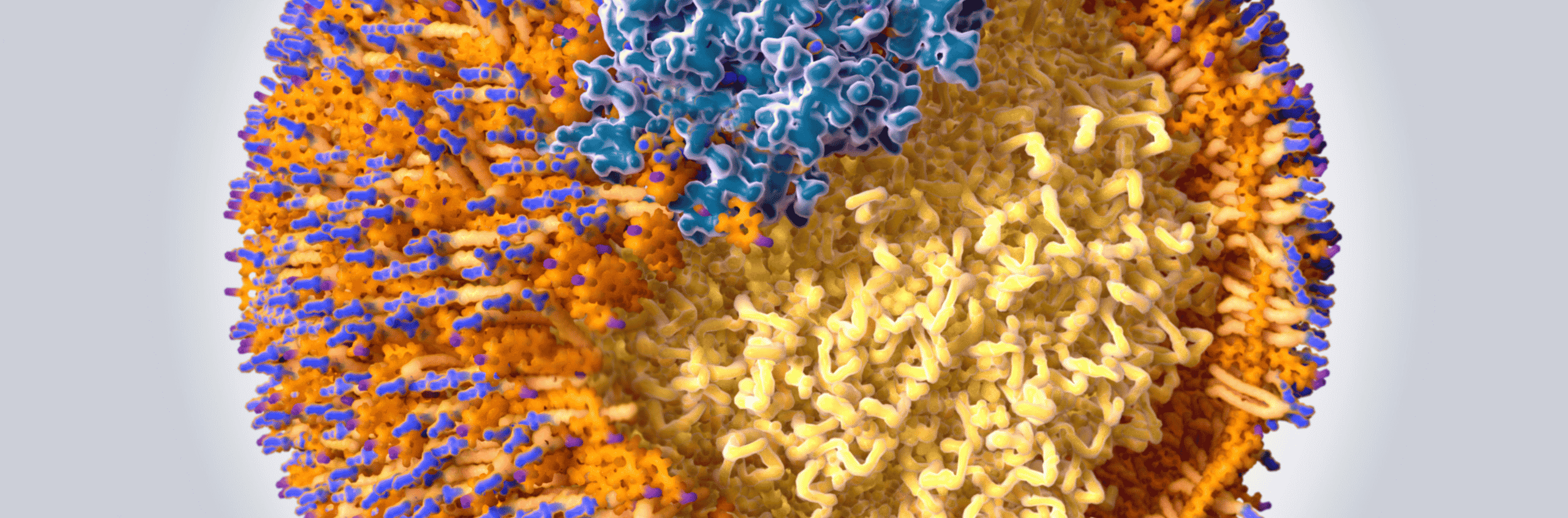
    Despite better modern management of risks like high blood pressure and cholesterol. Researchers suspected that there must be other things causing cardiovascular disease. Studies led to the discovery of a substance in the blood called lipoprotein (a). The level of lipoprotein (a) in the blood is different for everyone. Recent genetic studies proved that you inherit most of your high lipoprotein (a) levels. Your liver manufactures lipoproteins. They are a combination of fat and protein. Their job is to transport fats around the body in the blood. Lipoprotein (a) is a special combination, it includes a lipoprotein like LDL cholesterol, plus two more proteins, apolipoproteins A and B. The combination is very sticky and easily passes into the wall of the artery. This inevitably causes blockages of your blood vessels. So high lipoprotein (a) levels equal a high risk of cardiovascular disease.

    Even people with amazing lifestyles and diets can have high levels. If you are reading this then there is at least a 10 to 20% chance you have a high lipoprotein (a) level. The only way to know your level is through a blood test. Most people only need to check once in their lifetime. High levels mean you are at high risk for heart attacks and stroke. This is true even if your blood pressure and cholesterol levels are “ok”.

    Knowing you are at high risk we can then help you reduce that risk. We will look at all your cardiovascular risk factors and make a plan to optimise these. Knowing about a high lipoprotein (a) level can completely change treatment plans. We need to track your cholesterol measurements. The goals for your cholesterol need to be much lower to reduce your risk. This might mean using medicines to reduce targets like non-HDL cholesterol.

    Ongoing drug trials show great promise. In the future, drugs might directly reduce lipoprotein (a) levels.

    The European Society of Cardiology recommends measuring every adult’s lipoprotein (a) level. Unfortunately in 2022 the British Journal of Cardiology said “most clinicians are unaware of it”. We are passionate about the power of health screening to prevent disease. We recommend testing lipoprotein (a) levels for all adults.  Because levels are mostly genetically determined, it only needs to be checked once. This helps our patients prevent cardiovascular disease. Because prevention is better than cure.

    If you’re interested in learning more about lipoprotein (a) then check out Dr Hugh’s deep dive on lipids here. 

    British Society for Genetic Medicine  ·  European Atherosclerosis Society  · 
    Independent Doctors Federation

    As seen in BBC, The Guardian, Women’s Health, The Times and Tatler

    For educational purposes. This article is written by a practising GP and is intended to inform, not replace a consultation with your own doctor. It does not constitute medical advice. A note on clinical guidelines: Coyne Medical is an independent private clinic. Our approach is guided by the best available evidence, tailored to each individual. This may go beyond standard NHS or NICE guidance, which is designed for population-level care and weighted by resource constraints.