

Tag: healthspan

  • Unleashing the Power of High-Intensity Exercise: Insights from the CENIT Trial

    Unleashing the Power of High-Intensity Exercise: Insights from the CENIT Trial

    Exercise has long been recognised as a key factor in maintaining a healthy heart and reducing the risk of coronary artery disease (CAD). A recent study called the CENIT trial has provided some valuable insights into the benefits of high-intensity interval training (HIIT) for patients with established CAD. Published in the European Journal of Preventive Cardiology, this research reveals how HIIT can counteract disease progression and promote cardiovascular health. 

    Coronary artery disease occurs when atherosclerosis, or plaque, builds up in the arteries that supply blood to the heart. Over time, plaques can increase in volume and become unstable and rupture leading to a stroke or a heart attack. Atheroma volume, which measures the amount of plaque present in the arteries, is a crucial indicator of CAD severity and has been shown to increase the likelihood of future cardiac events.

    To better understand the impact of exercise on CAD, let’s examine the exercise interventions in the CENIT trial. The study consisted of two groups: the high-intensity interval training (HIIT) group and the control group. Each group had a specific exercise program.

    1. High-Intensity Interval Training (HIIT) Group: Participants in the HIIT group engaged in two supervised exercise sessions per week for a duration of 6 months. Each session began with a 10-minute warm-up at a moderate intensity (around 60% to 70% of peak heart rate). This was followed by four intervals of intense exercise, lasting for four minutes each, at an intensity of 85% to 95% of peak heart rate. Active recovery periods, lasting for three minutes at a moderate intensity, were included between intervals. The sessions concluded with a 5-minute cooldown period. The HIIT sessions involved activities such as walking or running on a treadmill, bicycling, or other exercises that engaged large muscle groups. Participants were encouraged to use a wearable device to track their heart rate and activity levels during the HIIT sessions. This allowed them to maintain the desired intensity and monitor their progress. In addition to the supervised sessions, participants were advised to engage in home-based endurance training. This included performing intervals and any other physical activities that involved dynamic work with large muscle groups.
    2. Control Group: The control group followed contemporary preventive guidelines for physical activity without receiving further supervision. They were encouraged to engage in regular physical activity of moderate intensity for 30-60 minutes on more than 5 days per week. Not only was this exercise not supervised but it was not monitored unlike in the intervention group.

    The CENIT trial focused on the effects of supervised HIIT on coronary plaque geometry in patients with stable CAD who had undergone percutaneous coronary intervention (PCI). Here’s what they found:

    1. Regression of Atheroma Volume: Patients who participated in 6 months of supervised HIIT experienced significant regression in atheroma volume compared to those following standard preventive guidelines. This means that the plaque buildup in their arteries was reduced, potentially lowering their risk of future coronary events.
    2. Improved Cardiorespiratory Fitness: The HIIT group exhibited a significant improvement in peak oxygen consumption (VO2peak), which measures cardiorespiratory fitness. By increasing VO2peak, HIIT enhances the overall health of the cardiovascular system.
    3. Positive Body Composition Changes: Patients in the HIIT group also experienced reductions in body mass index (BMI) and waist circumference. These improvements in body composition are important markers of metabolic health and can contribute to a reduced risk of CAD and related complications.

    The findings from the CENIT trial provide reasonable evidence for the effectiveness of HIIT in managing CAD and improving cardiovascular health. It is, however, difficult to tease out from the study whether it was the supervision of exercise, or wearing a monitor that someone else was tracking or the HIIT that had the greatest benefits. Based on these results, here are some key takeaways to consider:

    1. Consult An Experienced Personal Trainer: If you have established CAD or are at risk for heart disease, consult a very experienced personal trainer who is confident in managing patients who have stable heart disease. They can provide personalised recommendations based on your health status and previous exercise experience.
    2. Embrace High-Intensity Interval Training (HIIT): Consider incorporating supervised HIIT sessions into your exercise routine under professional supervision. HIIT involves short bursts of intense exercise alternated with active recovery periods, making it an efficient and time-effective workout option. But note, the intervention group did not just do HIIT, they also did low-intensity exercise. 
    3. Prioritise Exercise: HIIT’s positive impact on atheroma volume regression, improved cardiorespiratory fitness, and positive body composition changes highlight the importance of exercise as a core component of cardiac rehabilitation programs. When compared to another study looking at the effects of high-intensity statin on plaque lipid volume, high-intensity exercise combined with low-intensity exercise had an effect comparable effect to that of a high-intensity statin.
    4. Monitor Your Exercise: The intervention group wore a wearable and knew they were being monitored. Use a wearable and get an accountability partner to keep you on track. 

    The CENIT trial provides evidence that high-intensity interval training, supervised by a personal trainer and the wearing of a fitness tracker can effectively counteract disease progression and improve cardiovascular health in patients with established coronary artery disease. Participating in supervised HIIT sessions can lead to a reduction in atheroma volume, improved cardiorespiratory fitness, and positive body composition changes.

    British Association of Sports and Exercise Medicine  ·  European Atherosclerosis Society  · 
    Independent Doctors Federation

    As seen in The Independent, The Daily Mail and Tatler

    For educational purposes. This article is written by a practising GP and is intended to inform, not replace a consultation with your own doctor. It does not constitute medical advice. A note on clinical guidelines: Coyne Medical is an independent private clinic. Our approach is guided by the best available evidence, tailored to each individual. This may go beyond standard NHS or NICE guidance, which is designed for population-level care and weighted by resource constraints.


  • Trucheck™ vs. Galleri®: Comparing Advanced Blood Tests for Early Cancer Detection

    Trucheck™ vs. Galleri®: Comparing Advanced Blood Tests for Early Cancer Detection

    Introduction – The Future of Cancer Screening with Advanced Blood Tests

    Cancer screening has taken a significant leap forward with the introduction of advanced blood tests like Trucheck™ and Galleri®. These innovative screening methods aim to detect cancer at its earliest stages, providing vital information for timely interventions and improved outcomes. In this blog, we will compare Trucheck™ and Galleri®, exploring their scientific principles, advantages, and considerations, to help you make informed decisions about cancer screening.

    How Do Trucheck™ and Galleri® Blood Tests Work?

    Trucheck™ – Detecting Circulating Tumor Cells (CTCs)

    Trucheck™, developed by Datar Cancer Genetics, focuses on detecting circulating tumour cells (CTCs) and circulating ensembles of tumour-associated cells (C-ETACs) in peripheral blood samples. By employing primary negative enrichment, Trucheck™ enables the survival of malignant cells while allowing non-malignant cells to undergo apoptosis (programmed cell death). The subsequent analysis of tissue-specific markers on these cells helps identify cancer types and their likely organ of origin. Trucheck™ offers high sensitivity, specificity, and an overall advantage in detecting over 70 solid organ cancers.

    Galleri® – Analyzing Cell-Free DNA (cfDNA) for Cancer Detection

    Galleri®, another groundbreaking blood test, detects over 50 types of cancer and predicts the origin of cancer signals with high accuracy. This test examines the methylation patterns of cell-free DNA (cfDNA) found in the bloodstream. Methylation patterns, which regulate gene expression, can be altered in cancer, contributing to tumour growth. By leveraging next-generation sequencing (NGS) and machine-learning algorithms, Galleri® analyses the methylation patterns of cfDNA to identify cancer-specific abnormalities. These patterns provide valuable information about the presence and origin of potential cancers.

    Accuracy & Sensitivity of Each Test

    Trucheck™ demonstrates an overall sensitivity ranging from 82.5% to 88.2% for different cancer types. It boasts a specificity of 99%, correctly identifying 99 out of 100 individuals without cancer. False positives occur at an estimated rate of 1% to 3% according to the studies available so far. Trucheck™ has been designed as a complement to, not replacement for, standard cancer screening, offering peace of mind to individuals with negative results while prompting further tests or referrals for those with positive results.

    Galleri®, as demonstrated in the SYMPLIFY study, achieved a sensitivity of 66.3% overall, ranging from 24.2% for stage I cancers to 95.3% for stage IV cancers. This demonstrates Galleri’s ability to detect cancer signals across various stages but that it is most reliable with later-stage tumours. With a positive predictive value (PPV) of 75.5% and a negative predictive value (NPV) of 97.6%, Galleri®shows promise in accurately identifying individuals with cancer. The test’s specificity stands at 98.4%, further enhancing its precision in distinguishing cancer from non-cancer cases.

    Availability & Cost – Which Test is More Accessible?

    Trucheck™ is available as a standalone test or add-on service for patients undergoing health screening at Coyne Medical and several other private clinics in London and beyond. It may not be covered by healthcare insurance or the NHS prior to a formal cancer diagnosis. Further diagnostic procedures and referrals prompted by positive results may require self-payment.

    On the other hand, Galleri® is currently being evaluated in clinical trials and is not widely available outside of these trials. The SYMPLIFY study demonstrated its potential in a cohort of patients referred for diagnostic investigations related to suspected gynaecological, lung, and gastrointestinal cancers. It is not currently available in the UK in private care. It is only available through NHS research trials. 

    Considerations and Future Implications:

    Both Trucheck™ and Galleri® have the potential to revolutionise cancer screening, but it’s important to consider certain factors. Trucheck™ offers a broader range of tests for different cancer types, while Galleri’s focus lies in detecting over 50 cancer types. Trucheck™ uses CTCs and their clusters as biomarkers, primarily for solid organ malignancies, whereas Galleri® examines cfDNA methylation patterns.

    While Trucheck™ and Galleri® boast impressive sensitivity, it’s crucial to understand that false negatives can still occur. Neither test can replace standard screening methods such as mammograms, colon cancer screening, or cervical screening. Additionally, the emotional impact and potential for anxiety associated with both tests’ results should be taken into consideration.

    Looking ahead, the development of advanced blood tests like Trucheck™ and Galleri® brings us closer to a future where early cancer detection becomes a reality. These tests have the potential to complement existing screening methods, offering individuals a comprehensive and personalised approach to cancer prevention and treatment.

    Trucheck™ and Galleri® blood tests represent groundbreaking advancements in cancer screening, utilising cutting-edge technologies and scientific understanding to improve early detection rates. Trucheck™ focuses on CTCs, while Galleri® examines cfDNA methylation patterns. Both tests demonstrate considerable accuracy and hold promise for transforming cancer diagnosis and treatment.

    It is essential to consult with healthcare professionals to determine the most suitable screening approach based on individual risk factors, age, and personal medical history. By considering these innovative blood tests alongside standard screening methods, we move closer to a future where early cancer detection becomes the norm, leading to better outcomes and improved quality of life. Trucheck™ cancer screening blood test is available at Coyne Medical. Learn more on our website here.

    Book a Cancer Blood Test in London at Coyne Medical

    It is essential to consult with healthcare professionals to determine the most suitable screening approach based on individual risk factors, age, and personal medical history. By considering these innovative blood tests alongside standard screening methods, we move closer to a future where early cancer detection becomes the norm, leading to better outcomes and improved quality of life. Trucheck™ cancer screening blood test is available at Coyne Medical.

    British Association of Sports and Exercise Medicine  ·  European Atherosclerosis Society  · 
    Independent Doctors Federation

    As seen in The Independent, The Daily Mail and Tatler

    For educational purposes. This article is written by a practising GP and is intended to inform, not replace a consultation with your own doctor. It does not constitute medical advice. A note on clinical guidelines: Coyne Medical is an independent private clinic. Our approach is guided by the best available evidence, tailored to each individual. This may go beyond standard NHS or NICE guidance, which is designed for population-level care and weighted by resource constraints.
  • Unravelling the Link Between Diet and Prostate Cancer: Insights from a Recent Study

    Unravelling the Link Between Diet and Prostate Cancer: Insights from a Recent Study

    Prostate cancer is a significant global health concern. It is the fourth most commonly diagnosed cancer worldwide and the second most diagnosed cancer in men. While certain factors like race, age, and family history are known to influence prostate cancer risk, the role of modifiable factors such as diet has been unclear. However, a recent study aimed to shed light on this topic by investigating the association between “a posteriori” dietary patterns and Prostate cancer risk.

    “A posteriori” is a Latin term that translates to “from the effect to the cause.” In the context of this study, it refers to the approach used to identify dietary patterns based on observed data. A posteriori dietary patterns are derived from the dietary information collected from the study participants, without predefining specific food groups or nutrient components. These patterns are created using statistical methods that analyse the actual dietary habits of the population under study. By examining the observed dietary intake and identifying patterns within the data, researchers can draw associations between certain dietary patterns and health outcomes, such as the risk of prostate cancer.

    The study used data from the European Prospective Investigation into Cancer and Nutrition Spanish cohort (EPIC-Spain), which included 15,296 men aged 29-69 years. Information on lifestyle, diet, and medical history was collected through questionnaires and standardised measurements. 181 men were excluded from the study for what was deemed “implausible” food intake!

    Three dietary patterns emerged from the analysis: Western, Prudent, and Mediterranean. The Western pattern involved a high consumption of high-fat dairy products, processed meat, refined grains, sweets, caloric drinks, convenience food, and sauces. The Prudent pattern consisted of high intakes of low-fat dairy products, vegetables, fruits, whole grains, and juices. The Mediterranean pattern represented high intakes of fish, vegetables, legumes, boiled potatoes, fruits, olives, and vegetable oil, with a low intake of juices. 

    The findings of the study revealed that high adherence to the Western dietary pattern was associated with a considerable increase in the risk of aggressive prostate. On the other hand, high adherence to the Prudent and Mediterranean patterns did not show significant effects on Prostate cancer risk.

    The Western dietary pattern, characterised by its consumption of dairy products, red and processed meats, sweets, convenience food, and snacks, was found to have detrimental effects on Prostate cancer risk. These foods contain compounds that disrupt prostate hormonal regulation, increase oxidative stress, and stimulate inflammation, all of which can contribute to the development and progression of prostate cancer.

    Interestingly, the study did not find a strong protective effect of the Mediterranean or Prudent dietary pattern against aggressive prostate cancer. Differences in dietary habits between study populations and changes in dietary patterns over time may explain these discrepancies. Further research is certainly needed to validate these findings, as the number of cohort studies on this topic is still limited.

    The study’s strengths lie in its longitudinal design, large sample size, and the use of a posteriori dietary patterns. These patterns provide a comprehensive understanding of the overall diet and its impact on prostate cancer risk, accounting for the interactions between different foods and nutrients.

    However, the study does have limitations. It was unable to track changes in diet over time, and information on family history of prostate cancer or race was not available. Nonetheless, the study adds to our knowledge about the association between dietary patterns and Prostate cancer risk, emphasising the importance of reducing the consumption of high-fat dairy products, red and processed meats, refined grains, sweets, caloric drinks, convenience food, and sauces to prevent prostate cancer.

    The study suggests that adherence to a Western dietary pattern increases the risk of aggressive prostate cancer, while high adherence to the Prudent and Mediterranean patterns does not significantly impact prostate cancer risk. These findings highlight the need for individuals to make healthier dietary choices by reducing the intake of detrimental foods and focusing on a well-balanced diet rich in fruits, vegetables, whole grains, and lean proteins. However, further research is needed to confirm these findings and deepen our understanding of the complex relationship between diet and prostate cancer.

    British Association of Sports and Exercise Medicine  ·  European Atherosclerosis Society  · 
    Independent Doctors Federation

    As seen in The Independent, The Daily Mail and Tatler

    For educational purposes. This article is written by a practising GP and is intended to inform, not replace a consultation with your own doctor. It does not constitute medical advice. A note on clinical guidelines: Coyne Medical is an independent private clinic. Our approach is guided by the best available evidence, tailored to each individual. This may go beyond standard NHS or NICE guidance, which is designed for population-level care and weighted by resource constraints.

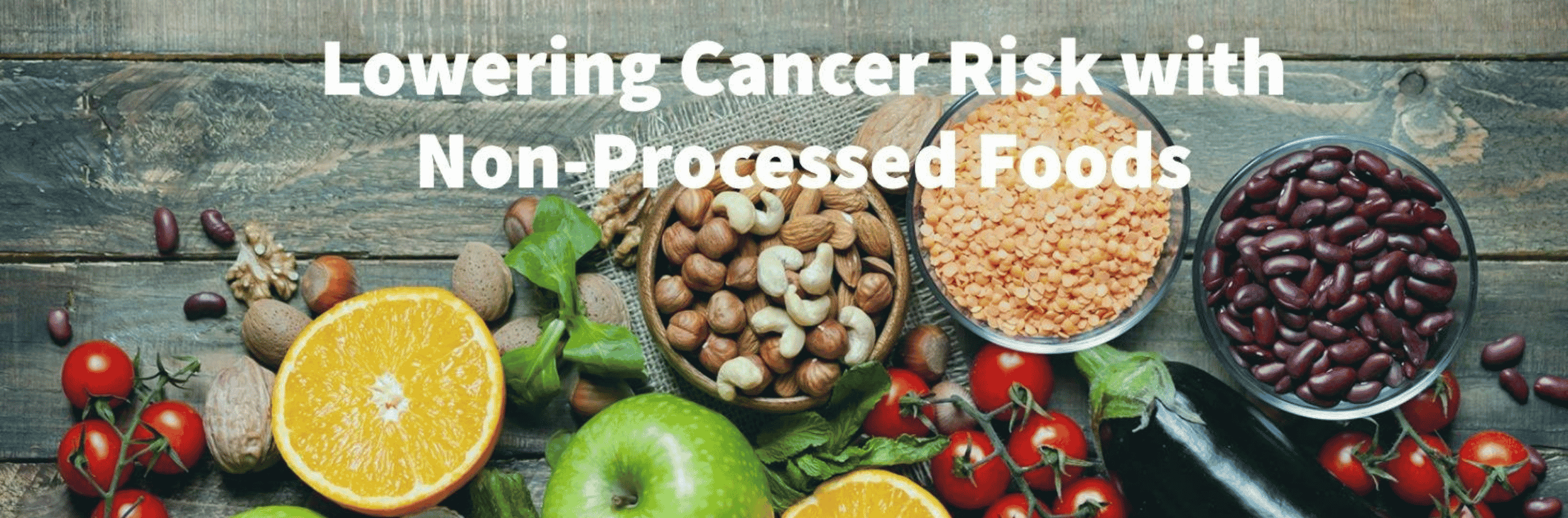
  • Small Dietary Changes, Big Health Benefits: Lowering Cancer Risk with Non-Processed Foods

    Small Dietary Changes, Big Health Benefits: Lowering Cancer Risk with Non-Processed Foods

    Are you concerned about your cancer risk? A new study from the European Prospective Investigation into Cancer and Nutrition (EPIC) suggests that making a small change to your diet may significantly reduce your risk of cancer and thus improve longevity.

    The study found that when 10% of ultra-processed foods were replaced with non-processed foods, the overall risk of cancer and of specific cancers, such as colon and postmenopausal breast cancers, decreased. Crucially, these results held true even when adjusted for other risk factors for cancer such as BMI, alcohol and dietary intake, and food quality.

    So what are ultra-processed foods? They include foods like processed meats, fizzy drinks, packaged snacks, and ready meals. These foods typically contain eye-wateringly high levels of added sugar, salt, and fat, along with artificial colours, flavours, and preservatives. Unfortunately, these food have also been designed to taste great. 

    The study’s findings suggest that the processing of food may play a role in cancer development. By replacing just a small portion of ultra-processed foods with non-processed options, you may be able to reduce your cancer risk.

    Non-processed foods, by contrast, are foods that are minimally processed and remain close to their natural state. Examples, of course, include fruits, vegetables, whole grains, nuts, and seeds.

    The EPIC study is a large-scale epidemiological study that has investigated the association between dietary intake and cancer risk. The study recruited over 500,000 participants from 23 centres across 10 European countries between 1991 and 2001. Participants completed dietary questionnaires and were followed up for an average of 15 years. The study used the NOVA food processing classification system to categorise foods based on their level of processing. This system categorises foods into four groups: unprocessed or minimally processed foods, processed culinary ingredients, processed foods, and ultra-processed foods.

    The study found that a 10% increase in the proportion of ultra-processed foods in the diet was associated with a 12% increase in overall cancer risk. In contrast, a 10% increase in the proportion of unprocessed or minimally processed foods was associated with a 10% decrease in overall cancer risk. The study also found that a higher intake of ultra-processed foods was associated with an increased risk of specific types of cancer, including breast, colorectal, and throat cancer.

    Overall, the study provides strong evidence that reducing the intake of ultra-processed foods and increasing the intake of unprocessed or minimally processed foods may lower the risk of developing cancer. It’s important to note that this study was a prospective cohort substitution study, meaning that it didn’t directly measure the effects of diet on cancer risk. Rather, it analysed the effects of substituting certain foods in the diet with other foods.

    Despite this limitation, the study’s findings remain compelling. If you’re looking to reduce your cancer risk, consider making small changes to your diet. Replace processed snacks with fresh fruits or veggies or nuts, swap sugary drinks for water (I drink a lot of naturally flavoured sparkling water) or unsweetened tea, and choose whole grains over refined grains. By making these simple changes, you may be able to reduce your cancer risk and improve your overall healthspan.

    British Association of Sports and Exercise Medicine  ·  European Atherosclerosis Society  · 
    Independent Doctors Federation

    As seen in The Independent, The Daily Mail and Tatler

    For educational purposes. This article is written by a practising GP and is intended to inform, not replace a consultation with your own doctor. It does not constitute medical advice. A note on clinical guidelines: Coyne Medical is an independent private clinic. Our approach is guided by the best available evidence, tailored to each individual. This may go beyond standard NHS or NICE guidance, which is designed for population-level care and weighted by resource constraints.