

Tag: diet

  • Can Your Diet Protect You From Dementia?

    Can Your Diet Protect You From Dementia?

    Can Diet Reduce Dementia Risk?

    We often talk about food as fuel for the body. But what if it’s also medicine for the brain? This may particularly be the base if you have some metabolic dysfunction.

    new study from the UK Biobank, published in 2024, suggests that what you eat could make a meaningful difference to your dementia risk, especially if you have type 2 diabetes, heart disease, or a history of stroke. The researchers tracked over 84,000 people aged 60 and up for more than a decade. They examined their diet, health conditions, and in some cases, their brain scans.

    The Inflammation Connection

    The link between inflammation and disease certainly isn’t new. We know that chronic low-grade inflammation plays a role in heart disease, type 2 diabetes, and even dementia. The term “inflammaging” has been coined to describe this slow-burning, systemic irritation that seems to drive many age-related conditions.

    The Dietary Inflammatory Index (DII) ranks your diet based on how likely your diet is to promote inflammation. Pro-inflammatory diets are heavy in processed meat, refined carbs, processed foods and added sugars. Anti-inflammatory diets tend to be rich in vegetables, fruit, whole grains, fish, legumes and olive oil. Essentially, a Mediterranean-ish pattern wins again.

    The Main Question

    The researchers wanted to know whether an anti-inflammatory diet reduces dementia risk. This was especially pertinent for people already at higher risk due to cardiometabolic disease (CMD). CMD in this study included type 2 diabetes, heart disease, or stroke. This is because people with CMD are at higher risk of dementia. 

    In answer, the anti-inflammatory diet does reduce dementia risk, and it’s not a trivial difference.

    Compared to people without CMD who ate an anti-inflammatory diet (the “healthiest” group), those with CMD and a proinflammatory diet were more than twice as likely to develop dementia. But those with CMD who ate an anti-inflammatory diet had a 31% lower risk of dementia than their proinflammatory peers.

    They also developed dementia two years later, on average.

    Brains on Scan

    Around 9,000 people in the study had brain MRI scans. This allowed researchers to look for changes associated with cognitive decline.

    People with CMD and a proinflammatory diet had smaller grey matter volume (the brain cells you want to keep) and more white matter hyperintensities (a marker of small vessel disease and vascular injury). Those with CMD and an anti-inflammatory diet had significantly better brain structure. This was reflected by more grey matter and less white matter damage. Not perfect, but certainly better.

    A Few Caveats

    Like any good study, this one has its limitations. Diet was assessed using 24-hour food recall, which isn’t perfect. People might forget what they ate, or fudge it slightly to sound healthier. Also, the DII is based on nutrients rather than food types. So, it can’t distinguish between plant-based and animal-based proteins, or account for cooking methods that might influence the inflammatory load of a meal.

    Still, participants with higher DII scores had higher levels of inflammatory markers in their blood. This lends credence to the idea that the DII is capturing something meaningful.

    The Takeaway – avoid the takeaway

    If you’ve already got diabetes, heart disease or a history of stroke, your brain may be more vulnerable. But your diet might offer a way to fight back.

    Choosing anti-inflammatory foods won’t reverse existing brain damage, but it might slow the progression of cognitive decline. At the very least, it’s a low-risk strategy. It also benefits your cardiovascular health, blood pressure, gut, and energy levels. 

    If your goal is to keep your brain sharp, go for plenty of colour on the plate. A good example might be salmon and lentils over sausage rolls and white bread. It’s not about perfection. It’s more about shifting the odds in your favour.

    And in this case, the odds are worth shifting.

    British Association of Sports and Exercise Medicine  ·  European Atherosclerosis Society  · 
    Independent Doctors Federation

    As seen in The Independent, The Daily Mail and Tatler

    For educational purposes. This article is written by a practising GP and is intended to inform, not replace a consultation with your own doctor. It does not constitute medical advice. A note on clinical guidelines: Coyne Medical is an independent private clinic. Our approach is guided by the best available evidence, tailored to each individual. This may go beyond standard NHS or NICE guidance, which is designed for population-level care and weighted by resource constraints.

  • Can You Still Eat Beef and Be Heart Healthy?

    Can You Still Eat Beef and Be Heart Healthy?

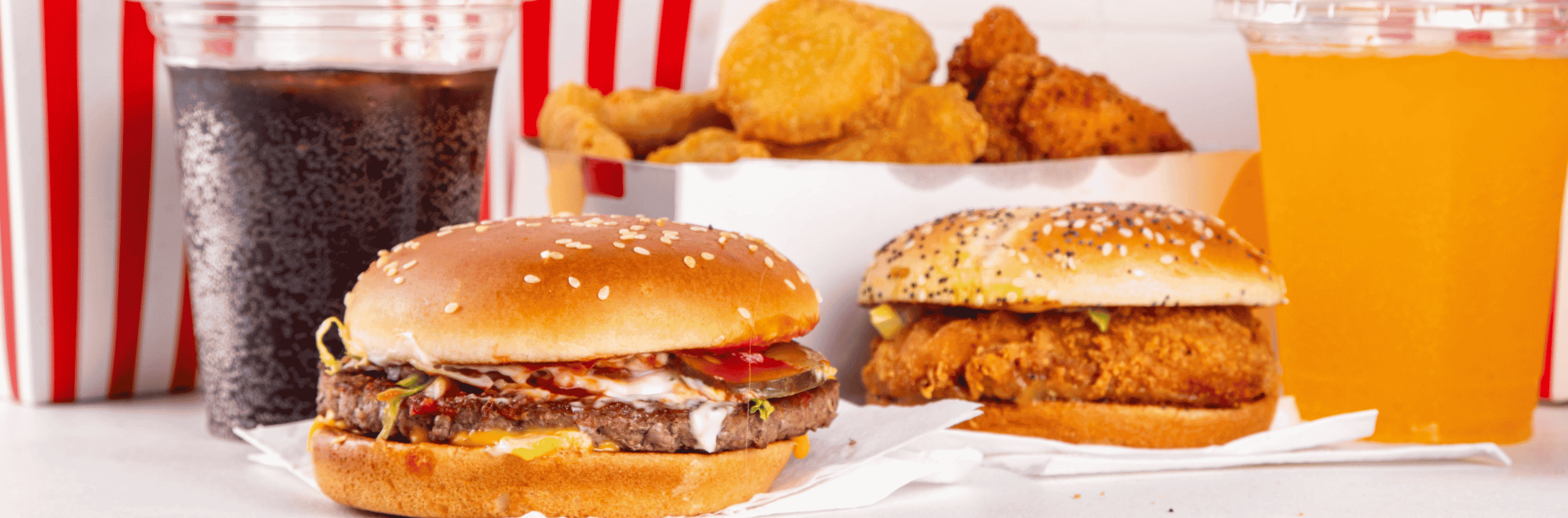
    Is beef heart healthy? Red meat has had a rough ride in recent decades. It’s been linked to everything from heart disease to early death, with no shortage of headlines declaring it public enemy number one. But a recent meta-analysis has taken a more measured look at one particular type of red meat: lean, unprocessed beef.

    The study examined 20 randomised controlled trials (RCTs) involving over 1,000 adults. Researchers focused on key cardiovascular disease (CVD) risk factors, including blood lipids like LDL and HDL cholesterol, triglycerides, and blood pressure. Essentially, the study found that beef is not quite the villain it’s made out to be.

    What the Study Looked At

    This was a systematic review and meta-analysis. A trial design that is about as robust as nutritional evidence gets. Researchers pooled data from high-quality trials that compared diets with varying amounts of lean beef. The aim was to isolate beef’s impact on heart health. The study aimed to avoid the usual confusion that comes from lumping it together with other red meats or with heavily processed sausages and burgers.

    Most participants were either healthy or had common metabolic issues such as high cholesterol or type 2 diabetes. The average beef intake in the high-beef groups was around 160 grams per day, roughly two servings. Which, in my opinion, is quite a lot of beef. Comparators were diets with little or no beef.

    The Verdict on Cholesterol and Blood Pressure

    The key takeaway was that eating lean, unprocessed beef had no meaningful impact on most heart health markers.

    Total cholesterol, HDL and triglycerides stayed broadly the same, regardless of how much beef people ate. Both systolic and diastolic blood pressure also remained broadly unchanged. There was a very small increase in LDL cholesterol, around 2.7 mg/dL or 0.07mmol/L. This might sound concerning. However, this is a trivial increase. For context, that’s the kind of variation you might get from eating a slightly different breakfast.

    Even this tiny effect on LDL was mostly driven by one influential study. When that study was removed in a sensitivity analysis, the difference disappeared.

    It is also worth noting that lean beef tends to be higher in cholesterol-lowering fats (monounsaturated and polyunsaturated) than cholesterol-raising saturated fats. Many of the included trials also tried to match saturated fat across diets. This makes it unlikely that saturated fat was a major driver.

    So, Is Beef Heart Healthy?

    The answer, based on this analysis, is that it is certainly not harmful. At least not in the form studied here. Eating lean, unprocessed beef in moderate amounts does not appear to harm cholesterol levels or blood pressure. In fact, it can be a useful source of high-quality protein, iron, zinc, and vitamin B12. These are nutrients that many people are deficient in.

    Of course, this does not mean you should eat steak every day and skip the vegetables. A balanced diet is still key, and occasionally swapping beef for fish or plant-based proteins is still a good idea. But the idea that any amount of beef will clog your arteries and cut your life short is not supported by this data.

    But What About the Funding?

    Yes, the study was funded by the Beef Checkoff, an industry body. That should always raise eyebrows. However, the researchers clearly disclosed this. The study used rigorous methods and followed gold-standard protocols like PRISMA. In fact, over 70 per cent of the industry-funded trials included were rated as low risk of bias. That was better than some of the non-industry-funded ones.

    This does not mean we take the results at face value without scrutiny. However, we should be cautious about dismissing them just because of who paid for the research. The rigour was there.

    Where This Leaves Us

    Nutritional science is messy, and red meat is a prime example. Much of the scare comes from observational studies that cannot separate diet from lifestyle. People who eat lots of red meat often do fewer healthy things overall. They tend to exercise less, smoke more, and eat fewer vegetables. That makes it tricky to tease out cause and effect.

    What this meta-analysis gives us is a cleaner look at the question. And the answer, at least for lean, unprocessed beef, appears to be that there is no major impact on lipids or blood pressure. It is important to mention that this study did not look at hard outcomes. It did not, for example, tell us whether people who ate more lean beef were more likely to die or a heart attack or stroke. It merely points out that people who ate lean beef had no change in the risk factors for heart disease and stroke. 

    If you enjoy beef, there is no need to swear it off entirely. Choose lean cuts, don’t char it to oblivion, and pair it with plenty of plant-based foods. A steak night now and then, as part of an overall healthy lifestyle, is unlikely to be the thing that tips the balance.

    Nutrition is full of strong opinions. But evidence beats ideology. This latest study adds a little sanity back into the red meat debate. It is not a green light to live on burgers, but it is a reminder that context, portion size, and overall diet quality matter far more than demonising single foods.

    And if someone tries to guilt you over your Sunday roast, you now at least have a well-referenced comeback.

    British Association of Sports and Exercise Medicine  ·  European Atherosclerosis Society  · 
    Independent Doctors Federation

    As seen in The Independent, The Daily Mail and Tatler

    For educational purposes. This article is written by a practising GP and is intended to inform, not replace a consultation with your own doctor. It does not constitute medical advice. A note on clinical guidelines: Coyne Medical is an independent private clinic. Our approach is guided by the best available evidence, tailored to each individual. This may go beyond standard NHS or NICE guidance, which is designed for population-level care and weighted by resource constraints.
  • Ultra-Processed Foods: Are They Really That Bad for You

    Ultra-Processed Foods: Are They Really That Bad for You

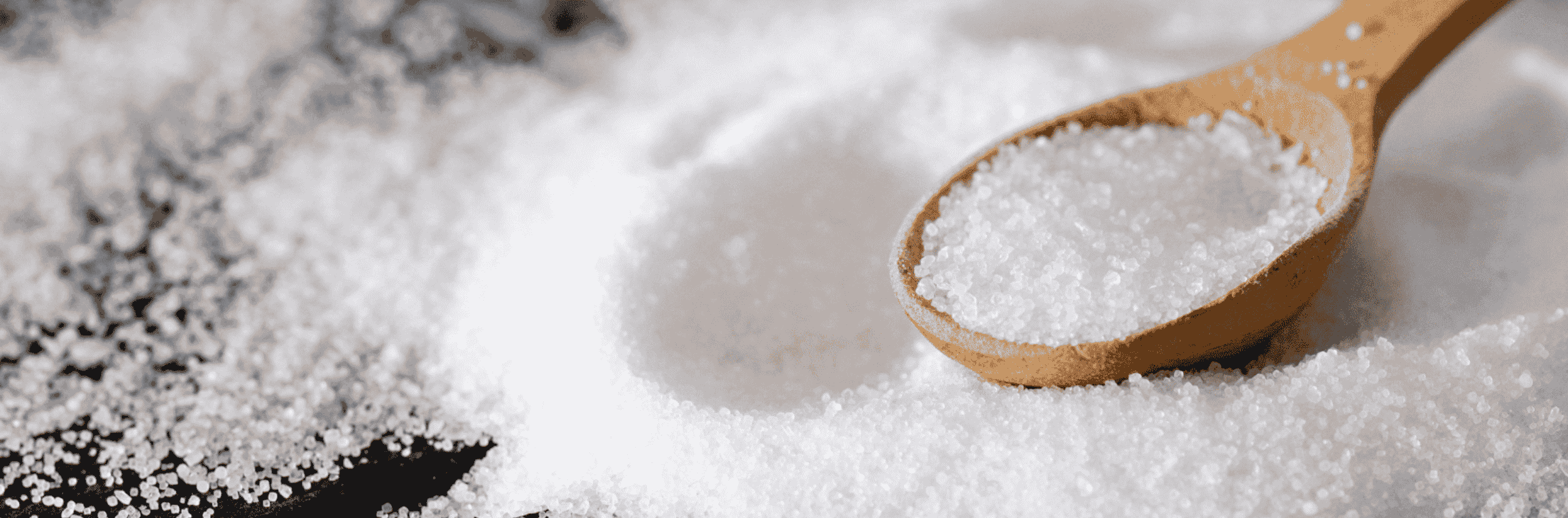
    Walk into any supermarket and try to avoid ultra-processed foods. It’s nearly impossible. Ready meals, packaged snacks, ‘healthy’ protein bars, and supermarket bread. They all fall into this category. Even some foods marketed as nutritious are ultra-processed, full of additives, preservatives, and ingredients that barely resemble anything found in nature.

    We’ve long suspected they’re bad for us. But a massive new study has put the nail in the coffin. The more ultra-processed food you eat, the worse your health outcomes. Heart disease, obesity, type 2 diabetes, depression, and even early death; the risks go up across the board.

    What Are Ultra-Processed Foods?

    Ultra-processed foods (UPFs) are not just ‘junk food.’ They’re industrially formulated products packed with refined ingredients, chemical additives, and preservatives. The NOVA classification system groups food into four categories, with UPFs being the worst offenders. Think:

    • Pre-packaged meals
    • Fizzy drinks
    • Instant noodles
    • Mass-produced supermarket bread
    • Flavoured yoghurts with a list of ingredients longer than your arm
    • Protein bars masquerading as healthy options
    • Most breakfast cereals

    Essentially, ultra-processed food contains things you wouldn’t find in a normal kitchen: emulsifiers, artificial sweeteners, colourings, and stabilisers.

    What Does the Science Say?

    new study reviewing data from nearly 10 million people has confirmed what we’ve suspected for a while: the more ultra-processed food you eat, the worse your health outcomes. Some of the key findings:

    • All-cause mortality: UPFs are linked to a higher risk of dying earlier.
    • Cardiovascular disease: Increased risk of heart attacks, strokes, and related deaths.
    • Type 2 diabetes: Strong evidence that UPFs contribute to insulin resistance and metabolic dysfunction.
    • Obesity and abdominal fat: They make you gain weight and store fat in all the wrong places.
    • Mental health issues: Higher rates of anxiety, depression, and even poor sleep patterns.

    These effects aren’t just from eating ‘bad’ foods like crisps and fizzy drinks. Even some foods we’ve been led to believe are healthy (high-protein snacks, low-fat yoghurts, certain plant-based alternatives) are ultra-processed and have similar effects.

    Why Are They So Bad?

    Ultra-processed foods are uniquely harmful for several reasons:

    1. Nutrient-Poor, Calorie-Dense
      They’re high in sugar, salt, and unhealthy fats, while lacking fibre, protein, and micronutrients. This leads to overconsumption and nutrient deficiencies.
    2. Disrupting the Gut Microbiome
      Additives, emulsifiers, and artificial sweeteners disturb gut bacteria, leading to inflammation, digestive issues, and even poor mental health.
    3. Inflammation and Metabolic Chaos
      Many of the chemical byproducts from food processing are pro-inflammatory, meaning they contribute to chronic diseases, from heart disease to autoimmune conditions.
    4. Engineered for Overconsumption
      These foods are designed to be hyper-palatable, triggering dopamine hits and encouraging overeating. Have you ever noticed how easy it is to eat an entire pack of biscuits but almost impossible to overeat steak and veg? That’s not an accident.

    Exposure to Harmful Chemicals
    The packaging itself can be a problem. It can leach chemicals like bisphenols and microplastics into food, which then enter our bodies.

    What Should You Do?

    You don’t need to live like a monk. But cutting back on UPFs is one of the best things you can do for your health. Here’s how:

    • Stick to real food: If it had a face, grew from the ground, or needed little intervention before reaching your plate, it’s a good choice.
    • Shop the perimeter of the supermarket: That’s where you’ll find meat, fish, eggs, fruit, veg, and dairy.
    • Check the ingredients list: If it reads like a chemistry experiment, think twice.
    • Cook more at home: It doesn’t have to be complicated. Simple meals with whole ingredients will always beat processed alternatives.
    • Follow the 80/20 rule: You don’t have to eliminate UPFs completely, but they should be an occasional treat rather than a daily staple.

    Final Thought

    You don’t need to listen to three-hour longevity podcasts to figure out what to eat. The healthiest diet is the simplest. Eat mostly real food, cook when you can, and don’t get sucked into the marketing hype.

    British Association of Sports and Exercise Medicine  ·  European Atherosclerosis Society  · 
    Independent Doctors Federation

    As seen in The Independent, The Daily Mail and Tatler

    For educational purposes. This article is written by a practising GP and is intended to inform, not replace a consultation with your own doctor. It does not constitute medical advice. A note on clinical guidelines: Coyne Medical is an independent private clinic. Our approach is guided by the best available evidence, tailored to each individual. This may go beyond standard NHS or NICE guidance, which is designed for population-level care and weighted by resource constraints.
  • Does Salt Intake Affect Blood Pressure? New Insights from a Groundbreaking Study

    Does Salt Intake Affect Blood Pressure? New Insights from a Groundbreaking Study

    In the ever-evolving world of dietary recommendations, the role of sodium in blood pressure management has been a subject of fierce debate. A recent study, conducted across two US cities with 213 participants aged 50 to 75, sheds new light on this topic. It is especially useful for those on blood pressure medications.

    Understanding the Sodium-BP Connection

    The study aimed to explore the individual blood pressure response to dietary sodium intake. It analysed variations based on baseline blood pressure and antihypertensive medication usage. The participants, including those with normal blood pressure, controlled, uncontrolled, and untreated high blood pressure, were put on high- and low-sodium diets in a crossover design.

    Dietary Intervention: High vs. Low Sodium

    Participants first adhered to their usual diet, followed by one-week phases of high-sodium (about 2200 mg added daily) and low-sodium (totaling about 500 mg daily) diets. The primary focus was on changes in 24-hour ambulatory systolic and diastolic blood pressure, mean arterial pressure, and pulse pressure.

    Key Findings: A Shift in Blood Pressure

    The results were revealing:

    • Median Blood Pressure Changes: On usual, high-sodium, and low-sodium diets, the median systolic blood pressures were 125, 126, and 119 mm Hg, respectively.
    • Mean Arterial Pressure: The median change in mean arterial pressure between high- and low-sodium diets was 4 mm Hg, significant across all hypertension statuses.
    • Salt Sensitivity: Using the threshold of a 5 mm Hg or greater decline in mean arterial pressure, 46% of participants were classified as “salt sensitive.”

    Consistency Across Subgroups

    Interestingly, the blood pressure decline from a high- to low-sodium diet was consistent across various subgroups, including age, sex, race, hypertension status, baseline BP, diabetes, and body mass index. This suggests that dietary sodium reduction may be beneficial for a wide range of individuals.

    Conclusions: A Relevance for All

    This study reinforces the idea that reducing dietary sodium can significantly lower blood pressure in middle-aged to elderly adults. The reduction in blood pressure was independent of original blood pressure status and blood pressure medication use. This finding is particularly relevant for those seeking non-pharmacological methods to manage blood pressure.

    My Takeaway

    Reducing sodium intake isn’t just for select groups; its benefits extend broadly, offering a universally applicable approach to better blood pressure management. Of course not everyone is a “salt-responder” but if you suffer from high blood pressure then reducing dietary sodium is well worth as try.

    Please help someone else by sharing this blog. 

    British Association of Sports and Exercise Medicine  ·  European Atherosclerosis Society  · 
    Independent Doctors Federation

    As seen in The Independent, The Daily Mail and Tatler

    For educational purposes. This article is written by a practising GP and is intended to inform, not replace a consultation with your own doctor. It does not constitute medical advice. A note on clinical guidelines: Coyne Medical is an independent private clinic. Our approach is guided by the best available evidence, tailored to each individual. This may go beyond standard NHS or NICE guidance, which is designed for population-level care and weighted by resource constraints.

  • What is the best way to reverse diabetes?

    What is the best way to reverse diabetes?

    In the landscape of metabolic health, prediabetes exists as a silent prelude to Type 2 diabetes. A recent study offers significant insights into prediabetes remission.

    Understanding the Precursor

    Prediabetes is akin to standing on a railway platform, watching your train slowly approach, whilst snacking on a muffin in Starbucks on Platform 13. You have to catch the train, but to do so you need to ditch the muffin and get out of the coffee shop. The importance of catching this train before it departs cannot be overstated. It’s a critical juncture where blood sugar levels, though not high enough for a diabetes diagnosis, are certainly not in the clear. 

    Insights from the PLIS and DPP Studies

    The Prediabetes Lifestyle Intervention Study (PLIS) in Germany, in tandem with data from the Diabetes Prevention Program (DPP) in the USA, sheds light on reversing prediabetes. The focus was on individuals who achieved a notable weight loss, examining their metabolic health trajectory.

    Decoding the Study: Key Takeaways

    • Insulin Sensitivity and Weight Loss: An encouraging insight was the improvement in insulin sensitivity among those who lost weight. This factor is pivotal in maintaining healthy blood sugar levels.
    • The Role of Visceral Fat: The study underscored the reduction of visceral adipose tissue – a key player in metabolic health. This type of fat, cloaking the abdominal organs, is a silent contributor to metabolic diseases. By the way, MRI is a fantastic way to assess your levels of visceral fat.  
    • The Age Factor: Younger participants had a better response to lifestyle changes, underscoring the import of early intervention.

    Interpreting the Data: What It Means for You

    • Exercise as a Pillar of Health: I hate to always bang the same drum but regular physical activity emerged as a critical component of the lifestyle intervention. It’s a non-negotiable tool for enhancing insulin sensitivity.
    • Dietary Discipline: A balanced diet is about more than calories; it’s about fcreating a metabolic environment conducive to optimal health.
    • Proactive Approach: The study reinforces the principle that early intervention in prediabetes can significantly deter the progression to Type 2 diabetes.

    This study isn’t merely a warning sign; it’s a beacon of empowerment. Tackling prediabetes head-on with lifestyle adjustments can pivot your trajectory away from Type 2 diabetes.

    If you would like to prevent or improve diabetes, make sure you book an appointment with us. We can also arrange for you to have body composition by MRI and assess you visceral fat and muscle mass providing invaluable insights into your metabolism. 

    British Association of Sports and Exercise Medicine  ·  European Atherosclerosis Society  · 
    Independent Doctors Federation

    As seen in The Independent, The Daily Mail and Tatler

    For educational purposes. This article is written by a practising GP and is intended to inform, not replace a consultation with your own doctor. It does not constitute medical advice. A note on clinical guidelines: Coyne Medical is an independent private clinic. Our approach is guided by the best available evidence, tailored to each individual. This may go beyond standard NHS or NICE guidance, which is designed for population-level care and weighted by resource constraints.

  • Minerals and Mood

    Minerals and Mood

    Most of us are continuously juggling multiple roles and responsibilities and hence it’s easy to overlook something as basic as our dietary habits. However, a recent study showed some fascinating insights that suggest that, from a mental health point of view, our meal choices can be incredibly influential. 

    A Deep Dive into Dietary Minerals and Depression

    A comprehensive analysis involving over 20,000 participants from the National Health and Nutrition Examination Survey (2007-2018) brought to light the complex relationship between nine key dietary minerals and depressive symptoms. These minerals studied were:

    • Calcium (Ca)
    • Phosphorus
    • Magnesium (Mg)
    • Iron (Fe)
    • Zinc
    • Copper (Cu)
    • Sodium
    • Potassium (K)
    • Selenium (Se)

    The study employed sophisticated statistical models (such as the Bayesian kernel machine regression) to assess the impact of these minerals on depression, measured by the Patient Health Questionnaire-9 (PHQ-9) scores. This is a standard tool used in primary care to quantify the extent of patients’ depression. 

    It’s Not Just What You Eat, But How They Interact

    The results were intriguing:

    • Negative Association That’s Positive: A higher intake of these minerals was linked to lower PHQ-9 scores, indicating fewer depressive symptoms.
    • Role of Selenium and Potassium: Selenium emerged as the key player, showing the most significant impact, closely followed by potassium.
    • Interactions Matter: Interactions between certain minerals, like calcium and iron, also influenced depressive symptoms.
    • Gender-Specific Effects: Interestingly, copper showed a more pronounced effect in females.

    What Does This Mean for Us?

    This study adds to the growing body of evidence suggesting that our diet, specifically mineral intake, plays a significant role in mood regulation. Minerals are not just building blocks for our bodies; they are crucial for the synthesis of mood-regulating neurotransmitters like serotonin and dopamine.

    So, What Can We Do?

    Here’s a quick guide to foods rich in these crucial minerals:

    • Nuts and Seeds: A treasure trove of selenium, especially Brazil nuts. These are are great for reducing the risk of cardiovascular disease
    • Eggs: Dubbed nature’s multivitamin. Don not worry about the Mapco of eggs on cholesterol. 
    • Cruciferous Vegetables: Such as broccoli, cabbage, and Brussels sprouts.
    • Beans: High in fibre and a useful source protein (the bean soup at la Pizzica deli is highly recommended as the source of beans!).
    • Avocados and Berries: These are rich in omega-3 fatty acids and essential minerals.
    • Leafy Greens: Folate-rich and which is important for nutrient transport to the brain.
    • Shellfish and Sardines: High in zinc and omega-3s.

    A Note on Supplementation

    While a balanced diet is the gold standard, some patients, especially those facing severe mental health challenges, might find it difficult to maintain such a diet. In these cases, a multimineral supplement might be  helpful

    We’re here not just to treat but to educate and empower. This study offers a glimpse into the significant impact of diet on mental health. Try to embrace these findings in your culinary choices. And, as always, we’re here to guide you on this journey towards a healthier, happier you.

    P.S. For personalised advice on nutrition and mental health, to check your nutrient levels or to discuss this study further, feel free to book an appointment. 

    British Association of Sports and Exercise Medicine  ·  European Atherosclerosis Society  · 
    Independent Doctors Federation

    As seen in The Independent, The Daily Mail and Tatler

    For educational purposes. This article is written by a practising GP and is intended to inform, not replace a consultation with your own doctor. It does not constitute medical advice. A note on clinical guidelines: Coyne Medical is an independent private clinic. Our approach is guided by the best available evidence, tailored to each individual. This may go beyond standard NHS or NICE guidance, which is designed for population-level care and weighted by resource constraints.
  • The Impact of Excess Dietary Sugar on Health

    The Impact of Excess Dietary Sugar on Health

    Excess dietary sugar has been shown to have a significant impact on overall health, and this impact extends beyond just issues related to obesity. A recent umbrella review of 73 meta-analyses found that excess dietary sugar is associated with a higher risk of endocrine diseases, heart disease, cancer, and behavioural conditions.

    One of the most concerning findings was that excess sugar intake in children may lead to an increased lifetime risk of obesity, which can reduce longevity and healthspan. In rat models, excess dietary sugar has been found to lengthen the villi of intestinal cells. Villi are finger-like projections that line the inner surface of the small intestine, and they play a crucial role in nutrient absorption. The increased efficiency of sugar absorption from these longer villi can lead to obesity, particularly when it occurs at a young age

    Excess sugar intake during childhood has also been linked to a 27% higher risk of asthma, an inflammatory condition of the airways that can persist into adulthood. Additionally, excess sugar intake has been found to affect behaviour and mood. It has been linked to conditions such as ADHD and depression. Given the huge number of prescriptions being written to manage these conditions, it is always worth considering if there are any dietary interventions that can be made before a medication is prescribed. 

    Excess sugar intake can also lead to elevated uric acid levels, which can cause elevated levels of uric acid and gout. Uric acid is not only associated with gout, a very painful inflammation of the joints. It has been associated with insulin resistance and cardiovascular disease risk, both of which can impact longevity and healthspan. Fructose, a type of sugar, has been found to increase uric acid levels, worsen inflammation, and reduce nitric oxide, which can lead to endothelial dysfunction, another condition that negatively impacts longevity and healthspan.

    Endothelial dysfunction is a condition where the inner lining of blood vessels, the endothelium, does not function properly. It can contribute to the development of several cardiovascular diseases, including hypertension, atherosclerosis, and coronary artery disease. Endothelial dysfunction worsens when nitric oxide levels are reduced, and elevated uric acid levels have been linked to the development of this condition. By reducing sugar intake, individuals can significantly reduce their risk of endothelial dysfunction, which can improve longevity and healthspan.

    To mitigate the risks of excess sugar intake and promote longevity and healthspan, this review recommends that individuals keep their total added sugar intake to less than 25 grams per day. This is equivalent to about 5 to 6 teaspoons of sugar daily. 

    Excess dietary sugar poses significant risks to overall health, which can have an impact on longevity and healthspan. To promote a longer, healthier life, limit your added sugar intake to less than 25 grams per day, and enjoy the occasional sweet treat guilt-free!

    British Association of Sports and Exercise Medicine  ·  European Atherosclerosis Society  · 
    Independent Doctors Federation

    As seen in The Independent, The Daily Mail and Tatler

    For educational purposes. This article is written by a practising GP and is intended to inform, not replace a consultation with your own doctor. It does not constitute medical advice. A note on clinical guidelines: Coyne Medical is an independent private clinic. Our approach is guided by the best available evidence, tailored to each individual. This may go beyond standard NHS or NICE guidance, which is designed for population-level care and weighted by resource constraints.

  • Small Dietary Changes, Big Health Benefits: Lowering Cancer Risk with Non-Processed Foods

    Small Dietary Changes, Big Health Benefits: Lowering Cancer Risk with Non-Processed Foods

    Are you concerned about your cancer risk? A new study from the European Prospective Investigation into Cancer and Nutrition (EPIC) suggests that making a small change to your diet may significantly reduce your risk of cancer and thus improve longevity.

    The study found that when 10% of ultra-processed foods were replaced with non-processed foods, the overall risk of cancer and of specific cancers, such as colon and postmenopausal breast cancers, decreased. Crucially, these results held true even when adjusted for other risk factors for cancer such as BMI, alcohol and dietary intake, and food quality.

    So what are ultra-processed foods? They include foods like processed meats, fizzy drinks, packaged snacks, and ready meals. These foods typically contain eye-wateringly high levels of added sugar, salt, and fat, along with artificial colours, flavours, and preservatives. Unfortunately, these food have also been designed to taste great. 

    The study’s findings suggest that the processing of food may play a role in cancer development. By replacing just a small portion of ultra-processed foods with non-processed options, you may be able to reduce your cancer risk.

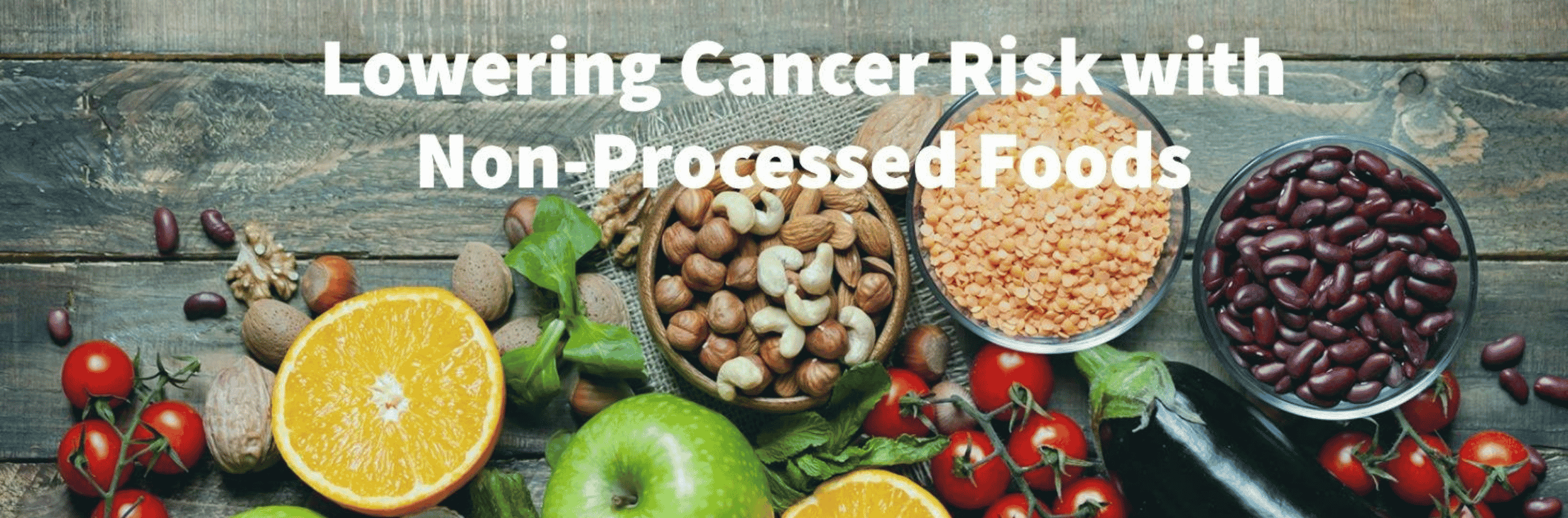
    Non-processed foods, by contrast, are foods that are minimally processed and remain close to their natural state. Examples, of course, include fruits, vegetables, whole grains, nuts, and seeds.

    The EPIC study is a large-scale epidemiological study that has investigated the association between dietary intake and cancer risk. The study recruited over 500,000 participants from 23 centres across 10 European countries between 1991 and 2001. Participants completed dietary questionnaires and were followed up for an average of 15 years. The study used the NOVA food processing classification system to categorise foods based on their level of processing. This system categorises foods into four groups: unprocessed or minimally processed foods, processed culinary ingredients, processed foods, and ultra-processed foods.

    The study found that a 10% increase in the proportion of ultra-processed foods in the diet was associated with a 12% increase in overall cancer risk. In contrast, a 10% increase in the proportion of unprocessed or minimally processed foods was associated with a 10% decrease in overall cancer risk. The study also found that a higher intake of ultra-processed foods was associated with an increased risk of specific types of cancer, including breast, colorectal, and throat cancer.

    Overall, the study provides strong evidence that reducing the intake of ultra-processed foods and increasing the intake of unprocessed or minimally processed foods may lower the risk of developing cancer. It’s important to note that this study was a prospective cohort substitution study, meaning that it didn’t directly measure the effects of diet on cancer risk. Rather, it analysed the effects of substituting certain foods in the diet with other foods.

    Despite this limitation, the study’s findings remain compelling. If you’re looking to reduce your cancer risk, consider making small changes to your diet. Replace processed snacks with fresh fruits or veggies or nuts, swap sugary drinks for water (I drink a lot of naturally flavoured sparkling water) or unsweetened tea, and choose whole grains over refined grains. By making these simple changes, you may be able to reduce your cancer risk and improve your overall healthspan.

    British Association of Sports and Exercise Medicine  ·  European Atherosclerosis Society  · 
    Independent Doctors Federation

    As seen in The Independent, The Daily Mail and Tatler

    For educational purposes. This article is written by a practising GP and is intended to inform, not replace a consultation with your own doctor. It does not constitute medical advice. A note on clinical guidelines: Coyne Medical is an independent private clinic. Our approach is guided by the best available evidence, tailored to each individual. This may go beyond standard NHS or NICE guidance, which is designed for population-level care and weighted by resource constraints.