Can Diet Reduce Dementia Risk?
We often talk about food as fuel for the body. But what if it’s also medicine for the brain? This may particularly be the base if you have some metabolic dysfunction.
A new study from the UK Biobank, published in 2024, suggests that what you eat could make a meaningful difference to your dementia risk, especially if you have type 2 diabetes, heart disease, or a history of stroke. The researchers tracked over 84,000 people aged 60 and up for more than a decade. They examined their diet, health conditions, and in some cases, their brain scans.
The Inflammation Connection
The link between inflammation and disease certainly isn’t new. We know that chronic low-grade inflammation plays a role in heart disease, type 2 diabetes, and even dementia. The term “inflammaging” has been coined to describe this slow-burning, systemic irritation that seems to drive many age-related conditions.
The Dietary Inflammatory Index (DII) ranks your diet based on how likely your diet is to promote inflammation. Pro-inflammatory diets are heavy in processed meat, refined carbs, processed foods and added sugars. Anti-inflammatory diets tend to be rich in vegetables, fruit, whole grains, fish, legumes and olive oil. Essentially, a Mediterranean-ish pattern wins again.
The Main Question
The researchers wanted to know whether an anti-inflammatory diet reduces dementia risk. This was especially pertinent for people already at higher risk due to cardiometabolic disease (CMD). CMD in this study included type 2 diabetes, heart disease, or stroke. This is because people with CMD are at higher risk of dementia.
In answer, the anti-inflammatory diet does reduce dementia risk, and it’s not a trivial difference.
Compared to people without CMD who ate an anti-inflammatory diet (the “healthiest” group), those with CMD and a proinflammatory diet were more than twice as likely to develop dementia. But those with CMD who ate an anti-inflammatory diet had a 31% lower risk of dementia than their proinflammatory peers.
They also developed dementia two years later, on average.
Brains on Scan
Around 9,000 people in the study had brain MRI scans. This allowed researchers to look for changes associated with cognitive decline.
People with CMD and a proinflammatory diet had smaller grey matter volume (the brain cells you want to keep) and more white matter hyperintensities (a marker of small vessel disease and vascular injury). Those with CMD and an anti-inflammatory diet had significantly better brain structure. This was reflected by more grey matter and less white matter damage. Not perfect, but certainly better.
A Few Caveats
Like any good study, this one has its limitations. Diet was assessed using 24-hour food recall, which isn’t perfect. People might forget what they ate, or fudge it slightly to sound healthier. Also, the DII is based on nutrients rather than food types. So, it can’t distinguish between plant-based and animal-based proteins, or account for cooking methods that might influence the inflammatory load of a meal.
Still, participants with higher DII scores had higher levels of inflammatory markers in their blood. This lends credence to the idea that the DII is capturing something meaningful.
The Takeaway – avoid the takeaway
If you’ve already got diabetes, heart disease or a history of stroke, your brain may be more vulnerable. But your diet might offer a way to fight back.
Choosing anti-inflammatory foods won’t reverse existing brain damage, but it might slow the progression of cognitive decline. At the very least, it’s a low-risk strategy. It also benefits your cardiovascular health, blood pressure, gut, and energy levels.
If your goal is to keep your brain sharp, go for plenty of colour on the plate. A good example might be salmon and lentils over sausage rolls and white bread. It’s not about perfection. It’s more about shifting the odds in your favour.
And in this case, the odds are worth shifting.
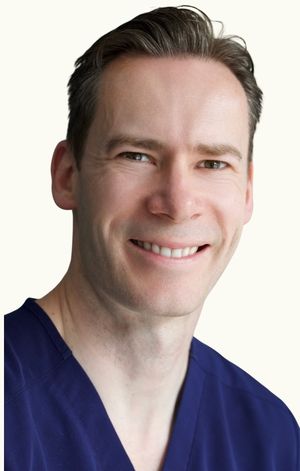
DR J HUGH COYNE
MBBS BSc PGDip (with merit) MRCGP DRCOG DCH
Dr Hugh Coyne is a GP and co-founder of Coyne Medical, a private preventive health clinic at 660 Fulham Road, London. He trained at Imperial College London and has been in practice for over twenty years, with a particular focus on cardiovascular risk, metabolic health, and exercise medicine. After qualifying as a GP he went on to train in sport and exercise medicine, bringing a distinctly practical approach to prevention and long-term health.
British Association of Sports and Exercise Medicine · European Atherosclerosis Society ·
Independent Doctors Federation
As seen in The Independent, The Daily Mail and Tatler
For educational purposes. This article is written by a practising GP and is intended to inform, not replace a consultation with your own doctor. It does not constitute medical advice. A note on clinical guidelines: Coyne Medical is an independent private clinic. Our approach is guided by the best available evidence, tailored to each individual. This may go beyond standard NHS or NICE guidance, which is designed for population-level care and weighted by resource constraints.