

Tag: Blood pressure

  • Blood Pressure Is the Most Important Number You’re Ignoring

    Blood Pressure Is the Most Important Number You’re Ignoring

    When people talk about longevity, they usually mention things like cold plunges, mushroom powders, or the latest supplement that “everyone in Silicon Valley is taking.” But if you ask most doctors,  the kind who deal with real patients, not just podcasts, the top of the list is something far less glamorous, blood pressure.

    Blood Pressure: The Silent Killer That’s Surprisingly Common

    High blood pressure, or hypertension, is often called the silent killer. And for good reason. It doesn’t usually cause symptoms. There’s no rash, no pain, no warning light. But over time, it quietly raises your risk of heart attacks, strokes, kidney disease and dementia.

    When it comes to blood pressure, there’s a simple rule worth remembering. It’s known as the “Rule of Halves”:

    • About half of all adults have high blood pressure.
    • Half of those are undiagnosed.
    • Half of those who are diagnosed aren’t treated.
    • And half of those treated aren’t treated properly.

    That’s a lot of people wandering around thinking they’re in good shape because they “feel fine.”

    But I Had My Blood Pressure Checked at My GP Surgery…

    Let’s talk about how blood pressure is usually measured. You sit in a clinic. You’ve walked fast to get there or worried about parking wardens, probably had a coffee beforehand. Someone wraps a cuff around your arm and tells you to relax.

    That one-off reading might be useful, but it’s also a bit like checking the weather by glancing out the window for five seconds. You’re not getting the full picture.

    Enter the Hilo Band

    The Hilo Band is a wearable device that takes a different approach. It uses photoplethysmography (PPG),  a light-based sensor on your wrist, to monitor the shape and flow of your pulse wave. It’s not just counting your pulse. It’s analysing how your blood pressure behaves throughout the day and night using Pulse Wave Analysis (PWA).


    Hilo gives you multiple readings over 24 hours, including while you sleep. And the band only records when you’re still, which improves accuracy. It’s like having a calm, unobtrusive nurse quietly checking your pressure in the background. And yes, it looks good too. Like a minimalist fitness tracker had a child with a hipster bracelet.

    Real Life Data, Not Waiting Room Guesswork

    This continuous monitoring means you get a clearer, more accurate view of your blood pressure patterns. As opposed to a single, possibly elevated reading in a GP’s office. It can help catch masked hypertension (normal readings in clinic but high at home) or white coat syndrome (high in clinic, normal elsewhere).

    That matters because earlier detection means earlier action, which can include everything from lifestyle tweaks to proper medication, guided by real-world data rather than guesswork.

    Blood Pressure and Longevity: The Real Biohack

    If you’re serious about healthspan (although I hate that word as it sounds like management consultant jargon!), not just how long you live, but how well, then keeping your blood pressure in check is arguably more effective than most so-called biohacks.

    You don’t need exotic pills or 18-step routines. You need good sleep, a Mediterranean-ish diet, regular movement… and control of your blood pressure.

    If you’re going to invest in a wearable, make it one that actually improves your health, not just a random, clinically meaningless “health score.”

    If you’re ready to try it, check them out here: Hilo Band

    Blood pressure control isn’t new or flashy. But it works. And with a tool like the Hilo Band, it’s easier than ever to track, understand and act on. Because knowing your numbers, in your real life, not just under fluorescent clinic lights, is one of the smartest longevity moves you can make. 

    British Association of Sports and Exercise Medicine  ·  European Atherosclerosis Society  · 
    Independent Doctors Federation

    As seen in The Independent, The Daily Mail and Tatler

    For educational purposes. This article is written by a practising GP and is intended to inform, not replace a consultation with your own doctor. It does not constitute medical advice. A note on clinical guidelines: Coyne Medical is an independent private clinic. Our approach is guided by the best available evidence, tailored to each individual. This may go beyond standard NHS or NICE guidance, which is designed for population-level care and weighted by resource constraints.
  • High Blood Pressure: The Longer You Have It, The Worse It Gets

    High Blood Pressure: The Longer You Have It, The Worse It Gets

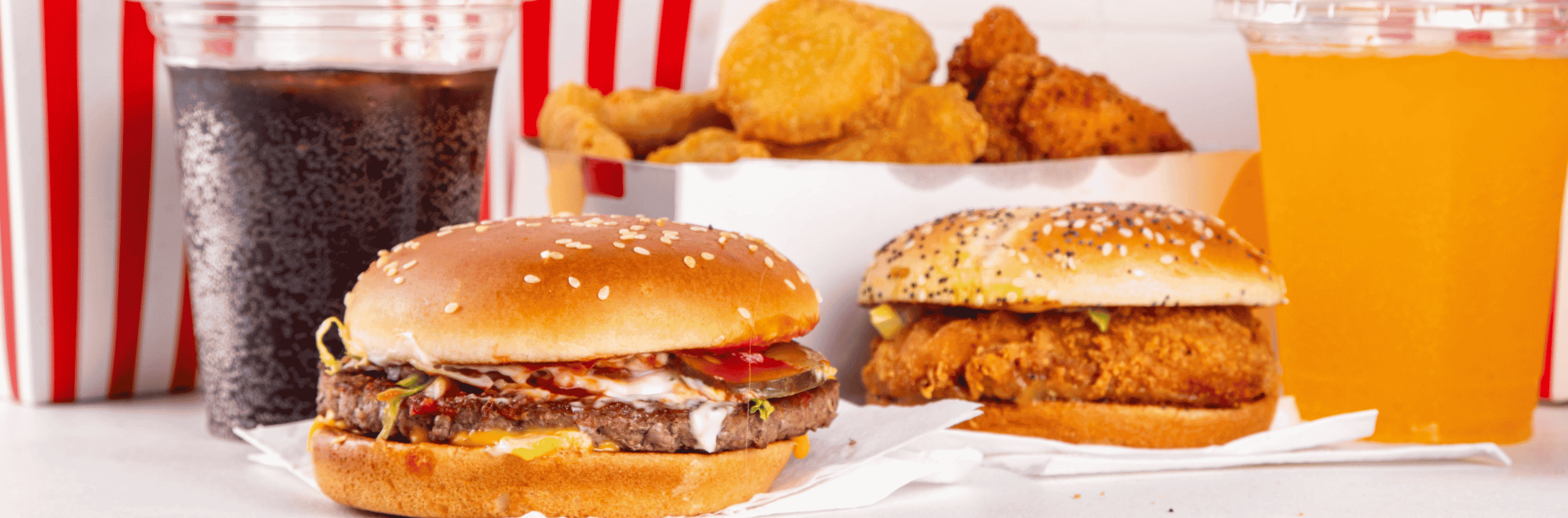
    Walk into any supermarket and try to avoid ultra-processed foods. It’s nearly impossible. Ready meals, packaged snacks, ‘healthy’ protein bars, and supermarket bread. They all fall into this category. Even some foods marketed as nutritious are ultra-processed, full of additives, preservatives, and ingredients that barely resemble anything found in nature.

    We’ve long suspected they’re bad for us. But a massive new study has put the nail in the coffin. The more ultra-processed food you eat, the worse your health outcomes. Heart disease, obesity, type 2 diabetes, depression, and even early death; the risks go up across the board.

    High blood pressure (hypertension) is often called the “silent killer.” But let’s be honest, it’s not that silent. Your doctor has probably mentioned it. Maybe you’ve been told to “keep an eye on it” or “try to reduce your salt intake.” The problem is that by the time hypertension gets serious, it’s been quietly causing damage for years.

    A major new study has confirmed what many of us suspected. The longer you have hypertension, the worse the outcomes. The study looked at over 27,000 people and found that the duration of high blood pressure, not just the level, plays a crucial role in stroke risk and how hard it becomes to control.

    So, if you’ve been thinking, “I’ll deal with it later,” this one’s for you.

    The Key Findings: More Time, More Risk

    The study found three big problems with having high blood pressure for longer:

    1. Your stroke risk goes up.
      • People with high blood pressure for less than 5 years had a 17% higher risk of stroke.
      • Between 6-20 years, the risk jumps to 48% higher.
      • Over 21 years and the risk skyrockets to 86% higher.
    2. The takeaway is that high blood pressure isn’t just about the number on a screen. The longer your body has been under pressure (literally), the more likely you are to suffer a stroke.
    3. It gets harder to control.
      • The longer you’ve had hypertension, the more medication you need to keep it in check.
      • People with high blood pressure for less than 5 years were on 1.7 different meds.
      • Those with 6-20 years were on 2.0 meds.
      • Those with 21+ years? They needed an average of 2.3 different medications just to manage their numbers.
    4. Translation: If you develop hypertension early and don’t take action, it’s a one-way street to more pills and more complications.
    5. Even with meds, your blood pressure stays higher.
      • Longer hypertension = higher blood pressure, even with treatment.
      • This means more strain on your heart, arteries, brain, and kidneys.

    What You Can Do Right Now

    You don’t need to wait for a GP to tell you your blood pressure is creeping up. Here’s what you can do today:

    1. Get it checked.
    2. Move your body.
    3. Eat real food.
      • Ditch ultra-processed foods (see our last blog).
      • More potassium-rich foods like leafy greens, bananas, and nuts.
      • Cut back on salt, but don’t obsess.
    4. Strength train.
    5. Sleep properly.
    6. Sort out stress.

    Final Thought: Prevention > Treatment

    High blood pressure isn’t something that “just happens” when you get older. It’s the result of decades of lifestyle and genetic factors adding up.

    The best time to take action is before blood pressure rises. The second best time is now. 

    The longer you wait, the harder it gets to manage. But the good news? Even small changes can make a huge difference.

    What Should You Do?

    You don’t need to live like a monk. But cutting back on UPFs is one of the best things you can do for your health. Here’s how:

    • Stick to real food: If it had a face, grew from the ground, or needed little intervention before reaching your plate, it’s a good choice.
    • Shop the perimeter of the supermarket: That’s where you’ll find meat, fish, eggs, fruit, veg, and dairy.
    • Check the ingredients list: If it reads like a chemistry experiment, think twice.
    • Cook more at home: It doesn’t have to be complicated. Simple meals with whole ingredients will always beat processed alternatives.
    • Follow the 80/20 rule: You don’t have to eliminate UPFs completely, but they should be an occasional treat rather than a daily staple.

    British Association of Sports and Exercise Medicine  ·  European Atherosclerosis Society  · 
    Independent Doctors Federation

    As seen in The Independent, The Daily Mail and Tatler

    For educational purposes. This article is written by a practising GP and is intended to inform, not replace a consultation with your own doctor. It does not constitute medical advice. A note on clinical guidelines: Coyne Medical is an independent private clinic. Our approach is guided by the best available evidence, tailored to each individual. This may go beyond standard NHS or NICE guidance, which is designed for population-level care and weighted by resource constraints.

  • Tomatoes: A Natural Way To Improve Blood Pressure

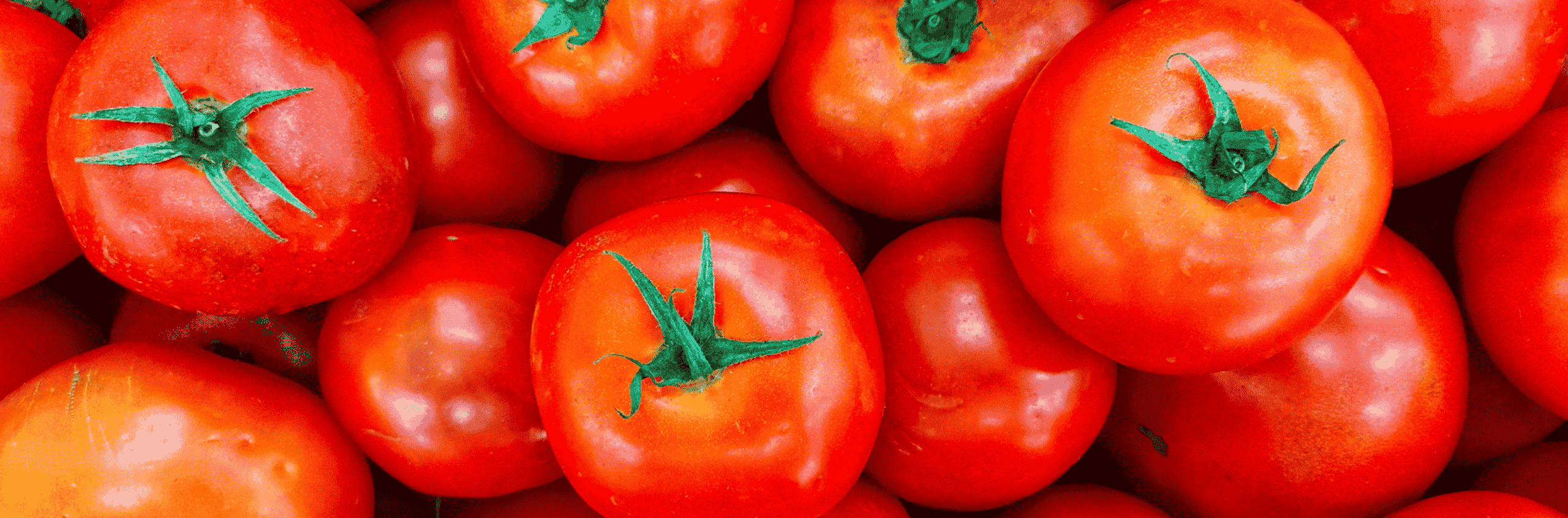
    Tomatoes: A Natural Way To Improve Blood Pressure

    In the world of nutritional science, we often see people narrow focus to single nutrients. While I’m generally not a fan of this approach, a recent study on tomatoes and their potential to combat high blood pressure has caught my attention, and it’s really quite compelling.

    The PREDIMED Study: Tomatoes Blood Pressure Benefits

    The PREDIMED trial is an exploratory analysis involving 7,056 participants who have high blood pressure. It delivered some fascinating insights into the role of tomatoes in managing blood pressure. Who knew that these red fruits, often mistaken for vegetables, could improve cardiovascular health?

    Tomatoes vs. Hypertension: What the Data Says

    Participants in the study were grouped based on their tomato consumption, from the least (<44 g) to the highest (>110 g). Over three years, those with the highest intake showed a remarkable 36% reduction in the risk of developing hypertension compared to those who ate the least.

    The Science Behind the Scenes

    The secret sauce here seems to be lycopene, a potent antioxidant found abundantly in tomatoes. Around 85% of our lycopene intake comes from tomatoes and their derivatives. Lycopene is excellent at neutralising free radicals – those unstable molecules that cause cellular damage and contribute to various health issues, including hypertension.

    Lycopene’s Broader Impacts

    Beyond just mopping up free radicals, lycopene also plays a role in inhibiting the ACE enzyme, which is involved in blood pressure regulation. This dual action of lycopene not only helps in reducing hypertension but also has implications for broader cardiovascular health.

    Alternatives to Tomatoes for Lycopene Intake

    If you’re not a tomato fan, don’t worry. Lycopene is also found in pink grapefruits, pink guavas, watermelons, and papayas. Even processed tomato products like sauces and ketchups are rich in lycopene. The key is to find a balance that suits your palate and dietary preferences.

    The Takeaway: A Step Towards Better Health

    This study reiterates the age-old wisdom about eating fruits and vegetables, with a spotlight on tomatoes. Incorporating them into our diet, provides be a simple yet effective way to manage blood pressure and improve heart health.

    It’s important to remember that nutrition is more complex than single nutrients. But this study on tomatoes and lycopene presents an opportunity to make an impact reducing hypertension rates.

    So next time you’re contemplating your meal choices, remember that adding a splash of red might just be what your heart needs. 

    If you found this blog helpful we would love you to share it with your friends and family

    British Association of Sports and Exercise Medicine  ·  European Atherosclerosis Society  · 
    Independent Doctors Federation

    As seen in The Independent, The Daily Mail and Tatler

    For educational purposes. This article is written by a practising GP and is intended to inform, not replace a consultation with your own doctor. It does not constitute medical advice. A note on clinical guidelines: Coyne Medical is an independent private clinic. Our approach is guided by the best available evidence, tailored to each individual. This may go beyond standard NHS or NICE guidance, which is designed for population-level care and weighted by resource constraints.

  • The Best Exercise For Managing High Blood Pressure

    The Best Exercise For Managing High Blood Pressure

    High blood pressure, or hypertension, remains a global health challenge, with a soaring prevalence (thanks in part to changing definitions of hypertension) and control often proving elusive. It remains one of the leading modifiable risk factors for disease and death worldwide. While lifestyle interventions have long been a mainstay in hypertension management, a growing body of research underscores the particularly pivotal role of exercise training as an effective non-pharmacological antihypertensive strategy. Recent findings, including a large-scale systematic review and meta-analysis of 270 randomised controlled trials, shed new light on the optimal exercise practices for managing blood pressure. 

    Exercise as a Cornerstone of Hypertension Management:

    The link between exercise and cardiovascular health is certainly not a novel concept. Regular physical activity has long been associated with reduced risks of heart disease and hypertension. However, contemporary research is refining our understanding of how different exercise modalities impact blood pressure.

    The Landmark Study:

    Led by Dr. Jamie J. Edwards and a team of researchers from Canterbury Christ Church University in the United Kingdom, this comprehensive study published in the BJSM examined the effects of various exercise training modes on resting blood pressure. The study analysed 270 randomised controlled trials published between 1990 and February 2023, involving a total of 15,827 participants.

    Key Findings:

    The study’s results paint a clear picture of the effectiveness of different exercise modalities in reducing both systolic and diastolic blood pressure:

    • Aerobic Exercise Training: This traditional form of exercise demonstrated significant reductions in resting systolic blood pressure (SBP) by an average of 4.49 mm Hg and diastolic blood pressure (DBP) by 2.53 mm Hg.
    • Dynamic Resistance Training: Participants engaging in dynamic resistance training experienced reductions in SBP and DBP by an average of 4.55 mm Hg and 3.04 mm Hg, respectively.
    • Combined Training: Combining aerobic and resistance training led to even more pronounced reductions, with SBP decreasing by 6.04 mm Hg and DBP by 2.54 mm Hg.
    • High-Intensity Interval Training (HIIT): HIIT, known for its time-efficient, intense bursts of activity, lowered SBP by 4.08 mm Hg and DBP by 2.50 mm Hg.
    • Isometric Exercise Training (IET): This novel form of exercise emerged as the most effective, resulting in a substantial reduction of SBP by 8.24 mm Hg and DBP by 4.00 mm Hg.

    Optimal Exercise Modes:

    The study ranked the exercise modalities based on their effectiveness, with isometric exercise training (IET) topping the list, boasting a Surface Under the Cumulative Ranking Curve (SUCRA) value of 98.3 percent. Surface Under the Cumulative Ranking Curve, or SUCRA, is a statistical tool used in network meta-analysis to evaluate the relative effectiveness of several different interventions or treatments. In the context of this study, SUCRA values were used to assess and rank the various exercise modalities in terms of their impact on resting blood pressure.

    A higher SUCRA value indicates a greater likelihood that a particular intervention (in this case, an exercise modality) is the most effective among the options being compared. In other words, a higher SUCRA value suggests that an exercise mode is more consistently and confidently ranked as the best choice for reducing blood pressure. Combined training followed closely at 75.7 percent, dynamic resistance training at 46.1 percent, aerobic exercise training at 40.5 percent, and high-intensity interval training (HIIT) at 39.4 percent.

    The Isometric Advantage:

    Isometric exercise training, particularly through activities like isometric wall squats, emerged as the most potent submodes for reducing SBP (SUCRA: 90.4 percent) and DBP (SUCRA: 91.3 percent), respectively.

    Implementing Isometric Training:

    Isometric exercise places the muscle under tension without moving the surrounding joints. To harness the benefits of isometric exercise, use the following protocol:  

    4×2-minute contractions, separated by 1–4-minute rest intervals, performed three times a week. 

    Isometric handgrip (IHG) is usually executed at 30% maximum voluntary contraction, while isometric wall squats (IWS), also known as ski squats can be performed to elicit a rate of perceived exertion (RPE) between 3.5–4.5/10 for the first bout, RPE 5–6/10 for the second bout, RPE 6.5–7.5/10 for the third bout, and RPE 8–9/10 for the fourth bout. Isometric leg extension (ILE) is performed at 20% of the maximum voluntary contraction (this is the maximum amount of force that can be generated by contracting a muscle group). So in practice, this means holding still with the legs fully straightened approximately 20% of the heaviest hold that you could shift on the leg extension machine. 

    As the prevalence of hypertension continues to rise, understanding the role of exercise in its management becomes increasingly critical. The latest research emphasises the varied and substantial benefits of lots of different exercise modalities, with isometric exercise training shining as a particularly potent antihypertensive intervention. Of the isometric exercises, wall squats, to me at least, are the most convenient to perform.

    British Association of Sports and Exercise Medicine  ·  European Atherosclerosis Society  · 
    Independent Doctors Federation

    As seen in The Independent, The Daily Mail and Tatler

    For educational purposes. This article is written by a practising GP and is intended to inform, not replace a consultation with your own doctor. It does not constitute medical advice. A note on clinical guidelines: Coyne Medical is an independent private clinic. Our approach is guided by the best available evidence, tailored to each individual. This may go beyond standard NHS or NICE guidance, which is designed for population-level care and weighted by resource constraints.

  • Don’t Neglect Your Blood Pressure: Safeguard Your Brain Health

    Don’t Neglect Your Blood Pressure: Safeguard Your Brain Health

    Life is busy. Many of my patients are so busy that they, to paraphrase Gustav Stresemann, are walking “on the edge of a volcano.” It just takes one small event to teeter over the brink. When life is this hectic, it can be easy to neglect something that isn’t causing you any symptoms. Blood pressure is just one of those things. They don’t call it the “silent killer” for nothing. High blood pressure stalks many of us from middle age without us knowing, waiting for an opportunity to push us over the edge. 

    Ignoring your blood pressure in early middle age can have a compound adverse effect on your cardiovascular health. It is a bit like having debt on a credit card that you never get around to paying off but keep spending on in order to accrue the Air Miles. 

    High blood pressure in middle age can have a particular impact on brain health in older age. Almost half of the burden of Alzheimer’s disease and related dementia is due to factors that are within our power to change. High blood pressure is one of the most common of these factors. 

    recent study conducted by researchers at the University of California has shed more light on the connection between blood pressure and brain health. Their findings underscore the importance of monitoring and managing blood pressure, especially in early adulthood. 

    The study followed a diverse group of participants and found that individuals with hypertension (high blood pressure) or those who transitioned to hypertension in early adulthood had smaller brain volumes and poorer white matter integrity in late life. Interestingly, the negative impact of hypertension on brain volumes was more pronounced in men compared to women.

    Previous research has already indicated a link between hypertension and neurodegenerative conditions such as dementia. This recent study reinforces those findings and highlights the importance of considering hypertension earlier in life, even during early adulthood. Early adulthood hypertension and increases in blood pressure were associated with differences in brain volumes and white matter integrity, which are key indicators of cognitive decline and dementia.

    Notably, the study used updated guidelines for diagnosing hypertension, taking into account lower thresholds for diagnosis. This suggests that even individuals previously classified as having prehypertension or normal blood pressure could still be at risk for neurodegenerative changes associated with dementia.

    The study also uncovered some interesting sex differences. Hormonal factors appear to play a role in protecting women from the detrimental effects of hypertension on the brain, particularly before menopause. Men, on the other hand, seem to experience a stronger negative association between hypertension and brain volumes. The findings of this study emphasise the critical role of managing blood pressure throughout life, starting from early adulthood.

    It’s vital not to overlook the significance of blood pressure management. Just as neglecting credit card debt can result in mounting interest and financial distress, ignoring blood pressure can have a compounding effect on brain health. By regularly monitoring and managing blood pressure, particularly in middle age and early adulthood, you can take proactive steps to protect your brain health and reduce the risk of cognitive decline in later years. Consult with your doctor, make lifestyle changes, and adhere to any prescribed medications to keep your blood pressure in check. 

    British Association of Sports and Exercise Medicine  ·  European Atherosclerosis Society  · 
    Independent Doctors Federation

    As seen in The Independent, The Daily Mail and Tatler

    For educational purposes. This article is written by a practising GP and is intended to inform, not replace a consultation with your own doctor. It does not constitute medical advice. A note on clinical guidelines: Coyne Medical is an independent private clinic. Our approach is guided by the best available evidence, tailored to each individual. This may go beyond standard NHS or NICE guidance, which is designed for population-level care and weighted by resource constraints.