
Category: Cardiovascular Health

  • What is Apolipoprotein B and why is it important?

    What is Apolipoprotein B and why is it important?

    Atherosclerosis is the disease process that causes coronary artery disease. It is not a new condition. It has been found in 4000-year-old Egyptian mummies. In modern medicine, cholesterol is often described as being either good or bad. However, cholesterol is only ‘bad’ when it is in the wall of the artery. But how does it get there? And what makes it stay in the wall of an artery and cause a problem? Many things carry cholesterol around the body including HDL (often referred to as the good cholesterol) and red blood cells. Indeed, red blood cells carry a similar amount of cholesterol around the body as LDL particles (often referred to as the bad cholesterol).

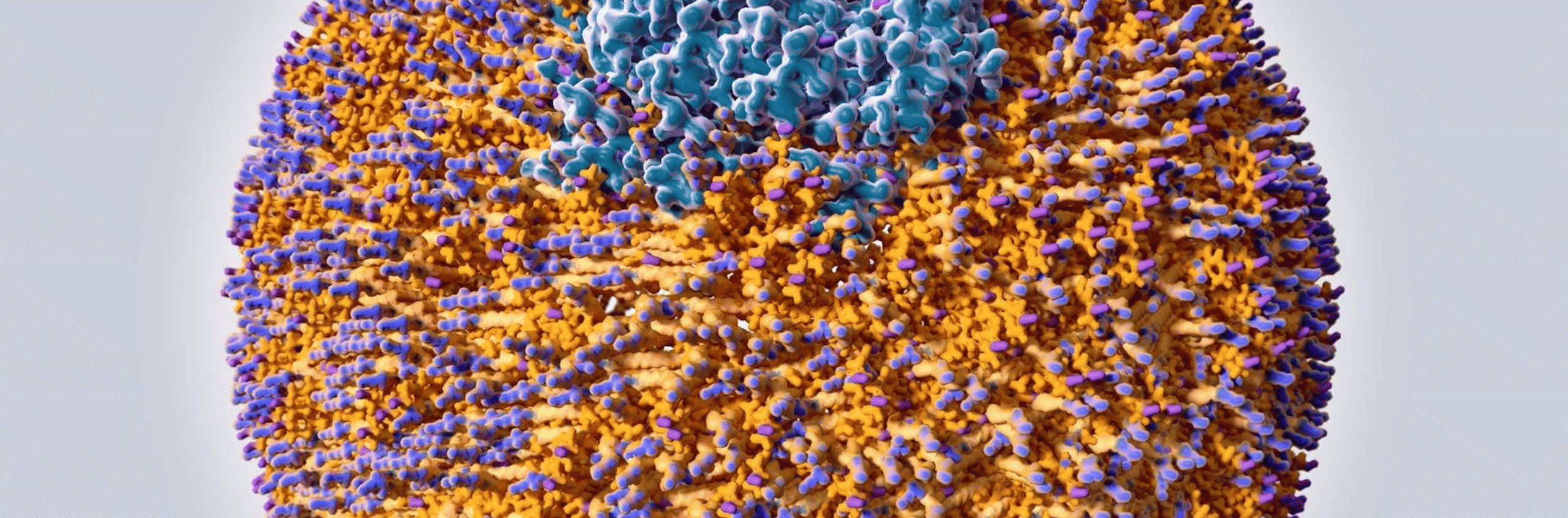
    So what is it that makes LDL bad? Or to put it another way, how does good cholesterol turn bad? The answer is Apolipoprotein B. If you look at the picture of an LDL particle such as the one above, you can see what it is made of. Fat is not soluble in water, so in the bloodstream, it must be transported in a packaged group. Each LDL particle consists of one Apolipoprotein B (ApoB), which organises other proteins, lots of cholesterol molecules and a core of polyunsaturated fatty acids. Think of each LDL as being like a group of tourists in a strange city being guided by a tour guide, the ApoB. 

    It is not only LDL that ApoB is present on. There is also one ApoB molecule on each intermediate-density lipoprotein (IDL), very low-density lipoprotein (VLDL) and chylomicrons. Indeed all of these particles also have the ability to cause cardiovascular disease (CVD). This is why a measure of all of these atherogenic particles, referred to as non-HDL cholesterol, is thought to be a better marker of cardiovascular disease risk than alone.

    The role of ApoB in atherogenesis, that is, the formation of atherosclerosis, is described by the “response to retention” hypothesis. Think of the artery as a road. The parts of the arteries that tend to have the most atherosclerosis are busy junctions. In cities the world over, busy junctions are often the sites of groups of bars and restaurants. Imagine now our group of tourists, the group of cholesterols with their ApoB guide wandering around the city. Imagine further that our group of tourists isn’t just any group of tourists but that they are a stag-do. Now a stag-do, our group of cholesterols, wants to find the busiest bar to go into. So it’s ApoB tour guide takes them to a bar at one of the busiest junctions and gets them in past the bouncer at the door. 

    Once inside the bar, the owner wants to keep this group in so that they continue to spend their cash in there. The artery lining acts in a similar way. But ultimately, acting in this way is going to be unhelpful for both the bar and the artery lining. How does the bar owner keep the group in the bar? Of course, by putting on the football, giving the tour guide a free drink and starting a happy hour. The artery lining acts, in the same way, to keep the LDL in the bar. Lipoprotein lipase and secretory sphingomyelinase are enzymes in the arterial wall that aid the retention of the ApoB and its cholesterol particles there. In the bar, as it’s getting busier and the punters are getting drunker our stag-do is swallowed up in the melee and drinks are being spilt everywhere. In the arterial lining, the ApoB and its cholesterols get swallowed up by macrophages (white cells) creating foam cells. Everyone in the bar is getting very merry, the atmosphere is really getting going, drinks are flying, people are up on the bar and more punters want to join the action. In the arterial lining, enzyme activation causes more retention of atherogenic particles. And it’s just then that the trouble really starts. As drinks and elbows start to fly and things get heated and people start to push past each other. First, a bottle smashes the window and then someone falls through the fire escape and everyone spills onto the street. The police are called. The area is blocked off. In the artery, the macrophages make enzymes that weaken the overlying cap and also release tissue factor. This agent is prothrombotic, it causes clots to form. It is the equivalent of calling the cops. Patry’s over. The artery is blocked.        

    So which is better at determining the risk of cardiovascular disease, non-HDL (which reflects the mass of cholesterol) or ApoB (which reflects the number of atherogenic particles)? To determine this requires studies of discordance. These studies show that when non-HDL was high but ApoB was normal, CVD risk was not high. But when non-HDL was normal and ApoB was high, CVD risk was high. Thus ApoB is a superior measure of CVD risk.

    So, we know that ApoB causes heart disease. New studies using a technique called Mendelian Randomisation have demonstrated that ApoB is implicated not only in heart disease but in stroke and diabetes. This type of study has also demonstrated that ApoB is associated with a significant reduction in lifespan. MR is a type of statistical analysis that uses variations in our genes to determine whether a certain exposure leads to a certain outcome. The fantastic thing about these studies is that confounding variables are removed. So, Mandellion Randomisation is excellent at establishing causality. In contrast, in an observational study causality can be difficult to determine because of confounding factors. A confounding factor is a variable that a study does not account for. An example of this would be a study looking at the link between heart disease and obesity that failed to take into account other important confounders such as age and smoking. Mendelian randomisation also eliminates reverse causality. This is a feature of observational studies when it can be difficult to ascertain what is the cause and what is the effect. An example of this would be does smoking cause lung cancer or does lung cancer cause smoking? 

    So when should we be measuring ApoB? The American Heart Association 2018 guideline on cholesterol management suggests that for people at intermediate risk of heart disease (risk between 7.5% and 20% on conventional risk scores) ApoB measurement can refine the selection of people at the highest risk. The 2019 European Society of Cardiology and the European Atherosclerosis Guidelines suggest that ApoB is the most accurate measure of CVD risk and a more accurate measure of lipid-lowering treatments. I mentioned previously the potential discordance between non-HDL and Apo-B. This is most common in people who are overweight, diabetic or have high blood values of triglycerides. These people should certainly have ApoB measured. However, atherosclerosis plaques grow over time. With the passage of time, more ApoB-containing particles are retained in the artery wall. So it is not just the number of ApoB-containing particles but the duration of exposure to them that is important. Therefore, it’s important to maintain low ApoB levels throughout life and start screening with ApoB early.  

    British Association of Sports and Exercise Medicine  ·  European Atherosclerosis Society  · 
    Independent Doctors Federation

    As seen in The Independent, The Daily Mail and Tatler

    For educational purposes. This article is written by a practising GP and is intended to inform, not replace a consultation with your own doctor. It does not constitute medical advice. A note on clinical guidelines: Coyne Medical is an independent private clinic. Our approach is guided by the best available evidence, tailored to each individual. This may go beyond standard NHS or NICE guidance, which is designed for population-level care and weighted by resource constraints.


  • Lipoprotein(a) – the bad guy of lipids

    Lipoprotein(a) – the bad guy of lipids

    In a previous blog, I tried to explain how dyslipidaemia (abnormal levels of blood lipids) causes atherosclerosis (plaques forming in the arteries) using the analogy of a stag-do. In this blog, I’m going to stretch this analogy even further. 

    In the stag do analogy, low-density lipoprotein (LDL) particles are members of the stag do. This is because it is LDL that causes all the trouble in the wall of the artery. In the same way, stag-dos cause trouble in bars the world over. The way to think of lipoprotein(a) is as the really bad, malevolent guy on a stag do. The guy with an evil streak that everyone else is a little bit wary of. 

    Lipoprotein (a) is a type of LDL particle. It is made up of a glycoprotein (a sugar linked to a protein), an apolipoprotein B molecule that is linked to an apolipoprotein (a). 

    Lipoprotein (a) isn’t all bad. It does have an important role in acute inflammation and wound healing. In our stag-do analogy, our protagonist can be thought of as a guy who is edgy, who brings a sense of excitement, a certain frisson. But this guy is one of those people who are best in small doses. On a stag-do, this bad dude is the type of person who would buy the stag 8 shots of gin to render him comatose, cheat on his partner, start a fight in a bar and get everyone kicked out. In the body, lipoprotein (a) causes problems by:

    • Interfering with the breakdown of clots.
    • Interfering with the functioning of the lining of the artery. 
    • Increasing inflammation in the wall of the artery.
    • Accelerating the formation of foam cells which leads to atherosclerotic plaque formation. 

    The main determinant of our levels of lipoprotein (a) is our genes. Levels can be measured using a standard blood test. Unfortunately, Lp(a) is not routinely measured on standard blood tests. Generally, the levels of Lp(a) remain stable over time although they can be affected to some extent by reduced levels of oestrogen and due to inflammation. 

    High levels of Lp(a) are associated with increased risk of heart and vascular disease as well as narrowing of the aorta. People who have a condition known as Familial Hypercholesterolaemia have a higher likelihood of having high levels of Lp(a). In these people, high Lp(a) further increases their already high risk of developing cardiovascular disease. 

    The European Society of Cardiology recommends that everyone should have their levels of Lp(a) checked at least once in their lifetime. Certainly, the following groups of people should have their Lp(a) levels checked:

    • Those with premature cardiovascular disease. 
    • People with a family history of premature cardiovascular disease (<55 years of age in men and <65 years of age in women).
    • People with a family history of elevated Lp(a).
    • People with a history of Familial Hypercholesterolaemia. 
    • People with a history of recurrent cardiovascular disease despite optimum treatment. 

    In addition, Lp(a) measurement can be useful for people with borderline cardiovascular risk scores who doctors are considering treatment with a statin and in people whose LDL cholesterol has not lowered as expected despite statin treatment. 

    So what can be done with elevated levels of Lp(a)? Currently, there is only limited scientific evidence to suggest that lowering Lp(a) reduced the risk of heart and vascular disease. Therefore, our focus of treatment is to reduce other risk factors for heart disease as much as possible. This includes lowering the levels of LDL as much as possible, usually with one or more medications. These medications include statins and another cholesterol-lowering medication called ezetimibe. 

    For some people, it is not possible to achieve optimum levels of LDL even with a statin at the maximum tolerated dose and ezetimibe, another cholesterol-lowering drug. For these patients, a medication called a PCSK9 inhibitor is required. These medications have been shown to reduce Lp(a) in some people and reduce the risk of heart disease independent of levels of LDL.  

    Some doctors use Nicotinic acid to reduce Lp(a). This medication has side effects that make it difficult to tolerate. Medical studies have shown that it does reduce Lp(a). However, these studies have not demonstrated that Nicotinic acid reduces the risk of heart disease. Another treatment called apheresis can reduce levels of Lp(a) temporarily but it is not clear yet whether this reduces the risk of heart disease. 

    A new promising therapy for elevated Lp(a) is antisense therapy. This is a type of gene therapy that intercepts the message from the body’s genetic code to make one of the key components of Lp(a). Trials in this treatment are ongoing. 

    Although there is no really effective current treatment to lower Lp(a) it is still very worth having levels checked at some stage of your life. Knowing your Lp(a) means that if they are elevated you can take steps that significantly reduce your risk of heart disease. 

    British Association of Sports and Exercise Medicine  ·  European Atherosclerosis Society  · 
    Independent Doctors Federation

    As seen in The Independent, The Daily Mail and Tatler

    For educational purposes. This article is written by a practising GP and is intended to inform, not replace a consultation with your own doctor. It does not constitute medical advice. A note on clinical guidelines: Coyne Medical is an independent private clinic. Our approach is guided by the best available evidence, tailored to each individual. This may go beyond standard NHS or NICE guidance, which is designed for population-level care and weighted by resource constraints.

  • Why Heart Disease Is Like Street Crime – CT Coronary Calcium Scores

    Why Heart Disease Is Like Street Crime – CT Coronary Calcium Scores

    Why Heart Disease Is Like Street Crime

    Broken windows theory was proposed in 1982 by Political Scientist James Quinn Wilson and Criminologist Geroge Kelling. The idea was that small crimes and misdemeanours inevitably led to serious crimes. This idea was taken on by New York Police Commissioner William Bratton. He cracked down on petty crimes and as a result, serious crime in New York fell. 

    Some people have a lipid profile that puts them at increased risk of cardiovascular disease. If you have a high Apolipoprotein-B (Apo-B) and high LDL particle number (LDL-p), for example, you are at higher risk of cardiovascular disease. This is because a high LDL particle number means that LDL is likely to break into the wall of the artery, cause inflammation and lead to coronary heart disease. It gets into the wall of the artery thanks to Apo-B. Having high Apo-B and LDL-p is analogous to living in a bad neighbourhood. If you have high Apo-B and LDL you are likely to have a break-in (to the arterial wall). Coronary calcium is a sign that damage has occurred in the arterial wall and reflects the body’s healing in response to damage. It is like having a boarded-up window after it has been smashed by a hooligan in a bad neighbourhood. We know from commissioner Bratton that broken windows inevitably lead to serious crime. In much the same way, coronary calcium is a signal that something serious is going to happen in the arterial wall. 

    Coronary artery calcium scoring (CACS) examines calcium deposits in the coronary arteries that occur during atherosclerotic plaque formation. The study takes around 10 minutes, doesn’t use contrast and the radiation dose is low (approximately 1 mSv). This amount of radiation is comparable to around two screening mammograms. The average person is exposed to approximately 2.7mSv radiation per year in the UK according to Public Health England. 

    Calcification in the arteries is due to the repair of the damage caused by the formation of atherosclerotic plaque. CACS provides an overall assessment of the amount of calcification, most commonly using the Agatston Score. As an interesting aside, Arthur Agatston not only developed the scoring system for measuring coronary artery calcium but also the South Beach Diet. 

    The initial evidence of the value of coronary calcium was provided by the landmark Multiethnic Study of Atherosclerosis (MESA). This was a study of 6814 individuals from four major ethnic groups. The study found a strong association between calcium score and adverse coronary events over almost 4 years of follow-up.  Subsequent studies have shown the benefit of calcium scoring in a variety of ages, sexes and clinical risk factor burdens.

    The addition of calcium scoring to our traditional risk estimation improves our identification of a patients chance of cardiovascular disease. It is particularly useful who allowing us to better understand who would and would not benefit from having medications to prevent cardiovascular disease such as statins or aspirin.

    A key advantage of calcium scoring is that while high scores are associated with elevated cardiovascular risk, the absence of coronary calcium is a negative risk marker that confers a good prognosis. This is what is known as negative predictive value. The negative predictive value of zero coronary calcium appears to be greatest in individuals at intermediate risk by traditional risk calculators. 45% of these patients will have CAC = 0, placing them at low cardiovascular risk and removing the need for preventive therapy such as statins. Conversely, the power of zero coronary calcium is limited in individuals who are already at high risk. Nearly 50% of fatal MIs occur in non-calcified areas of coronary arteries.  So even if the calcium score is zero, the patient may still need aggressive intervention if they live in a ‘bad neighbourhood.’ That is, even if they have a normal CAC but have very high ApoB and LDL-p. This is because they may have soft plaque and CAC does not show soft plaque.  

    European Society of Cardiology guidance on CVD preventiondyslipidaemia, and chronic coronary syndrome have all recognised the important role of CACS in the CVD risk assessment on an individual patient screening basis. They advised that CACS may improve risk classification in patients without symptoms in the moderate or low-risk categories. At levels of risk above this, significant lifestyle changes and potential medications are indicated. 

    So, CACS, seeing the amount of boarded-up windows in your neighbourhood, can considerably improve our estimation of your risk of cardiovascular disease and can be extremely helpful in guiding decisions on preventative treatment. 

    British Association of Sports and Exercise Medicine  ·  European Atherosclerosis Society  · 
    Independent Doctors Federation

    As seen in The Independent, The Daily Mail and Tatler

    For educational purposes. This article is written by a practising GP and is intended to inform, not replace a consultation with your own doctor. It does not constitute medical advice. A note on clinical guidelines: Coyne Medical is an independent private clinic. Our approach is guided by the best available evidence, tailored to each individual. This may go beyond standard NHS or NICE guidance, which is designed for population-level care and weighted by resource constraints.

  • Going Beyond ‘Cholesterol’

    Going Beyond ‘Cholesterol’

    When most people have their cholesterol level checked they will usually have their ‘total cholesterol,’ LDL-C (the concentration of LDL), HDL-C (the concentration of HDL), triglycerides (TG), and non-HDL measured. However, while these measurements are of some use in estimating the risk of cardiovascular disease they do not give the full picture. More important than the mass concentration of the cholesterol-containing particles is the number of cholesterol particles and more besides. 

    When most people think about cholesterol they think that there is a good type and a bad type. In fact, all cholesterol is good. Cholesterol is vital to our existence. It is one of the most important constituents of our cell membranes. Not only do cell membranes provide structural support for the cell but they also facilitate how cells move, what goes in and out of cells and how cells interact with each other. Cholesterol is also essential in the production of steroid hormones, vitamins and bile acids which help digestion. 

    So cholesterol is good. It is only bad when it is in the wrong place and the wrong place for cholesterol to be is in the arterial wall. But how does cholesterol get there. 

    Only about a quarter of the cholesterol in our bodies comes from what we eat. The rest is produced by our bodies. Our liver manufactures about a fifth of the cholesterol made by our bodies. Of the cholesterol that we eat, most of it is not absorbed by our gut. So the amount of cholesterol that we eat only has a limited effect on the cholesterol levels in the body. 

    I think of the process of coronary artery disease as being a bit like my stag do in Bratislava. This may seem like a stretch, but bear with me. Think of the guys on the stag do as being like cholesterol particles. Just like the members of a drunken stag do in an unfamiliar town, cholesterol needs something to take it around the body. The things that help transport cholesterol around the body are called apoproteins. These are like the group of girls from a tour operator that the best man hires to take the stag do on a tour of the town’s bars. In the bloodstream, the cholesterol particles and apoproteins when packaged together are called apolipoproteins. These cholesterol particles with their apoprotein chaperones (aka apolipoproteins) all bundle together. The group of cholesterol particles and its apoprotein chaperone is called a lipoprotein.

    Just like the group of girls from a stag-do tour operator, apoproteins help keep the group together and facilitate communication between the group and those outside the group. Apoproteins also help act as cofactors in enzyme reactions. This is akin to the female tour guides getting the stag group a round of free drinks when they arrive in a bar.  

    There are two important types of apolipoprotein – A and B. Apolipoprotein B (apoB) is almost always found with low-density lipoprotein (LDL). Think of low-density lipoprotein as a stag do with a female tour guide. Apolipoprotein A (apoA) is almost always found with high-density lipoprotein (HDL). Think of HDL as a tour group from a cruise ship with a nice tour guide. The are not going to cause trouble (unless the town is totally overrun with cruise ships and tour groups). An important point here, there is one ApoB molecule with one LDL particle. Each LDL particle is actually a group of cholesterol particles.  

    Most stag dos attract a few hangers-on. In the body, these unhelpful hangers-on are triglycerides. As the lipoproteins transport the cholesterol around the body these hangers-on drop away. Much the same happens on a stag do as it progresses.  

    The lining of an artery is called the epithelium. To cause atherosclerosis, i.e. cardiovascular disease, the LDL particle has to enter the endothelium. If you can imagine the lining of the artery as being like a strip of nightclubs and bars and the lumen of the artery as being like a road. The stag do, of course, are the LDL particles. Apoprotein B can get the stag do into the cool club. Each stag do needs to have a girl with them to get in (because there is there is one ApoB molecule with one LDL particle). In the same way, to get into the lining of the arterial wall, each LDL particle needs an Apolipoprotein B to chaperone past the bouncer on the door. In case you’re wondering, the bouncer in this instance is called NPC1L1Niemann-Pick C1-Like 1 or NPC1L1 for short. 

    So what is it that causes LDL to go into the lining of the artery? Remember, conventional blood tests for cholesterol measure the concentration of the different lipoprotein subfractions. But, it is the number of particles of LDL that is more important. Think of it this way. The more small stag do groups there are the easier it is for each stag do to get into a bar. No bouncer is going to let a massive number of drunk guys in one big group into a bar. Bigger stag dos with more people in each of them are less likely to get into a bar. In the same way the higher the number of LDL particles the greater the chance they have of getting into the wall of the artery. Although LDL concentration may correspond to particle number, often it doesn’t. 

    Indeed, it has been found that the best predictor of the risk of cardiovascular disease is LDL particle number. Furthermore, those people at the highest risk had a low (normal) LDL-C and a high LDL particle number. In medical statistics, when two variables that usually track together do not track together, it is known as discordance. People who have high LDL-C and high LDL particle number are also at high risk but not as high as those with discordant values. Thinking about it in stag-do terms, the highest risk of trouble comes when lots of small stag dos are let into a bar. In the opposite scenario if there is just one stag do allowed in but it is large with lots of people who know each other the chance of trouble is low. That is, if there is a high LDL-C and low LDL particle number the risk of cardiovascular disease is actually less. As I have mentioned, having a large number of LDL particles and a high LDL-C is also a high risk for cardiovascular disease. It’s just not as high risk as having low LDL-C and high particle numbers. Even in patients who show up to the hospital having a heart attack, frequently their LDL-C is normal.

    People with metabolic syndrome are more likely to have an unhelpful discordant relationship between LDL-C and LDL particle number. Metabolic syndrome is a condition in which people have raised triglycerides (a storage fat in the blood), raised blood pressure, elevated waist circumference and elevated blood sugar. 

    Once inside the club (the arterial lining) the stag do (LDL) causes all sorts of problems. Imagine members of the stag do hitting on local girls, being generally obnoxious and riling up groups of local guys. The same happens when LDL enters the endothelium – absolute pandemonium. This leads to inflammation in the arterial wall. On a stag do, the groups of locals might try to get rid of the stag do. But there are too many guys on the stag do. As you can imagine, the bar gets damaged. A brawl ensues and it spills out onto the street. Pretty much the same happens to the endothelium of the artery. The inflammatory response causes an arterial plaque to form which spills over into the lumen eventually causing a clot to form, blocking the artery. Think of the clot as the police being called. They then block off the street. This obviously means that bars and clubs further down the street have to close. This is equivalent to tissue ischaemia in our bodies where a lack of blood supply causes the tissues downstream to die. This is the process of a heart attack.  

    So although LDL-C can give us some information on the likelihood of having a heart attack, it is nowhere near as good as knowing the LDL particle number. Measuring this requires nuclear magnetic resonance spectrometry. This is very expensive. As there is one LDL per ApoB it turns out that ApoB is a good proxy for estimating LDL particle number and therefore cardiovascular risk. Indeed, several studies, including AMORIS, INTERHEART, IDEAL and the Leiden Heart Study have demonstrated that ApoB is superior in predicting cardiovascular disease risk. ApoB level is also useful in finding out how effective lifestyle changes and treatments have been. According to the INTERHEART and AMORIS trials, the best risk predictor of cardiovascular disease is the ratio between ApoB and ApoA1.  

    Ischaemic heart disease is, to a great extent, inflammatory. The real problem is not so much the presence of the LDL particle in the artery wall. It is the inflammatory response to the LDL that is the problem. LP-PLA is a marker of arterial inflammation and suggests that the formation of unstable plaques in the arteries is occurring. In our stag-do analogy, Lp-PLA is the equivalent of a group of bouncers entering the melee. It suggests that the arteries are angry and that arterial plaque is forming. The PLAC test measures the amount of lipoprotein-associated phospholipase (Lp-PLA2) in the blood. Lp-PLA is a key player in making plaques that line the arterial wall unstable and more likely to rupture.

    Another way of estimating the amount of inflammation in our arteries is with hs-CRP. Other issues can cause a rise in hs-CRP. However, in a patient who is at high risk of cardiovascular disease, I associate high levels of hs-CRP with being at very high risk for cardiovascular disease.

    So while traditional tests for cholesterol go some way to estimating cardiovascular risk, getting a much better estimation of risk requires a deep dive into different marke

    British Association of Sports and Exercise Medicine  ·  European Atherosclerosis Society  · 
    Independent Doctors Federation

    As seen in The Independent, The Daily Mail and Tatler

    For educational purposes. This article is written by a practising GP and is intended to inform, not replace a consultation with your own doctor. It does not constitute medical advice. A note on clinical guidelines: Coyne Medical is an independent private clinic. Our approach is guided by the best available evidence, tailored to each individual. This may go beyond standard NHS or NICE guidance, which is designed for population-level care and weighted by resource constraints.